
A shipowner from Saudi Arabia recently asked me to explain the differences between ABS and BV certified steel plates. The choice impacts their entire fleet operation.
ABS and BV marine steel plates both meet high quality standards but follow different classification rules. ABS plates follow American Bureau of Shipping standards popular in North America and Asia, while BV plates comply with Bureau Veritas requirements common in Europe and Africa, with both ensuring safety and reliability for marine applications.
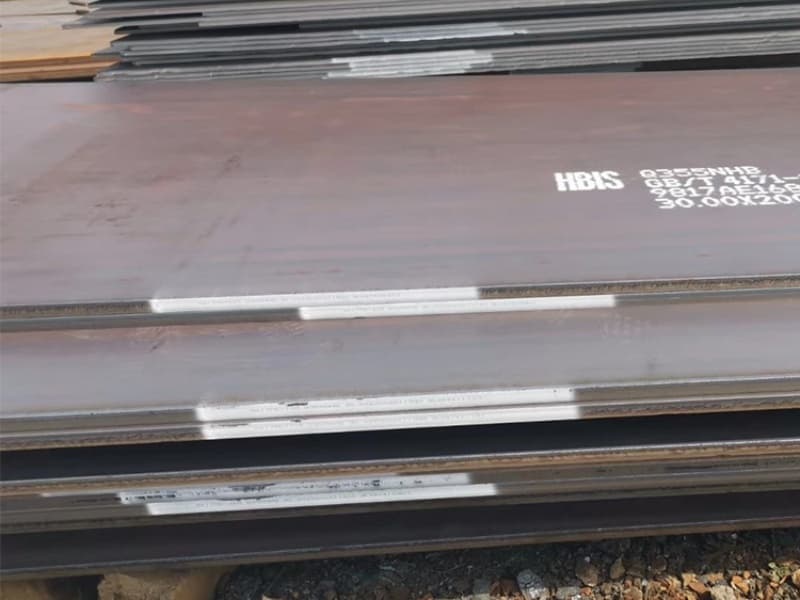
Choosing between classification societies involves understanding regional preferences and technical requirements. Let me break down the key differences to help your decision.
What is an ABS steel plate?
A shipyard in Vietnam initially thought ABS certification was just paperwork. They learned its importance after facing quality issues with non-certified steel.
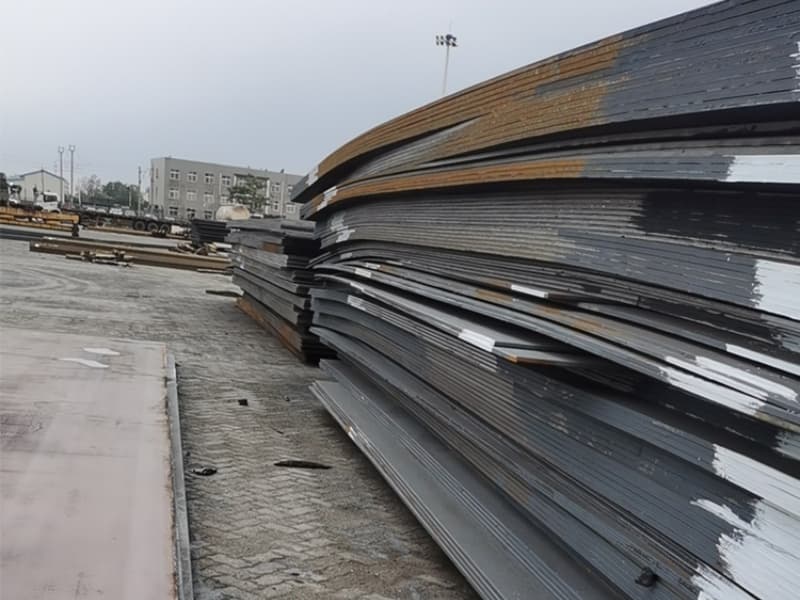
An ABS steel plate is marine-grade steel certified by the American Bureau of Shipping, meeting specific chemical, mechanical, and testing requirements outlined in ABS Rules for Materials and Welding. This certification ensures the plate’s suitability for shipbuilding and offshore structures with verified quality and traceability.
Understanding ABS Certification Requirements
ABS certification represents more than just a stamp on steel plates. It encompasses a comprehensive quality assurance system with specific technical requirements.
Certification Process Overview
The ABS certification process begins at the steel mill. ABS surveyors witness the production process and testing. They verify that the manufacturing follows approved procedures. The surveyors review chemical composition and mechanical test results. They ensure the plates meet ABS Rules requirements. Finally, they stamp the approved plates with the ABS mark.
Technical Requirements
ABS specifies precise chemical composition limits for each grade. The rules define mechanical property requirements including yield strength and tensile strength. Impact testing temperatures and energy absorption values are clearly specified. Non-destructive testing methods and acceptance criteria are detailed. The rules also address dimensional tolerances and surface quality standards.
Testing and Documentation
Each heat of steel undergoes comprehensive testing. Chemical analysis verifies the composition meets grade requirements. Tensile tests confirm mechanical properties. Impact tests validate toughness characteristics. Additional tests may include bend tests and macro-examination. All test results get documented in mill test certificates bearing ABS approval.
Marking and Traceability
ABS plates carry specific identification markings. These include the ABS symbol, grade designation, and heat number. The markings ensure traceability throughout the supply chain. They allow verification of certification status at any time. Proper marking is mandatory for ABS certification maintenance.
Global Recognition
ABS certification enjoys worldwide acceptance. Major shipowners and shipyards recognize ABS standards. Port state control authorities acknowledge ABS certification. Insurance companies consider ABS-certified materials as lower risk. This global recognition facilitates international trade and operations.
ABS Certification Key Elements
| Element | Requirement | Purpose |
|---|---|---|
| Mill Approval | Annual surveys | Process control verification |
| Material Testing | Witnessed by surveyor | Quality confirmation |
| Documentation | Complete test records | Traceability assurance |
| Marking | Standard symbols | Identification |
| Renewal | Annual audits | Continuous compliance |
We supply ABS-certified plates to clients across Asia and the Middle East. Our mills maintain current ABS approvals with regular surveillance audits.
What is the difference between Grade A and Grade B ABS?
A naval architect from Mexico confused Grade A and B steel for hull construction. Understanding the distinction prevented a design error.
Grade A and Grade B ABS steel differ in impact testing requirements and chemical composition. Grade B requires Charpy V-notch impact testing while Grade A does not, and Grade B has higher manganese content and tighter sulfur controls for improved toughness and weldability in thicker sections and more critical applications.

Detailed Grade A vs Grade B Analysis
The distinction between Grade A and Grade B goes beyond simple quality levels. Each grade serves specific applications based on structural importance and service conditions.
Impact Testing Requirements
Grade A steel typically does not require impact testing for thicknesses up to 25mm. Grade B mandates Charpy V-notch testing for all thicknesses. The impact test temperature for Grade B is usually 0°C. Grade B must achieve minimum absorbed energy of 27 joules. This testing ensures Grade B steel maintains adequate toughness. The difference makes Grade B suitable for more critical applications.
Chemical Composition Variations
Grade B has higher manganese content than Grade A. The manganese range for Grade B is typically 0.60-1.20% compared to 2.5 times carbon content for Grade A. Grade B maintains tighter control on sulfur content, usually below 0.035%. Phosphorus limits may also be stricter for Grade B. These compositional differences enhance weldability and toughness.
Thickness Limitations
Grade A has more restrictive thickness limitations than Grade B. Grade A typically serves in thicknesses up to 25mm for most applications. Grade B can be used in thicker sections while maintaining properties. The enhanced properties of Grade B allow its use in more highly stressed areas. This thickness capability influences material selection for different structural components.
Application Guidelines
Grade A serves in less critical areas with lower stress levels. It works well for secondary structures and non-critical components. Grade B applies in primary structures and highly stressed areas. It suits locations subject to dynamic loading or lower temperatures. The selection depends on the structural importance and service conditions.
Cost Considerations
Grade B typically costs 5-15% more than Grade A due to enhanced properties. The price difference reflects the additional testing and tighter composition controls. Projects balance the performance benefits against cost implications. The selection often follows classification society rules for specific applications.
Grade A vs Grade B Comparison Table
| Parameter | Grade A | Grade B | Significance |
|---|---|---|---|
| Impact Testing | Not required for ≤25mm | Required for all thicknesses | Toughness assurance |
| Manganese Content | 2.5×C min | 0.60-1.20% | Strength and toughness |
| Sulfur Maximum | 0.040% | 0.035% | Weldability improvement |
| Typical Applications | Secondary structure | Primary structure | Safety criticality |
| Cost Factor | Base price | 5-15% premium | Budget consideration |
We guide clients in Philippines and Thailand on proper grade selection. Their shipbuilding projects require careful material matching to structural requirements.
What is the difference between DH36 and EH36?
An offshore platform contractor from Qatar needed to choose between DH36 and EH36 for their Arctic project. The temperature requirements dictated their selection.
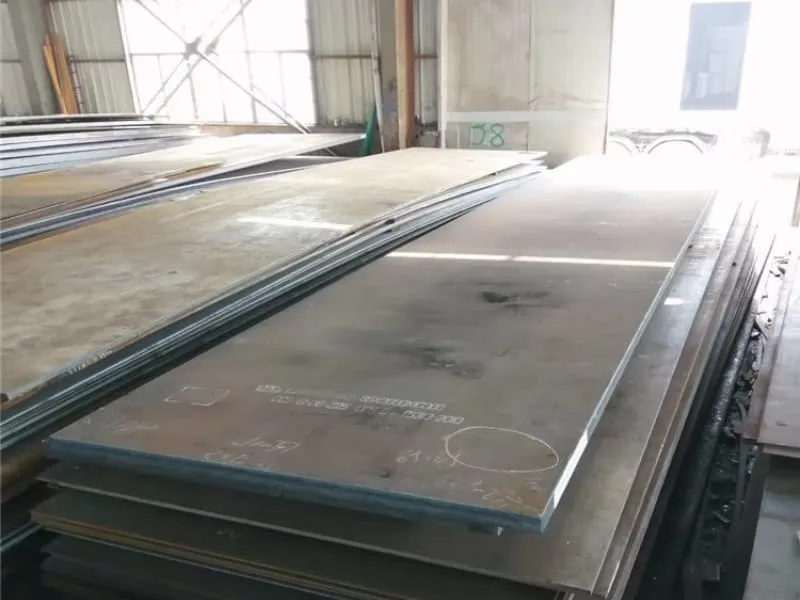
DH36 and EH36 differ primarily in impact test temperatures and low-temperature toughness. DH36 requires Charpy V-notch testing at -20°C while EH36 tests at -40°C, making EH36 suitable for arctic operations and DH36 ideal for temperate waters, with both maintaining 355 MPa minimum yield strength but different chemical controls.
Comprehensive DH36 vs EH36 Analysis
The choice between DH36 and EH36 involves understanding their technical differences and application implications. Both grades serve important but distinct roles in marine structures.
Impact Toughness Requirements
The fundamental difference lies in impact test temperatures. DH36 requires minimum 34 joules at -20°C test temperature. EH36 demands the same energy absorption but at -40°C. This 20°C difference significantly affects application suitability. EH36’s lower temperature capability prevents brittle fracture in extreme conditions. This toughness difference directly influences material selection for specific environments.
Chemical Composition Variations
EH36 typically has tighter composition controls than DH36. Carbon content may be limited to 0.16% in EH36 versus 0.18% in DH36. Manganese levels might be optimized for better low-temperature properties in EH36. Micro-alloying elements like niobium and vanadium usage may differ. Sulfur and phosphorus limits remain very low in both grades. These compositional adjustments support the varying toughness requirements.
Manufacturing Process Differences
EH36 often requires more stringent processing than DH36. Controlled rolling parameters may be tighter for EH36 production. Accelerated cooling rates might be optimized for better toughness in EH36. Heat treatment practices could differ between the grades. More rigorous testing ensures EH36 meets its tougher requirements. These process variations contribute to the typical cost difference.
Application Environment Considerations
DH36 serves well in most marine environments except the coldest regions. It works for ships and platforms in tropical and temperate waters. EH36 becomes necessary for arctic and subarctic operations. These include vessels operating in North Atlantic, Bering Sea, and Arctic waters. The selection depends on the minimum service temperature expected during operations.
Cost and Availability Factors
DH36 generally costs 8-12% less than EH36 due to simpler production. DH36 has wider availability from more mills worldwide. EH36 may have longer lead times due to specialized production requirements. The price difference reflects the additional processing and testing. Projects must balance performance needs with budget constraints.
Classification Society Acceptance
Both DH36 and EH36 are recognized by major classification societies. However, specific testing requirements may vary between ABS, BV, and other societies. The certification process for EH36 might be more rigorous. Some societies require additional testing for EH36 applications. Understanding these variations helps in material specification.
DH36 vs EH36 Detailed Comparison
| Parameter | DH36 | EH36 | Practical Implication |
|---|---|---|---|
| Impact Test Temperature | -20°C | -40°C | Service temperature range |
| Minimum Impact Energy | 34J | 34J | Fracture resistance level |
| Carbon Content | ≤0.18% | ≤0.16% | Weldability difference |
| Typical Cost | Base | +8-12% | Project budget impact |
| Applications | Temperate waters | Arctic operations | Geographical suitability |
| Production Complexity | Standard | Enhanced | Manufacturing control |
We help clients in Romania and Saudi Arabia select between these grades. Their projects in different climate zones require appropriate material selection.
What is the preferred steel grade for plates?
A shipbuilder from Malaysia asked about the most commonly used steel grade. The answer varies by vessel type and operating route.
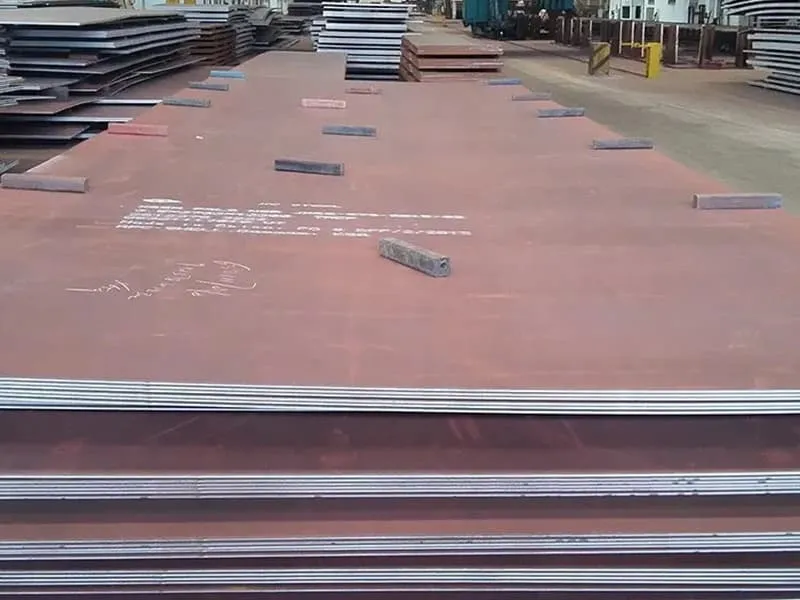
AH36 is the preferred steel grade for most shipbuilding plates due to its optimal balance of strength, weldability, and cost-effectiveness. For offshore platforms and specialized vessels, DH36 and EH36 gain preference based on environmental conditions, with grade selection depending on structural criticality and service temperature requirements.
Steel Grade Selection Guidelines
Preferred steel grade selection involves multiple factors including vessel type, operating environment, classification rules, and economic considerations. No single grade suits all applications.
Commercial Shipbuilding Preferences
Most commercial vessels use AH36 as their primary steel grade. Bulk carriers and container ships extensively use AH36 for hull construction. Oil tankers may use AH36 for less critical areas. The grade’s 355 MPa yield strength meets most structural requirements. Its good weldability simplifies construction and reduces costs. The widespread availability ensures supply chain reliability.
Offshore Platform Requirements
Offshore platforms often prefer higher toughness grades. DH36 serves as the baseline for most offshore structures. EH36 applies in splash zones and cold environment operations. The enhanced toughness prevents brittle fracture under dynamic loading. Higher strength grades like AH40 and DH40 appear in weight-critical applications. The selection follows specific design criteria and environmental conditions.
Specialized Vessel Considerations
Specialized vessels have unique grade preferences. Ice-class vessels require EH36 or equivalent grades. Liquefied gas carriers need fine-grained steels with strict composition controls. Naval vessels often use higher strength grades for weight reduction. Fishing vessels may use standard grades with corrosion protection. Each vessel type has established grade preferences based on operational experience.
Geographical and Environmental Factors
Operating region significantly influences grade selection. Tropical waters allow use of standard AH36 grades. Temperate regions often specify DH36 for enhanced toughness. Arctic operations mandate EH36 or special arctic grades. The minimum expected service temperature drives material choice. Environmental factors like wave loading and ice impact affect grade requirements.
Economic and Practical Considerations
Cost remains a significant factor in grade selection. AH36 offers the best cost-to-performance ratio for most applications. DH36 provides better properties with moderate cost increase. EH36 serves specialized needs with higher cost. Projects balance technical requirements with budget constraints. Availability and lead times also influence grade selection decisions.
Classification Society Influence
Classification societies provide guidelines for grade selection. ABS Rules specify minimum grades for different structural areas. BV Rules may have different requirements for similar applications. Society rules consider vessel type, size, and service. The chosen classification society affects grade preferences. Most societies accept equivalent grades from other recognized organizations.
Preferred Grade Application Guide
| Application | Preferred Grade | Alternative Grades | Key Consideration |
|---|---|---|---|
| Commercial Ship Hull | AH36 | DH36, AH32 | Cost-effectiveness |
| Offshore Platform | DH36 | EH36, AH36 | Toughness requirements |
| Arctic Vessel | EH36 | Special grades | Low temperature service |
| Naval Vessel | AH36/DH36 | Higher strength | Weight optimization |
| Standard Components | AH36 | Grade A, B | General purpose |
We assist clients in Thailand and Myanmar with grade selection. Their diverse projects require careful consideration of technical and economic factors.
Conclusion
ABS and BV certified steel plates both ensure quality but serve different market preferences. Understanding grade differences helps optimize material selection for specific projects and operating conditions.