
Walking through a busy shipyard in Vietnam, I noticed every steel plate being used was hot rolled. This manufacturing choice directly impacts shipbuilding efficiency and quality.
Shipyards prefer hot rolled marine steel plates for their cost-effectiveness, easier fabrication, and better structural performance. The hot rolling process creates plates with superior toughness, better weldability, and dimensional flexibility that cold rolled steel cannot match for large-scale ship construction projects.
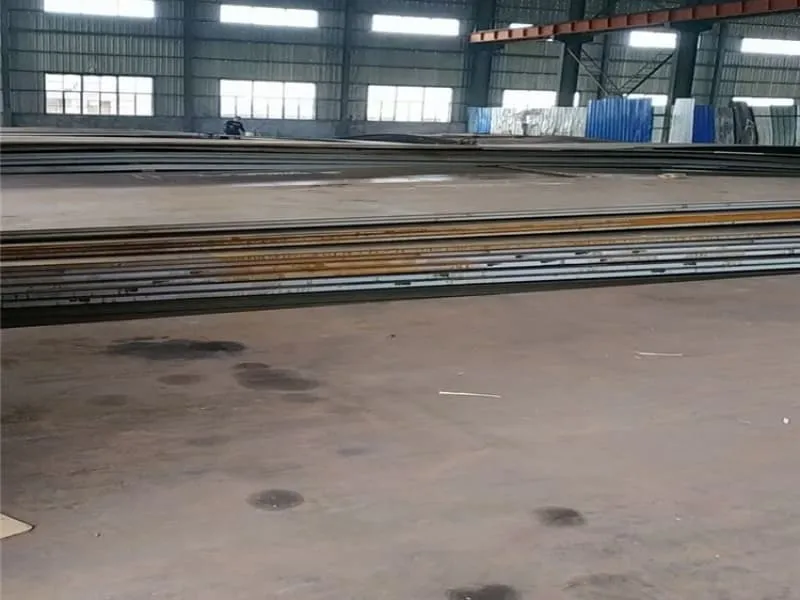
Understanding why hot rolled plates dominate shipbuilding helps make better material decisions. Let me explain the technical and practical reasons behind this preference.
What are the advantages of hot rolled steel?
A shipbuilder from Saudi Arabia once tried cold rolled steel for hull construction. The project faced unexpected challenges that highlighted hot rolled advantages.
Hot rolled steel offers lower production costs, better toughness and impact resistance, easier welding characteristics, and greater thickness availability. These advantages make it ideal for shipbuilding where large plates, structural integrity, and fabrication efficiency are paramount concerns in marine construction projects.

Comprehensive Benefits of Hot Rolled Steel
Hot rolled steel provides multiple advantages that specifically address shipbuilding requirements. Each benefit contributes to better vessels and more efficient construction.
Cost Effectiveness
Hot rolling has lower production costs than cold rolling. The process uses less energy because it works with heated steel. Fewer processing steps reduce manufacturing expenses. The efficiency translates to lower prices for shipyards. This cost advantage is significant for large projects requiring thousands of tons of steel. Shipbuilders can allocate saved funds to other project areas.
Superior Mechanical Properties
Hot rolled steel offers excellent toughness for marine applications. The controlled cooling process creates favorable microstructures. The steel maintains good ductility and formability. Impact resistance meets classification society requirements. These properties ensure structural reliability in harsh marine environments. Vessels withstand dynamic loads and wave impacts better.
Enhanced Weldability
The chemical composition of hot rolled steel supports better welding. Lower carbon equivalents reduce cracking risks. The material accepts common welding methods without special procedures. Weld joints maintain strength and toughness matching the base metal. This simplifies construction and reduces inspection requirements. Shipyards complete welding operations faster and more reliably.
Dimensional Flexibility
Hot rolling produces plates in wider thickness ranges. Shipbuilders can source plates from 6mm to 200mm thickness. The process creates larger single plates reducing joints in hull structures. Widths up to 4 meters are commonly available. Lengths can exceed 12 meters for some applications. This flexibility supports optimized structural design.
Surface and Scale Characteristics
The mill scale on hot rolled steel provides temporary corrosion protection. This scale prevents rust during storage and fabrication. The surface accepts various coating systems effectively. The slightly rough texture improves paint adhesion. Shipyards can delay final surface treatment until after fabrication. This flexibility improves project scheduling.
Production Efficiency
Hot rolling mills produce steel in large quantities consistently. The continuous process ensures stable quality across batches. Lead times are shorter due to higher production rates. Shipyards maintain steady construction progress without material delays. The reliable supply chain supports project planning and execution.
Hot Rolled Steel Advantage Analysis
| Advantage | Technical Basis | Shipbuilding Benefit |
|---|---|---|
| Cost Savings | Fewer processing steps | Lower project costs |
| Toughness | Controlled cooling | Better impact resistance |
| Weldability | Lower carbon equivalent | Faster construction |
| Thickness Range | Hot deformation capability | Design flexibility |
| Availability | High production volume | Reliable supply |
Our clients in Qatar and Philippines confirm these advantages in their shipbuilding operations. The consistent quality supports their production schedules and quality standards.
What is the main advantage of hot rolling over cold rolling?
A naval architect from Mexico compared both processes for a new vessel design. The structural requirements clearly favored hot rolling.
The main advantage of hot rolling over cold rolling is the preservation of steel’s inherent toughness and ductility. Hot working above recrystallization temperature prevents strain hardening, maintaining the material’s ability to absorb energy and deform plastically – crucial properties for ship structures facing dynamic ocean loads and impact scenarios.
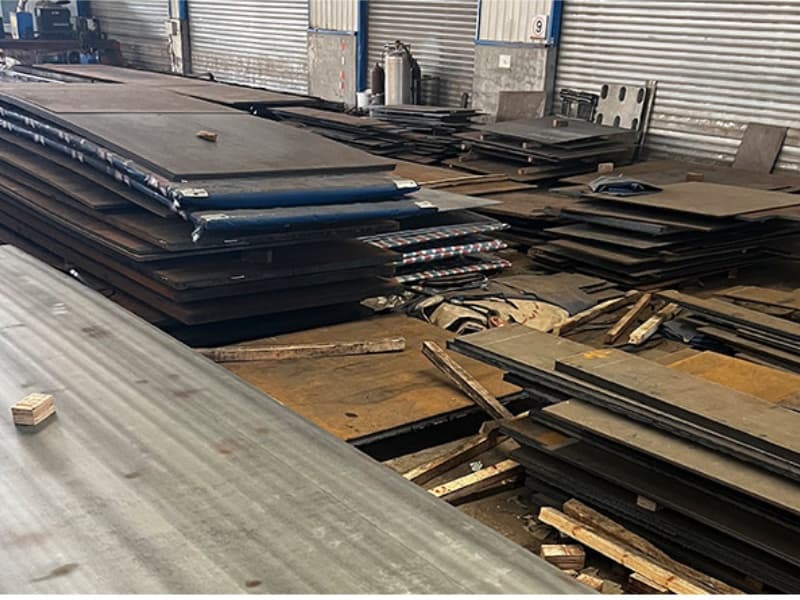
Fundamental Process Differences and Implications
The choice between hot and cold rolling involves fundamental metallurgical differences that significantly affect material performance in marine applications.
Metallurgical Structure Preservation
Hot rolling occurs above the steel’s recrystallization temperature. This temperature typically exceeds 1000°C for carbon steels. The high temperature allows simultaneous deformation and recrystallization. The process refines grain structure without introducing residual stresses. The resulting material has balanced strength and toughness. This balance is essential for marine structural integrity.
Strain Hardening Avoidance
Cold rolling works at room temperature where recrystallization cannot occur. The deformation causes strain hardening through dislocation multiplication. This increases strength but reduces ductility significantly. The material becomes more brittle and prone to cracking. For ship plates, this tradeoff is generally unacceptable given the toughness requirements.
Energy Absorption Capability
Hot rolled steel maintains superior energy absorption characteristics. The material can deform plastically under impact loads. This plastic deformation absorbs energy that would otherwise cause fracture. Cold rolled steel has limited plastic deformation capacity due to strain hardening. In collision or grounding scenarios, this difference becomes critically important.
Fabrication Flexibility
Hot rolled plates accommodate various fabrication processes better. They can be bent and formed without cracking risks. The material withstands thermal cutting and welding well. Cold rolled steel may require stress relief after fabrication. The additional processing increases costs and complicates shipyard operations.
Thickness and Size Limitations
Hot rolling can produce much thicker plates than cold rolling. Cold rolling practical limits typically end around 6mm thickness. Hot rolling regularly produces plates exceeding 100mm thickness. The size capability matches shipbuilding requirements for hull plates and structural members. Cold rolling cannot meet these dimensional needs.
Cost and Production Efficiency
Hot rolling is more efficient for large, thick products. The process handles heavy reductions in single passes. Production rates are higher for equivalent equipment size. Cold rolling requires multiple passes for significant thickness reduction. The slower process increases costs, especially for thick sections.
Process Comparison Table
| Parameter | Hot Rolling | Cold Rolling | Marine Significance |
|---|---|---|---|
| Temperature | >1000°C | Room temperature | Toughness preservation |
| Grain Structure | Refined, equiaxed | Elongated, stressed | Crack resistance |
| Ductility | High | Reduced | Impact performance |
| Thickness Range | 6-200mm | 0.5-6mm | Structural suitability |
| Residual Stress | Low | High | Dimensional stability |
Shipyards in Thailand and Malaysia consistently choose hot rolled plates for these fundamental advantages. Their experience confirms the technical superiority for marine applications.
What’s better, hot rolled or cold rolled steel?
A project manager from Romania faced this decision for offshore platform components. The service conditions dictated the optimal choice.
Hot rolled steel is better for shipbuilding and structural applications requiring toughness and impact resistance, while cold rolled steel suits precision components needing tight tolerances and smooth surfaces. For marine plates, hot rolled steel’s superior mechanical properties and fabrication characteristics make it the clearly better choice for hull construction and primary structures.
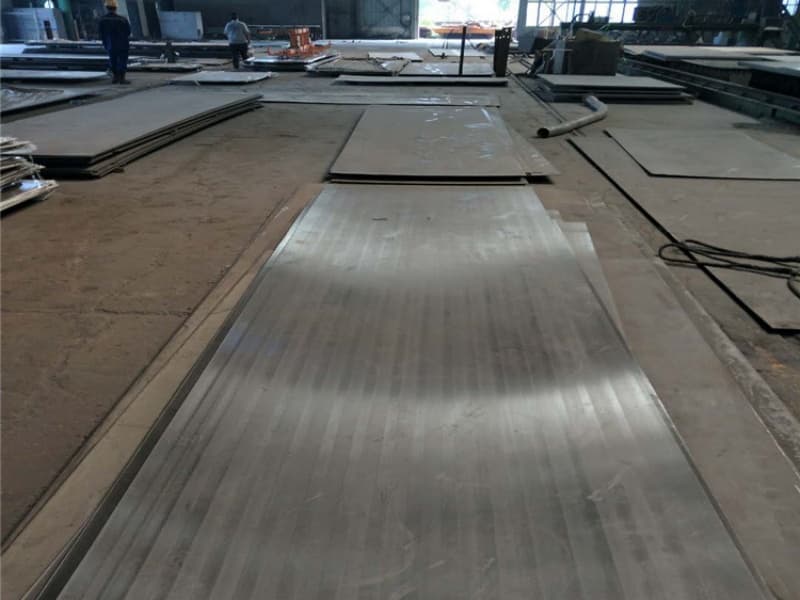
Application-Based Material Selection
The "better" material depends entirely on the application requirements. Shipbuilding has specific needs that favor hot rolled steel for most components.
Structural Performance Requirements
Ship structures demand high toughness and impact resistance. Hot rolled steel provides these properties naturally through its manufacturing process. The material withstands dynamic wave loading and accidental impacts. Cold rolled steel offers higher strength but lower toughness. This tradeoff is unacceptable for primary ship structures where safety is paramount.
Fabrication Considerations
Shipbuilding involves extensive cutting, welding, and forming operations. Hot rolled steel performs better in all these processes. Welding hot rolled steel requires fewer precautions and produces higher quality joints. Thermal cutting doesn’t affect the material properties significantly. Cold forming operations work effectively with hot rolled material’s good ductility.
Environmental Performance
Marine environments subject materials to corrosion and fatigue. Hot rolled steel’s homogeneous structure resists corrosion penetration better. The material handles cyclic loading without developing surface cracks. Coatings adhere well to the slightly rough hot rolled surface. These characteristics ensure long service life in harsh conditions.
Economic Factors
Hot rolled steel costs less than cold rolled steel for equivalent thickness. The price difference can reach 20-30% for some grades. Shipbuilding projects use massive quantities of steel, making cost differences significant. The economic advantage allows better budget allocation across the entire project.
Availability and Logistics
Hot rolled plates are available in sizes matching shipbuilding needs. Mills produce standard sizes that minimize waste in cutting operations. The supply chain for hot rolled steel is well-established worldwide. Cold rolled steel has more limited size availability, especially for thicker sections.
Quality and Consistency
Modern hot rolling mills produce material with excellent consistency. Automated controls maintain tight dimensional tolerances. Chemical composition varies minimally within heats and between batches. This consistency supports efficient shipyard operations and predictable outcomes.
Application-Specific Recommendations
| Application | Recommended Material | Reason |
|---|---|---|
| Ship Hull Plates | Hot rolled steel | Toughness, weldability |
| Deck Structures | Hot rolled steel | Impact resistance |
| Interior Joinery | Cold rolled steel | Surface finish |
| Equipment Bases | Hot rolled steel | Strength, durability |
| Piping Systems | Both depending on service | Pressure requirements |
Our clients in Pakistan and Myanmar make these distinctions in their material selections. Their successful projects demonstrate the importance of choosing the right material for each application.
Which is better, CR or HR?
A fabrication shop in Saudi Arabia used both CR and HR steel interchangeably until quality issues arose. The experience taught them proper application matching.
HR (hot rolled) steel is better for structural shipbuilding applications requiring toughness and impact resistance, while CR (cold rolled) steel suits precision components needing tight tolerances and smooth surfaces. For marine plates and primary structures, HR steel’s mechanical properties and fabrication characteristics make it the superior choice.
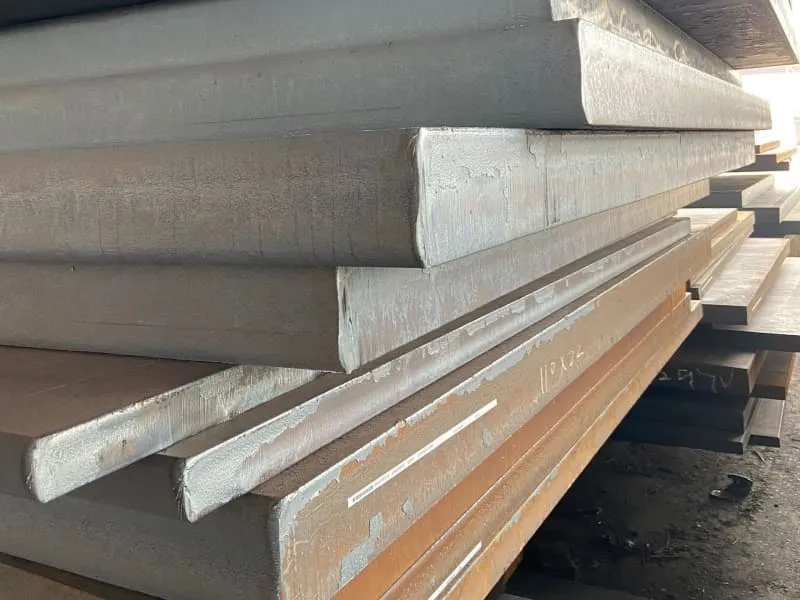
Detailed HR vs CR Analysis for Marine Applications
The HR vs CR decision involves multiple technical factors that affect vessel performance, construction efficiency, and lifecycle costs.
Mechanical Property Differences
HR steel typically has yield strength ranging from 235 MPa to 355 MPa for marine grades. CR steel can achieve yield strengths from 280 MPa to 550 MPa through work hardening. However, HR steel maintains much better elongation values, typically 20-25% compared to 1-5% for CR steel. This ductility difference is critical for marine structures facing dynamic loads.
Microstructural Characteristics
HR steel has an equiaxed ferrite-pearlite structure with minimal residual stress. The grains are relatively uniform in size and distribution. CR steel shows elongated grains with high dislocation density. The microstructure contains significant residual stresses from cold working. These differences affect corrosion resistance and fatigue performance.
Fabrication and Welding Performance
HR steel welds easily with common processes like SMAW, GMAW, and FCAW. Preheating is rarely required except for very thick sections. CR steel welding may require special procedures to address the hardened structure. Post-weld heat treatment might be necessary to relieve stresses. The simpler welding of HR steel reduces construction time and costs.
Dimensional Capabilities
HR plates are available in thicknesses from 6mm to over 200mm. Widths can reach 4 meters with lengths exceeding 12 meters. CR steel typically maxes out at 6mm thickness with more limited width and length options. The size limitations of CR steel make it unsuitable for primary hull structures in shipbuilding.
Surface Quality and Treatment
HR steel has a characteristic mill scale surface that provides temporary corrosion protection. The surface accepts various coating systems effectively after proper preparation. CR steel has a smooth, clean surface ready for painting without scale removal. However, the smooth surface may show fabrication marks more visibly.
Cost and Availability Factors
HR steel costs 15-30% less than equivalent CR steel on a weight basis. The price difference increases with thickness since CR processing becomes less efficient. HR steel has better availability in the large quantities required for shipbuilding. Lead times are generally shorter for HR steel, supporting tight project schedules.
Lifecycle Considerations
HR steel structures typically have longer service lives in marine environments. The material withstands corrosion and fatigue loading better. Maintenance requirements are similar for properly coated structures. Replacement and repair operations are simpler with HR steel due to its welding characteristics.
HR vs CR Comprehensive Comparison
| Parameter | HR Steel | CR Steel | Marine Application Impact |
|---|---|---|---|
| Yield Strength | 235-355 MPa | 280-550 MPa | Structural design |
| Elongation | 20-25% | 1-5% | Impact resistance |
| Weldability | Excellent | Requires care | Construction efficiency |
| Maximum Thickness | 200mm+ | 6mm | Structural capability |
| Surface Condition | Mill scale | Smooth | Coating preparation |
| Cost Factor | Base | +15-30% | Project budget |
Shipyards in Vietnam and Mexico consistently choose HR steel for their primary structures. Their operational experience confirms the technical and economic advantages for shipbuilding applications.
Conclusion
Hot rolled marine steel plates remain the preferred choice for shipbuilding due to their optimal combination of toughness, weldability, and cost-effectiveness. These advantages directly support efficient construction and reliable vessel performance.