
I recently visited a shipyard in Vietnam where incorrect plate sizing caused construction delays. Choosing the right dimensions is crucial for efficient shipbuilding.
Selecting marine steel plate sizes involves considering vessel type, classification society rules, structural location, and fabrication requirements. The right plate dimensions optimize material usage, reduce welding costs, and ensure structural integrity while meeting specific vessel design and operational needs.
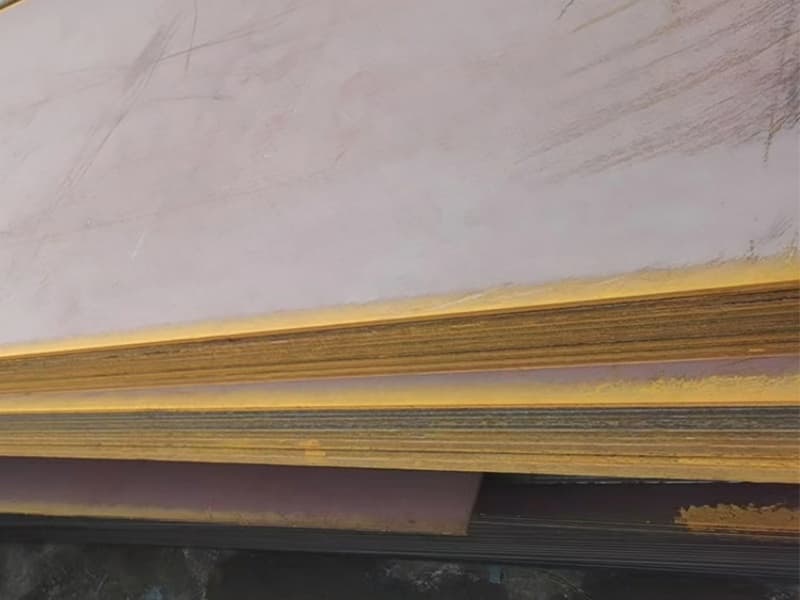
Proper plate selection affects construction efficiency, vessel performance, and lifecycle costs. Let me guide you through the key considerations for optimal sizing decisions.
How to select plate thickness?
A ship designer from Saudi Arabia struggled with thickness selection for their new tanker project. The classification society rules provided clear guidance.
Plate thickness selection depends on vessel size, structural location, design pressures, and classification society requirements. Bottom plates typically range from 15-30mm, side shells 12-22mm, and deck plates 10-20mm, with specific calculations considering corrosion allowance and fatigue life for each structural area.

Comprehensive Thickness Selection Methodology
Choosing the right plate thickness involves balancing structural requirements, weight considerations, and fabrication practicalities. Each factor contributes to the final decision.
Classification Society Rules
Classification societies provide detailed formulas for thickness calculation. ABS Rules specify minimum thickness based on frame spacing and design pressure. DNV standards consider additional factors like vessel service notation. LR rules include specific requirements for different vessel types. These calculations ensure structural adequacy for intended service conditions.
Structural Location Considerations
Different hull areas experience varying stress levels. Bottom plating withstands water pressure and wave impacts. Side shells handle lateral pressures and docking loads. Deck plates carry cargo weights and equipment loads. Each location requires specific thickness calculations based on its unique loading conditions and importance to overall structural integrity.
Design Pressure Calculations
The primary factor in thickness selection is design pressure. This pressure combines static and dynamic water pressures. Wave impact factors increase the design pressure for certain areas. Cargo loading affects deck plate requirements. The thickness must withstand these pressures with adequate safety margins while maintaining watertight integrity.
Corrosion Allowance Requirements
Marine plates include extra thickness for corrosion wastage. Classification societies specify minimum corrosion allowances. Typical values range from 1.0mm to 3.0mm depending on location. The allowance ensures the structure maintains strength throughout its design life. This additional thickness compensates for expected metal loss in corrosive marine environments.
Fabrication and Welding Considerations
Thicker plates require different fabrication approaches. Welding procedures must accommodate the increased thickness. Preheat requirements may apply for thicker sections. Cutting and forming operations become more challenging with increasing thickness. The selection balances structural needs with practical fabrication capabilities.
Weight Optimization
Thickness directly affects vessel weight and stability. Excessive thickness increases steel weight unnecessarily. This reduces cargo capacity and increases fuel consumption. Optimal thickness selection maximizes payload while maintaining safety. Modern designs use varying thickness to optimize weight distribution.
Plate Thickness Selection Guidelines
| Hull Area | Typical Thickness Range | Key Factors | Special Considerations |
|---|---|---|---|
| Bottom Shell | 15-30mm | Water pressure, wave impact | Increased corrosion allowance |
| Side Shell | 12-22mm | Docking loads, wave slap | Impact resistance |
| Main Deck | 10-20mm | Cargo loads, equipment weight | Local reinforcement areas |
| Bulkheads | 8-16mm | Watertight integrity | Stiffener spacing |
| Superstructure | 6-12mm | Weight optimization | Vibration resistance |
Our technical team helps clients in Qatar and Philippines with thickness selection. Their vessel designs achieve optimal balance between strength, weight, and cost.
How to specify steel plate dimensions?
A shipyard in Mexico wasted material due to poor dimension specification. Learning proper specification methods improved their material utilization significantly.
Steel plate dimensions should specify length, width, thickness, tolerance class, and edge condition. Standard mill sizes optimize cost and availability, while custom dimensions require consideration of rolling limitations, transportation constraints, and fabrication efficiency to minimize waste and reduce welding requirements.
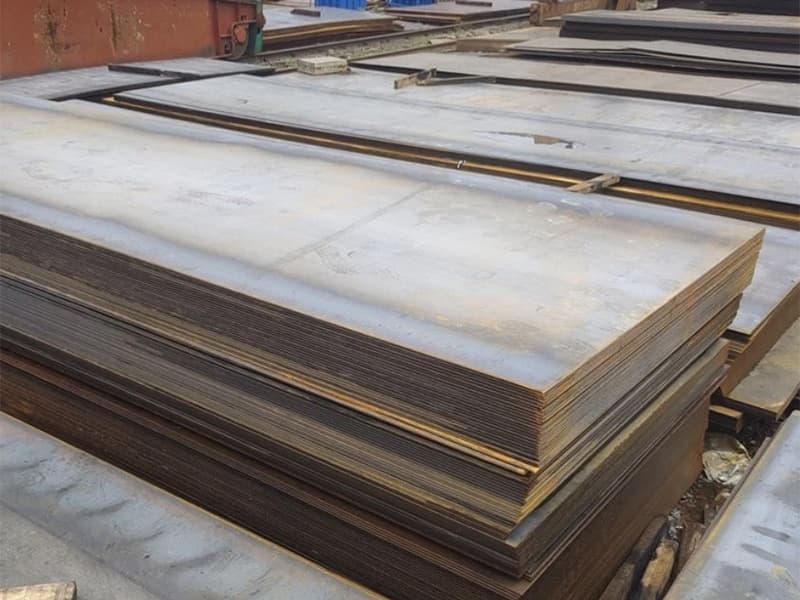
Effective Dimension Specification Practices
Proper dimension specification ensures material availability, minimizes waste, and supports efficient fabrication. Several factors influence the optimal dimension selection.
Standard Mill Sizes Utilization
Mills produce plates in standard width and length combinations. Common widths include 1500mm, 2000mm, 2500mm, and 3000mm. Standard lengths typically range from 6000mm to 12000mm. Using standard sizes reduces costs and shortens lead times. The selection should maximize utilization from available standard dimensions.
Cutting Optimization Considerations
Dimension specification should consider nesting efficiency. The chosen sizes should minimize scrap during cutting operations. Rectangular shapes generally provide better utilization than complex shapes. Standard dimensions often allow better nesting than custom sizes. Planning the cutting pattern before ordering improves material efficiency.
Transportation and Handling Limitations
Plate dimensions affect transportation feasibility. Road transport limits maximum width to about 3000mm. Weight restrictions may apply for very thick plates. Handling equipment capacity influences maximum plate weight. The specified dimensions must accommodate these practical limitations throughout the supply chain.
Fabrication Requirements
Welding considerations influence dimension specification. Larger plates reduce the number of welds in the structure. This improves construction efficiency and reduces inspection requirements. However, very large plates may be difficult to handle in the fabrication shop. The optimal size balances these competing factors.
Tolerance Specifications
Dimension tolerances must be clearly specified. Thickness tolerances follow international standards like EN 10029. Length and width tolerances depend on the cutting method. The tolerance class affects cost and should match application requirements. Tighter tolerances increase material costs but may reduce fabrication time.
Edge Condition Requirements
Plate edges may require specific preparation. Sheared edges work for most applications. Machined edges provide better fit-up for critical joints. The edge condition specification affects both cost and fabrication efficiency. The requirement should match the joint design and welding procedure.
Dimension Specification Elements
| Specification Element | Options | Considerations |
|---|---|---|
| Thickness | 6-100mm+ | Structural requirements |
| Width | 1500-4000mm | Mill capabilities |
| Length | 3000-12000mm | Transportation limits |
| Tolerance Class | Standard, special | Application needs |
| Edge Condition | As-rolled, sheared, machined | Fabrication method |
| Flatness | Standard, improved | Assembly requirements |
We assist clients in Thailand and Romania with dimension specification. Their projects achieve better material utilization and lower fabrication costs through proper planning.
Is a 3mm steel plate strong?
A boat builder from Pakistan considered using 3mm plate for a small vessel. The thickness proved inadequate for marine structural applications.
A 3mm steel plate has limited strength for marine structural applications. While suitable for non-structural components and small boats, it lacks the thickness required for hull plating in seagoing vessels where typical bottom plates start at 10mm and classification societies rarely approve below 6mm for any primary structural members.
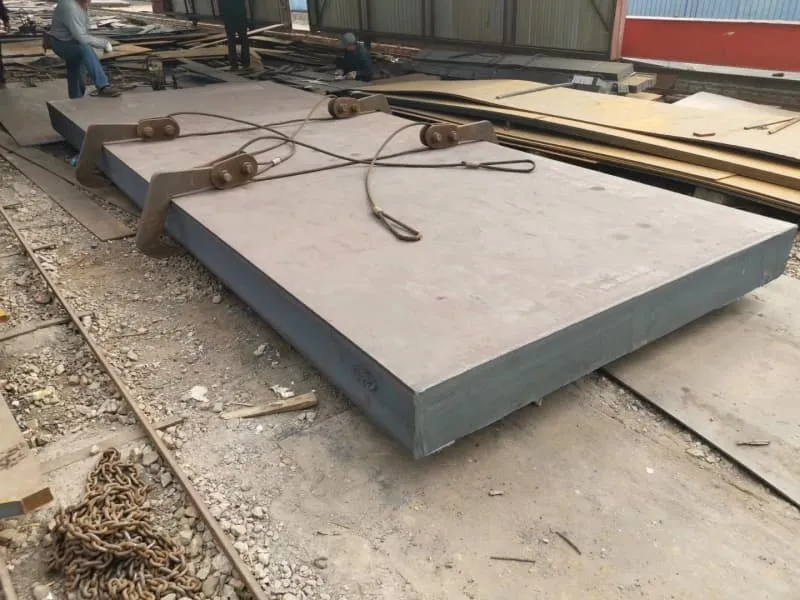
Understanding Plate Strength Limitations
The strength of a steel plate depends on multiple factors beyond just thickness. Understanding these factors helps assess suitability for marine applications.
Structural Capacity Analysis
A 3mm plate has very limited bending strength. The section modulus decreases with the square of thickness reduction. This means a 10mm plate has approximately 11 times the bending strength of a 3mm plate. The thin section cannot develop significant membrane stress. Local deformation occurs under minimal loading conditions.
Classification Society Requirements
Major classification societies set minimum thickness requirements. ABS Rules typically require minimum 6mm thickness for hull plating. DNV standards may allow 5mm in specific limited applications. These minimums ensure adequate corrosion allowance and structural integrity. Thinner plates cannot meet these fundamental requirements.
Corrosion Considerations
Marine environments cause significant metal loss over time. A 3mm plate would lose its structural capacity quickly. Typical corrosion rates in seawater range from 0.1mm to 0.3mm per year. The plate would become dangerously thin within a few years. Classification societies require corrosion allowances that exclude very thin plates.
Fabrication Challenges
Thin plates present significant fabrication difficulties. Welding distortion becomes severe with thin sections. Heat input must be carefully controlled to prevent burn-through. The plates lack rigidity for handling and assembly. These practical issues make thin plates unsuitable for ship construction.
Impact Resistance
Thin plates have poor impact resistance. They dent easily from minor collisions. The material cannot absorb significant energy before failing. Marine structures require robustness against accidental impacts. Thicker plates provide the necessary damage tolerance.
Alternative Applications
While unsuitable for primary structure, 3mm plates serve in secondary applications. They work for non-structural partitions and linings. Light covers and access panels may use thin material. The key is recognizing the limitation for load-bearing applications.
Strength Comparison by Thickness
| Plate Thickness | Typical Applications | Structural Limitations | Marine Suitability |
|---|---|---|---|
| 3mm | Non-structural, small craft | Very low strength | Poor |
| 6mm | Small boat hulls, secondary structure | Limited capacity | Limited |
| 10mm | Small vessel hull plating | Moderate strength | Good for small craft |
| 15mm | Medium vessel structure | Good strength | Standard |
| 20mm | Large vessel hull | High strength | Excellent |
Our clients in Malaysia and Myanmar understand these limitations from experience. They select appropriate thickness based on vessel size and service requirements.
What steel is used for ship hulls?
A new shipowner from Saudi Arabia asked about hull steel specifications. The answer involves both material grades and quality requirements.
Ship hulls primarily use AH36, DH36, and EH36 marine grade steel plates with classification society certification. These grades offer 355 MPa yield strength with varying toughness levels – AH36 for general use, DH36 for colder waters, and EH36 for arctic service, all featuring enhanced corrosion resistance and proven weldability for marine construction.
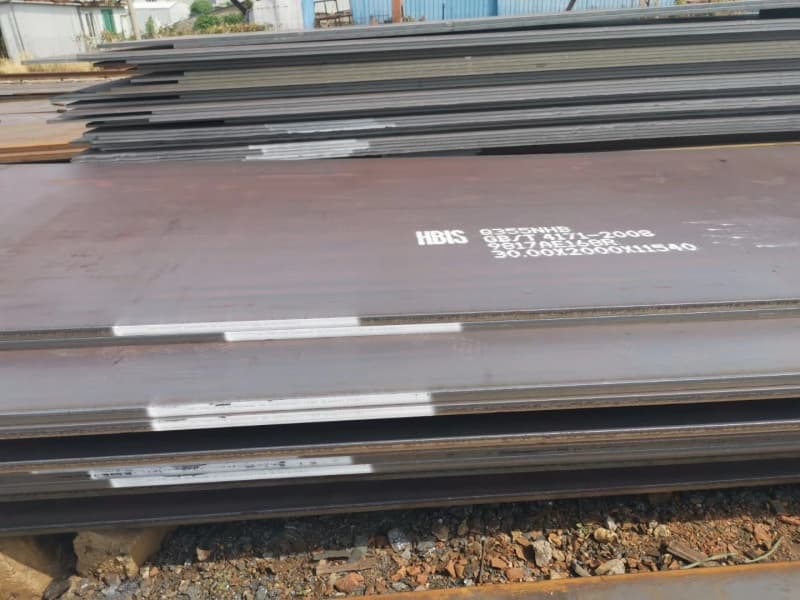
Comprehensive Hull Steel Selection
Ship hull steel selection involves multiple considerations including mechanical properties, corrosion resistance, fabrication characteristics, and regulatory compliance.
Grade AH36 – The Standard Choice
AH36 serves as the workhorse grade for most commercial vessels. It offers 355 MPa minimum yield strength with adequate toughness. The grade undergoes impact testing at 0°C temperature. It provides good balance between cost and performance. Most ship hulls use AH36 for the majority of structural components. The grade meets requirements for tropical and temperate waters.
Grade DH36 – Enhanced Toughness
DH36 provides better low-temperature toughness than AH36. The impact testing occurs at -20°C instead of 0°C. This makes it suitable for vessels operating in colder waters. The mechanical strength remains identical to AH36. The improved toughness comes from tighter composition control. Many owners specify DH36 for enhanced safety margins.
Grade EH36 – Maximum Toughness
EH36 offers the highest toughness among standard hull steels. Impact testing takes place at -40°C temperature. This grade is essential for arctic and ice-class vessels. The material withstands extreme low temperatures without brittle fracture. While strength remains at 355 MPa, the production requires more careful processing. The cost premium is justified for specific service conditions.
Chemical Composition Requirements
Hull steels maintain strict chemical limits. Carbon content typically ranges from 0.14% to 0.18%. Manganese levels vary from 0.90% to 1.60% depending on grade. Silicon content usually stays below 0.50%. Phosphorus and sulfur maintain very low levels below 0.035%. These controls ensure good weldability and toughness.
Manufacturing Process Controls
Hull steel production involves specific processes. Thermomechanical controlled processing creates fine grain structures. Accelerated cooling enhances strength and toughness. Normalizing heat treatment may apply for certain applications. Each production step undergoes rigorous quality verification. The process ensures consistent properties throughout the plates.
Certification and Traceability
All hull steels require classification society approval. ABS, DNV, LR, and BV are the main certifying organizations. Mill test certificates document all properties and tests. Heat numbers provide complete traceability. The certification process ensures compliance with international standards.
Hull Steel Grade Applications
| Grade | Impact Test Temperature | Typical Applications | Geographical Suitability |
|---|---|---|---|
| AH36 | 0°C | General cargo ships, tankers | Tropical, temperate waters |
| DH36 | -20°C | Container ships, offshore | Colder temperate waters |
| EH36 | -40°C | Ice-class vessels, arctic | Polar waters |
| Higher Grades | Varies | Special applications | Specific requirements |
We supply all these grades to shipyards across our export markets. Clients in Vietnam and Philippines select grades based on their operational routes and environmental conditions.
Conclusion
Choosing the right marine steel plate size involves balancing structural requirements, fabrication efficiency, and classification rules. Proper selection ensures vessel safety, construction efficiency, and operational reliability.