
Choosing the wrong bulb flat steel profile can weaken a ship’s frame and waste money. I have seen projects delayed because of incorrect dimension specifications. Understanding the HP series from 80 to 430 is essential for any marine structural design and procurement.
Bulb flat steel, also known as bulb plate, is a specialized steel profile with a flat web and a rounded bulb at one edge. The dimensions are standardized in series like HP80 to HP430, where the number indicates the approximate section height in millimeters. This profile offers high section modulus and strength for ship stiffeners.

The world of marine profiles has its own language. Terms like HP, T5, T8, and T12 are common but often misunderstood. This guide will explain bulb flat dimensions clearly. We will also address common confusion with lighting bulb terms that share similar names.
What is a bulb flat1?
Shipbuilders and naval architects constantly look for ways to build stronger, lighter vessels. The bulb flat1 profile is a key part of this effort. But many new buyers see it as just a strange-shaped piece of metal.
A bulb flat1 is a long steel bar with a flat section (the web) and a solid, rounded protrusion (the bulb) along one edge. It is used primarily as a stiffener in shipbuilding2. The bulb adds strength and stability to the web, making it very efficient at resisting bending forces.
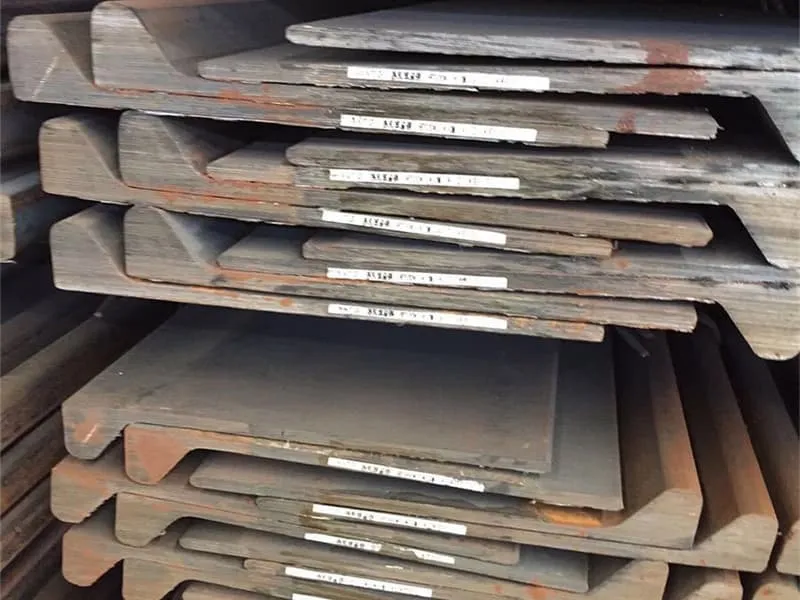
The Anatomy and Advantage of Bulb Flat Steel
To understand why bulb flat1s are used, we must look at their design and compare them to other common structural shapes.
Key Parts of a Bulb Flat
Every bulb flat1 has three main parts:
- The Web: This is the vertical flat section. Its height is a major factor in the profile’s strength. The thickness of the web is important for shear resistance3.
- The Bulb: This is the rounded, thickened end. It acts like a small flange. The bulb increases the moment of inertia. This means it greatly improves the section’s resistance to bending without adding much width.
- The Toe (or Edge): The end of the web opposite the bulb. This is usually the side welded to the ship’s plate.
Why Use a Bulb Flat Instead of an Angle Bar?
This is a common question from fabricators. Both are used as stiffeners, but the bulb flat1 has distinct advantages.
| Feature | Bulb Flat (e.g., HP200) | Equal Leg Angle Bar (e.g., 200x200x12) |
|---|---|---|
| Cross-Section Shape | Flat web + round bulb. | Two equal legs forming a 90-degree angle. |
| Section Modulus | Very high for its weight. The bulb puts material far from the neutral axis. | Lower than a bulb flat1 of similar weight and height. |
| Strength-to-Weight Ratio | Excellent. Provides more strength per kilogram of steel. | Good, but less efficient than a bulb flat1. |
| Connection to Plate | Clean, single welding line along the web’s toe. | Requires welding along two legs, which uses more weld material and time. |
| Typical Primary Use | Primary and secondary stiffeners in ship hulls, decks, and bulkheads. | Secondary framing, brackets, and supports in ships and construction. |
The "HP" Dimension System
Bulb flats are categorized by the "HP" series. HP stands for "Holland Profile," named after the Dutch company that helped pioneer their standardization.
- The number after "HP" (like 80, 100, 120, 140, 160, 180, 200, 220, 240, 260, 280, 300, 320, 350, 380, 400, 430) indicates the nominal overall height of the profile in millimeters. An HP200 has a total height of about 200mm.
- Each HP size has standardized dimensions for web height, web thickness, bulb height, and bulb thickness. These are governed by international standards like ISO 19020.
- For example, a common marine grade bulb flat4t](https://cnmarinesteel.com/bulb-flat-steel-vs-angle-steel-which-one-to-choose-for-shipbuilding/)[^1] would be specified as: HP200 x 10, meaning an HP200 profile with a web thickness of 10mm.
For our clients who are project contractors, this efficiency is crucial. Using HP series5 bulb flat1s allows them to design lighter ship structures. This means better cargo capacity and fuel efficiency. When Gulf Metal Solutions orders marine angle steel from us, they often also inquire about bulb flat1s for their more demanding projects. They need the precise dimensions and material certificates to ensure structural calculations are correct.
What does T5, T8, and T121 mean?
In my conversations with global buyers, I often hear "T5 bulb flats." This creates immediate confusion because T5, T8, and T121 are lighting terms, not steel terms. Clearing this up saves a lot of time and prevents serious specification errors.
T5, T8, and T121 refer to the diameter of fluorescent lighting tubes, measured in eighths of an inch. T5 means "Tubular, 5/8 inch diameter." T8 is 1 inch (8/8"), and T12 is 1.5 inches (12/8"). These terms are not used to describe bulb flat steel dimensions2 or grades.
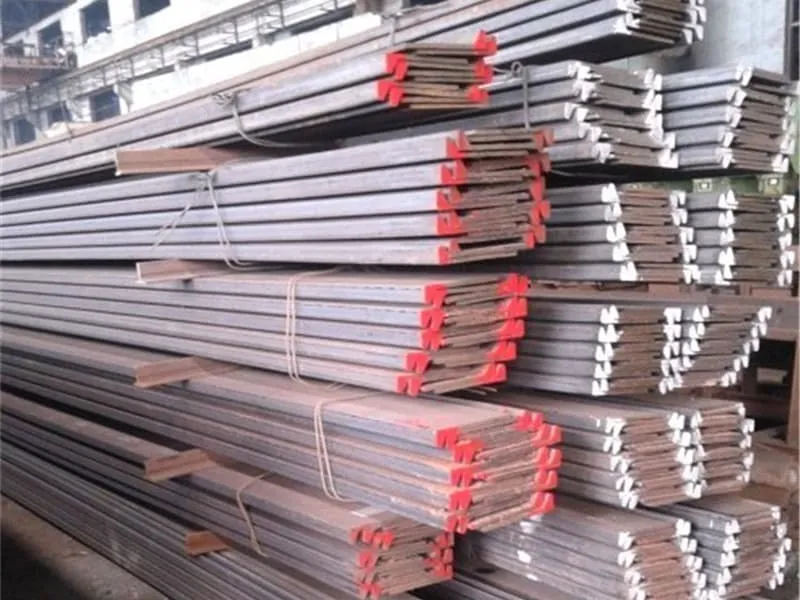
The World of Tubular Lighting vs. Steel Profiles
The mix-up is understandable. Both fields use the word "bulb." But in engineering, precision with terms is critical. Let’s fully explain the lighting system and contrast it with steel nomenclature.
The Fluorescent Tube Naming System3
This system is simple and historical.
- The "T": Stands for "Tubular." It indicates the shape of the lamp.
- The Number: Indicates the tube’s diameter in eighths of an inch.
- T5: Diameter = 5/8 inch ≈ 15.9 mm
- T8: Diameter = 8/8 inch = 1 inch ≈ 25.4 mm
- T12: Diameter = 12/8 inch = 1.5 inches ≈ 38.1 mm
| Key Characteristics of Each Tube Type | Tube Type | Diameter | Typical Length | Main Features & Use |
|---|---|---|---|---|
| T5 | 15.9 mm | Shorter (e.g., 563mm, 863mm) | High-efficiency, modern. Often used with electronic ballasts. Common in office lighting, retail displays. | |
| T8 | 25.4 mm | Standard (e.g., 2ft, 4ft, 5ft, 8ft) | The most common general-purpose fluorescent tube. Works with magnetic or electronic ballasts. | |
| T12 | 38.1 mm | Standard (similar to T8) | Older, less efficient technology. Thicker and uses more energy. Being phased out. |
Why This Matters for Steel Buyers
A buyer searching for "T5 steel" is likely making a mistake. Here is what they probably mean and what they should search for instead:
- Possible Mistake 1: They want a thin or small profile. They might actually need a small bulb flat like HP80 or HP100, or a thin marine plate.
- Possible Mistake 2: They are confusing it with a steel grade or standard. For example, "T5" could be a mishearing of "T5 temper4" in aluminum, or a reference to a tool steel grade, which is irrelevant for marine structural steel5.
- Possible Mistake 3: It’s a simple translation error from their native language.
The Correct Terminology for Steel
In marine steel, we use:
- HP Series6: For bulb flat dimensions (HP200, HP300).
- Grade: For material properties (AH32, DH36, EH40).
- Thickness: Measured in millimeters (mm) for plates, or as part of the profile call-out (HP200x10).
When a new client from the Philippines once asked for "T5 bulb steel for ship stiffeners," we immediately clarified the terms. We asked for a drawing or the HP dimension they needed. This prevented them from ordering the wrong material. Good communication starts with a shared vocabulary. This is why we assign English-speaking sales reps, to eliminate such misunderstandings from the first contact.
What happens if I put a T12 bulb in a T8 fixture?
This question comes from the lighting world, not from steel. But it highlights a universal engineering principle: compatibility matters. Forcing incompatible parts together leads to problems, whether in a light fixture or a ship’s structure.
Putting a T12 fluorescent tube into a T8 fixture is physically possible but not electrically safe or efficient. The T12 tube likely won’t start properly with a T8 ballast. Even if it lights, it will operate incorrectly, causing poor performance, rapid failure of the tube or ballast, and a potential fire hazard.
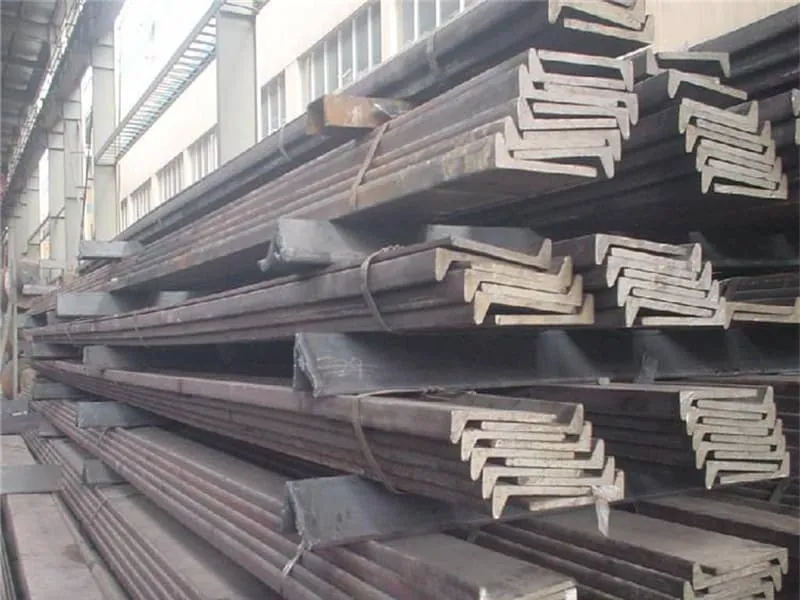
The Physics of Incompatibility: A Systems Approach
A lighting fixture is a system. The ballast, the socket, and the tube are designed to work together. Swapping parts from different systems breaks this design.
The Role of the Ballast
The ballast is the heart of a fluorescent light. It provides the high voltage to start the arc and then limits the current to the tube.
- T8 Electronic Ballast: Designed to deliver the specific starting voltage and operating current for a T8 tube.
- T12 Magnetic Ballast (older): Designed for the different electrical requirements of a T12 tube.
Consequences of the Mismatch
- Starting Problems: A T8 ballast may not provide enough voltage to reliably start the thicker T12 tube. You will see the tube flicker, struggle to light, or not light at all.
- Incorrect Operation: If it does start, the tube will run at the wrong current. A T12 tube run on a T8 ballast will operate underpowered. This leads to:
- Dim Light: The tube will not reach its full brightness.
- Unstable Arc: The light may flicker or have a swirling pattern.
- Premature Tube Failure: Running outside its designed parameters stresses the tube’s electrodes, shortening its life.
- Ballast Overstress and Failure: The ballast is trying to drive a load it is not designed for. This can cause the ballast to overheat. Overheating is the primary cause of ballast failure and a leading cause of electrical fires in lighting systems.
- Physical Fit Issues: While the pins are the same (bi-pin for common sizes), the T12 tube is thicker. It might not fit snugly in the T8 fixture’s clips or diffuser, creating a physical instability.
The Steel Industry Parallel: Material Substitution
The core lesson applies directly to our business: Do not substitute materials without engineering approval.
- Putting a T12 tube in a T8 fixture is like using a Grade A steel where Grade AH32 is specified.
- Both might "fit" physically, but their performance characteristics are different.
- The weaker Grade A steel may bend or fail under the load the structure was designed for, just as the T12 tube fails to perform in the T8 system.
A Real-World Example from Shipbuilding
A shipyard might be tempted to use a more readily available HP200x9 bulb flat instead of the specified HP200x10. The height is the same, so it "fits."
- However, the 1mm reduction in web thickness decreases the section modulus and shear capacity.
- During classification society inspection, this deviation would be caught. It would require a design review or replacement of the material, causing delays and cost overruns.
- This is why mills provide Mill Test Certificates (MTCs) for each batch. The certificate proves the dimensions and grades match the order exactly. Our clients, like the project contractors in Qatar, rely on these certificates for their own compliance.
The principle is simple: systems are designed as a whole. Changing one component without understanding its interaction with the whole system invites failure.
Are T5 and T8 banned?
This is a frequent question with a nuanced answer. The ban targets inefficient lighting technologies, not specific tube diameters like T5 or T8 themselves. The focus is on the ballast technology and the overall energy efficiency of the system.
T5 and T8 fluorescent tubes themselves are not globally banned. However, regulations in many regions (like the EU, UK, and US) have banned the older, less efficient magnetic ballasts that drive them. The sale of specific inefficient tube types, particularly T12 tubes, is widely banned. High-efficiency T5 and T8 tubes with electronic ballasts remain legal and common.
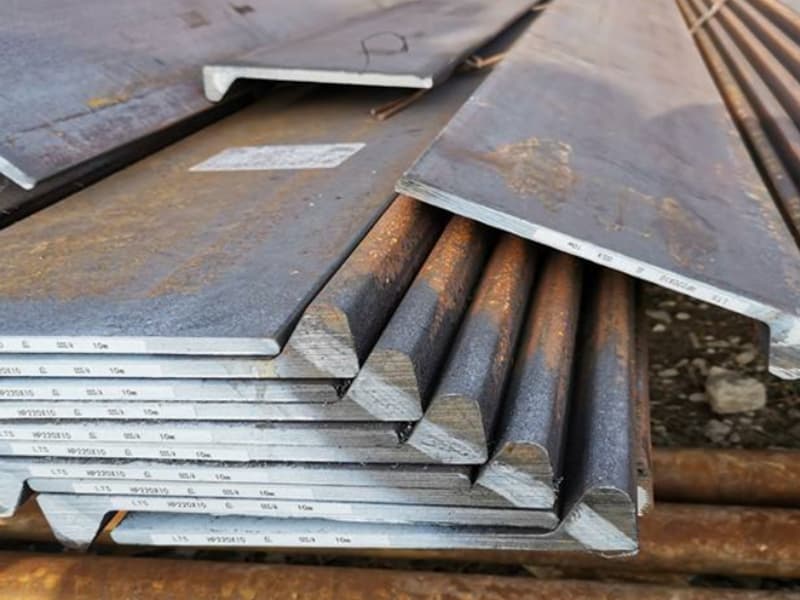
Navigating Global Lighting Efficiency Regulations
The lighting industry is shifting towards LEDs. Fluorescent regulations aim to phase out the worst performers and push the market towards higher efficiency.
What is Actually Banned?
The bans typically target these items:
- Magnetic (Inductive) Ballasts for Fluorescent Lighting: These are old technology. They waste energy, cause flicker, and are less reliable. They have been phased out in most developed markets.
- Low-Efficiency Fluorescent Tubes: Specifically, T12 tubes are almost universally banned from new sale because of their poor efficacy (lumens per watt).
- Halogen Lamps and Certain Incandescent Bulbs: These are part of broader energy efficiency rules.
The Status of T5 and T8 Tubes
- T12 Tubes: Largely banned. It is very hard to buy new T12 tubes in markets with strong efficiency rules.
- T8 Tubes: Not banned, but regulated. You can still buy T8 tubes, but they must be high-efficiency types (e.g., Tri-phosphor coating) and must be used with electronic ballasts. The old, standard T8 tubes with halophosphate coatings may be restricted.
- T5 Tubes: Not banned. In fact, T5 tubes are a relatively modern, high-efficiency technology. They are almost always used with electronic ballasts and generally meet current energy standards.
| Regional Examples of Regulations | Region | Key Regulation | Impact on T5/T8 |
|---|---|---|---|
| European Union | Ecodesign Directive (EU) 2019/2020 | Phases out most fluorescent technology by September 2023. Some T8 types may be exempt for a time. The direction is a full move to LED. | |
| United Kingdom | Follows similar rules to EU. | Same phase-out trajectory for fluorescents. | |
| United States | DOE energy conservation standards. | Bans manufacture and import of inefficient ballasts and T12 tubes. T8 and T5 with electronic ballasts are still compliant. | |
| Australia & Others | Various state and national efficiency schemes. | T12 is banned. T8 and T5 are being gradually phased out in favor of LEDs. |
The Steel Industry’s Parallel: Environmental & Regulatory Compliance
The marine steel industry faces its own set of evolving regulations, not bans on profiles, but on materials and processes.
- Coatings Regulations: Laws like the IMO’s PSPC (Performance Standard for Protective Coatings) mandate strict coating systems for ballast tanks. Using non-compliant paint is not "banned," but it makes the vessel non-compliant and unable to trade.
- Material Traceability: Regulations require full traceability of steel from mill to ship. There is no "ban" on steel, but using steel without proper certification is illegal for classified vessels.
- The "Ban" Mindset: Just as a shipowner cannot use banned T12 tubes, they cannot use cheap, uncertified steel. Both decisions lead to non-compliance, safety risks, and potential financial penalties.
For our business, this means we must stay updated on both the steel standards (like new classification society rules) and shipping regulations that affect our clients’ end use. When we supply bulb flats to a shipyard in Romania, we ensure the material certificate states compliance with the correct EU and classification standards. This helps our client’s final product meet all regulatory requirements. Our support for third-party inspection (like SGS) gives buyers the confidence that the material is not only the right dimension (HP series) but also the right, legally compliant grade.
Conclusion
Understanding bulb flat steel dimensions (HP series) is key for marine design, while knowing T5/T8 refers to lighting helps avoid costly procurement errors. Always specify materials precisely based on engineering requirements.
-
Understanding these terms helps avoid confusion in lighting specifications and ensures accurate purchases. ↩ ↩ ↩ ↩ ↩ ↩ ↩ ↩ ↩ ↩ ↩ ↩ ↩
-
Learn about bulb flat steel dimensions to ensure correct specifications for marine applications. ↩ ↩
-
Explore this system to grasp how tube diameters are categorized, aiding in better lighting choices. ↩ ↩
-
Discover the significance of T5 temper to avoid mix-ups with aluminum grades in steel discussions. ↩ ↩
-
Gain insights into marine structural steel to ensure proper material selection for shipbuilding. ↩ ↩
-
Understanding the HP Series is crucial for accurate identification of bulb flat dimensions in marine steel. ↩