
You are building a ship or offshore structure. You know you need strong steel. But how can you be sure the steel will perform in the middle of an ocean storm? The answer is not just in the steel’s chemistry, but in the certification behind it.
DNV certified marine angle steel is structural steel produced under the strict rules of Det Norske Veritas, a leading maritime classification society. This certification guarantees the steel meets specific standards for strength, toughness, weldability, and traceability. It is essential for critical parts of ships and offshore platforms where failure is not an option.
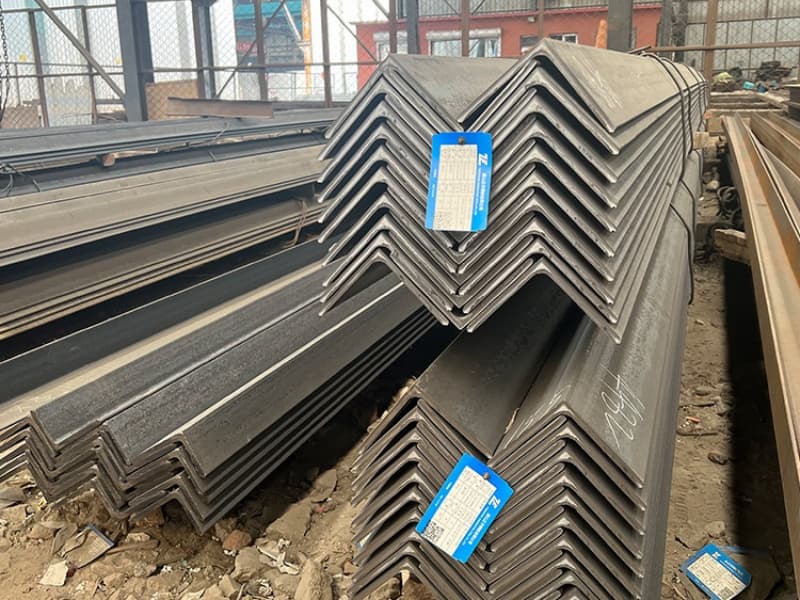
I supply DNV certified steel to shipbuilders across the world. I see firsthand why this certification is non-negotiable for serious projects. It is not just a piece of paper; it is a system of trust that runs from the steel mill to the finished vessel. Let’s explore what DNV certification really means and why it matters for your project.
What is DNV certification1 in marine?
In the marine world, "certification" often means different things. Some suppliers talk about mill certificates. But DNV certification1 is different. It is an official stamp of approval from an independent third-party organization. This organization checks every step of the steel’s life.
DNV certification1 in marine is a formal approval process by the classification society DNV. It verifies that marine materials, components, or systems meet DNV’s strict technical rules and standards. For steel, this means the entire production process—from melting to final testing—is supervised and approved by DNV surveyors.
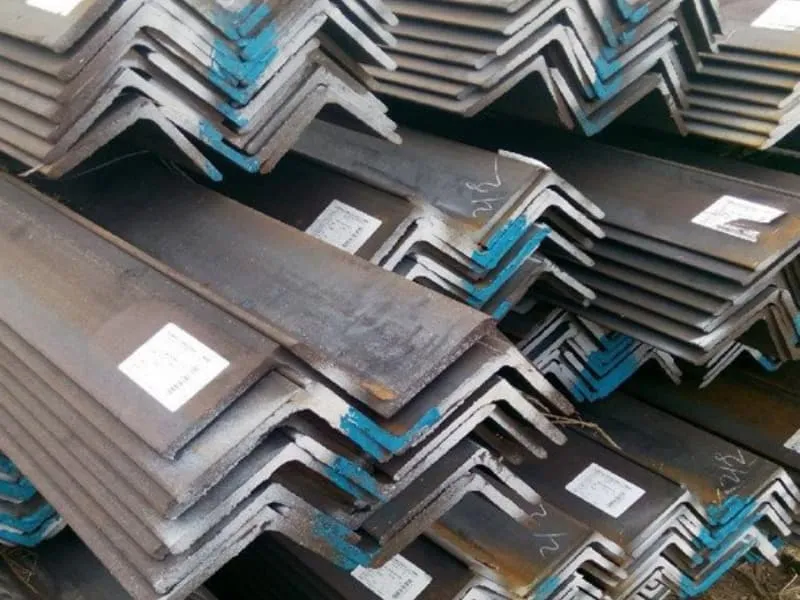
Understanding the DNV Certification Ecosystem
DNV certification1 is not a single event. It is a continuous system of quality assurance2. Think of DNV as a very strict auditor that works with the mill, not just inspects the final product.
The Three Pillars of DNV Material Certification
The process ensures quality through three connected layers of control.
| Pillar | What It Involves | Why It’s Critical |
|---|---|---|
| 1. Mill Approval and Audits | DNV experts first audit the steel mill itself. They check the mill’s quality management system, production equipment, testing labs, and personnel qualifications. Only approved mills are allowed to produce DNV-certified steel. | This prevents problems at the source. A mill with poor processes cannot get certified. This step filters out unqualified producers. |
| 2. Production Surveillance | For each heat (batch) of steel, a DNV surveyor (or an authorized surveyor) is involved. They witness critical stages like melt analysis, rolling, and final testing. They ensure the mill follows the approved procedures. | This provides real-time oversight. It is not a test of random samples later. The surveyor sees the steel being made correctly. |
| 3. Testing and Documentation | The mill performs rigorous tests (tensile, impact, chemical) as per DNV rules. The DNV surveyor reviews and approves the test results. Then, the mill issues an official DNV Type Approval Certificate3 or Works Certificate with the surveyor’s stamp and unique ID. | This creates an unbreakable chain of custody. The certificate is the legal proof that links the physical steel bar to its verified production history and properties. |
The Practical Impact on Buyers Like You
When you buy DNV certified steel, you are buying into this system. The benefits are clear.
- Risk Transfer: The liability for material quality shifts. If non-certified steel fails, you bear the cost. With DNV certified steel, the mill and the certification system share the responsibility. The certificate is your insurance policy.
- Global Acceptance: DNV is recognized by port states, flag states, and other classification societies worldwide. A DNV certificate simplifies approvals during vessel construction and survey. You will not face questions about material suitability.
- Project Efficiency: For fabricators and shipyards, using certified steel speeds up their own internal quality checks. They can trust the material and focus their inspection resources elsewhere.
Our long-term cooperation with certified mills in Liaocheng means we have direct access to this system. When a client in Saudi Arabia or the Philippines orders DNV AH36 angle steel from us, they are not just buying from a trader. They are accessing steel from a mill that has passed DNV’s strict audits and operates under their constant supervision. This is the foundation of the "stable quality" our clients, like Gulf Metal Solutions, value so much.
What does DNV approved1 mean?
The terms "certified" and "approved" are sometimes used loosely. In the context of DNV, they have precise meanings. "DNV approved1" is the result of a successful certification process. It is the official status given to a product or a supplier.
"DNV approved1" means a specific product, material, or manufacturer has successfully passed DNV’s evaluation process and complies with their rules. For a steel mill, it means DNV has assessed and accepted their quality system and production capabilities. For a piece of steel, it means it was produced under this approved system and has the correct documentation.
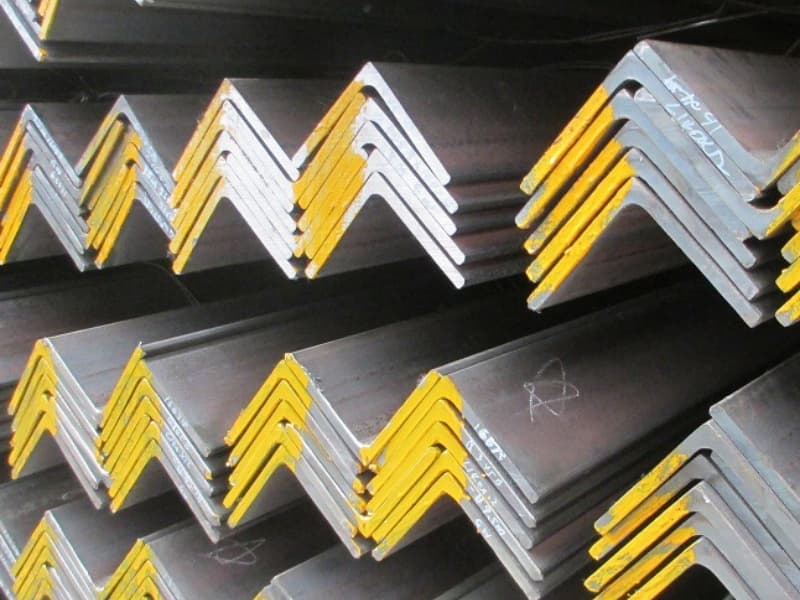
Decoding "Approval": It’s About Systems and Specifics
"DNV approved1" is not a general compliment. It is a technical and legal designation with different levels.
Levels of DNV Approval
Approval can apply to the factory or to the product. Understanding the difference is key.
| Type of Approval | What It Covers | How You See It as a Buyer |
|---|---|---|
| Manufacturer Approval2 | DNV approves the manufacturing facility itself. The mill’s processes, quality controls, and testing methods are validated. | This is often listed on the mill’s website or in their company profile. It is the prerequisite for making certified products. |
| Type Approval3 | DNV approves a specific product design or a specific grade of material. For steel, this means the chemical composition and mechanical properties for a grade (e.g., NV A36) are approved. | When you order "DNV AH36," you are ordering a steel with a DNV type-approved specification. |
| Product Certificate4 (Works Certificate) | This is the approval of a specific batch of material. It confirms that a particular heat of steel meets the type-approved specification. | This is the physical certificate (3.1 or 3.2) you receive with your shipment of angle steel. It has the surveyor’s stamp and is your proof of compliance. |
What "Approved" Does NOT Mean
To avoid misunderstandings, it is important to know the limits of "DNV approved1."
- It Does Not Mean "Unbreakable": DNV approval guarantees the steel meets minimum standards. It does not mean the steel is indestructible. Proper design, fabrication, and maintenance are still required.
- It Is Not a Substitute for Your Inspection: While DNV approval is robust, prudent buyers often add a third-party inspection like SGS for an extra check. This verifies dimensions, visual quality, and matches the material to the certificate. We offer this SGS support because we understand buyers want this final layer of confidence.
- It Is Specific to the Application: Steel approved for hull structures (NV series) is different from steel approved for offshore structures (OS series). You must specify the correct DNV rule set for your project.
For a rational, results-driven buyer, "DNV approved1" is a filter. It immediately separates serious, capable suppliers from those who cannot meet the benchmark. When Gulf Metal Solutions evaluates a new steel supplier, the first question is often about certifications. A "yes, we supply DNV certified steel from an approved mill" is a powerful answer. It shows we operate at the required professional level and understand the standards of the industry.
What is DNV steel1?
"DNV steel1" is a common term in the industry, but it is slightly misleading. DNV does not produce steel. Instead, "DNV steel1" refers to steel that is produced and tested according to DNV’s technical standards.
DNV steel1 is structural steel manufactured to meet the material specifications published in DNV’s rules for ships or offshore units. These specifications, such as NV A2, NV D, NV E, or NV F, define requirements for yield strength, tensile strength, impact toughness at low temperatures, and chemical composition. The "NV" prefix stands for the rules of Det Norske Veritas.
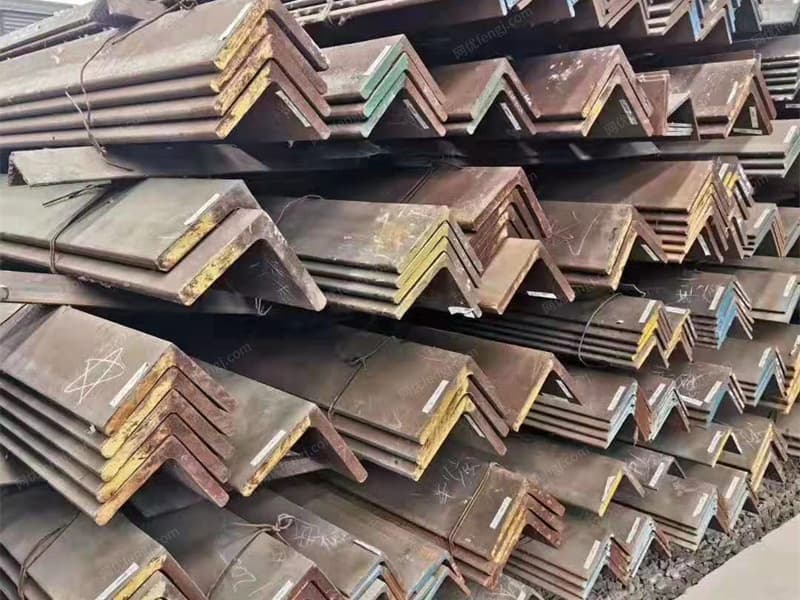
The Family of DNV Steels: Grades and Applications
DNV has created a series of steel grades to match different structural needs. The grade tells you about the steel’s strength and toughness.
Understanding the NV Grade Designation System
The grade is usually marked on the steel itself and on the certificate. Here is how to read it.
| DNV Grade | Key Properties (Example) | Typical Applications |
|---|---|---|
| NV A2 | Normal strength steel. Yield strength ~235 MPa. Good general toughness. | Internal structures, secondary supports, non-critical parts of ships and platforms. |
| NV D | High strength steel. Yield strength ~355 MPa. Improved impact toughness at lower temperatures. | Primary hull structures for most commercial ships (bulk carriers, tankers, container ships). The most commonly used high-strength grade. |
| NV E | Very high strength steel3. Yield strength ~390 MPa. Even better low-temperature toughness. | Critical areas in large container ships, ice-going vessels, or high-stress nodes in offshore structures. |
| NV F | Extra high strength steel3. Yield strength ~460 MPa or higher. Exceptional toughness. | Used in specialized applications like very large container ships or specific offshore components where weight savings are crucial. |
| NV A2H32, DH36, etc. | This is an alternative designation system. "A" or "D" indicates strength (like NV A2, NV D). The number (32, 36) indicates the minimum Charpy impact energy in Joules at a certain temperature. | Exactly equivalent to the NV series (e.g., NV A2 ≈ AH, NV D ≈ DH). This system is very common and is aligned with other classification society rules. |
The Specifics of DNV Steel for Marine Angle Steel
When you order DNV certified marine angle steel, you are typically ordering one of the high-strength grades.
- Why High Strength? Using higher strength steel (like NV D/DH36) allows designers to use thinner sections. This reduces the total weight of the vessel without losing strength. Lower weight can mean higher cargo capacity or better fuel efficiency.
- The Importance of Toughness: The "D" or "DH" grade is not just about strength. The letter indicates a tested level of impact toughness, usually at -20°C or -40°C. This means the steel can absorb energy without becoming brittle in cold ocean environments. This property is vital for safety.
- Z-grade Steel4: For very thick plates used in critical areas, DNV may specify Z-grade steel. This steel has guaranteed through-thickness properties to prevent lamellar tearing during welding. This is more relevant for thick plates than standard angle steel.
Our product range focuses on the most demanded grades: NV A2/AH and NV D/DH series for marine angle steel and bulb flats. We help buyers choose the right grade. For example, a barge operating in Southeast Asian waters might use NV A2 steel. A container ship trading in the North Atlantic will likely require NV D/DH36 steel. Providing this guidance is part of our service, ensuring our clients don’t over-specify or under-specify their material.
What is a DNV product certificate?
This document is the heart of the matter. It is the physical evidence that follows the steel. Without this certificate, the steel is just a piece of metal with an unknown history. With it, the steel has a verified identity and proven capabilities.
A DNV product certificate is an official document that provides traceability and proof of compliance for a specific batch of material. For steel, it is commonly called a Mill Test Certificate (MTC) or Works Certificate. It lists the heat number, grade, dimensions, and all tested mechanical and chemical properties. It is signed and stamped by the mill and the DNV surveyor.
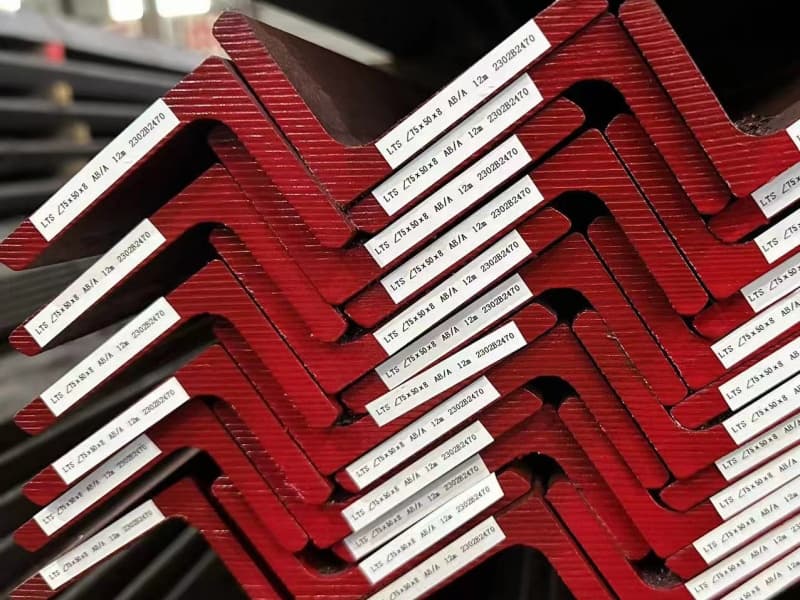
Your Guide to the Most Important Document in Marine Steel
The certificate is a technical passport. Learning to read it is a crucial skill for buyers, inspectors, and shipyard engineers.
Anatomy of a DNV Mill Test Certificate (3.1 or 3.2)
The certificate contains several standard sections. Each section provides vital information.
| Certificate Section | Information Provided | Why You Need to Check It |
|---|---|---|
| Header & Identification | Mill name, product description (e.g., Angle Steel), DNV certificate number, heat number, and order number. | This links the certificate to your specific purchase order and the physical material. The heat number is the unique batch ID. |
| Chemical Composition | Lists the percentages of Carbon (C), Manganese (Mn), Silicon (Si), Phosphorus (P), Sulfur (S), and alloying elements. | You verify the steel’s "recipe" meets the DNV specification limits. Low sulfur and phosphorus are good for weldability. |
| Mechanical Properties | Shows results for Yield Strength (ReH), Tensile Strength (Rm), Elongation (A), and Impact Toughness (Charpy KV values at specified temperatures). | This is the proof of performance. You confirm the strength and toughness values are at or above the DNV grade minimums. |
| Test Details & Stamp | States the testing standards used and bears the official stamp/signature of the mill and the DNV surveyor. | The stamp is the legal validation. A certificate without the proper stamp is not a valid DNV product certificate. |
Certificate Types: 3.1 vs. 3.2
You may hear these terms. They refer to the level of independent verification.
- Certificate 3.1: This is the standard certificate. The mill performs the tests and declares the results comply with the order. The DNV surveyor periodically inspects the mill’s testing equipment and procedures but does not necessarily witness each test for that specific batch. The mill issues the certificate under DNV’s approval.
- Certificate 3.2: This is a higher level of certification. The DNV surveyor (or an authorized inspector) specifically witnesses the sampling and testing of the batch of material in question. The surveyor then signs the certificate to confirm they saw the tests performed and the results are correct. This is often required for the most critical applications.
The Certificate in Your Supply Chain Workflow
The certificate is not just for filing. It is an active document.
- Material Receival: When the steel arrives at your yard, you check the heat number stamped on each piece or bundle against the heat number on the certificate. This ensures you received the certified material.
- Fabrication Records: The heat number is recorded in the welder’s logs and the vessel’s construction records. This creates a traceability trail that lasts for the life of the ship.
- Surveys and Warranty: During periodic class surveys or if a defect appears, surveyors will ask for the certificates. They can trace any issue back to its production batch.
We ensure that every shipment of DNV certified steel is accompanied by the correct, original certificates. For clients who want the ultimate assurance, we coordinate the optional SGS inspection. The SGS inspector will also verify that the material on the ground matches the paperwork. This end-to-end documentation integrity is what builds the trust that long-term partnerships are made of. It turns a commodity purchase into a reliable component of your project’s success.
Conclusion
DNV certification is the global language of quality and safety for marine steel. It provides verified strength, guaranteed traceability, and peace of mind for builders and operators.
-
Explore this link to understand the technical standards and specifications that define DNV steel, crucial for structural integrity. ↩ ↩ ↩ ↩ ↩ ↩ ↩ ↩ ↩ ↩ ↩ ↩ ↩ ↩
-
Learn about NV A steel’s properties and typical applications, essential for selecting the right material for your project. ↩ ↩ ↩ ↩ ↩ ↩ ↩ ↩ ↩
-
Discover the advantages of high strength steel, including weight reduction and improved fuel efficiency, vital for modern engineering. ↩ ↩ ↩ ↩
-
Find out why Z-grade steel is critical for preventing lamellar tearing in thick plates, ensuring safety in construction. ↩ ↩