
A weld fails on a ship’s structural frame. The investigation points to poor technique, not the steel. Proper welding is the final, critical step that turns quality marine angle steel into a safe, lasting structure.
To ensure proper welding of marine angle steel, you must start with clean, compatible materials, follow a qualified Welding Procedure Specification (WPS), use the correct electrode angle and travel speed, and perform thorough visual and non-destructive testing (NDT) after welding.
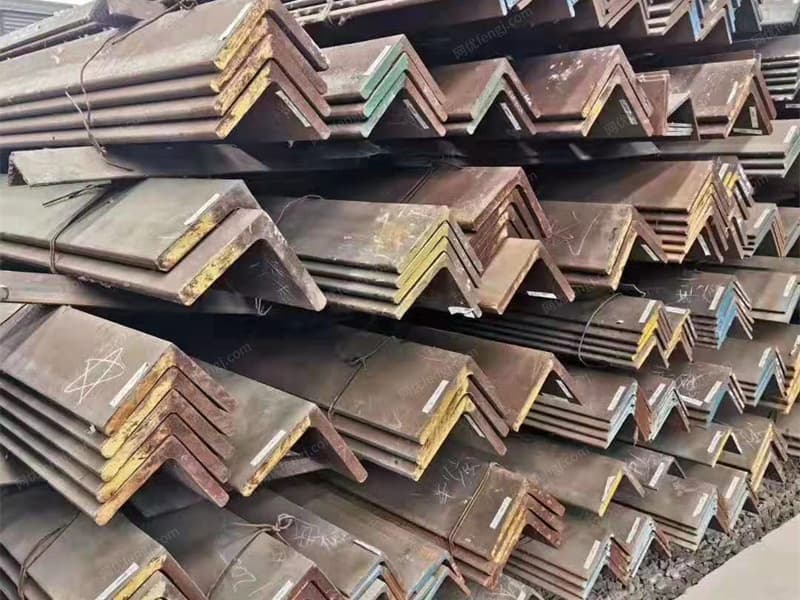
The quality of the steel is only half the equation. The skill and method of joining it are equally important. Let’s explore the fundamental rules and techniques that separate a good weld from a dangerous one.
What is the golden rule in welding?
A young welder starts his arc. He focuses on filling the joint quickly. He ignores the small pool of molten metal behind the electrode. This mistake breaks the most important rule in welding.
The golden rule in welding is to always "watch the puddle1," not the arc. The molten weld puddle2‘s behavior, size, and shape give you direct, real-time feedback on penetration3, heat input4, and the quality of the fusion you are creating.
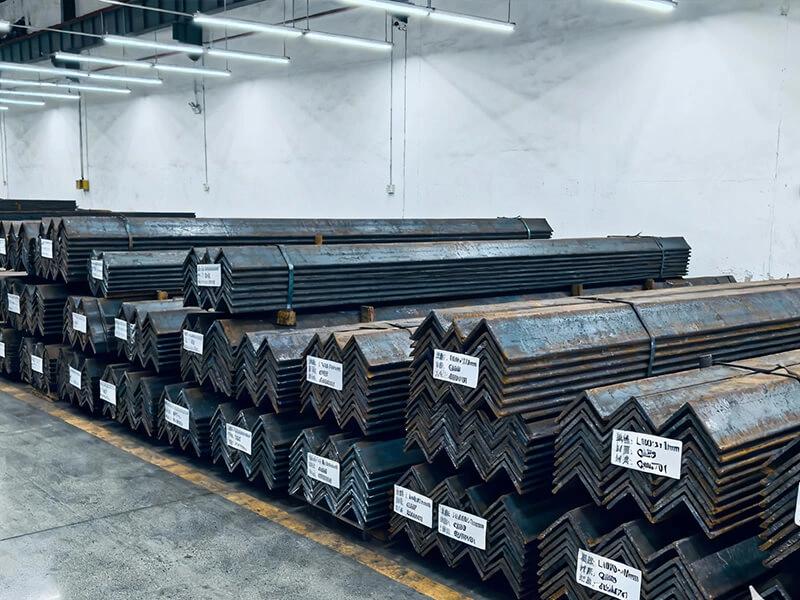
This rule is simple to say but profound in its impact. It applies to every welding process used on marine steel.
Why Watching the Puddle is Everything
Focusing on the bright arc is a natural instinct. But the arc is just the tool. The puddle is the result. Shifting your focus changes everything.
The Puddle as a Diagnostic Tool
The molten weld puddle2 tells you a story about what is happening at that exact moment.
- Penetration: In a proper groove weld on angle steel, you should see the puddle melt into both sides of the joint evenly. If the puddle runs ahead on one side, you lack fusion on the other side. The back of the puddle should show a slight "wetting" or depression into the base metal, indicating good penetration3.
- Heat Input: The size and fluidity of the puddle indicate heat. A large, very fluid, and shiny puddle means too much heat. This can weaken the heat-affected zone (HAZ). A small, sluggish, or crusty puddle means too little heat, leading to poor fusion and potential lack of penetration3.
- Travel Speed: A consistent, oval-shaped puddle behind the electrode usually means a good travel speed5. A long, teardrop-shaped puddle often means you are moving too fast, risking insufficient penetration3. A wide, circular puddle often means you are moving too slow, causing excess heat and potential burn-through.
Practical Application on Marine Angle Steel
Let’s apply this rule to a common scenario: fillet welding an angle stiffener to a hull plate.
- Setup: You have a piece of AH36 angle steel to be welded to a DH36 plate. The joint is a T-joint. You set your machine to the parameters in the WPS.
- Strike the Arc: As soon as the arc is stable, shift your eyes from the intense arc point to the trailing edge of the puddle.
- Read the Puddle: You want to see a consistent, semi-circular puddle that "wets" or flows evenly onto the toe of the angle leg and onto the plate. The puddle should not ball up on the surface; it should sink in slightly.
- Adjust in Real-Time:
- If the puddle is too small and sits only on the surface, increase your amperage slightly or slow your travel speed5.
- If the puddle becomes too large and fluid, risking burn-through on the thin angle leg, decrease amperage or increase travel speed5.
- If the puddle flows more onto the plate than the angle, adjust your electrode angle to direct more heat toward the angle.
Consequences of Breaking the Rule
Ignoring the puddle and just following the arc leads to common, hidden defects:
- Lack of Fusion: The weld metal does not properly melt into the base metal. The puddle would have shown no wetting action on one side.
- Undercut: A groove melted into the base metal beside the weld. Watching the puddle’s edges helps you see if it is washing up the sides properly to fill this groove as you travel.
- Inconsistent Bead Shape: Without puddle control, the weld bead will be uneven, too tall, or too flat.
Mastering this one rule—watching the puddle—is the foundation for developing real welding skill. It turns welding from a manual task into a controlled, observational process.
What are some common methods for maintaining proper electrode angle1s?
A welder struggles with an overhead fillet weld2. The weld metal keeps sagging. The problem is not his amperage. The problem is his electrode angle1, which changes as his arm gets tired.
Common methods to maintain proper electrode angle1s include using your body as a stable guide (resting your arm or hand), practicing consistent body positioning relative to the joint, and using simple angle guides or pre-set magnetic holders for repetitive welds.
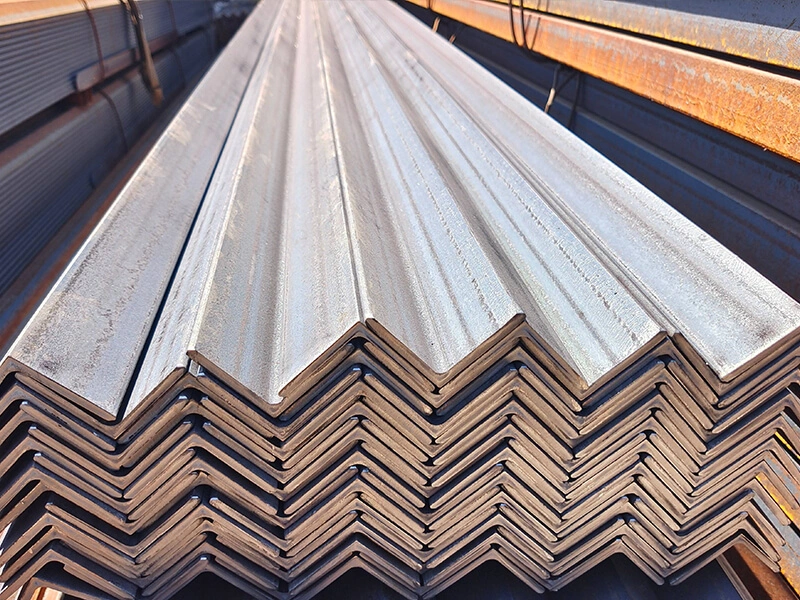
A steady hand is not enough. You need a system. Let’s look at practical techniques that welders use every day in shipyards.
Building Consistency: Techniques for Angle Control
Electrode angle has two components: travel angle3 (along the joint) and work angle4 (across the joint). Both must be controlled.
Method 1: Use Your Body as a Fixture
Your body is your primary tool for stability.
- Bracing and Resting: Never weld with a fully extended, free-floating arm. Always find a point of contact.
- For horizontal welds, rest your forearm or the heel of your hand on the workpiece or a stable surface.
- For vertical welds, you can brace your elbow against your hip or a fixed object.
- This turns your body into a stable pivot point, minimizing shaking and drift.
- Body Positioning: Position your whole body so you can see the joint clearly and move along it comfortably. Your shoulder, elbow, and wrist should be in a natural, relaxed alignment. If you are twisted or straining, your angle will drift.
Method 2: Master the Two Key Angles for Fillet Welds
For welding angle steel in T-joints or lap joints, the work angle4 is critical.
- Equal Leg Fillet (Most Common): The ideal work angle4 is 45 degrees from horizontal, bisecting the angle between the two plates. A simple mental image is to point the electrode directly into the corner.
- Technique for Consistency: Practice by setting two pieces of scrap angle steel at 90 degrees. Use a protractor or a 45-degree angle gauge to set your electrode. Feel the position in your hand and arm. Your goal is to memorize this muscle feeling.
Method 3: Use Travel Angle to Control the Arc Force
The travel angle3 (also called drag or push angle) directs the arc force.
- Drag (Backhand) Technique (10-15 degrees): This is the most common technique for SMAW (stick welding) and FCAW (flux-core) on marine steel. You angle the electrode slightly back, pointing toward the completed weld. This provides good penetration and a protective slag coverage over the solidifying puddle.
- Push (Forehand) Technique (10-15 degrees): Used more in GMAW (MIG) for cleaner, flatter beads with less penetration. The electrode points ahead of the puddle.
- Maintaining It: As you move, slide your braced hand or arm along like a gauge. Keep your head still and let your body pivot smoothly from your braced point.
Method 4: Tools and Aids for Repetitive Work
In production, consistency is speed.
- Magnetic Angle Holders5: Small, strong magnets with angle guides (e.g., 45°, 30°) can be attached to the workpiece. You can rest your electrode against them to start a weld with a perfect angle.
- Practice with Guides: Weld on a flat plate with a 45-degree angle piece tacked next to it. Keep your electrode parallel to the guide piece as you weld. This builds muscle memory6.
Here is a quick reference table for welding marine angle steel:
| Weld Type (on Angle Steel) | Typical Work Angle (Electrode to Joint) | Typical Travel Angle | Key Method for Consistency |
|---|---|---|---|
| Fillet Weld – Horizontal | 45° (into the corner) | 10-15° Drag | Brace forearm, point electrode into corner. |
| Fillet Weld – Vertical Up | 45° (into the corner) | 0-5° Drag | Brace elbow, use upward step motion. |
| Fillet Weld – Overhead | 45° (into the corner) | 10-15° Drag | Firm body stance, short arc length. |
| Butt Weld (on angle leg) | 90° (perpendicular) | 10-15° Drag | Use joint groove as a visual guide. |
Good angle control is not about being perfect every second. It is about having a repeatable method to return to the correct angle, weld after weld. This is what ensures consistent fusion and strength in a ship’s structure.
Where do you look in a drag angle1 to ensure a good weld?
You are drag welding with a 15-degree angle. Your eyes are on the puddle. But the puddle has a front and a back. Where you look inside that puddle determines what you see and control.
When using a drag angle1, you should look at the trailing edge of the weld puddle2 where the molten metal solidifies. This point shows you the actual fusion line3, penetration profile4, and bead shape as it is being created, allowing for immediate correction.
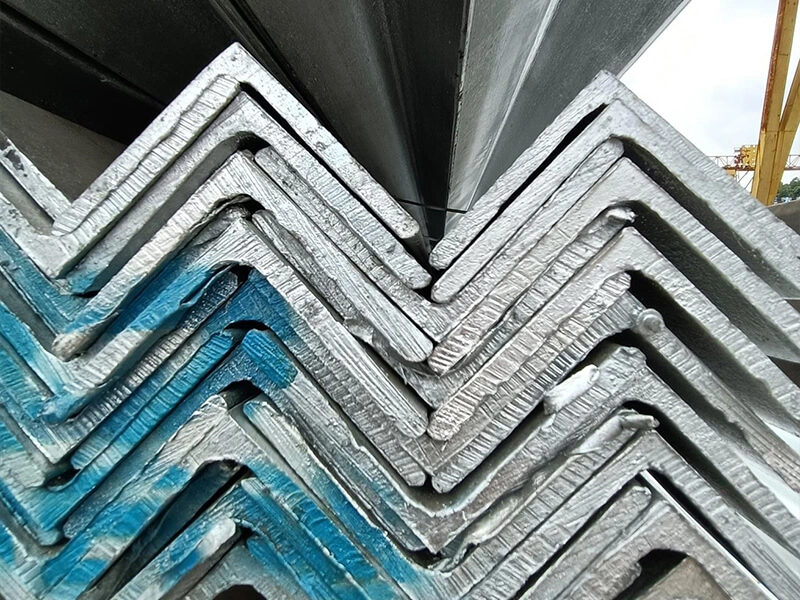
Your point of focus is a specific zone within the puddle. It’s a small detail that makes a big difference.
Focusing on the Critical Zone: The Trailing Edge
The welding arc is at the leading edge of the puddle, melting the metal. The action you need to control is happening at the opposite side.
The Trailing Edge: Your Control Panel
Imagine the oval-shaped weld puddle. The arc is at the front, pointing in your travel direction. The back of the oval is where liquid metal turns solid.
- This is Your Viewpoint: Position your head so you have a clear, unobstructed view of this back edge. You are looking just behind the arc, at the point of solidification.
- What You Can See Here:
- Fusion Line: You can see how the liquid metal is "wetting" or fusing with the base metal. A good weld shows a smooth, curved transition from the weld bead into the base metal. A lack of fusion appears as a sharp, distinct line or a gap.
- Penetration Profile (in Groove Welds): If welding a butt joint on an angle leg, the back edge of the puddle will show a slight depression or "sink." This indicates the weld is penetrating through the joint. A flat or convex back edge suggests insufficient penetration.
- Bead Shape and Size: You see the width and height of the weld bead as it is laid down. This lets you adjust your side-to-side motion (weave) and travel speed to maintain a consistent bead size per the WPS.
- Undercut Formation: Undercut is a groove melted into the base metal next to the weld toe. At the trailing edge, you can see if the puddle is filling this groove or leaving it behind. If you see a groove forming, you can pause slightly or adjust your work angle to direct more filler metal there.
Why Not Look at the Arc?
The arc is dazzlingly bright. Looking directly at it:
- Hides the Details: The intense light floods your vision, making it impossible to see the subtle details of fusion and penetration at the puddle’s edge.
- Causes "Arc Blow": In some magnetic situations, focusing on the arc can make you chase it as it wanders, instead of controlling the puddle’s placement.
- Leads to Poor Technique: Welders who watch the arc often rely on the sound or feel alone. They miss visual cues until it is too late.
Practice Exercise for Focus
Take a piece of scrap marine angle steel.
- Set up a horizontal fillet weld.
- Start welding with a 15-degree drag angle1.
- Consciously force your eyes to look at the back of the puddle, at the solidifying metal.
- Try to watch the curved liquid-solid line where the weld metal meets the angle leg and the base plate.
- Adjust your angle or speed based on what you see there.
This specific focus point turns welding from a reactive process into a predictive one. You see the result forming and can adjust before a defect is locked into the weld. For critical marine structures, this level of control is not optional; it is required.
Is angle iron weldable?
A fabricator receives a batch of "angle iron." They need to weld it to a steel frame for a marine platform. They hesitate, unsure if this common material is suitable for a welded, structural application.
Yes, standard angle iron (low carbon structural steel angle) is generally weldable. However, for marine applications, you must use certified marine angle steel1 (like ABS Grade A or AH36), not common mild steel angle iron, to ensure proper weldability2, strength, and corrosion resistance in the harsh maritime environment.
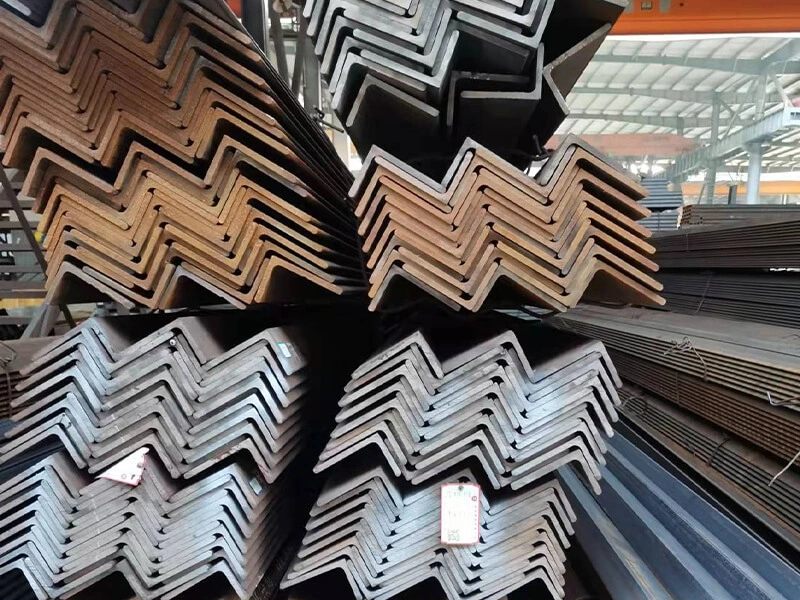
This is a crucial distinction. "Weldable" in a workshop is different from "suitable for welding in marine service."
The Critical Difference Between "Angle Iron" and "Marine Angle Steel"
In everyday language, people call any L-shaped steel "angle iron." In marine engineering, the terms and specifications matter a great deal.
What is "Angle Iron"?
Typically, "angle iron" refers to hot-rolled, low-carbon steel angles (like ASTM A36 in the US or S235JR/S275JR in Europe). It is for general construction—building frames, shelves, brackets.
- Weldability: It has good weldability2 due to low carbon content (usually 1 inch or 25mm) or higher carbon-equivalent grades, preheat5ing is required by the WPS. This slows the cooling rate after welding, preventing the formation of hard, brittle microstructures (martensite) that can lead to cracking. Common angle iron procedures often ignore this.
- Electrode/Filler Metal Selection: You must use filler metal that matches or is compatible with the marine grade’s strength and toughness. For example, welding AH36 steel requires an electrode with a minimum tensile strength of 70 ksi (490 MPa) and often specific diffusible hydrogen limits (e.g., H4 or lower) to prevent hydrogen-induced cracking.
- Joint Design and Fit-up: Marine structures require full-penetration welds in critical areas. The joint must be properly beveled and have a consistent root gap. Poor fit-up on angle connections leads to stress concentration and potential weld failure.
A Direct Comparison:
| Aspect | Common "Angle Iron" (e.g., A36) | Marine Angle Steel (e.g., ABS AH36) |
|---|---|---|
| Primary Use | General construction, non-critical. | Shipbuilding, offshore structures, marine platforms. |
| Chemistry Control | Basic; higher P & S allowed. | Strict; very low P & S for weldability2. |
| Toughness Requirement | Usually none at low temperature. | Charpy impact tested at specified low temp (e.g., 0°C for AH36). |
| Weld Procedure Need | Simple, common practice often sufficient. | Requires a qualified WPS, often with preheat5 for thicker parts. |
| Consequence of Misuse | May crack or suffer brittle fracture in marine service. | Designed to perform reliably in the marine environment. |
So, while the geometry is weldable, the material specification is what matters. For any welded structure that will go to sea, insist on certified marine angle steel1, not generic angle iron. This is a fundamental rule for safety and longevity.
Conclusion
Proper welding of marine angle steel demands the right materials, disciplined technique, and unwavering focus on the weld puddle. It is where design theory meets practical, durable reality.
-
Explore the unique properties of marine angle steel that make it essential for safe and durable marine applications. ↩ ↩ ↩ ↩ ↩ ↩ ↩ ↩ ↩
-
Understanding weldability is crucial for ensuring strong and reliable welds in structural applications. ↩ ↩ ↩ ↩ ↩ ↩ ↩
-
Learn how strict chemistry controls enhance the performance and safety of marine steel in harsh environments. ↩ ↩ ↩ ↩ ↩ ↩ ↩
-
Find out how a Mill Test Certificate ensures the quality and traceability of steel used in critical applications. ↩ ↩ ↩ ↩ ↩
-
Understanding the importance of preheating can prevent weld cracking and ensure structural integrity. ↩ ↩ ↩ ↩ ↩ ↩
-
Developing muscle memory is key to consistent welding. Find out how to train your body for better results. ↩