
Marine bulb flat steel is not just another piece of metal. It is the engineered backbone of modern ships. Choosing it over standard sections offers clear, measurable advantages. I see these benefits in every successful project our clients complete.
Marine bulb flat steel offers superior strength-to-weight ratio, excellent bending resistance, and design efficiency for ship frames. Its unique bulb shape provides structural stiffness without extra material. This leads to lighter ships, more cargo space, and lower fuel consumption. It is also designed for easier welding to hull plates, which saves construction time and improves overall vessel integrity.
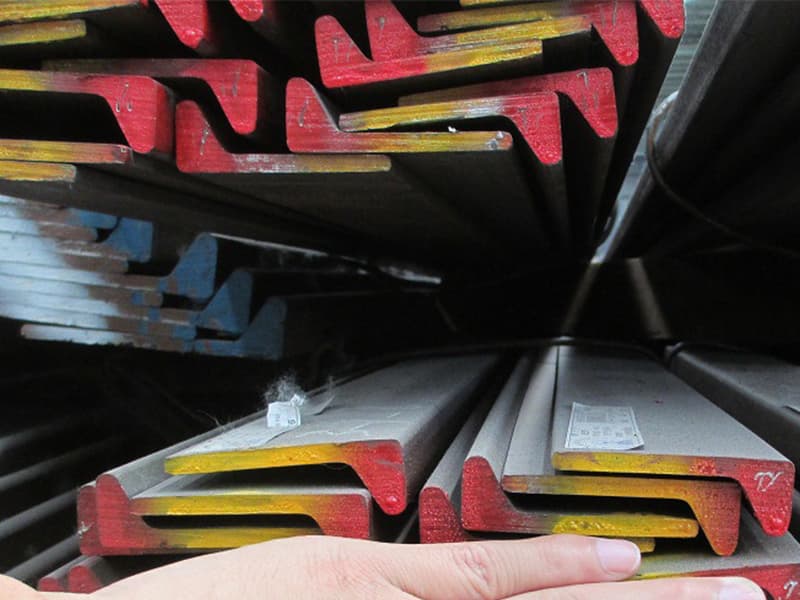
To fully appreciate why bulb flats are the preferred choice, we need to understand the broader context of steel in marine engineering. The following sections will connect the dots from general steel use to the specific superiority of bulb flats.
What is flat-rolled steel1 used for?
You see flat-rolled steel1 everywhere, from your car to your refrigerator. But in heavy industry, its uses are fundamental and massive. Understanding this wide application shows why specific profiles like bulb flats were developed from this basic form.
Flat-rolled steel is the broad category for steel products rolled into flat, wide sheets or strips. Its primary uses are in the automotive industry2 for body panels, in construction for building frames and roofing, in appliances for casings, in packaging for cans, and as the raw material for further processing into other shapes like tubes, welded beams, and specialized profiles such as bulb flats for shipbuilding3.
The Foundation of Modern Manufacturing
Flat-rolled steel is the starting point. It comes in two main forms: sheets/plates and strips/coils. Its versatility comes from its ability to be cut, bent, stamped, and welded. Its applications define entire industries.
1. Major Industrial Applications
- Automotive and Transportation: This is a huge consumer. High-strength, thin flat-rolled steel1 is used for car doors, hoods, and chassis components. The steel must be both strong and formable. Galvanized versions prevent rust.
- Construction and Infrastructure: Here, thicker flat-rolled steel1 is used as plates for building columns and beams. It is also used for floor decking, roof cladding, and bridge components. Durability and weldability are key.
- Appliance and Machinery: Washing machines, ovens, and industrial equipment cabinets are made from coated flat-rolled steel1. It provides a smooth, paintable, and rigid surface.
- Shipbuilding: This is where flat-rolled steel1 takes a central role. Thick, high-quality steel plates form the ship’s hull. These plates are then supported by frames made from flat-rolled steel1 that has been further shaped into specific profiles.
2. The Role as "Parent Material"
Beyond direct use, flat-rolled steel1 is the feedstock for countless other products.
- Further Processing: It is slit into narrower strips, cut into blanks, or perforated with holes.
- Tube and Pipe Making: Flat steel is bent and welded longitudinally to create pipes of various diameters for plumbing, construction, and oil & gas.
- Profile Forming: This is most relevant to our topic. Through specialized rolling mills, flat-rolled steel1 is shaped into structural profiles. These include angles, channels, I-beams, and critically, bulb flat steel4. The hot-rolling process for bulb flats starts with a slab of steel that is flattened and then passed through shaped rolls to form the bulb and web.
Here is a table showing the journey from flat-rolled steel1 to end-use:
| Flat-Rolled Product | Typical Thickness | Primary Processing | End-Use Example |
|---|---|---|---|
| Hot-Rolled Coil/Sheet | 1.5mm to 25mm | Pickling, oiling, or direct use. | Truck frames, railway wagons, structural tubing. |
| Hot-Rolled Plate | 6mm to 200mm+ | Cutting, welding, machining. | Ship hull plates, pressure vessels, heavy machinery bases. |
| Cold-Rolled Coil/Sheet | 0.3mm to 3mm | Annealing, tempering, galvanizing. | Automotive body panels, appliance shells, furniture. |
| Plate for Profile Rolling | Varies | Reheating and shape rolling. | Feedstock for producing angle bars, bulb flats, and other structural sections. |
For a marine steel buyer, understanding this is key. The bulb flat you order begins its life as a carefully selected flat-rolled slab. The quality of that initial steel—its chemistry, internal cleanliness, and surface condition—directly determines the quality of the final bulb flat. This is why we insist on sourcing from mills with tight process control from the very first stage.
What is the best steel for ship building?
There is no single "best" steel. The best choice is the right grade for the right part of the ship. Using the wrong steel can compromise safety and lead to catastrophic failure. This decision is guided by strict international rules.
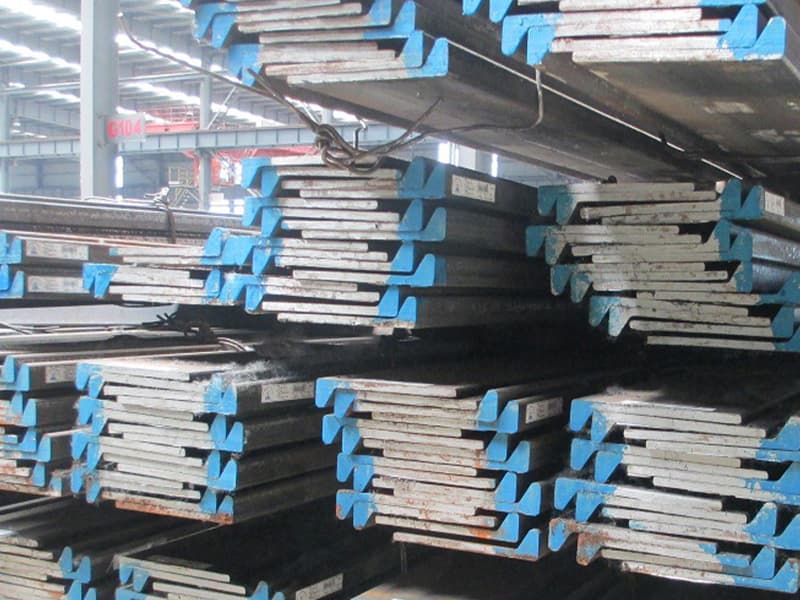
The best steel for shipbuilding depends on the specific application and location on the vessel. For the hull plating in critical areas, high-toughness grades like Grade D, E, or AH/DH/EH grades are best for withstanding icy waters and impact. For internal frames and stiffeners, strength grades like AH32, AH36, or bulb flats made to these grades offer an optimal balance of strength, weldability, and weight savings.
Selecting Steel by Function and Environment
Shipbuilding steel is a family of specialized materials. The selection is a strategic decision based on mechanical properties, toughness (especially at low temperatures), and weldability.
1. Hull Plating: The Skin of the Ship
This steel forms the watertight envelope. It faces direct impact from waves, floating objects, and corrosive seawater.
- Grades A/B/D/E: These are standard hull structural steels. Grade A is for non-critical areas. Grades D and E have much higher impact toughness (Charpy values) at low temperatures. They are used in the bow, stern, and other areas subject to high stress and cold weather.
- High-Strength Grades (AH32, AH36, DH36, EH36): The ‘H’ stands for high strength. The number (32, 36) indicates the minimum yield strength in kgf/mm². These grades allow for thinner plates, reducing weight while maintaining strength. They are used for deck and bottom plating on larger vessels.
2. Framing and Stiffeners: The Skeleton of the Ship
This is where bulb flat steel shines. The frames must support the hull plates and resist bending from loads.
- Material: Frames are typically made from the same grades as the adjacent plating (e.g., AH36 bulb flats supporting AH36 hull plates). This ensures compatible welding and performance.
- Why Bulb Flats Are Best Here: Compared to a flat bar or a large angle, a bulb flat provides much greater bending stiffness for its weight. This efficiency is crucial for maximizing cargo capacity and fuel economy. Its shape is designed for easy alignment and welding to the hull plate.
3. Specialized Applications
- Corrosion Resistance: For chemical tankers or areas with high corrosion risk, stainless steel or coated steels may be specified.
- Fatigue Resistance: For areas with constant stress cycles (like deck machinery supports), steels with fine grain structure and high fatigue strength are chosen.
Here is a table comparing common shipbuilding steel grades and their best uses:
| Steel Grade | Key Property | Typical Application on Ship | Why It’s "Best" for That Use |
|---|---|---|---|
| Grade A / AH32 | Good general strength and weldability. | Internal secondary structures, non-critical bulkheads. | Cost-effective for areas with lower stress demands. |
| Grade D / DH32 | Improved low-temperature toughness. | Hull plating in moderately cold zones, side shells. | Prevents brittle fracture in colder operating environments. |
| Grade E / EH36 | Excellent low-temperature toughness. | Critical areas: bow, stern, sheer strake on ice-class vessels. | Highest impact resistance for the most vulnerable, cold parts of the hull. |
| AH36 / DH36 / EH36 | High strength (355 MPa min yield). | Main deck plates, bottom plating, and primary bulb flat frames on large ships. | Enables lighter structures (thinner plates, smaller frames) for same strength, increasing payload. |
| Bulb Flat (in AH36) | High section modulus from shaped profile. | Primary and secondary frames, longitudinals, stiffeners. | Provides maximum bending resistance per kilogram, optimizing the ship’s weight and space. |
For a buyer like Gulf Metal Solutions, the "best" steel is the one that exactly matches the shipyard’s design specification and the vessel’s intended service route. Our job is to supply that precise grade—whether it’s an EH36 plate for an Arctic tanker or a batch of AH36 bulb flats for a container ship bound for Asia—with the full certification to prove it.
What are the applications of flat steel?
Flat steel is a chameleon in the industrial world. Its applications range from holding up skyscrapers to holding your soup. But for professional buyers, knowing the breadth of its uses helps in planning and sourcing for diverse projects.
Flat steel applications are vast. They span construction (beams, columns, flooring), manufacturing (machine bases, frames), transportation (vehicle chassis, ship hulls), energy (wind turbine towers, pipelines), and everyday goods (appliances, furniture). Its form can be plates, sheets, or further-processed shapes like floor decking and, importantly, structural profiles including bulb flats for specialized framing.
From Macro to Micro: A Sector-by-Sector Breakdown
To truly grasp the scope, we need to move beyond a list and look at how flat steel functions in different sectors. This shows why it’s such a high-volume, essential commodity.
1. Construction and Infrastructure (The Backbone)
This sector uses flat steel in its heaviest forms.
- Structural Work: Wide-flange beams (I-beams) and column sections are made from welded plates or hot-rolled from slabs. Steel plates are used for moment connections in high-rise buildings.
- Building Envelope: Corrugated or trapezoidal sheets made from thin flat steel are used for roofing and siding. They are lightweight, strong, and quick to install.
- Bridges: Steel plates are fabricated into box girders and orthotropic decks. The steel must have high fatigue strength and weldability.
2. Transportation and Mobility (The Framework)
Here, flat steel is engineered for strength and weight savings.
- Automotive: High-strength low-alloy (HSLA) flat steel is stamped into body-in-white components. It must be precise, formable, and often galvanized.
- Shipbuilding: This is a major application. As discussed, thick plates form the hull. Furthermore, flat steel in the form of cut plates and profiles is used for every internal structure—bulkheads, decks, and the all-important framing system using bulb flats.
- Rail and Heavy Vehicles: Flat steel plates form the undercarriage and frames of railway cars, trucks, and trailers.
3. Industrial and Energy (The Workhorse)
- Heavy Machinery: Excavators, cranes, and agricultural equipment use thick steel plates for their main frames and booms. These plates must withstand immense and variable loads.
- Energy Sector: Flat steel is used for wind turbine towers (large cylindrical sections made from rolled plates), pressure vessels for oil and gas, and components for power plants.
- Storage and Processing: Silos, tanks, and hoppers for grain, water, or chemicals are fabricated from steel plates.
4. The Marine Niche: Where Bulb Flat Reigns
Within the vast world of flat steel applications, marine bulb flat steel occupies a specialized, critical niche. It is not a generic product. Its application is singular and vital:
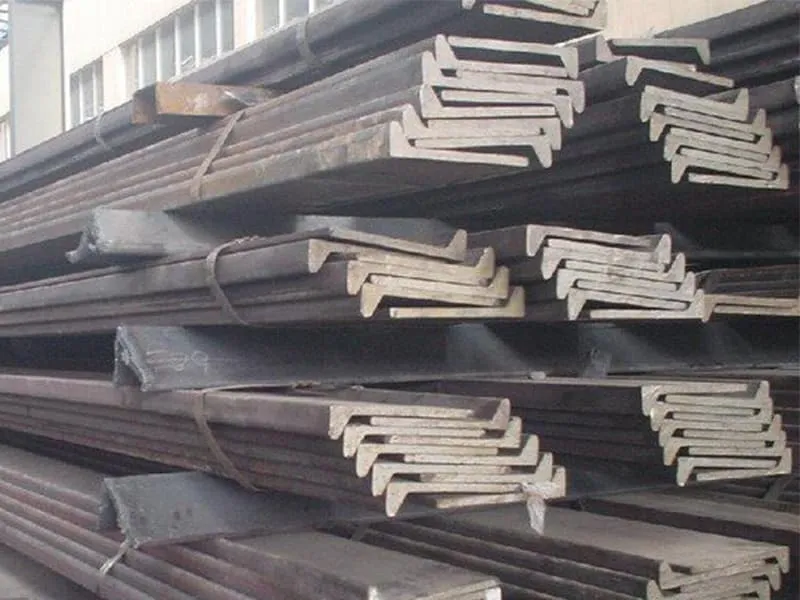
- Primary Application: Acting as the longitudinal and transverse frames in a ship’s hull. The bulb flat is welded, bulb-side out, to the inner surface of the hull plates. It provides the rigidity that keeps the large, flat plate areas from buckling under water pressure and cargo loads.
- Secondary Applications: Bulb flats are also used in large offshore structures, port constructions, and anywhere a strong, one-sided stiffener is needed on a curved or flat plate.
Here is a table categorizing flat steel by product form and sector:
| Flat Steel Product Form | Construction | Transportation | Industrial/Energy | Marine Specific |
|---|---|---|---|---|
| Thick Plate (>10mm) | Building columns, bridge girders. | Ship hulls, truck chassis. | Machinery frames, pressure vessels. | Hull, deck, bulkhead plates. |
| Structural Sections (from plate) | I-beams, H-beams. | Railway car frames. | Support structures. | Bulb flats, angles, channels for framing. |
| Sheet/Coil (thin) | Roofing, cladding. | Car body panels. | Ductwork, cabinets. | Interior paneling, non-structural parts. |
| Floor Decking | Composite floor systems. | — | Mezzanine flooring. | Accommodation decks. |
For a wholesaler or project contractor, this wide application range means that a supplier capable of providing various flat steel products is a valuable partner. A client might need plate for one project and bulb flats for another. Our ability to supply both—like we did for Gulf Metal Solutions with plates first, then bulb flats planned for the next order—builds a stronger, more efficient supply chain for them.
Which is better, CR or HR?
The choice between Cold-Rolled (CR) and Hot-Rolled (HR) steel is fundamental. Picking the wrong one for your application leads to performance failure and wasted money. This is not about "better," but about "right for the job."
Neither Cold-Rolled (CR) nor Hot-Rolled (HR) steel is universally better. HR steel is stronger, more malleable for heavy shaping, and more economical, making it ideal for structural applications like ship frames and I-beams. CR steel has a smoother surface, tighter dimensional accuracy, and higher strength from work hardening, making it perfect for precise, aesthetic applications like automotive panels and appliances.
A Detailed Comparison: Process Defines Property
The "CR vs. HR" debate is settled by understanding their manufacturing processes. The process determines the steel’s final characteristics, which then dictate its ideal use case.
1. The Hot-Rolled (HR) Process and Its Advantages
- Process: Steel slab is heated above its recrystallization temperature (over 1700°F) and passed through rolls. This makes it easy to shape into large sections. It is then allowed to cool in air, which gives it a characteristic blue-grey oxide layer (mill scale).
- Key Advantages:
- Lower Cost: The process is faster and requires less energy per ton than cold rolling.
- Excellent Formability for Heavy Gauge: The hot metal can be shaped into a wide variety of thick sections—plates, beams, bulb flats, and bars—that would be impossible to cold-roll.
- Good Mechanical Properties: It has a more ductile and malleable microstructure, which is forgiving for welding and heavy fabrication.
- Disadvantages: Surface finish is rougher with mill scale. Dimensional tolerances are wider. The cooling process can lead to slight distortions.
2. The Cold-Rolled (CR) Process and Its Advantages
- Process: This starts with hot-rolled steel that has been pickled to remove scale. It is then rolled at room temperature. This "cold working" compresses the steel’s grain structure.
- Key Advantages:
- Superior Surface Finish: It is smooth, clean, and ideal for painting, plating, or a shiny appearance.
- Tight Dimensional Tolerances: Thickness and width are controlled very precisely.
- Increased Strength: The cold working process increases yield strength and hardness (work hardening).
- Disadvantages: It is more expensive. It is less ductile and can be prone to springback when forming. It is generally only available in thinner gauges (coils and sheets).
3. The Clear Divide in Application
The choice becomes obvious when you look at the end use:
- Use Hot-Rolled Steel For: Structural frames, railroad tracks, ship hull plates, ship bulb flats, truck chassis, and any application where ultimate strength, weldability, and cost are more important than a perfect surface finish.
- Use Cold-Rolled Steel For: Automotive body panels, appliances (washer drums, refrigerator cabinets), metal furniture, electronics enclosures, and any application requiring a precise, ready-to-paint finish.
Here is a direct comparison table:
| Characteristic | Hot-Rolled (HR) Steel | Cold-Rolled (CR) Steel | Implication for Marine Use |
|---|---|---|---|
| Production Cost | Lower. | Higher. | HR is cost-effective for massive structural components like bulb flats. |
| Surface Finish | Rough, with mill scale. Must be cleaned (blasted) before painting. | Smooth, shiny, ready for finishing. | HR’s scale is removed before shipyard painting. CR is not used for primary structure. |
| Dimensional Tolerance | Wider (e.g., ±0.5mm on thickness). | Very tight (e.g., ±0.1mm). | HR tolerances are acceptable for heavy framing; bulb flats are made to HR standards. |
| Strength & Hardness | Good strength, more ductile. | Higher yield strength, harder, less ductile. | HR’s ductility is safer for welding and absorbing impact. |
| Available Forms | Plates, structural sections (beams, angles, bulb flats), bars. | Sheets, strips, coils (thin gauge). | Bulb flat steel is exclusively a hot-rolled product. CR cannot make this shape. |
| Primary Applications | Structures, frames, railroad, shipbuilding. | Automotive bodies, appliances, furniture. | HR is the only suitable choice for main ship structural components. |
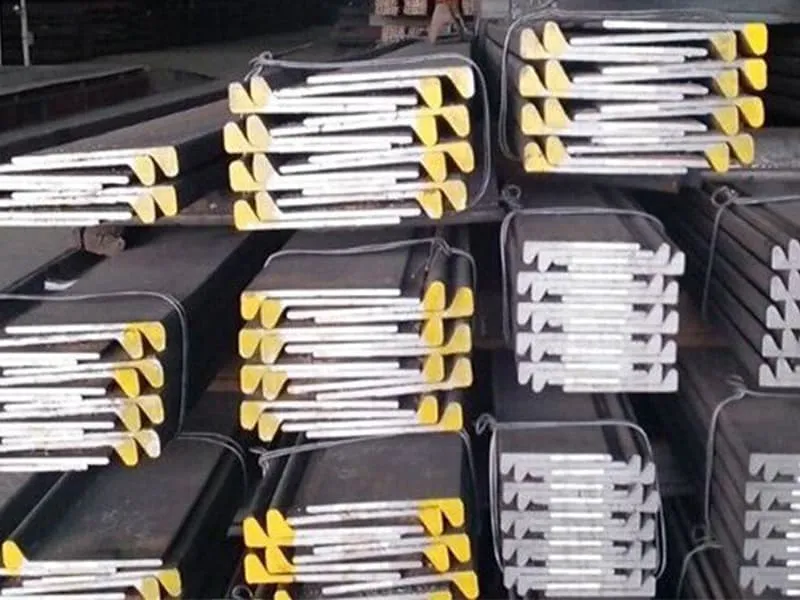
For marine construction, the answer is definitive. Bulb flat steel is a hot-rolled product. The process of shaping that bulb on the edge of a thick web requires the steel to be hot and malleable. The benefits of HR—its formability into complex sections, good weldability, and economic viability—are exactly what make it the perfect, and only, manufacturing method for this critical marine component. When you order bulb flats, you are ordering a premier example of hot-rolled steel’s capabilities.
Conclusion
Marine bulb flat steel delivers targeted benefits by combining smart design with the right material process. Its advantages in strength, weight savings, and construction efficiency make it the unmatched choice for modern ship framing. Choosing it is a decision that pays off in vessel performance and longevity.
-
Explore the diverse applications of flat-rolled steel to understand its significance in modern manufacturing. ↩ ↩ ↩ ↩ ↩ ↩ ↩ ↩ ↩ ↩
-
Discover how flat-rolled steel is essential for automotive components, enhancing vehicle safety and performance. ↩
-
Understand the importance of flat-rolled steel in constructing robust and reliable ships. ↩
-
Explore the unique properties and uses of bulb flat steel in various structural applications. ↩