
You need reliable marine-grade L-shaped steel, but navigating Chinese suppliers feels complex and risky. A wrong step can lead to quality issues, delays, or unexpected costs.
To order marine L-shaped steel from China, provide clear specifications (size, grade, certification), request quotes from pre-qualified suppliers, negotiate terms (price, payment, Incoterms), arrange third-party inspection, and finalize logistics. Working with an experienced export agent streamlines the process and ensures quality control.
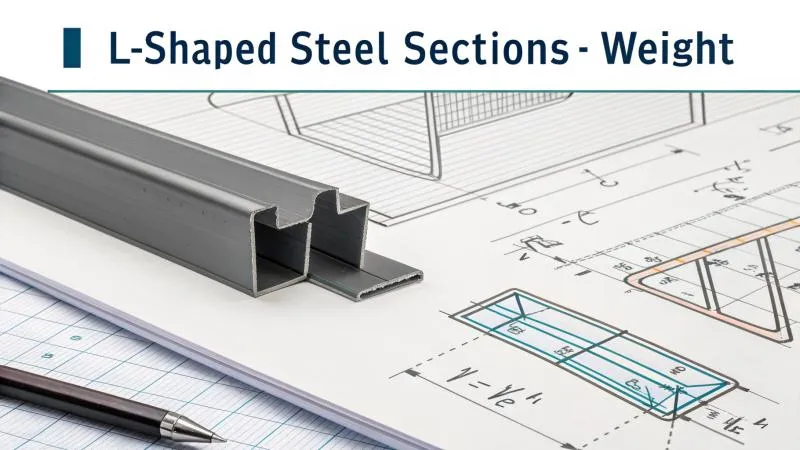
Ordering from China is a process, not just a transaction. Success depends on clear communication, understanding the market, and choosing the right partner. I’ll guide you through the key steps and knowledge you need, starting with the very basics: what to call the product you want.
What do you call L-shaped steel?
You describe "that 90-degree steel piece" to a supplier, but they seem confused. Using the correct, standard terminology is the first and most important step to getting exactly what you need.
L-shaped steel is most accurately called an Angle Bar or Steel Angle. The standard specification is L A x B x t (e.g., L 150x100x12). In marine contexts, it may be specified as Marine Angle Steel or Ship Angle, indicating it meets classification society standards like ABS, DNV, or LR.

Speaking the Global Language of Steel Sections
Miscommunication about the product name is a common source of error. In different regions and industries, the same product has different names. As an exporter, I spend a lot of time clarifying this with new clients to ensure we are on the same page.
The Standard Technical Name: Angle Bar / Steel Angle
This is the universal engineering and procurement term. It is precise and unambiguous.
- Nomenclature:
L A x B x tL= Angle.A= Length of one leg (in mm).B= Length of the other leg (in mm).t= Thickness (in mm).
- Example:
L 120x80x10means an angle with one leg 120mm, the other 80mm, and both are 10mm thick. - Equal vs. Unequal: If A = B (e.g., L 100x100x10), it’s an "equal angle." If A ≠ B, it’s an "unequal angle."
Common Aliases and Confusions
- Angle Iron: This is an older term, from when these sections were made of wrought iron. It is still widely used, especially for lighter, non-structural applications. In professional structural procurement, "angle bar" or "steel angle" is preferred.
- L-Shaped Steel / L Profile: These are descriptive terms and are perfectly acceptable. They are common in everyday conversation and in some technical drawings. However, for a formal inquiry or purchase order, you should use the standard
L A x B x tnotation. - L-Bracket: This is not the raw material. An L-Bracket is a fabricated component cut from an angle bar. Calling raw material a "bracket" can lead suppliers to think you want a finished, drilled, or welded part.
The Marine Distinction: "Marine Grade" or "Classified"
When you need this material for shipbuilding, the terminology must include the quality standard.
- Incorrect: "I need 10 tons of L 100x100x10."
- Correct: "I need 10 tons of Marine Angle Bar, L 100x100x10, in grade AH36/DH36, with ABS certification."
- Why it matters: Specifying "marine" or the class society (ABS, DNV, LR, BV) immediately tells the supplier you require material produced to specific rules with certified impact toughness, chemical composition, and traceability. It filters out suppliers who only deal in commercial-grade steel.
This table clarifies the naming conventions for different contexts:
| Context / Industry | Common Name(s) | Key Specifier to Add | Purpose |
|---|---|---|---|
| General Construction, Workshops | Angle Iron, Angle Bar, L-Shape. | L A x B x t, Grade (e.g., S235, S355). |
For frames, supports, brackets in buildings, non-critical structures. |
| Shipbuilding & Marine Engineering | Marine Angle Steel, Ship Angle, L-Shaped Steel. | L A x B x t, Marine Grade (e.g., AH36, DH36), Class Certification (ABS, DNV, etc.). |
For hull frames, brackets, supports in classed vessels. |
| Mechanical Fabrication | Steel Angle, L Profile. | L A x B x t, Material Standard (e.g., ASTM A36). |
For machine frames, guards, supports. |
| Architectural/Decorative | L-Shaped Trim, Angle. | Finish (e.g., brushed, powder-coated). | For aesthetic edges, reveals, trim work. |
So, when you start your inquiry, use clear language. Say: "We are looking for marine-grade angle bar, L 150x90x12, material DH36 with DNV certification." This one sentence tells a professional supplier everything about the product’s shape, size, mechanical properties, and required quality level. It separates you as a knowledgeable buyer and sets the stage for a smooth procurement process.
How much is steel per ton in China?
You receive quotes that vary wildly. One supplier is much cheaper than the others. Is it a great deal, or a major red flag? Understanding what drives the price per ton in China is key to evaluating quotes fairly.
The price of steel per ton in China is highly volatile and depends on the product type (e.g., HRC, rebar, sections), grade, specifications, raw material costs (iron ore, coking coal), market demand, and the supplier’s role (mill, trader, agent). As of [Current Date], general structural steel prices can range from $500 to $800 USD per ton FOB China, but marine-grade certified sections command a premium.
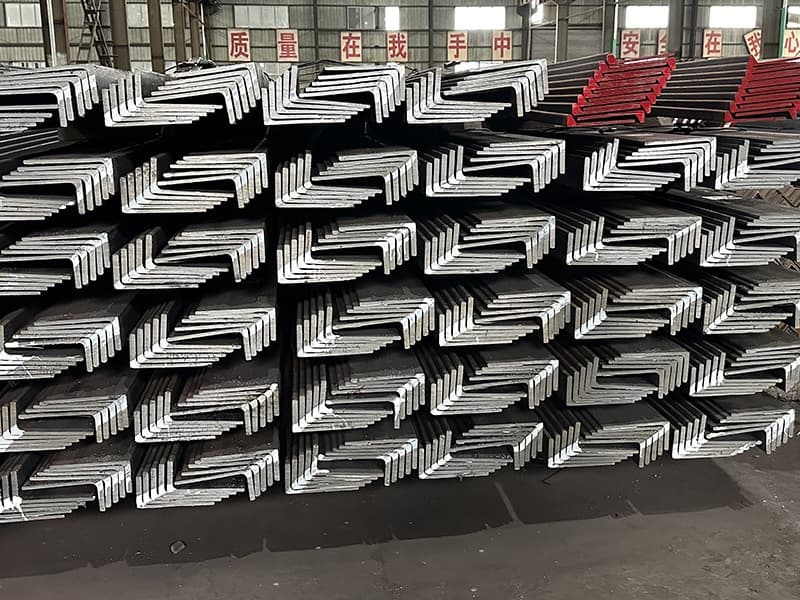
Decoding the Price: More Than Just a Number
Asking "how much is steel per ton?" is like asking "how much is a car?" The answer depends on countless factors. For marine L-shaped steel, the price is a combination of commodity costs and value-added features.
The Core Commodity Price Drivers (The "Base Price")
These factors affect all steel and change daily or weekly.
- Raw Material Costs: The prices of iron ore and coking coal, set on global exchanges, are the biggest input costs for mills.
- Futures Market: The Shanghai Futures Exchange (SHFE) rebar and hot-rolled coil futures prices act as a benchmark for the domestic market sentiment.
- Supply-Demand Dynamics: Government policies on production cuts (for environmental reasons), seasonal demand from construction, and export demand all influence domestic availability and price.
- Currency Exchange Rate (USD/CNY): Since most international contracts are in USD, a stronger Chinese Yuan makes Chinese steel more expensive for foreign buyers, and vice versa.
The Product-Specific Premiums (What You Pay For)
This is where marine L-shaped steel diverges from common steel.
- Grade Premium: AH36/DH36 costs more than standard Q235B steel. Higher grades (EH40, FH40) cost even more.
- Certification & Testing Premium: Steel produced under and certified by ABS, DNV, LR, etc., involves extra mill audits, stricter process controls, and batch testing. This adds cost.
- Section vs. Coil: Hot-rolled structural shapes (angles, beams) are more expensive to produce per ton than hot-rolled coil (HRC) due to lower production volumes and more complex rolling.
- Size & Thickness: Non-standard sizes or very thick sections may incur an extra charge.
- Quantity: Larger tonnage orders typically get a better price per ton due to mill allocation efficiency.
The Supplier Markup: Mill, Trader, or Agent?
- Direct from Mill: Theoretically the lowest price, but MOQs are very high (500+ tons per item), and they often lack export logistics and customer service for international buyers.
- Trading Company: Adds a markup. Quality assurance can be unreliable as they often source from various mills based on price.
- Professional Export Agent/Supplier (Like Us): We add a service fee, but we provide consolidated value: we vet and partner with specific certified mills, handle all export documentation, provide English support, offer QC inspection, and have flexible MOQs. For most buyers, this is the most cost-effective total solution.
A realistic price breakdown for marine L-shaped steel might look like this:
| Cost Component | Description | Approx. Share of Final Price | Note |
|---|---|---|---|
| Base Commodity Cost | Linked to SHFE HRC futures + mill profit. | ~60-70% | Fluctuates daily. |
| Grade & Quality Premium | Extra cost for HSLA chemistry (Mn, Nb) and controlled rolling for AH36/DH36. | ~10-15% | Fixed by the mill. |
| Certification Premium | Cost of class society approval, testing, and traceability. | ~5-10% | Non-negotiable for marine use. |
| Processing/Packaging | Cutting to length, bundling, rust protection, tagging. | ~2-5% | Varies by order specifics. |
| Supplier Service & Logistics | Export documentation, communication, quality control, profit margin. | ~5-15% | Pays for risk management and convenience. |
Therefore, when you get a quote, ask: "Does this price include ABS/DNV certification? Is it for the exact grade DH36? What are the payment terms and Incoterms?" A quote of $650/ton FOB for commercial angle steel is normal. A quote of $680-$750/ton FOB for DNV-certified DH36 marine angle steel is also normal and reflects the true cost of a reliable product. The suspicious quote is the one that offers certified marine steel at the price of commercial steel.
Who buys China’s steel?
You might wonder if you’re part of a small niche. The reality is vast. Understanding who buys Chinese steel helps you see your place in a global market and how to work with suppliers who understand your specific needs.
China’s steel is bought by a diverse global market including construction companies, manufacturing industries (automotive, machinery), infrastructure projects, and specifically for marine products: international shipyards, marine fabricators, offshore oil & gas projects, and large steel stockists/distributors in Asia, the Middle East, Africa, and Latin America.

The Global Client Map: From Megaprojects to Your Shipyard
China is the world’s largest steel producer and exporter. Its customers span continents and industries. As an exporter, I categorize buyers not just by location, but by their business model and needs. This shapes how we communicate and serve them.
Major Buyer Categories for Chinese Steel:
- Large-Scale Project Contractors: These are companies building bridges, ports, power plants, and stadiums overseas (e.g., in Southeast Asia, Africa, the Middle East). They buy massive quantities of rebar, structural sections, and plate. They often have in-house procurement teams and deal directly with mills or large trading houses.
- Manufacturing & Fabrication Hubs: Countries with growing industrial bases but limited domestic steel production. For example:
- Vietnam, Mexico, Malaysia: Factories producing machinery, vehicles, and equipment source Chinese steel as raw material.
- Pakistan, Philippines, Myanmar: For general construction and light industry.
- Steel Service Centers & Distributors: Companies like our client, Gulf Metal Solutions in Saudi Arabia. They import large volumes, hold stock, and then sell smaller quantities to local workshops, fabricators, and project sites. They value reliable quality, consistent supply, and good logistics support.
- The Marine & Offshore Sector: This is our core focus. Buyers include:
- Shipyards: Large yards in South Korea, Japan, and Europe sometimes source specific plates or sections from China. Smaller and emerging yards in Vietnam, the Philippines, Romania, and the Middle East are significant buyers.
- Marine Fabricators: Companies that make sections, modules, or outfitting parts for ships. They buy marine-grade plates, angles, bulb flats.
- Offshore Engineering: Companies involved in oil rigs, platforms, and FPSOs.
What This Means for You as a Marine Buyer
You are part of a sophisticated, demanding segment. Marine buyers are not purchasing a commodity; they are purchasing a certified component. This changes the dynamic.
- Price Sensitivity vs. Quality Criticality: While price matters, marine buyers prioritize certification, traceability, and technical compliance above a minimal price difference. A failure here has catastrophic safety and financial consequences.
- Relationship-Based Procurement: Marine projects are long-term. Buyers seek suppliers they can trust for multiple projects over years, not just for a one-time cheap deal.
- Need for Technical Support: Suppliers must understand class rules, grades, impact testing, and provide proper documentation (Mill Test Certificates, Origin Certificates).
The global distribution of our own exports tells this story:
| Region/Country | Typical Buyer Identity | What They Buy From Us | Key Driver for Choosing China |
|---|---|---|---|
| Southeast Asia (Vietnam, Malaysia, Philippines) | Shipyards, Marine Fabricators. | Marine Plate, L-Angle, Bulb Flat. | Cost-effectiveness, proximity, growing shipbuilding industry. |
| Middle East (Qatar, Saudi Arabia, UAE) | Project Distributors (like Gulf Metal Solutions), Offshore Contractors. | Marine Plate, L-Angle for construction and offshore projects. | Reliability of supply for large projects, ability to meet int’l standards. |
| South Asia (Pakistan, Myanmar) | General Importers, Construction Projects. | Angle Bar, Plate (both commercial and some marine grade). | Price competitiveness for developing markets. |
| Europe (Romania) | Shipyards on the Black Sea. | Marine Grade Plate and Sections. | Cost advantage compared to EU mills, ability to supply specific grades. |
| Latin America (Mexico) | Manufacturers and Fabricators. | Structural Steel, Plate. | Alternative to US steel, competitive pricing. |
Knowing you are in the "marine sector" helps you select a supplier. You don’t want a supplier who mainly sells rebar to construction sites. You want a specialist, like us, whose business model, mill partnerships, and expertise are built around serving buyers like you. This alignment ensures they speak your language and understand your non-negotiable requirements.
Who is the supplier of carbon steel in China?
"Supplier" can mean many things. Is it the giant state-owned mill? The local trading office? Or an export specialist? Choosing the right type of supplier is the most critical decision in your ordering process.
The supplier of carbon steel in China can be the producing mill (e.g., Baowu, Ansteel, Shagang), a trading company that buys and resells, or a professional export agent/supplier who represents specific mills and manages the export process. For marine-grade steel, partnering with an export agent who works with certified mills offers the best balance of quality assurance, service, and flexibility.
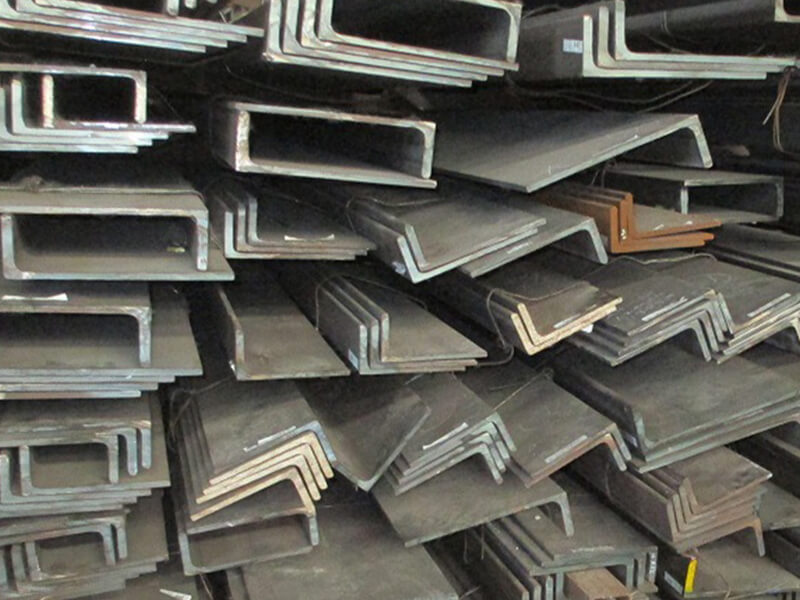
Navigating the Supply Chain: Mill, Trader, or Partner?
The landscape is complex. Your choice of supplier type directly impacts product quality, price, communication, and risk. Let’s analyze the three main models from the perspective of an international buyer of marine L-shaped steel.
1. The Producing Mill (Steel Factory)
These are the manufacturers. They melt, cast, and roll the steel.
- Advantages: Source of the product. Potentially lowest ex-works price for huge orders.
- Disadvantages for International Buyers:
- Extremely High MOQ: They deal in bulk. An order for a specific size of L-angle might need to be 500+ tons.
- Limited Export Service: Most large mills have an export department, but they are geared towards servicing mega-orders from other large corporations. They often lack responsive customer service for small or medium-sized buyers.
- Rigidity: Less flexible on payment terms, packaging, or special requirements.
- Quality Variance: Not all mills produce marine-grade certified steel. Only a subset have the approval from classification societies.
2. The Trading Company
This is the most common entity you will find online (especially on Alibaba). They do not own mills. They buy from various sources and sell to you.
- Advantages: Low MOQ, often very competitive (sometimes suspiciously low) prices.
- Disadvantages & Risks:
- "Sourcer" Mentality: Their goal is to find any steel that matches your description at the lowest cost. Quality and mill origin can change with every order.
- Lack of Technical Knowledge: Many traders are salespeople, not steel experts. They may not understand the importance of certification or grade details.
- Quality Control Black Box: They act as a middleman. You have little visibility or control over the actual production mill. This was a core pain point for Gulf Metal Solutions—"quality inconsistency."
- Communication Hurdles: Often poor English and slow response times.
3. The Professional Export Agent / Specialist Supplier
This is the model we operate under. We are a hybrid.
- How it works: We establish long-term cooperation with specific, certified mills. We don’t buy from the open market for each order. We have scheduled production slots and understand the mill’s capabilities intimately. We then manage the entire export process for our international clients.
- Advantages for Marine Buyers:
- Quality Assurance: We vet the mill upfront. The steel comes from a known, reliable source every time. We can arrange third-party inspection (SGS) at the mill.
- Technical Expertise: We understand marine grades, certifications, and specifications. We can advise and ensure your order is technically correct.
- Service-Oriented: We provide dedicated English-speaking support, handle all complex export documents, and offer flexible MOQ and logistics solutions (like shipping to Dammam port with clearance support).
- Risk Mitigation: We act as your local representative, managing the relationship with the mill and ensuring compliance.
- Disadvantage: Our price per ton will be higher than a trader’s quote (because we include service and quality management), but it is almost always lower than trying to deal with a mill directly for modest quantities.
The choice is clear for serious business:
| Supplier Type | Best For… | Risk Level for Marine Grade | Typical MOQ for L-Angle |
|---|---|---|---|
| Producing Mill | Mega-projects, government-level procurement of 10,000+ tons. | Low (if mill is certified), but access is difficult. | 500+ tons per size. |
| Trading Company | Buyers prioritizing absolute lowest price for non-critical, commercial-grade steel. | Very High. Source and quality are unpredictable. | 1-20 tons. |
| Export Specialist Agent | International buyers of marine & structural steel who value quality, reliability, and service. | Managed & Low. Supply chain is transparent and controlled. | 5-50 tons (flexible). |
Therefore, the "supplier" you should look for is a professional export agent specializing in marine steel. They are your gateway to China’s mill capability without the high risk and complexity. They translate your requirements into mill instructions and translate mill production into delivered, certified product. This partnership turns ordering from a daunting task into a streamlined, reliable process.
Conclusion
Order successfully by using precise terminology, understanding real market prices, recognizing your role in the global market, and most importantly, partnering with a professional export agent specializing in marine-grade steel.