
You inspect a ship’s frame and find the L-angle steel severely rusted at the joints. Corrosion is not an "if," but a "when." The right strategy makes the difference between a 5-year and a 25-year service life.
For marine corrosion resistance, carbon steel with a high-performance barrier coating (epoxy/polyurethane) and cathodic protection is most appropriate. Making steel more resistant involves surface treatments like galvanizing or using weathering steel. The best overall protection is a multi-layer system combining coating, cathodic protection, and design. Corrosion rates in seawater can exceed 0.1mm per year without protection.
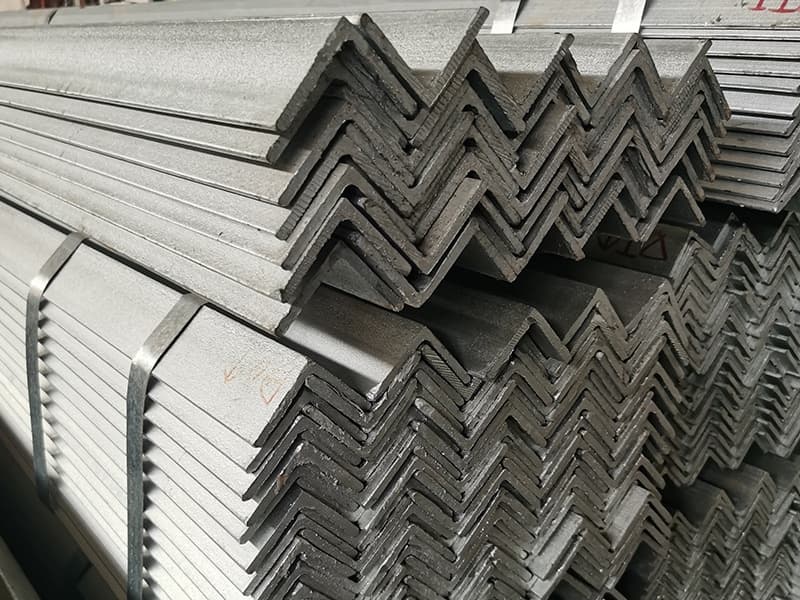
Corrosion is a predictable enemy. For marine angle steel, the fight begins with material selection and continues with a disciplined maintenance plan. Let’s break down the science, the strategies, and the practical steps to protect your steel structures from the relentless sea.
What is the most appropriate material to use when marine corrosion resistance is required?
You need a material for a ship’s frame. Stainless steel seems ideal but is too expensive for the whole hull. The answer is not one material, but a smart, layered system built around a specific type of steel.
The most appropriate and cost-effective material is high-quality carbon steel (like marine-grade AH36/DH36) combined with a robust protective system. This system includes high-performance coatings, cathodic protection, and sometimes corrosion allowance. Stainless steel or copper-nickel alloys are used only for specific, critical components due to their high cost.
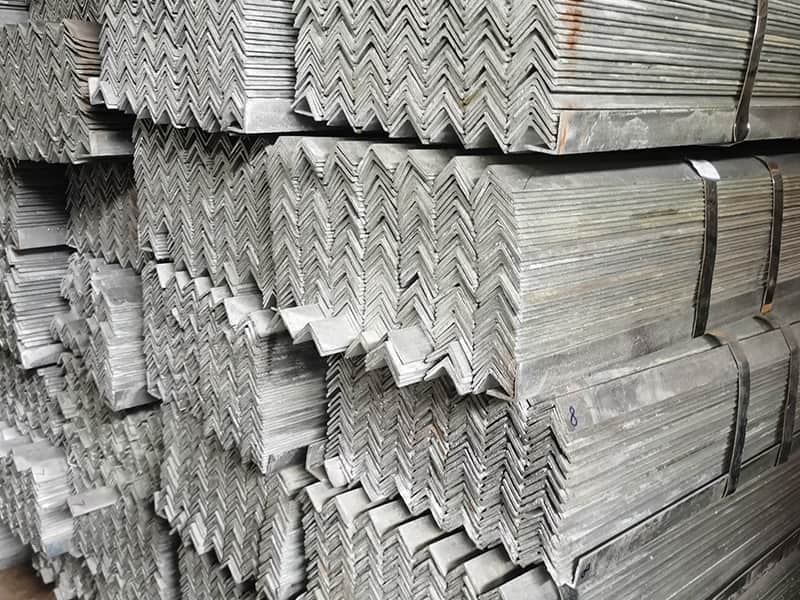
The System Approach: Carbon Steel as the Core
No single bulk material perfectly balances cost, strength, weldability, and corrosion resistance for an entire ship. The maritime industry’s genius is the "systems approach." The base material is chosen for structural performance, and separate, optimized layers are added for corrosion control.
Why Carbon Steel is the Appropriate Base
Marine-grade carbon steel (e.g., AH36, DH36) is the universal choice for hull structures and frames (angle steel) for three key reasons:
- Strength and Toughness: It provides the necessary yield strength (e.g., 355 MPa) and, crucially, impact toughness at low temperatures, which is non-negotiable for safety.
- Weldability and Fabrication: It can be easily and reliably welded into massive, complex structures like ship hulls.
- Cost-Effectiveness: It is vastly more economical than corrosion-resistant alloys for the hundreds or thousands of tons required.
The Protective System: Making Carbon Steel Appropriate
The "appropriateness" comes from the protection applied to it. This is a three-legged stool:
- High-Performance Coating (Barrier Protection): This is the primary defense. A multi-coat paint system (e.g., epoxy primer, epoxy intermediate, polyurethane topcoat) creates a physical barrier between steel and seawater.
- Cathodic Protection (CP): This is the backup defense, especially for underwater areas. Sacrificial zinc anodes are attached to the hull. They corrode instead of the steel, "sacrificing" themselves. This is an electrochemical method.
- Corrosion Allowance: The steel is made slightly thicker (e.g., 1-2mm extra) during design. This extra thickness is the "allowance" for expected corrosion over the vessel’s life, ensuring structural integrity even as some material is lost.
Where Alternative Materials Fit In
Other materials are used where the system approach is impractical or where extreme resistance is needed.
- Stainless Steel (316L): Used for small, critical fittings, propeller shafts, and areas exposed to high erosion. It is too expensive and has different welding challenges for primary structure.
- Copper-Nickel Alloys: Used for piping systems.
- Aluminum Alloys: Used for superstructures to save weight, but requires careful isolation from steel to prevent galvanic corrosion.
- "Weathering Steels": These form a stable rust patina and are sometimes used in above-deck structures. They are not suitable for immersed or splash zones.
This decision matrix shows the appropriateness of different solutions:
| Application Area | Primary Threat | Most Appropriate Material & Strategy |
|---|---|---|
| Ship’s Hull (Immersed) | Seawater immersion, biological growth. | Carbon Steel (AH36/DH36) + Epoxy Coatings + Sacrificial Anodes (CP). |
| Ballast Tanks | Cyclic wet/dry, poor ventilation, accelerated corrosion. | Carbon Steel + Special tank coatings (epoxy, often more coats) + Anodes. |
| Deck & Superstructure (Atmospheric) | Salt spray, UV radiation, mechanical damage. | Carbon Steel + Robust coating system (epoxy/polyurethane). Aluminum for weight saving. |
| Marine Angle Steel Frames (Internal) | Condensation, trapped moisture in corners. | Carbon Steel + Coating. Design to avoid water traps; ensure ventilation. |
| Small Valves, Fasteners | Galvanic corrosion, crevice corrosion. | Stainless Steel (316/316L) or specially coated fasteners. |
Therefore, when you procure marine angle steel, you are procuring the high-quality substrate for this system. Its surface condition (freedom from deep pits, scale) is critical for coating adhesion. Its certification (AH36/DH36) ensures the underlying structure has the strength to last. The material is appropriate because the industry has perfected the methods to protect it.
How to make steel more corrosion resistant?
The steel itself has a natural tendency to rust. But we can alter its surface or its environment to dramatically slow down this process. These methods range from simple coatings to complex metallurgical changes.
Steel is made more corrosion resistant through surface treatments and environmental control. Key methods include applying protective coatings (paint, galvanizing), using metallic coatings (zinc, aluminum), modifying the steel’s chemistry (weathering steel, stainless steel), and implementing cathodic protection systems.
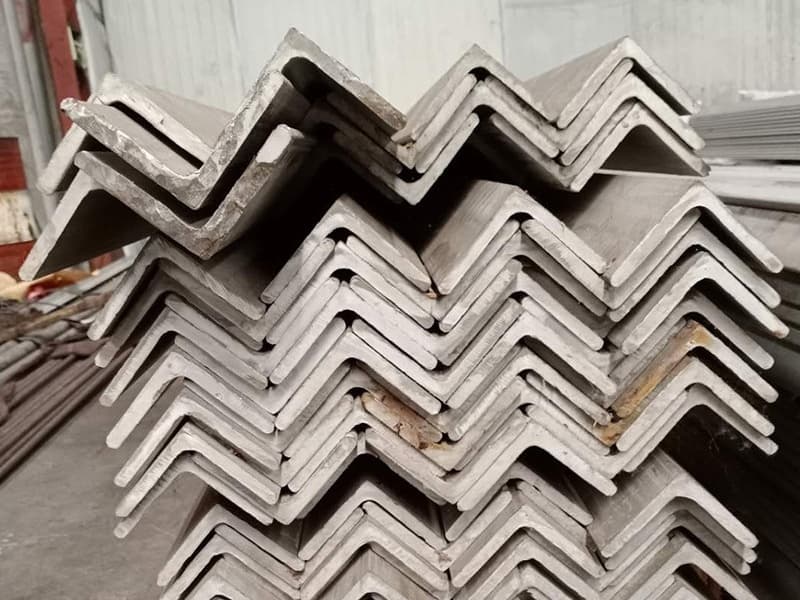
The Arsenal of Resistance: From Surface to Core
Making steel more resistant is about interrupting the electrochemical corrosion circuit. You can attack this problem at different levels: at the steel’s surface, at the steel’s composition, or in the environment around it.
1. Barrier Coatings (The Most Common Method)
This physically separates steel from corrosives (water, oxygen, salts).
- Paints and Polymers: Modern marine coatings are sophisticated. They include:
- Primers: Often zinc-rich epoxies. They provide galvanic protection and excellent adhesion.
- Intermediate Coats: High-build epoxies that provide thickness and barrier properties.
- Topcoats: Polyurethanes or polysiloxanes that provide UV resistance, color, and abrasion resistance.
- Surface Preparation is 80% of Success: Coating fails because of poor adhesion. Steel must be abrasive blast cleaned to a "Near-White Metal" standard (Sa 2.5) to remove all mill scale and rust. For marine angle steel, the inside corner (root) requires special attention to ensure coating penetrates properly.
2. Metallic Coatings (Sacrificial and Barrier)
These involve bonding another metal to the steel surface.
- Hot-Dip Galvanizing (Zinc Coating): The steel is dipped in molten zinc. This provides:
- Barrier Protection: The zinc layer covers the steel.
- Sacrificial (Cathodic) Protection: If the coating is scratched, zinc corrodes preferentially to protect the exposed steel.
- Thermal Spray (Aluminum or Zinc): Metal is melted and sprayed onto the blasted steel surface. Used for large structures that can’t be dipped.
- Sheradizing (Zinc Diffusion): A thermal diffusion process creating a zinc-iron alloy layer.
3. Material Modification
Changing the steel itself.
- Weathering Steels (Atmospheric Corrosion Resistant): Alloyed with small amounts of copper, chromium, nickel, and phosphorus. They form a dense, adherent rust layer (patina) that slows further corrosion. Not suitable for submerged service.
- Stainless Steels: Alloyed with >10.5% Chromium, which forms a passive, self-repairing chromium oxide layer. Different grades (304, 316) offer varying resistance.
- Marine Grade Additions: Standard marine steels (AH36) may have small copper additions for slight atmospheric corrosion benefit, but this is a minor effect compared to coatings.
4. Environmental and Electrochemical Control
- Cathodic Protection (CP): As discussed, this makes the steel the cathode of an electrochemical cell, either with sacrificial anodes (galvanic) or impressed current.
- Desiccants and Control of Humidity: For enclosed spaces, keeping air dry can prevent corrosion.
Application to Marine Angle Steel:
For structural angles in ships, Method 1 (High-Performance Coating) combined with Method 4 (CP for underwater parts) is the standard. Galvanizing (Method 2) is sometimes used for smaller brackets or in less aggressive environments but is less common for primary hull structure due to weldability issues and the superior protection of modern marine paint systems.
Here’s a comparison of popular methods for different contexts:
| Method | How It Works | Best For… | Limitations for Marine Angle Steel |
|---|---|---|---|
| Abrasive Blast + Paint System | Creates a physical/chemical barrier. | Primary hulls, decks, internal structures. The industry standard. | Requires excellent surface prep; needs maintenance (recoating). |
| Hot-Dip Galvanizing | Provides zinc barrier + sacrificial protection. | Guard rails, smaller brackets, land-based structures near coast. | Weldability is affected; coating can be damaged during fabrication of large pieces; not ideal for full hull immersion. |
| Stainless Steel Cladding | Bonds a stainless layer to carbon steel. | Critical areas of chemical tankers. | Very high cost; complex fabrication. |
| Cathodic Protection (Anodes) | Electrochemically suppresses corrosion. | Underwater hull, ballast tanks, submerged structures. Mandatory complement to coatings. | Only works in electrolyte (water); anodes must be replaced. |
| Weathering Steel | Forms protective rust patina. | Bridge decks, architectural elements above the splash zone. | Not for immersed or frequently wet service; runoff can stain. |
The takeaway is that "making steel more resistant" is an active process. It starts with specifying steel with a good, clean surface and continues with applying the correct protective system for its specific environment. As a supplier, we ensure the marine angle steel we provide has a surface condition suitable for these high-performance treatments.
What is the best method to protect steel from corrosion?
Many methods exist, but in the harsh marine environment, one method alone is insufficient. The "best" method is a synergistic combination designed for the specific zone of exposure.
The best method to protect steel in marine environments is a multi-layer, integrated system combining: 1) optimal design to avoid traps, 2) meticulous surface preparation (blasting), 3) a high-performance coating system (epoxy/polyurethane), and 4) cathodic protection for immersed areas. This holistic approach addresses all attack vectors.
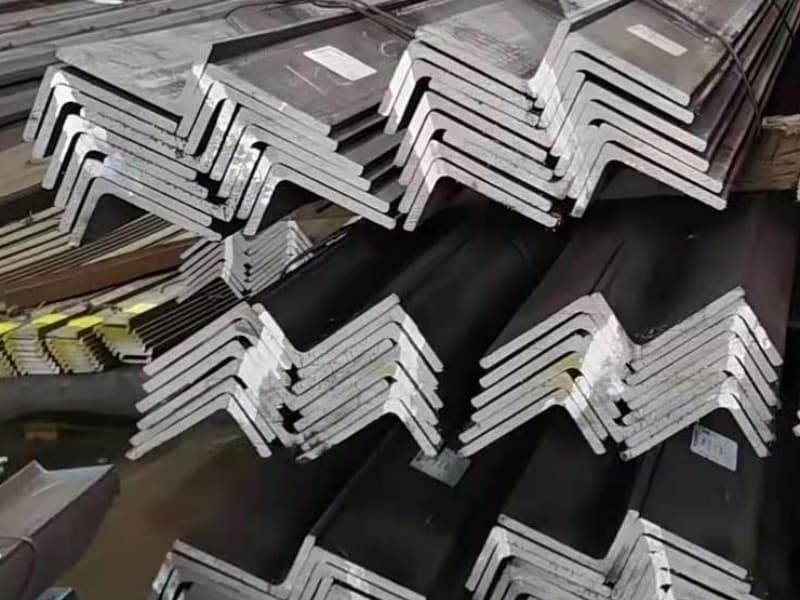
The Defense-in-Depth Philosophy
Relying on a single layer of defense is risky. The best practice, codified in marine standards, is defense-in-depth. If one layer is compromised, the next layer is there to prevent failure. This system must be planned from the design stage.
Layer 1: Good Design and Detailing
This is the first and often overlooked layer of defense. Poor design guarantees corrosion.
- Avoid Crevices: The inside corner of an L-angle is a natural crevice. Design should allow for drainage and ventilation. Use drain holes where possible.
- Avoid Water Traps: Horizontal surfaces should have a slope. Joints should be sealed.
- Access for Maintenance & Inspection: Design must allow for future recoating and anode replacement.
Layer 2: High-Quality Surface Preparation
This is the foundation for all coatings. A coating is only as good as its bond to the steel.
- Standard: Abrasive blast cleaning to Sa 2.5 (Near-White Metal), achieving a surface profile (anchor pattern) suitable for the coating.
- For Marine Angle Steel: Special care must be taken to clean the root and the edges of the legs thoroughly.
Layer 3: High-Performance Coating System
This is the main barrier.
- Typical Marine System:
- Primer: Zinc-rich epoxy (80-100 microns). Provides cathodic protection at scratches.
- Intermediate Coat: High-build epoxy (200-300 microns). Provides the main barrier thickness.
- Topcoat: Aliphatic polyurethane (50-80 microns). Provides UV resistance, color, and gloss retention.
- Application: Must be applied under controlled conditions (temperature, humidity, dew point) by certified applicators. DFT (Dry Film Thickness) must be measured to ensure compliance.
Layer 4: Cathodic Protection (CP)
This is the fail-safe for immersed and buried areas. It works even if the coating is damaged.
- Sacrificial Anode System (Galvanic): Uses zinc or aluminum anodes. Simple, reliable, no external power. Used on most commercial ships.
- Impressed Current System (ICCP): Uses an external power source and inert anodes. More complex, but adjustable and longer-lasting for large vessels like cruise ships or tankers.
Layer 5: Inspection and Maintenance
Protection is not a one-time event.
- Regular Surveys: Class society surveys include close-up inspection of coatings and structure.
- Planned Maintenance: Recoating during dry-docking (typically every 5 years).
- Anode Replacement: Monitoring and replacing sacrificial anodes as they are consumed.
This integrated system is applied differently to the zones of a ship:
| Zone of Ship | Corrosion Threats | Protection System "Recipe" |
|---|---|---|
| Underwater Hull | Immersion, fouling, abrasion. | Sa 2.5 Blast + Epoxy Coatings (Anti-fouling) + Sacrificial Anodes. |
| Boot Top / Splash Zone | Cyclic wet/dry, UV, mechanical impact. | Sa 2.5 Blast + Extra-thick, abrasion-resistant epoxy coating + Possibly additional anode protection. |
| Atmospheric Zone (Deck, Superstructure) | Salt spray, rain, UV, temperature cycles. | Sa 2.5 Blast + Epoxy/Polyurethane Coating System. |
| Ballast Tanks | Severe cyclic wet/dry, poor ventilation. | Sa 3.0 Blast (White Metal) + Special high-build, surface-tolerant tank coatings (often pure epoxy). |
| Internal Spaces (with frames) | Condensation, trapped moisture. | Sa 2.5 Blast + Epoxy coating. Design for ventilation. |
For marine angle steel specifically, its success depends on being part of this system. When we supply it, we know it will be blasted and coated. Therefore, we focus on providing material with a surface free of deep defects that could undermine Layer 2 (surface prep) and Layer 3 (coating). The "best method" is a process, and it starts with receiving the right raw material.
What is the corrosion rate of steel in the marine environment?
You plan maintenance schedules and corrosion allowances. A vague idea isn’t enough. You need a realistic number to work with. The corrosion rate is not fixed; it’s a variable that depends on precise location and conditions.
The corrosion rate of unprotected carbon steel in seawater is typically between 0.1 to 0.5 millimeters per year, but it can be much higher in the splash zone or in polluted harbors. With proper protection (coatings and cathodic protection), the rate can be reduced to less than 0.03 mm/year, which is considered negligible for design purposes.
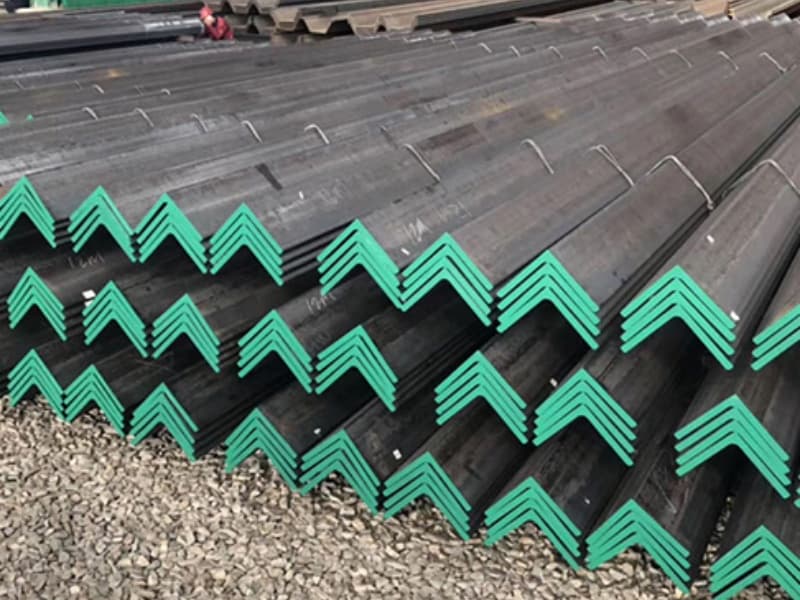
Quantifying the Enemy: From General to Specific
A single "corrosion rate" number is misleading. The marine environment has distinct zones, each with a different corrosion aggressiveness. Understanding these rates is essential for planning maintenance and determining "corrosion allowance" in design.
Corrosion Rates in Different Marine Zones
Steel corrodes at different speeds depending on its exposure.
- Atmospheric Zone (Above Splash): Exposed to salt spray but not continuous seawater. Rates: 0.05 – 0.15 mm/year for unprotected steel. Protected steel (with good coating) has a near-zero rate.
- Splash & Tidal Zone: The most aggressive zone. Steel is continuously wetted and dried, with high oxygen supply. Rates can be 0.3 – 0.5 mm/year or even higher for unprotected steel. This zone requires the most robust protection.
- Continuous Immersion (Submerged): Below the waterline, oxygen supply is lower. Rates for unprotected steel: 0.1 – 0.2 mm/year. The rate often decreases over time as corrosion products build up.
- Mud / Seabed Zone: Very low oxygen. Rates are slow, but microbial corrosion can be a factor.
Factors That Accelerate Corrosion
- Temperature: Corrosion rate roughly doubles for every 10°C (18°F) increase in temperature.
- Pollution: Waters with industrial or sewage pollution are more aggressive.
- Water Velocity: High flow can erode protective films and coatings (erosion-corrosion).
- Galvanic Coupling: If steel is connected to a more noble metal (like bronze), its corrosion rate increases dramatically.
The Concept of Corrosion Allowance
Naval architects don’t design for zero corrosion. They add extra thickness.
- Example: For a hull plate with a design life of 25 years in an immersed zone, if the expected corrosion rate (even with some coating degradation) is 0.05 mm/year, the total corrosion allowance would be 25 x 0.05 = 1.25 mm.
- Therefore, the plate specified might be 16mm thick, where 14.75mm is for structural strength and 1.25mm is the corrosion allowance.
Impact of Protection on the Rate
A well-maintained system changes the equation completely.
- Intact Coating + CP: The corrosion rate is effectively 0.0 mm/year. The steel does not corrode.
- Damaged Coating + CP: The CP system protects the exposed spot. The localized rate might be high at the scratch, but the overall wastage is controlled.
- Failed System: The rate reverts to the unprotected rates mentioned above.
This table puts the numbers into a practical context for maintenance planning:
| Scenario | Estimated Corrosion Rate (mm/year) | Implication for a 15mm thick L-Angle Leg |
|---|---|---|
| Unprotected, in Splash Zone | 0.4 | Would lose ~6mm of thickness in 15 years, reducing strength by ~40%. Unacceptable. |
| Protected with standard coating (no CP, some damage) | 0.05 – 0.1 | Could lose 1.5mm in 15 years. Requires monitoring and timely repair. |
| Protected with robust system (coating + CP for immersed) | < 0.03 | Negligible loss over the vessel's life. The system is working. |
| Internal space with condensation, no coating | 0.02 – 0.05 | Slow but steady loss, especially in crevices (angle root). |
For a fabricator or shipowner, this data is crucial. It tells you:
- Where to focus inspections: The splash zone and tank internals.
- How to set dry-docking intervals: Based on coating life predictions and anode consumption rates.
- The value of quality upfront: Investing in better surface prep and coating during construction pays back many times over by reducing the corrosion rate to near-zero, minimizing maintenance cost and maximizing structural life.
Therefore, the corrosion rate is not a mystery. It is a manageable variable. The quality of the marine angle steel (a clean surface) and the quality of the applied protection system are the two main levers you control to keep that rate as low as possible.
Conclusion
Protect marine angle steel with a multi-layer system: design wisely, prepare the surface perfectly, apply robust coatings, use cathodic protection, and maintain diligently. Understand corrosion rates to plan effectively.