
Choosing between hot rolled and cold rolled bulb flats isn’t just a technical decision—it directly affects your project’s cost, schedule, and structural integrity. I once saw a shipyard in Thailand use cold rolled bulb flats where hot rolled was specified, resulting in weld cracks during fabrication.
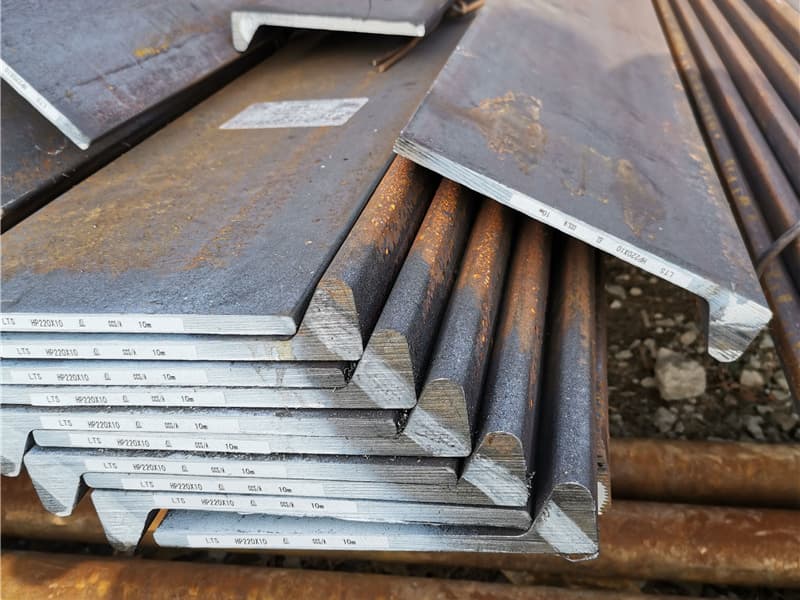
Hot rolled bulb flat steel is formed at high temperatures (over 1700°F), resulting in a rough surface with mill scale, lower dimensional precision, but better ductility and lower cost. Cold rolled bulb flat steel is processed from hot rolled stock at room temperature, offering smoother surfaces, tighter tolerances, higher strength, but reduced ductility and higher cost. For marine applications, hot rolled is standard due to its structural properties and certification availability.
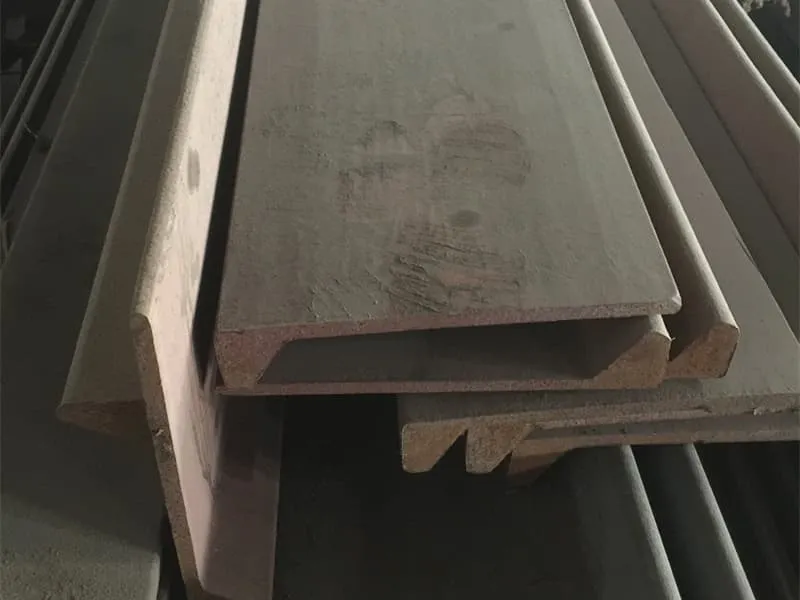
In my years of supplying marine steel to shipyards from Saudi Arabia to Romania, I’ve learned that understanding these manufacturing differences is crucial for making informed decisions. The wrong choice can lead to compliance issues, fabrication problems, or unnecessary costs. Let me share what I’ve discovered about these two fundamental processes.
What is the difference between cold rolled steel1 and hot rolled steel2?
A fabricator in the Philippines once asked why their cold rolled bulb flats couldn’t get ABS certification. The answer lies in the fundamental differences between these two manufacturing processes that affect everything from microstructure to certification eligibility.
The key difference is the forming temperature: hot rolled steel2 is shaped above its recrystallization temperature (over 1700°F/925°C), while cold rolled steel1 is processed at room temperature from previously hot rolled material. This temperature difference affects surface finish (rough vs smooth), dimensional accuracy3 (loose vs tight tolerances), mechanical properties4 (lower vs higher strength), and cost (lower vs higher). For structural applications like bulb flats, hot rolling is the standard method.
Understanding the Core Manufacturing Distinctions
Based on my visits to mills and discussions with metallurgists, I’ve come to appreciate how these processes create fundamentally different products.
The Hot Rolling Process in Practice
Hot rolling happens in several stages:
- Heating: Steel slabs are heated to 1100-1300°C (2012-2372°F)
- Roughing: Initial reduction to intermediate dimensions
- Finishing: Final shaping to required profile
- Cooling: Controlled cooling on cooling beds
What this means for bulb flats:
- The steel remains ductile throughout forming
- Mill scale forms naturally during cooling
- Residual stresses are generally lower
- The grain structure is more uniform
The Cold Rolling/Forming Reality
Cold processing involves:
- Starting material: Hot rolled steel sections
- Cleaning: Pickling to remove mill scale
- Forming: Rolling or bending at room temperature
- Annealing: Sometimes used to restore ductility
For bulb flats, this typically means:
- Starting with hot rolled flats or similar profiles
- Cold bending to create the bulb profile
- Achieving precise dimensions but with work hardening
Practical Comparison from Supplier Experience
| Aspect | Hot Rolled Bulb Flats | Cold Rolled/Formed Bulb Flats |
|---|---|---|
| Surface Finish | Blue-gray mill scale, rough texture | Smooth, metallic finish, scale-free |
| Dimensional Tolerance | ±2-3mm on typical dimensions | ±0.5-1mm, much tighter |
| Corner Radius | Larger, natural radii | Sharper, more defined corners |
| Straightness | May have slight curvature | Generally very straight |
| Certification Availability | Full ABS, LR, DNV certification | Limited or no classification approval |
| Typical Applications | Ship hulls, offshore structures, heavy construction | Architectural, light structural, decorative |
Why This Matters for Marine Projects
From working with classification societies:
- Certification Requirements: Classification societies (ABS, LR, DNV) have specific rules for hot rolled structural sections
- Weldability: Hot rolled steel typically has better welding characteristics
- Impact Toughness: Hot rolling preserves the steel’s ductility and toughness properties
- Traceability: The entire manufacturing process for hot rolled sections is traceable from melt to finished product
I recall a project in Qatar where the engineer specified cold formed sections for aesthetic reasons in a visible area. We had to carefully explain that while we could supply them, they wouldn’t carry the same marine certification as hot rolled equivalents. This transparency allowed them to make an informed risk assessment.
What is the difference between hot and cold steel1?
A client in Vietnam once asked if they could use "cold steel1" for their ship’s frame to save money. This misunderstanding about terminology revealed a common confusion—people often think "cold steel1" refers to a type of material rather than a manufacturing process.
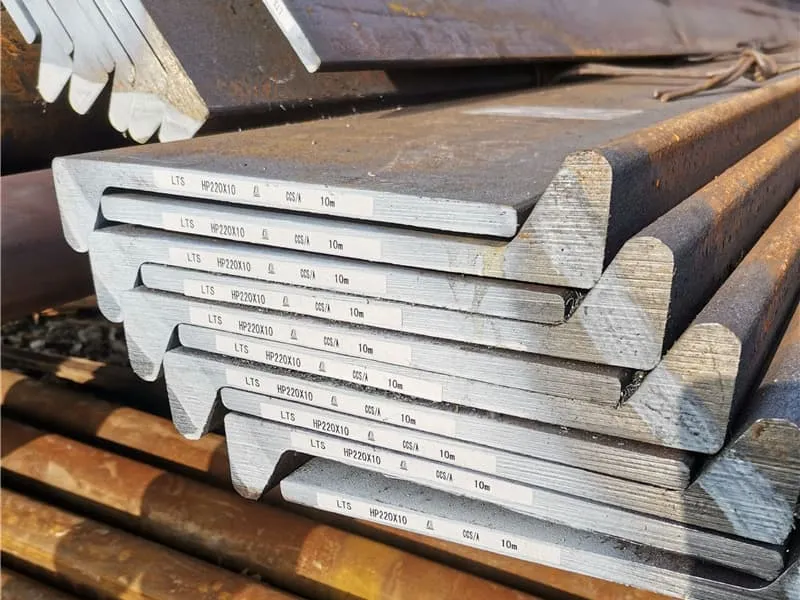
"Hot steel" refers to steel processed at high temperatures (hot rolling, forging), while "cold steel1" refers to steel processed at or near room temperature (cold rolling, cold forming). The temperature difference affects the steel’s work hardening2 behavior, internal stresses, and final properties—hot processed steel is more ductile with fewer internal stresses, while cold processed steel is stronger but more brittle and contains residual stresses3. For structural components like bulb flats, hot processing is essential for achieving required toughness.
The Metallurgical Impact of Processing Temperature
Through technical discussions with mill engineers, I’ve learned how temperature fundamentally changes steel’s behavior and properties.
What Happens During Hot Processing
When steel is worked above its recrystallization temperature:
- Grains reform: The crystal structure can recrystallize during deformation
- Stress relief: Internal stresses are minimized
- Ductility maintained: The steel remains easy to form
- Scale formation: Iron oxide (mill scale) forms naturally
For bulb flat production, this means:
- Consistent mechanical properties throughout the section
- Good impact toughness4 at low temperatures
- Predictable welding behavior
- Natural stress relief
What Happens During Cold Processing
Working steel at room temperature causes:
- Work hardening: Dislocations pile up, increasing strength but reducing ductility
- Residual stresses: Internal stresses remain locked in
- Dimensional precision: Tighter control is possible
- Surface quality: Better finish without scale
For formed sections, this results in:
- Higher yield strength but lower elongation
- Potential for springback after forming
- Possible anisotropic properties (different in different directions)
Property Comparison from Actual Test Data
| Mechanical Property | Hot Rolled Bulb Flat (Typical) | Cold Formed Bulb Flat (Typical) |
|---|---|---|
| Yield Strength | 235-355 MPa (as rolled) | 275-450 MPa (due to work hardening2) |
| Tensile Strength | 400-550 MPa | 450-600 MPa |
| Elongation | 22-28% | 10-20% |
| Impact Toughness (Charpy) | Good to excellent | Reduced, often not tested |
| Hardness | Lower | Higher due to work hardening2 |
Practical Implications for Fabricators
Based on feedback from our clients:
- Cutting and Drilling: Cold formed steel is harder to work with
- Welding: Hot rolled steel welds more predictably
- Straightening: Cold formed sections resist straightening due to work hardening2
- Fatigue Performance: Hot rolled typically performs better in cyclic loading
A Real-World Manufacturing Insight
I visited a mill that produces both types. Their hot rolling line for bulb flats runs continuously, with the steel glowing orange as it passes through the stands. Their cold forming line takes cooled hot rolled flats and bends them in massive presses. The difference in energy consumption alone is significant—hot rolling uses more energy for heating but less for forming, while cold forming uses less energy overall but requires more force.
The takeaway? When shipyards in Saudi Arabia or Mexico ask for bulb flats, they’re almost always asking for hot rolled products. The marine industry has standardized on hot rolling for structural components because it provides the right balance of properties for harsh ocean environments.
What is CRC and HRC?
When reviewing a purchase order from a client in India, I noticed they specified "HRC bulb flats1" but their technical requirements matched CRC properties. This confusion between material grades and processing methods required clarification to ensure they received the right product.
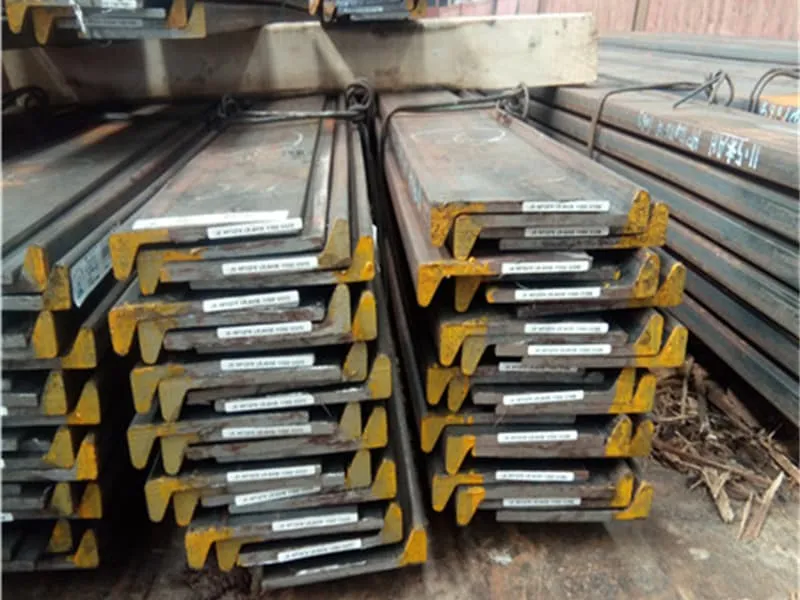
CRC typically means Cold Rolled Coil2 (referring to sheet/coil products), while HRC means Hot Rolled Coil3. However, in the context of bulb flats1 and structural sections4, these terms are often misapplied—bulb flats1 are produced as discrete sections, not as coil products. The correct terminology for bulb flats1 would be "hot rolled bulb flats1" or "cold formed bulb flats1," not CRC or HRC. Understanding this distinction prevents specification errors5 in procurement documents.
Clarifying Industry Terminology for Steel Products
Through daily communications with international clients, I’ve identified common terminology confusion that affects purchasing decisions.
What CRC and HRC Really Mean
In standard steel industry usage:
- HRC: Hot Rolled Coil3 – sheet/coil products from hot rolling mills
- CRC: Cold Rolled Coil2 – sheet/coil products from cold rolling mills
- These are flat products, typically used for:
- Automotive panels (CRC)
- Construction sheets (HRC)
- Appliance manufacturing
- Pipe and tube making
Why These Terms Don’t Apply to Bulb Flats
Bulb flats are structural sections4, not flat products:
- Different manufacturing lines: Coils come from strip mills, sections from structural mills
- Different equipment: Coil production uses continuous rolling, sections use reversing mills
- Different applications: Coils become sheets, sections become structural members
- Different specifications: Coils have thickness/width specs, sections have profile dimensions
Common Specification Errors I’ve Corrected
| Client Specification | What They Likely Meant | Correct Terminology |
|---|---|---|
| "HRC bulb flat 200×10" | Hot rolled bulb flat | Hot rolled bulb flat 200x10mm |
| "CRC steel section" | Cold formed section | Cold formed steel section |
| "HRC angle bar" | Hot rolled angle | Hot rolled steel angle |
| "CRC beam" | Cold formed beam | Cold formed steel beam |
How to Specify Bulb Flats Correctly
Based on my experience with technical documentation:
- Use full descriptive names: "Hot rolled bulb flat steel"
- Include standards: "JIS G3192 bulb flat" or "DIN 1025 bulb flat"
- Specify dimensions: "Bulb flat 250 x 12 mm"
- Add grade if needed: "ABS AH36 hot rolled bulb flat"
- Clarify if cold formed: Only if specifically required for non-structural uses
Industry Practice Insights
From working with mills:
- Mill certificates for sections never say "HRC" or "CRC"
- Order systems use specific product codes for sections
- Shipping marks identify sections by profile type, not coil terminology
- Quality documents reference section standards, not coil standards
A Helpful Reference Table
| Product Type | Industry Term | Typical Form | Common Use |
|---|---|---|---|
| Flat steel | HRC/CRC | Coils, sheets | Automotive, appliances |
| Structural sections | Beams, angles, channels, bulb flats1 | Discrete lengths | Construction, shipbuilding |
| Plate products | Plate | Flat sheets | Ship hulls, pressure vessels |
| Bar products | Round bar, flat bar | Straight lengths | Machinery, construction |
When Gulf Metal Solutions first inquired about "spherical flat steel," we had a productive discussion about terminology. They meant bulb flats1, but using the correct term in their future communications with other suppliers ensured they received exactly what they needed for their shipbuilding projects in Saudi Arabia.
What is hot rolled flat steel1?
A shipyard in Romania once ordered "hot rolled flat steel1" expecting to receive plate material, but received flat bars2 instead. This misunderstanding delayed their production until we clarified the difference between flat products and specific structural shapes.
Hot rolled flat steel is a broad category covering steel products rolled at high temperatures into flat shapes, including plates (thicker than 3mm), sheets (thinner than 3mm), strips (narrow coils), and flat bars2 (rectangular sections). However, bulb flats3 are not "flat steel"—they’re structural sections with a specific T-shaped profile containing a bulb at one end, designed for stiffness rather than flatness. Confusing bulb flats3 with flat steel leads to procurement errors and application mismatches.
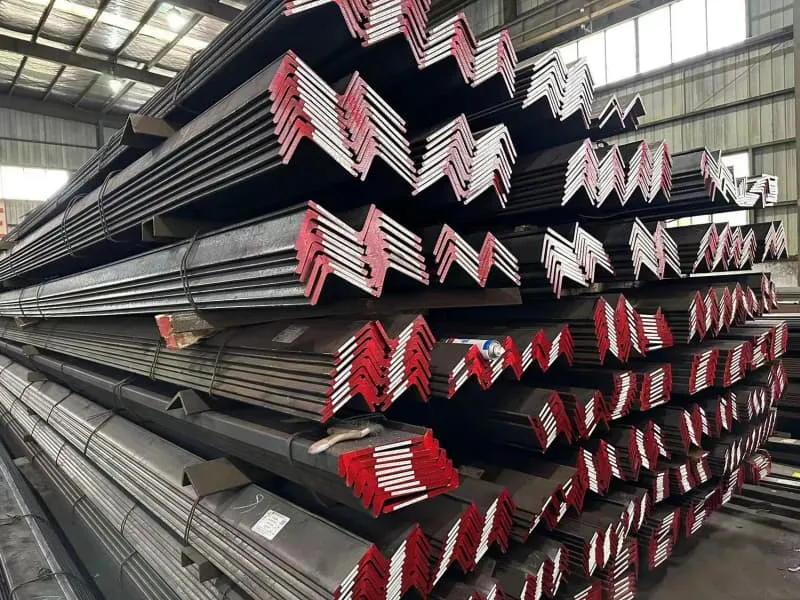
Understanding Hot Rolled Product Categories
From managing thousands of shipments, I’ve developed a clear framework for categorizing hot rolled products that helps clients specify exactly what they need.
The Four Main Categories of Hot Rolled Flat Products
-
Steel Plates:
- Thickness: Typically 3mm to 200mm+
- Width: 1500mm to 4000mm+
- Form: Single plates or coils
- Use: Ship hulls, pressure vessels, structural fabrications
-
Steel Sheets:
- Thickness: Under 3mm to 0.4mm
- Width: Various, often in coils
- Form: Primarily coils
- Use: Automotive, appliances, light construction
-
Steel Strips:
- Thickness: Similar to sheets
- Width: Narrower than sheets
- Form: Coils
- Use: Pipe making, edge trimming, specialized applications
-
Flat Bars:
- Thickness: 3mm to 50mm
- Width: 20mm to 300mm
- Form: Straight lengths
- Use: Framing, supports, machinery bases
Where Bulb Flats Fit In
Bulb flats belong to a different category: Structural Sections
- Profile: Specific T-shape with bulb
- Manufacturing: Rolled in section mills, not plate/strip mills
- Standards: JIS G3192, DIN 1025, etc.
- Purpose: Stiffening, not covering or sheeting
Common Confusion Points I’ve Addressed
| Client Request | What They Usually Need | Why the Confusion Happens |
|---|---|---|
| "Flat steel for stiffeners" | Bulb flats | Both are "flat" in appearance |
| "HR plate for framing" | Possibly bulb flats3 or angles | Framing implies sections, not plate |
| "Steel flats" | Could be flat bars2 or bulb flats3 | Imprecise terminology |
| "Profile steel" | Usually bulb flats3 or other sections | More accurate terminology |
Procurement Best Practices
Based on my experience helping clients:
- Describe the function: "I need stiffeners for a ship’s hull" rather than "I need flat steel"
- Use technical drawings: Include sketches or drawings whenever possible
- Reference applications: "For shipbuilding" or "for structural framing"
- Provide context: "To replace existing bulb flats3" or "similar to attached photo"
Technical Specification Checklist
When ordering hot rolled products:
- For plates: Thickness x Width x Length, grade, surface finish
- For sheets: Thickness x Width, grade, coating requirements
- For flat bars2: Thickness x Width x Length, grade, edge condition
- For bulb flats3: Profile designation (e.g., BP200x10) or dimensions, standard, grade
Industry Perspective
In marine applications, the distinction is critical:
- Classification societies have different rules for plates vs. sections
- Testing requirements differ between product types
- Certification documents specify the product category
- Welding procedures vary based on product type
I’ve found that taking an extra minute to clarify terminology saves hours of correction later. When clients in Pakistan or Thailand send inquiries, we ask specific questions about their application to ensure we recommend the right product category. This approach has significantly reduced ordering errors and improved client satisfaction across all our export markets.
Conclusion
Understanding the distinctions between hot rolled and cold processed steel, correct industry terminology, and proper product categorization ensures you select the right bulb flat steel for marine applications while avoiding specification errors and compliance issues.
-
Explore this link to understand the various applications and benefits of hot rolled flat steel in different industries. ↩ ↩ ↩ ↩ ↩ ↩ ↩ ↩ ↩ ↩ ↩ ↩ ↩ ↩ ↩ ↩
-
Understand the role of flat bars in construction and their various applications in structural support. ↩ ↩ ↩ ↩ ↩ ↩ ↩ ↩ ↩ ↩ ↩ ↩
-
Explore the unique characteristics of bulb flats and their specific applications in structural engineering. ↩ ↩ ↩ ↩ ↩ ↩ ↩ ↩ ↩ ↩ ↩
-
Understanding structural sections is crucial for anyone involved in construction or manufacturing, ensuring proper material selection. ↩ ↩ ↩ ↩
-
Identifying specification errors can prevent costly mistakes in purchasing and ensure the right products are ordered. ↩