
A poorly designed ship frame wastes steel, increases fuel consumption, and risks structural failure. Every extra ton of steel in the frame is a ton less cargo you can carry. Optimization is not about cutting corners; it is about smart engineering for maximum strength with minimum weight.
You optimize ship frame design by strategically selecting and sizing marine steel sections like L-angles and bulb flats. This involves precise structural analysis to place material only where it is needed, using high-strength steel grades to reduce thickness, and designing efficient connections to minimize stress concentrations and welding weight.
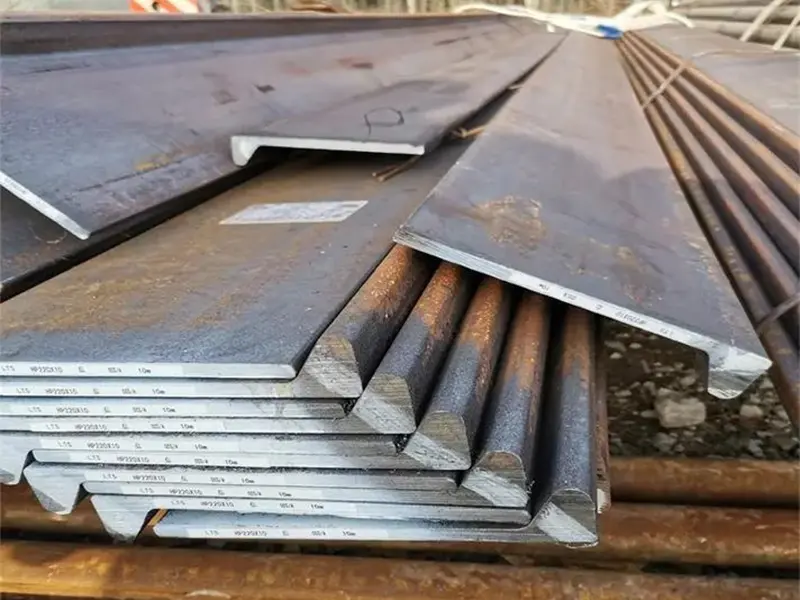
Optimization is a process. It starts long before the first piece of steel is cut. To do it right, you need to understand the full design journey, the trade-offs involved, and how every choice impacts the final vessel. Let’s walk through the key principles that guide an optimal frame design.
What are the 4 stages of ship design?
Building a ship is a massive project. You cannot start cutting steel on day one. The design process is a structured journey from a vague idea to a precise set of instructions for the shipyard. Each stage adds more detail and refines the decisions from the previous stage.
The four main stages of ship design are: Concept Design1 (exploring feasibility), Preliminary Design2 (defining main dimensions and layout), Contract Design (finalizing technical specifications for the contract), and Detailed Design3 (producing all workshop drawings4 for construction). Frame optimization happens progressively through these stages.
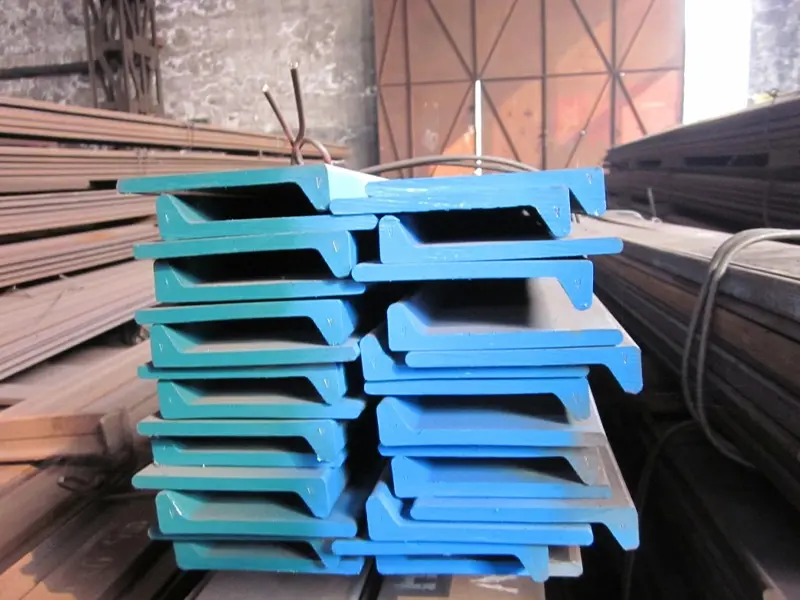
Each stage has a specific goal and delivers specific outputs. The decisions made about the frame structure become more concrete and detailed as you move through these phases.
A Detailed Walkthrough of the Ship Design Process
The process is iterative. Findings in a later stage can force a review of an earlier decision, but the general flow is sequential and logical.
1. Concept Design1 (Initial Stage)
This is the "big picture" phase. The goal is to see if the owner’s idea is technically and economically possible.
- Input: Owner’s requirements (cargo type, capacity, speed, range).
- Activities: Naval architects create several rough vessel concepts. They estimate main dimensions (length, breadth, depth), hull form, and propulsion power. They make a first estimate of steel weight.
- Output for Frame: A basic structural concept is chosen (e.g., single hull, double hull, type of framing system). The decision between longitudinal or transverse framing for primary strength is made here. This is the first major optimization choice.
2. Preliminary Design2 (Basic Design)
Now the chosen concept gets its bones. The goal is to define the ship’s characteristics in enough detail for a reliable cost estimate.
- Activities: The hull form is finalized with lines plans. General arrangement plans are drawn. The principal structural members are sized—this is where frame optimization5 truly begins. The midship section is designed, determining the size of the keel, deck girders, side frames (often L-angles), and bottom longitudinals (bulb flats). Materials are selected (e.g., AH36 vs. DH36 steel).
- Output for Frame: A preliminary midship section drawing. Sizes for primary frames and longitudinal stiffeners are established based on rule-based calculations or initial finite element analysis (FEA). The goal is to meet classification society rules with an efficient layout.
3. Contract Design (Functional Design)
This stage produces the definitive technical package that becomes part of the building contract. The goal is to freeze all key parameters.
- Activities: All major systems are specified. The structural design is developed further. Detailed structural drawings are made for the entire hull, showing all frames, floors, girders, and bulkheads. The exact grades and specifications for all marine steel6 (plates, L-angles, bulb flats) are listed.
- Output for Frame: A complete set of structural arrangement and scantling drawings. This is the "what" and "where" for the frame. A shipyard bidding on the project will use these to calculate their exact material needs, potentially sourcing from suppliers like us.
4. Detailed Design3 (Production Design)
This is the final, most granular stage. The goal is to create instructions a welder can follow.
- Activities: Every single steel part is detailed. This includes workshop drawings4 for each individual frame, bracket, and stiffener. Nesting plans are created to optimize plate cutting and minimize waste. Assembly sequences are planned.
- Output for Frame: The final, optimized shape and size of every piece of L-angle for frames and every length of bulb flat. Cutting lists and material take-offs are generated. This is the procurement list that a company like Gulf Metal Solutions would receive from a shipyard, and then source from us.
Understanding this process shows that optimization is not a last-minute trick. It is a philosophy applied at every stage, from the first concept to the final cutting list. A supplier who understands this process can better support shipyards and fabricators by providing materials that match the precise stage of development.
What is the disadvantage of using steel in ship building?
Steel is the best material we have for building large ships. But "best" does not mean perfect. Every material has trade-offs. Ignoring steel’s disadvantages leads to inefficient designs, high operating costs, and maintenance headaches.
The primary disadvantages of steel in shipbuilding are its high density1 (weight), which reduces cargo capacity, and its susceptibility to corrosion2 in seawater, requiring continuous and costly protection systems. Other issues include fatigue3 under cyclic loads and the complexity/expense of welding and fabrication.
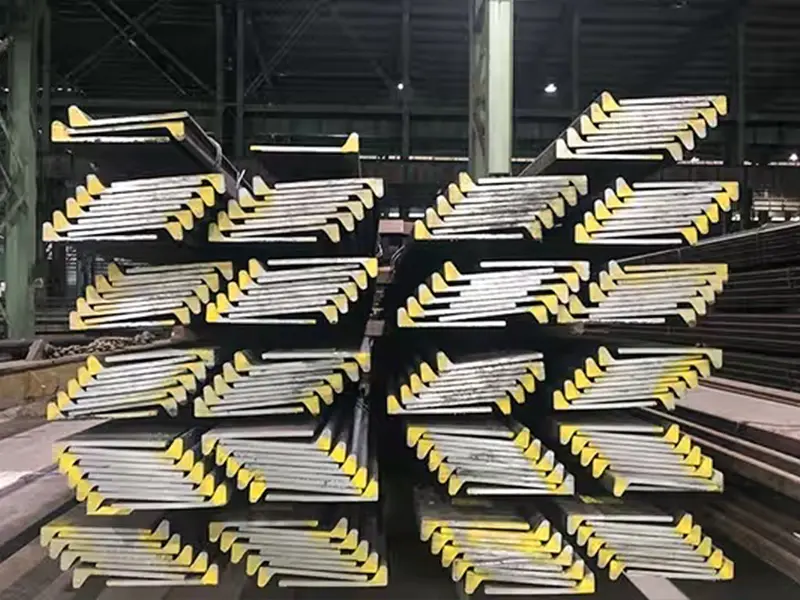
These disadvantages are not reasons to abandon steel. They are engineering challenges that must be managed through smart design, material selection4, and maintenance. Let’s examine each one and see how optimization tries to mitigate it.
Analyzing the Key Challenges and Mitigation Strategies
We can think of these disadvantages as problems to be solved at the design and operational stages.
1. High Density and Weight
Steel is heavy. Every kilogram of steel in the hull is a kilogram that cannot be cargo.
- The Problem: A heavier ship needs more power to move, burns more fuel, and has lower deadweight tonnage (cargo capacity).
- Optimization Mitigation:
- Use High-Strength Steel (HSS): Grades like AH36 or DH40 have a higher yield strength. This allows designers to use thinner plates and smaller sections for the same strength, directly reducing steel weight. This is a core optimization tactic.
- Structural Optimization: Using advanced software (FEA), designers can remove material from areas of low stress. They can shape frames and brackets to be efficient, using just enough steel where it is needed. The use of optimized sections like bulb flats instead of simple flat bars is a direct result of this—more strength per kilogram.
- Alternative Materials: For superstructures, aluminum is sometimes used to reduce top-side weight and improve stability.
2. Corrosion
Steel rusts when exposed to water and air. Seawater accelerates this process dramatically.
- The Problem: Corrosion reduces the thickness of structural members, weakening the ship. It requires constant vigilance and expensive repairs.
- Optimization Mitigation:
- Corrosion Allowance: Designers add extra thickness to plates (e.g., 1-2mm) knowing it will corrode over the ship’s life. This is a simple but heavy solution.
- Protective Systems: This is the main defense. It includes high-performance coatings (paint) and cathodic protection (sacrificial anodes). Optimizing design means ensuring all areas are accessible for coating application and maintenance.
- Material Choice: Using steel with improved corrosion2 resistance, often specified by our mills with small additions of copper or nickel, can slow the rate of attack.
3. Fatigue
Ships are constantly flexing in waves. This creates cyclic stresses that can cause cracks to initiate and grow over time.
- The Problem: Fatigue cracks typically start at stress concentrations—sharp corners, poor weld details, or misaligned members.
- Optimization Mitigation:
- Good Detail Design: This is crucial. Frame optimization includes designing smooth transitions, using scallops (soft openings) in brackets, and ensuring good weld profiles to minimize stress risers.
- Careful Welding: High-quality welds with good penetration and no defects are essential to avoid being the starting point for fatigue3 cracks.
4. Fabrication Complexity and Cost
Cutting, bending, and welding thick steel is labor-intensive, energy-consuming, and requires high skill.
- The Problem: High construction costs and potential for human error.
- Optimization Mitigation:
- Design for Production: Optimized frames use standardized sections (like our L-angles and bulb flats) that are readily available. They minimize complex curved shapes. They design connections that are easy to weld.
- Prefabrication: Building large sub-assemblies (like a complete frame section) in a workshop under controlled conditions improves quality and reduces time in the dry dock.
The table below summarizes the challenges and the designer’s response:
| Disadvantage | Consequence | Optimization & Mitigation Strategy |
|---|---|---|
| High Weight | Less cargo, more fuel. | Use High-Strength Steel (HSS); Optimize scantlings with FEA; Use efficient profiles (bulb flats). |
| Corrosion | Loss of thickness, structural weakening. | Apply corrosion allowance5/www.international-marine.com/en/blog/what-corrosion-how-prevent-it)2 allowance; Use protective coatings & anodes; Specify corrosion2-resistant steel. |
| Fatigue | Crack initiation and growth over time. | Design smooth details; Ensure high weld quality; Avoid stress concentrations. |
| Fabrication Cost | High construction time and expense. | Design for production; Use standard sections; Promote prefabrication6. |
A good supplier is part of the solution. By providing stable quality steel with consistent dimensions and properties, we help fabricators reduce waste and rework. By offering SGS inspection support, we help mitigate the risk of material defects that could exacerbate fatigue3 or corrosion2 problems. Optimization is a team effort between the designer, the shipyard, and the material supplier.
How does the design of the hull affect the vessel’s stability?
Stability keeps a ship upright. Poor stability causes a ship to capsize. The hull design is the single most important factor in determining a vessel’s inherent stability. It is not just about making the hull strong; it is about making it float in a safe and predictable way.
Hull design1 directly affects stability through three key geometric properties: beam (width)2, draft (depth in water)3, and the shape of the underwater hull (the hull form4). A wider beam increases initial stability5 but can lead to quicker, uncomfortable rolling. A deeper draft lowers the center of gravity, improving overall stability6. The hull form4 affects how buoyancy is distributed when the ship heels.
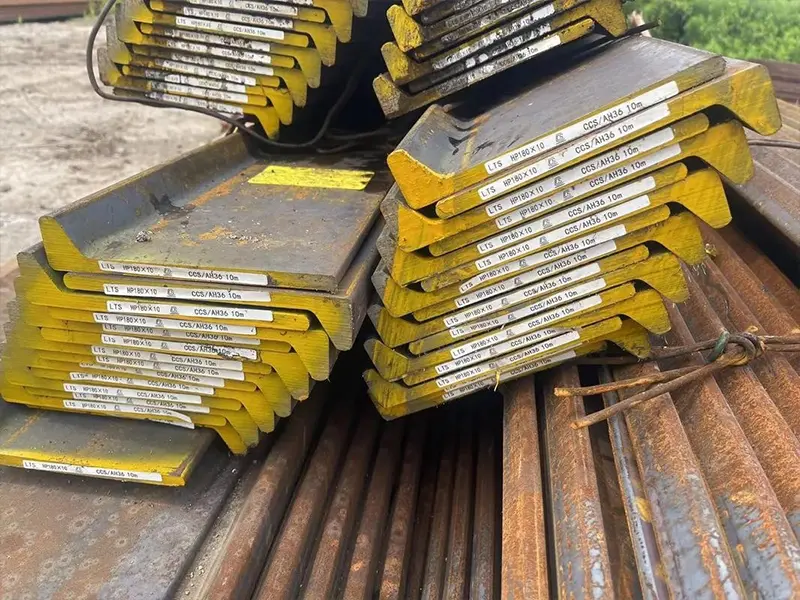
Stability is a complex balance. The frame structure, while inside the hull, is a major part of this equation because it determines where the weight of the steel itself is located.
The Interplay Between Hull Form, Frame, and Stability
We need to understand two main types of stability: initial stability5 (resistance to starting to heel) and overall stability6 (ability to recover from a large heel).
1. How Hull Geometry Sets the Baseline
- Beam (Breadth): This is the most direct factor. Think of a wide barge versus a narrow sailboat. A wider hull means the center of buoyancy can shift sideways more as the ship heels, creating a stronger righting arm to push the ship back upright. This gives high initial stability5. However, a very wide hull can have a short rolling period, leading to quick, snappy rolls that are uncomfortable and stressful on the structure.
- Draft (Depth in Water): A deeper draft puts more of the ship’s volume (and thus buoyancy) lower in the water. It also allows heavy items like engines and ballast to be placed lower. This lowers the ship’s overall center of gravity (G), which dramatically improves both initial and overall stability6.
- Hull Form (Shape): The shape of the underwater body matters. A full, box-like hull (like a bulk carrier) has buoyancy distributed evenly. A fine, V-shaped hull (like a container ship) has buoyancy concentrated more in the center. When the ship heels, the shape determines how quickly the center of buoyancy moves to create a righting moment.
2. How the Frame Design Influences Weight Distribution
The steel frame is a huge part of the ship’s lightship weight. Where this weight is placed is crucial.
- Vertical Center of Gravity (VCG)7: This is the average height of all weight. An optimized frame design tries to minimize steel weight and place that weight as low as possible. Using high-strength steel for upper decks reduces top-side weight. Designing efficient but deep enough frames in the bottom structure adds weight low down.
- Longitudinal Weight Distribution: The frame must support all the cargo and machinery. If the frame is not designed to distribute these loads properly along the ship’s length, it can cause excessive bending (hogging/sagging), which indirectly affects stability by changing the hull’s shape in the water.
3. The Stability-Structure Trade-off in Design
There is a direct link between stability demands and frame size.
- Demand for High Stability: If a ship needs very high stability (like a heavy lift vessel or a cruise ship with high topsides), the designer may need a wider beam and deeper draft. A deeper draft often requires a deeper double-bottom structure, which means taller floors and more substantial bottom framing. This increases the amount of L-angle and plate steel used.
- Optimization Goal: The naval architect uses stability software8 to model the hull with its calculated frame weight. They adjust the hull form4 and the weight distribution (through frame design) until they meet strict international stability criteria (like the IMO’s IS Code) with an efficient, minimum-weight structure.
For a fabricator building a hull section, understanding this link is important. They are not just welding pieces of L-angle; they are placing the weight that determines the ship’s balance. This is why the specifications for the steel sections are so precise. An error in the weight or dimensions of the frames can shift the center of gravity and affect the calculated stability.
What is the best steel for ship building?
There is no single "best" steel for all ships. The best steel is the one that perfectly matches the specific requirements of the vessel’s design, its intended service, and the rules it must follow. Choosing it is a balance of strength, toughness, weldability1, and cost.
The best steel for shipbuilding is marine-grade steel2 certified by classification societies3 (ABS, BV, DNV, LR, etc.) in the appropriate strength and toughness grade4. For most ocean-going vessels, Normal Strength (Grade A/B/D) or Higher Strength Steel5 (AH32/36/40, DH32/36/40) like ABS AH36 or equivalent is the industry-standard optimal choice, offering an excellent balance of properties.
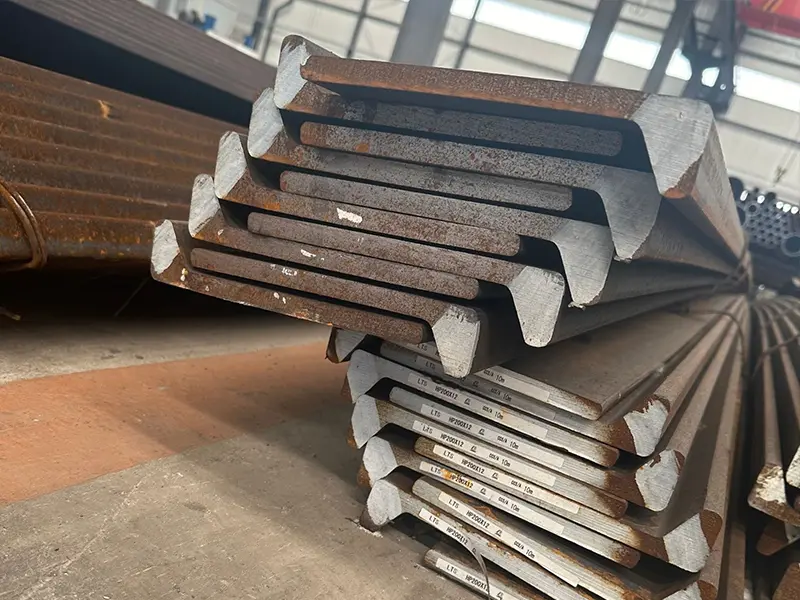
The word "best" needs context. We must ask: Best for what? Best for strength? Best for Arctic service? Best for cost-effective coastal barges? Let’s break down the selection criteria.
Defining "Best" Through Application and Specification
We can evaluate steel choices based on a set of key decision factors.
1. The Rule of Classification Societies
First, the "best" steel is one that is approved. A ship cannot be classed and insured without steel certified to the rules of a society like ABS, BV, or DNV. This certification is your guarantee of consistent quality, traceability, and tested properties. This is non-negotiable.
2. Strength Grade Selection: Normal vs. Higher Strength
- Normal Strength Steel6 (Grades A, B, D, E):
- Best for: Smaller vessels (tugs, fishing boats, barges), inland waterway ships, and less critical areas of larger ships.
- Why: It is cost-effective and meets the strength requirements for these applications. Grade B (tested at -20°C) is the most common general-purpose grade.
- Higher Strength Steel5 (HSS – Grades AH, DH, EH):
- Best for: The hull structure of large merchant vessels—oil tankers, bulk carriers, and container ships.
- Why: The higher yield strength (355, 390, 420 MPa) allows for thinner plating and smaller stiffeners. This reduces the ship’s steel weight7 by 10-20%, which directly translates to more cargo capacity (deadweight) or less fuel consumption. For optimized frame design, HSS is often the "best" choice because it enables lightweight, efficient structures.
3. Toughness Grade Selection (The A, B, D, E Designation)
This is about the service environment.
- Grade A/B: Suitable for tropical and temperate waters.
- Grade D/E: Best for ships operating in cold waters (North Atlantic, Arctic). The frame in the forward part of the ship and the sheer strake are often required to be Grade D or E to prevent brittle fracture in icy conditions.
4. Delivery Condition
- As-Rolled (AR): For thinner plates and less critical applications.
- Normalized (N): Often the best balance for most frame components. Normalizing refines the grain structure, improving toughness and ensuring consistent properties through the thickness. Most of our L-angle and plate for critical structures is supplied in the normalized condition.
- Thermo-Mechanical Control Process8 (TMCP): This is a premium option. It provides an excellent combination of high strength and superior weldability1 (very low Ceq). It is "best" for the thickest plates in highly optimized, weight-sensitive designs.
5. Practical Considerations for "Best"
- Weldability: Steel with a lower Carbon Equivalent9 (Ceq) is easier and safer to weld, reducing fabrication costs and risk. This is a key factor in choosing the "best" steel for a project.
- Availability: The "best" steel is also one you can get on time. This is where a reliable supplier with long-term mill relationships is critical. Our partnerships ensure we can deliver the required grades—be it AH36 plate for a tanker in Romania or Grade B L-angles for a barge in Myanmar—with consistent quality and fast delivery from our stock in Shandong.
The following table helps guide the "best" choice:
| Vessel Type / Requirement | Likely "Best" Steel Grade Choice | Primary Reason |
|---|---|---|
| Large Container Ship / Oil Tanker | AH36 or DH36 (Normalized or TMCP) | High strength for weight saving; Good toughness for ocean service. |
| Arctic Supply Vessel | DH36 / EH36 or higher (Normalized) | High strength combined with exceptional low-temperature toughness (Grade D/E). |
| General Cargo Ship / Tug | Grade B or D Normal Strength | Cost-effective; Meets strength needs for smaller size/less severe loading. |
| High-Speed Craft | Higher Strength, Low-Alloy Steel | Maximize strength-to-weight ratio for speed. |
For our clients, the "best" steel is the one specified on their drawing, delivered with the correct certification, on schedule, and with consistent quality. This reliability is what allows them to optimize their own fabrication processes and deliver quality hull sections to their shipyard customers. It turns a theoretical "best" into a practical, reliable reality.
Conclusion
Optimizing ship frame design is a systematic process that integrates smart material selection (like HSS grades), efficient use of standard sections (L-angles, bulb flats), and detailed design focused on weight reduction, stability, and fabrication efficiency from concept to production.
-
Explore the significance of weldability in reducing costs and ensuring safety in ship construction. ↩ ↩ ↩ ↩ ↩ ↩
-
Explore the importance of marine-grade steel in shipbuilding for durability and safety. ↩ ↩ ↩ ↩ ↩ ↩ ↩ ↩ ↩
-
Learn how classification societies ensure the quality and safety of shipbuilding materials. ↩ ↩ ↩ ↩ ↩ ↩ ↩
-
Find out how toughness grades affect the performance of ships in different environments. ↩ ↩ ↩ ↩ ↩ ↩ ↩
-
Discover how Higher Strength Steel enhances the efficiency and capacity of large vessels. ↩ ↩ ↩ ↩ ↩ ↩ ↩
-
Understand the applications and benefits of Normal Strength Steel in smaller vessels. ↩ ↩ ↩ ↩ ↩ ↩
-
Explore the relationship between steel weight and cargo capacity in shipbuilding. ↩ ↩
-
Understand how TMCP enhances steel properties for optimized ship designs. ↩ ↩
-
Discover how Carbon Equivalent influences the weldability and safety of shipbuilding materials. ↩