
Seeing rust on your expensive L-shaped steel can be frustrating. It wastes money and delays projects. I know this problem well from my years in the marine steel business.
To prevent rust on L-shaped steel during storage and transport, you must control humidity, apply proper protective coatings, and use correct packaging methods. These steps create a barrier against moisture and oxygen, which cause corrosion.
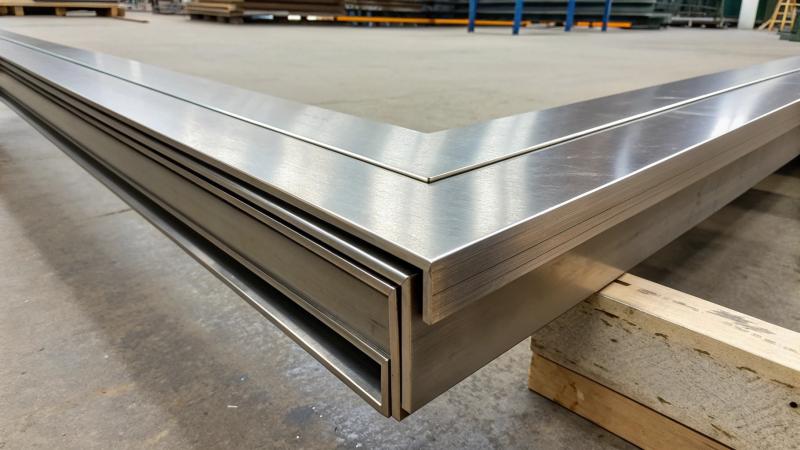
Stopping rust is not just about one trick. It involves a complete plan. Let’s explore the best practices that I use and recommend to my clients, like Gulf Metal Solutions, to keep their steel in perfect condition.
How to store steel to prevent rust?
Rust can sneak up during storage if you are not careful. It silently damages your steel inventory1, leading to big financial losses for importers and contractors.
The best way to store steel to prevent rust is to keep it in a dry, covered area with good air flow. You should also elevate the steel off the ground and use vapor barriers or desiccants. This method stops moisture from reaching the metal surface.
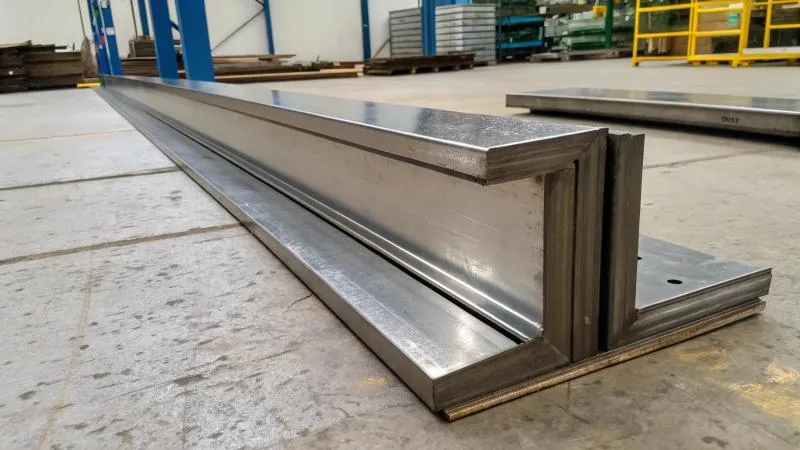
A Deep Dive into Effective Steel Storage
Storing steel correctly is the first defense against rust. I have seen many projects fail because of poor storage. Let me break down the key elements.
First, the storage environment is critical. You need a controlled space2. The ideal place is a warehouse that is clean, dry, and well-ventilated. Humidity should be kept below 50%. If the air is too damp, rust will form quickly. In coastal areas like where we ship to, such as Vietnam and Saudi Arabia, humidity is a constant challenge. Our clients often use dehumidifiers in their storage units.
Second, how you place the steel matters. Never store steel directly on the ground. Concrete floors can hold moisture. You should use wooden or plastic pallets to lift the steel. This allows air to circulate underneath. Also, stack the steel properly. Use separators between layers to prevent moisture traps.
Third, consider using protective covers3. For long-term storage, wrap the steel in waterproof materials. Plastic sheets or specialized rust-preventive papers work well. These materials block moisture and dust.
Here is a table comparing common storage methods:
| Storage Method | How It Works | Best For | Limitations |
|---|---|---|---|
| Indoor, Dry Warehouse | Keeps steel in a controlled, low-humidity environment. | Long-term storage, high-value steel like Marine Steel Plate4. | Requires investment in facility. |
| Outdoor with Covers | Uses tarps or tents to shield from rain and sun. | Temporary storage, large quantities. | Not ideal for humid climates; needs regular checks. |
| Elevated on Pallets | Lifts steel off the ground to improve air flow. | All storage situations, especially for L-shaped section steel. | Does not protect from airborne moisture alone. |
| Sealed with Desiccants | Places moisture-absorbing bags or packets with the steel. | Export packaging, shipping to humid countries like Malaysia. | Desiccants need replacement over time. |
Another point is regular inspection5. You should check the steel every few weeks. Look for signs of condensation or early rust spots. If you find any, act immediately. Clean the area and reapply a protective coating.
From our business at CN Marine Steel, we ensure our steel is stored properly before shipment. We use climate-controlled warehouses in Liaocheng, Shandong. This guarantees that the Marine Angle Steel and Bulb Flat Steel we send to clients in Qatar or the Philippines arrives rust-free. Our client, Gulf Metal Solutions, appreciated this attention to detail, which helped them avoid quality issues they faced with previous suppliers.
Furthermore, the type of steel affects storage needs. Marine-grade steel has higher corrosion resistance, but it still needs care. For example, our Marine Steel Plate4 has special coatings, but we still recommend storing it indoors. Always follow the mill’s guidelines for storage temperature and humidity.
In summary, good storage is about controlling the environment and physical handling. It prevents costly damage and ensures the steel is ready for use in projects like shipbuilding or oil tankers.
How to preserve steel from rust?
Rust does not just happen during storage. It can occur anytime if the steel is not protected. This worries many wholesalers and manufacturers who need steel to last.
To preserve steel from rust for a long time, you need to apply protective barriers1 like paints, oil coatings2, or galvanization3. These methods seal the steel from air and moisture, which are the main causes of corrosion.
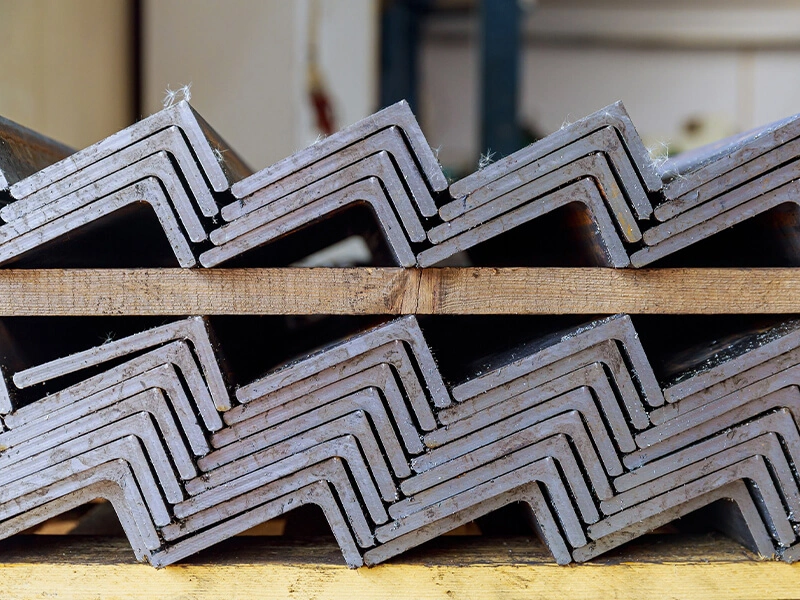
Understanding Steel Preservation Techniques
Preserving steel goes beyond simple storage. It involves active steps to shield the metal. I will explain the most effective methods based on my experience supplying steel globally.
First, let’s talk about coatings. Coatings are layers you put on the steel surface. They act as a shield. There are many types, each with pros and cons. Paint is common. It is easy to apply and comes in many colors. But paint can chip, so it needs touch-ups. For marine environments, like for shipbuilding, epoxy paints are better because they resist saltwater.
Oil coatings are another option. You brush or spray oil on the steel. The oil forms a thin film that repels water. This is good for short-term preservation or during transport. However, oil can attract dust and may need reapplication.
Galvanization is a permanent method. It involves coating steel with zinc. Zinc sacrifices itself to protect the steel. This is excellent for outdoor use. Many of our Bulb Flat Steel products are galvanized for clients in harsh climates, such as those in Saudi Arabia or Thailand.
Second, consider environmental controls4. Even with coatings, you should keep the steel in a good environment. For example, avoid places with high salinity if possible. Salt speeds up rust. In coastal projects, using marine-grade steel with enhanced corrosion resistance is wise.
Third, maintenance5 is key. Preservation is not a one-time job. You need to check the steel regularly. Look for scratches or damage to the coating. Repair any issues quickly to prevent rust from starting.
Here is a table outlining popular preservation methods:
| Preservation Method | Application Process | Durability | Best Use Case |
|---|---|---|---|
| Painting | Spray or brush applied; requires surface cleaning. | Moderate (1-5 years depending on paint). | General construction, indoor use. |
| Oiling/Greasing | Wiped or sprayed on surface; creates a thin layer. | Short-term (months to a year). | Transport, temporary storage, machinery parts. |
| Galvanizing | Hot-dip or electroplating with zinc. | Long-term (10+ years). | Outdoor structures, marine applications like ship plates. |
| VCI Packaging6 | Uses volatile corrosion inhibitors in wraps or papers. | Medium-term (for storage and shipping). | Export packaging, especially for L-shaped steel sent to humid countries. |
| Powder Coating | Electrostatic application then baked; thick finish. | High (5-15 years). | Architectural elements, automotive parts. |
In our business, we offer OEM options where clients can choose specific coatings. For instance, a project contractor in Mexico might need a custom paint for their steel. We coordinate with mills to provide that. Also, we support SGS inspection to ensure the coating quality meets standards.
Moreover, the steel composition matters. Our Marine Steel Plate7 is designed with alloys that resist rust naturally. But preservation still helps. For example, even high-quality steel can rust if left in a puddle of water. So, combining good steel with good preservation is best.
From client feedback, like from Gulf Metal Solutions, they value suppliers who advise on preservation. We helped them choose the right oil coating for their Marine Angle Steel during transit to Dammam port. This prevented rust and ensured the steel arrived in top condition.
Remember, preservation is about creating and maintaining a barrier. Choose the method based on how long you need to preserve the steel and the environment it will be in.
Can I put WD-40 on metal to prevent rust?
Many people reach for WD-40 when they think of rust prevention1. It is a common household product. But is it the right choice for industrial steel2?
Yes, you can put WD-40 on metal to prevent rust, but only for short-term protection. WD-40 is a water-displacing spray that creates a thin film to block moisture. However, it is not a long-term solution and may need frequent reapplication.
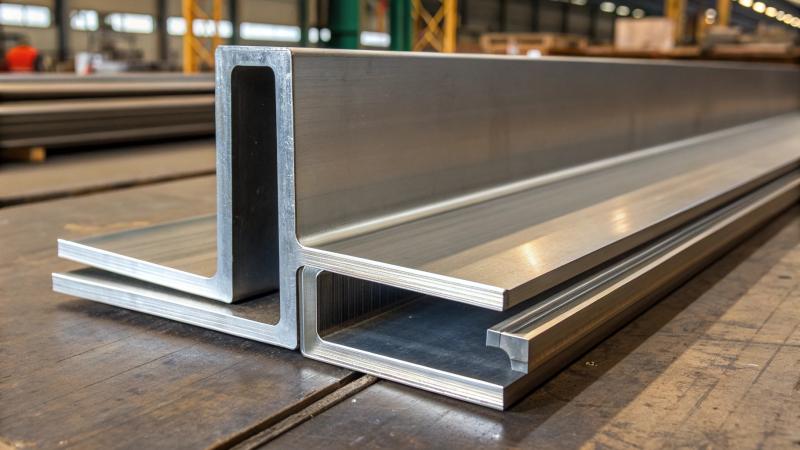
The Truth About WD-40 and Rust Prevention
WD-40 is popular, but it has limits. As a supplier, I often get this question from clients who want quick fixes. Let me explain when to use it and when to avoid it.
First, understand what WD-40 does. WD-40 stands for "Water Displacement, 40th formula." It was designed to repel water. When you spray it on metal, it pushes away moisture and leaves a light oily layer. This layer can prevent rust for a few weeks or months, depending on conditions. It is good for tools or small metal parts that are used occasionally.
But for industrial steel2 like L-shaped section steel or Marine Steel Plate3, WD-40 is not enough. These steels are used in big projects like shipbuilding or oil tankers. They need stronger protection. WD-40 can wash off easily with rain or friction. In humid places like the Philippines or Myanmar, it might last only a short time.
Second, compare WD-40 to other products. There are dedicated rust preventives that work better. For example, rust-inhibitive oils4 or greases are thicker and last longer. They are made specifically for metal preservation. In our shipments, we sometimes use these oils for steel during transport, especially for clients in Qatar where desert conditions can still have moisture issues.
Third, consider the application. If you use WD-40, you must apply it correctly. Clean the steel first. Any dirt or old rust will trap moisture under the film. Spray a generous amount and wipe it evenly. Reapply every few months if the steel is stored. But for long-term storage, I recommend other methods.
Here is a table showing WD-40 versus other rust preventives:
| Product | Main Ingredient | Protection Duration | Best For | Drawbacks |
|---|---|---|---|---|
| WD-40 | Light oil with solvents. | Short-term (weeks to months). | Quick fixes, household tools, small parts. | Evaporates, not for heavy industrial use. |
| Rust-Preventive Oil | Heavy mineral oils with additives. | Medium-term (6 months to 2 years). | Machinery, steel in storage, transport. | Can be messy; needs proper application. |
| Silicone Spray | Silicone-based lubricant. | Short to medium-term. | Electrical components, non-load bearings. | Not for high-temperature environments. |
| VCI Emitters5 | Volatile corrosion inhibitors. | Long-term (for sealed environments). | Packaging for export, like for Marine Angle Steel. | Requires enclosed space to be effective. |
| Marine-Grade Paint6 | Epoxy or polyurethane. | Long-term (years). | Shipbuilding, offshore structures. | Requires surface preparation; time-consuming to apply. |
In my experience, WD-40 is a temporary solution. For our B2B clients, such as large importers or project contractors, we advise against relying on it for steel preservation. Instead, we suggest using proper coatings or packaging. For example, when we ship Bulb Flat Steel to Romania, we use VCI packaging that releases inhibitors to protect the steel for months.
Also, WD-40 can attract dust if overused. Dust holds moisture, which might cause rust. So, it is not ideal for steel stored in open areas.
From a business perspective, we ensure our steel is protected with suitable methods before delivery. This reduces returns and builds trust. Gulf Metal Solutions noted that our packaging was the best they had seen, which included robust anti-rust measures beyond just sprays.
In conclusion, WD-40 can help in a pinch, but for serious rust prevention1 on industrial steel2, invest in dedicated products and methods.
What does the military use to prevent rust?
The military operates in extreme conditions, from deserts to oceans. Their equipment must resist rust to remain reliable. So, their methods are advanced and rigorous.
The military uses a combination of high-performance coatings1, strict maintenance schedules, and specialized materials like corrosion-resistant alloys2 to prevent rust. These methods ensure durability in harsh environments, from naval ships to field machinery.
Military-Grade Rust Prevention: Lessons for Industry
Military rust prevention is top-notch because failure is not an option. I have studied these methods to improve our steel offerings. Let’s dive into what makes them effective and how you can apply similar strategies.
First, coatings are a big part. The military uses advanced paints and finishes. For example, naval ships use epoxy coatings that resist saltwater corrosion. These coatings are often multi-layered. They include primers, intermediate coats, and topcoats. Each layer has a specific job, like blocking moisture or providing UV protection. In our marine steel products, such as Marine Steel Plate, we use similar epoxy coatings based on military standards to meet client needs in shipbuilding.
Second, materials selection is key. The military chooses steels with high corrosion resistance. Stainless steels or alloys with chromium and nickel are common. These metals form a passive layer that stops rust. For instance, our Marine Angle Steel often includes these alloys for clients in Saudi Arabia and other corrosive environments.
Third, maintenance protocols are strict. The military has scheduled inspections3 and cleaning. They remove contaminants like salt or dirt promptly. This prevents rust from starting. In industry, we can adopt similar habits. Regular checks on stored steel can catch problems early.
Here is a table detailing military rust prevention methods:
| Method | Description | Application in Military | Industrial Adaptation |
|---|---|---|---|
| Advanced Coatings | Multi-layer paint systems (e.g., epoxy, polyurethane). | Used on vehicles, ships, aircraft. | Use on marine steel for ships or oil tankers; we offer OEM coatings. |
| Corrosion-Resistant Alloys | Steels with added elements like chromium, molybdenum. | Armor, naval hardware, aircraft components. | Specify marine-grade steel4 like our products for high corrosion resistance. |
| Cathodic Protection5 | Uses sacrificial anodes or impressed current to protect metal. | Submarines, pipelines, ship hulls. | Applied in offshore structures; we advise clients on compatibility with our steel. |
| Dry Storage with Climate Control | Stores equipment in dehumidified warehouses. | Weapons, sensitive electronics. | Use for long-term steel storage; we recommend this to wholesalers. |
| Rust-Preventive Compounds (RPCs) | Specialized oils or greases applied during storage. | Field equipment, machinery in transit. | Use during transport of L-shaped steel; we include RPCs in packaging for export. |
Another aspect is testing. The military tests materials in harsh conditions before use. At CN Marine Steel, we support SGS inspection to simulate such rigor. This ensures our steel meets high standards, similar to military requirements.
From a business view, learning from the military helps us serve clients better. For example, project contractors in Thailand building bulk carriers need steel that can withstand tropical climates. We provide steel with military-inspired coatings that offer extra protection.
Moreover, the military uses technology like vapor corrosion inhibitors (VCIs)6 for packaging. We use VCIs for our exports to countries like Pakistan or the Philippines. These inhibitors release a protective vapor that coats the steel, preventing rust during shipping.
In practice, adopting military methods means investing in quality upfront. It might cost more initially, but it saves money by reducing rust-related failures. Our client Gulf Metal Solutions valued our fast delivery and stable quality, which included these advanced prevention techniques.
To sum up, the military’s approach is comprehensive: they use the best materials, coatings, and maintenance. For industrial users, applying these principles can significantly extend the life of steel products.
Conclusion
Preventing rust on L-shaped steel requires careful storage, preservation, and using the right methods. By following these steps, you can protect your investment and ensure project success.
-
Explore how high-performance coatings enhance durability and resistance to rust in military equipment. ↩ ↩ ↩ ↩ ↩
-
Learn about the advantages of using corrosion-resistant alloys in military and industrial settings. ↩ ↩ ↩ ↩ ↩ ↩
-
Understand the critical role of scheduled inspections in maintaining military equipment and preventing rust. ↩ ↩ ↩ ↩
-
Understand the significance of marine-grade steel in preventing rust in marine environments. ↩ ↩ ↩ ↩ ↩
-
Find out how Cathodic Protection safeguards military assets from corrosion and rust. ↩ ↩ ↩ ↩
-
Learn how VCIs protect metal surfaces during storage and transport, especially in military contexts. ↩ ↩ ↩
-
Learn about the advantages of Marine Steel Plate and how its composition helps resist rust naturally. ↩