
I have seen too many shipbuilding projects delayed or budgets broken because of a bad steel supplier choice. The steel plate you pick today will affect your project for years.
To evaluate marine steel plate suppliers for long-term projects, you must look beyond the price list. You need to check their technical certifications, their supply chain stability, their financial health, and the total cost over the steel’s lifetime. A good partner ensures your project stays on schedule and within budget for the long run.
Many buyers focus only on the initial quote. They think all steel is the same. I learned this is a costly mistake. In my 15 years working with shipyards and fabricators, I have seen that a proper evaluation takes time, but it saves huge amounts of money later. Let me walk you through the four critical areas you must investigate before you sign a long-term agreement.
Technical Capabilities and Industry Compliance: Ensuring Material Integrity?
I remember a buyer from Pakistan who called me in a panic. His previous supplier sent plates that looked right but failed the weld tests on site. The delay cost him thousands.
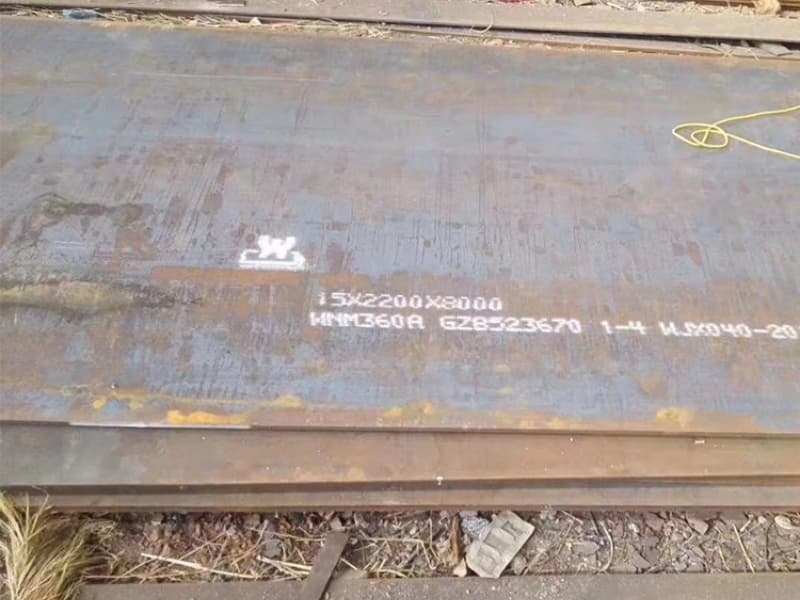
You must verify a supplier’s technical ability to produce steel that meets specific class society rules, like DNV, ABS, or LR. You also need proof of their internal quality control processes, not just a certificate on a website.
What specific certifications should you ask for?
You cannot just ask, "Are you certified?" You need to be specific. The marine industry is strict. Different projects need different rules. Here is a simple breakdown of what to look for:
| Certification Type | Why It Matters | What to Verify |
|---|---|---|
| Class Society Certificates1 | These prove the steel is approved for use in ships and offshore structures. Each society has its own rules. | Check if they have active certificates from DNV, ABS, BV, LR, or NK. Ask for the scope of approval. Does it cover the specific steel grades you need, like AH36 or DH36? |
| Mill Test Certificates (MTC)2 | This is the birth certificate for each batch of steel. It shows the actual chemical and mechanical properties. | Ask for a sample MTC from a recent order. Check if the data matches the standards. Look for consistency in the numbers. |
| In-house Testing Capability3 | This shows if the supplier controls quality during production, not just at the end. | Do they have their own lab? Can they perform ultrasonic testing (UT) to check for internal flaws? Can they do impact tests? |
| Third-Party Inspection Support4 | This is a safety net. It means an independent inspector checks the goods before they leave the factory. | Are they open to SGS or Bureau Veritas inspection? Do they have a process for this? We offer this support because it builds trust. |
I always tell my clients to ask for proof. A good supplier will be happy to share these details. A bad one will make excuses. We work with certified mills, and we keep all our certificates ready for review. This is not just paperwork. It is the foundation of a safe, long-lasting vessel.
How can you verify their quality control in practice?
Certificates are a start. But the real test is how they handle problems. Ask them about a time a batch failed inspection. What happened next? A supplier with strong technical capability5 will have a clear corrective action plan6. They will track the problem back to its source. They will not just send a new batch and hope for the best.
For example, we had an order for a client in Romania. During our own internal check, we noticed a slight variation in the surface finish on a few plates. It still met the standard, but it was not perfect. We informed the client, showed them the photos, and offered to replace those plates before shipping. The client appreciated the honesty. That is the kind of technical diligence you need from a long-term partner.
Supply Chain Resilience and Production Capacity: Mitigating Project Delays?
I talked to a buyer in Mexico last year. His project was stuck because his supplier could not get raw steel slabs. The supplier’s mill had a breakdown, and there was no backup plan.
You need a supplier who can prove they have a stable supply of raw materials and the production capacity to handle your peak demands. You must ask about their backup sources and their inventory strategy.
What are the hidden risks in a supply chain?
A supply chain is like a chain. It is only as strong as its weakest link. When you evaluate a supplier, you are really evaluating their entire network. Here are the key risks I have seen:
- Single Mill Dependency1: If the supplier only works with one steel mill, and that mill has a strike or a furnace failure, your project stops. You need a supplier with relationships with multiple certified mills. This gives them options.
- Raw Material Sourcing2: Steel is made from iron ore and scrap. Where does the supplier’s mill get these? Global events can disrupt this. A good supplier tracks these markets and plans ahead.
- Logistics and Transport3: Can they move the steel reliably? Do they have good relationships with trucking companies and ports? We are based in Liaocheng, Shandong. This location is a major steel hub. It gives us access to many transport options and faster loading times.
- Inventory Strategy4: Does the supplier hold stock, or do they produce everything to order? For long-term projects, a mix is best. They should have common grades in stock for quick release, and a clear production schedule for larger, custom orders.
How to assess their capacity for your growth?
Your project needs will change. You might need more steel next year, or a different grade. You need a supplier who can grow with you. Here is a checklist of questions to ask during your evaluation:
- What is your monthly production or supply capacity? Get a number. See if it matches your projected needs.
- What is your typical lead time for re-orders? Consistency is key. If they say 4 weeks, do they always hit that mark? Ask for references to verify.
- How do you handle urgent or emergency orders? Things happen. A good supplier has a process for fast-tracking when you really need it.
- What is your plan if your main mill cannot produce? Listen to their answer. Do they have a clear Plan B? Or do they get nervous?
A resilient supplier thinks ahead. For example, when we see a client placing repeat orders for marine angle steel, we start allocating mill capacity for them. We also keep an eye on the market. If we see steel prices going up, we tell our clients early so they can plan. This kind of proactive communication prevents delays.
Financial Stability and Long-Term Commercial Viability?
I had a client in the Philippines who lost a deposit. His supplier went bankrupt halfway through a big order. The steel was never delivered. He learned a hard lesson.
You must evaluate the financial health of your supplier. A cheap price means nothing if the company cannot survive market changes or if they demand payment terms that put your cash flow at risk.
Why does their money matter to your project?
This sounds strange, right? Why do you care about their bank account? Because a long-term project is a partnership. If they are weak, you will feel the pain. Here is how their financial health affects you:
- Risk of Non-Performance1: If they run out of money, they cannot buy raw materials. They cannot pay their workers. Your order stops.
- Pressure on Quality: A financially desperate supplier might cut corners. They might use lower-quality scrap or skip a test to save money. You pay the price later with failed welds or corrosion.
- Inflexible Payment Terms2: A weak supplier will demand strict payment terms, like 100% in advance. A stable supplier can offer more balanced terms, like a deposit with the balance against shipping documents. This protects your working capital.
- Longevity and Support3: Your project might need spare plates or technical support in five years. Will this supplier still be in business? A financially stable company is more likely to be there for the long haul.
How can you check their financial health from far away?
You cannot ask for their tax returns. But you can look for signs of stability. Here is a simple guide:
| What to Look For | Good Sign | Red Flag |
|---|---|---|
| Years in Business | 10+ years in the marine steel industry. They have weathered market cycles. | Brand new company with no track record in marine projects. |
| Client Base | They work with known shipyards, contractors, or large wholesalers. They can name a few. | They only work with one-time buyers or very small traders. |
| Transparency | They are open about their mill partners and their supply process. They answer your questions directly. | They are secretive about where the steel comes from. They give vague answers. |
| Communication During Negotiation | They are professional, responsive, and calm during price talks. They explain their pricing. | They are overly aggressive on price and rush you to sign. They change terms often. |
I have seen both sides. Some suppliers promise the world to get an order, then struggle to deliver. In our company, we focus on steady growth. We work with large importers in places like Qatar and Vietnam. This long-term relationship with them shows we are reliable. We are not just looking for a quick sale. We want to be your partner for the next five, ten, or fifteen years.
Lifecycle Cost Analysis: Beyond the Initial Purchase Price?
I often hear buyers say, "I found a cheaper plate." But later, they call me about rust issues or welding problems. The cheapest plate becomes the most expensive one.
You must calculate the total lifecycle cost1, not just the price per ton. This includes costs for transportation, processing like welding and cutting, maintenance over the ship’s life, and the risk of failure or replacement.
What costs are hidden in the initial price?
The price on the invoice is just the beginning. When you choose a supplier, you are also choosing the costs that come after the steel arrives. Let’s break down these hidden costs:
- Processing Costs (Fabrication): How easy is the steel to cut and weld? Steel with inconsistent chemistry can damage your cutting tools or require special, slow welding procedures. This costs labor and time. Good marine steel should be consistent, batch after batch. This keeps your production line moving fast.
- Inspection and Rework Costs: If the steel arrives and fails your incoming inspection, or worse, fails after fabrication, the cost multiplies. You have to pay for re-inspection, grinding, re-welding, or cutting out and replacing a bad section. This stops your whole project.
- Corrosion and Maintenance Costs: This is a big one for ships. Steel with poor surface quality or the wrong chemical composition will corrode faster. Over 20 years, a ship with slightly lower-grade steel might need more frequent painting, more plate replacements, and more downtime in dry dock. These costs are huge.
- Packaging and Handling Costs: Poorly packaged steel gets damaged in transit. Bent plates or rusted surfaces mean more work for you. We pay close attention to packaging. Our client in Saudi Arabia mentioned our packaging was the best they ever received. That is not just for show. Good packaging means the steel arrives ready to use. It saves your team time and money.
- Logistics and Delivery Costs: Is the price FOB or CIF? Can they ship to your specific port efficiently? Delays in shipping can idle your workforce. A supplier who understands logistics helps you avoid demurrage charges and keeps your schedule on track.
How to compare lifecycle cost between suppliers?
You cannot just look at a spreadsheet. You have to ask the right questions. Here is a simple comparison table to use when you talk to potential suppliers:
| Cost Factor | Questions to Ask Supplier A | Questions to Ask Supplier B |
|---|---|---|
| Fabrication Efficiency | What is the typical carbon equivalent of your plates? Can you show me past welding procedure qualification records? | How consistent are your mechanical properties from the start to the end of a coil or plate? |
| Quality Assurance | What is your typical rejection rate from third-party inspectors? What do you do to prevent defects? | Can you support SGS inspection at your facility? What is your process for non-conforming material? |
| Long-Term Durability | Can you provide data on the corrosion resistance of your specific steel chemistry? | What is your standard mill scale and surface preparation? How does it help prevent initial rust? |
| Supply Chain Efficiency | What is your typical lead time for a repeat order of marine angle steel? | Can you handle shipping to Dammam port, including all customs documentation? |
I always advise my clients to ask for a small trial order first. Test the steel in your own shop. See how it welds. See how it cuts. Check its flatness. This small investment in testing can save you from a huge mistake on a large contract. It gives you real data on the lifecycle cost before you commit long-term.
Conclusion
Choosing a marine steel supplier for long-term projects is a big decision. You must check their technical skills, their supply chain strength, their financial health, and the total project cost. Do this right, and you build a partnership that keeps your projects on time and profitable.
-
Understanding lifecycle cost analysis helps you make informed purchasing decisions that save money in the long run. ↩ ↩ ↩ ↩
-
Learning about payment terms can help you negotiate better deals and protect your cash flow. ↩ ↩ ↩
-
Discovering the significance of a supplier’s longevity can ensure you have reliable support for future needs. ↩ ↩ ↩
-
A solid inventory strategy is crucial for maintaining supply chain resilience; exploring this topic can provide valuable insights for your operations. ↩ ↩
-
Assessing technical capability helps ensure that suppliers can meet specific project requirements effectively. ↩
-
A corrective action plan is vital for addressing issues and maintaining quality standards in production. ↩