
leading paragraph:
You order one batch of marine angle steel. It fits perfectly. The next batch? It arrives with warped edges and mismatched holes. That stops your entire project.
snippet paragraph:
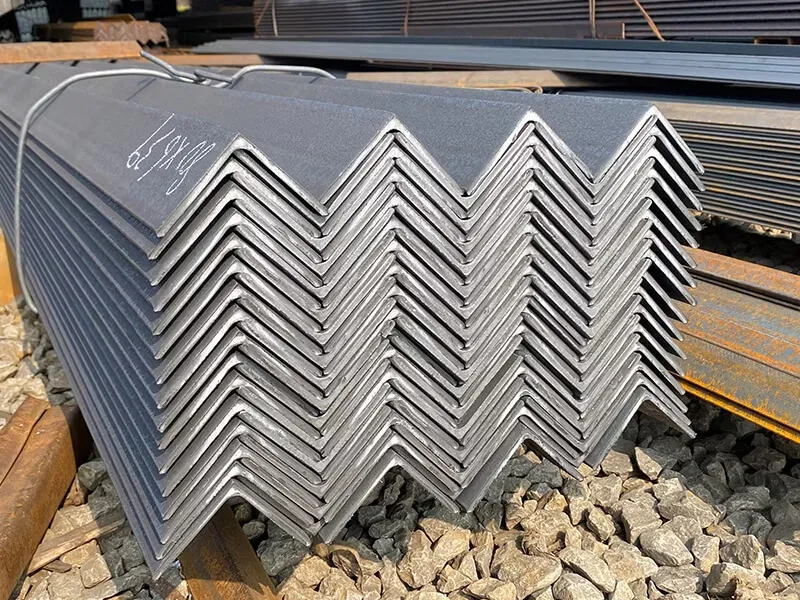
Batch consistency fails when steel mills change raw material sources, adjust rolling temperatures between shifts, or let cooling rates vary. For marine angle steel, these hidden changes create visible problems in your fabrication line.
Transition Paragraph:
I have seen this pattern repeat for over a decade. One order works. The next one causes delays. The problem is rarely the steel grade. The problem sits in how the mill manages each batch from start to finish. Let me walk you through the three main areas where batch consistency breaks down, and how we fix it for our clients in Saudi Arabia, Vietnam, and Mexico.
What causes batch-to-batch variation in marine angle steel production?
leading paragraph:
You assume the same steel grade means the same product. But small changes inside the mill create big differences in your final steel.
snippet paragraph:
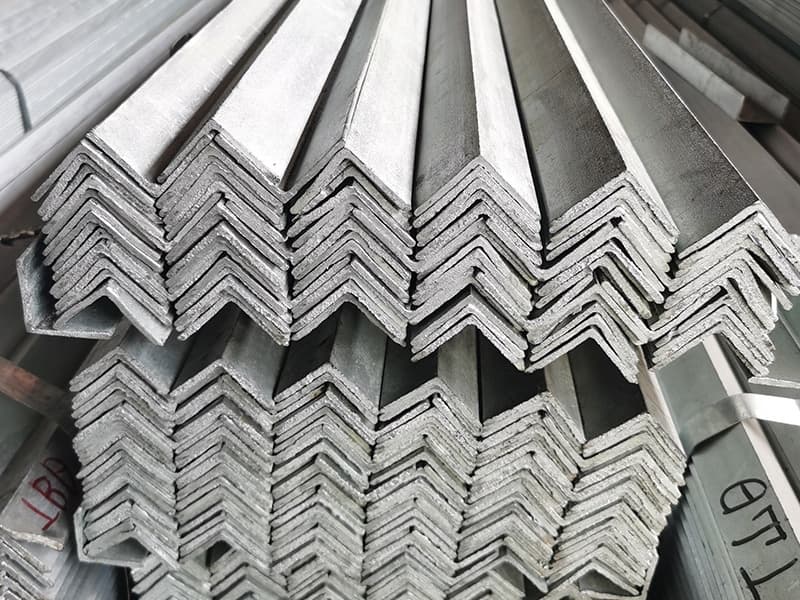
Batch variation starts with three mill-level factors: inconsistent raw material chemistry1, shifting rolling temperatures2 during the day, and uncontrolled cooling rates3 after forming.
Dive deeper Paragraph:
Most buyers think batch variation is about mistakes. In reality, it is about control. Steel mills run like a living system. Small changes in inputs create big changes in outputs.
Let me break down the three main causes I see in marine angle steel production.
Raw material chemistry shifts
Steel mills buy scrap or raw iron from different sources. One batch might come from recycled ship plates. Another batch comes from demolished building structures. These sources contain different levels of copper, tin, and other residual elements.
For marine angle steel, residual copper affects corrosion resistance4. Residual tin affects ductility. When the mill switches suppliers without adjusting the melt recipe, you get steel that looks the same but performs differently in bending or welding.
Rolling temperature changes
Temperature is the invisible variable. Mills schedule production across shifts. The morning shift starts with cold equipment. The afternoon shift runs with fully heated rolls. That temperature difference changes how the steel grain structure forms.
In marine angle steel, a 50-degree Celsius drop in rolling temperature can increase yield strength by 15 to 20 megapascals. That sounds good until you try to cold-bend the steel and it cracks along the bend line. The steel passed the chemistry test but failed in fabrication.
Cooling rate variation
This one surprises many buyers. After rolling, steel cools on the cooling bed. In summer, cooling takes longer. In winter, cooling happens faster. Airflow in the mill changes based on which doors are open.
Uneven cooling creates residual stress inside the steel. When you cut or weld it, the steel twists. I have seen marine angle steel warp five millimeters across a six-meter length simply because it cooled too fast on one side.
I talk to clients in Qatar and Malaysia who say, "We bought the same grade. Why does it not behave the same?" This is why. The mill’s process control matters more than the grade certificate.
Which dimensional tolerances most commonly fail in multi-batch orders1?
leading paragraph:
You measure the first batch. It passes. You trust the second batch. Then the welder shows you the gap.
snippet paragraph:
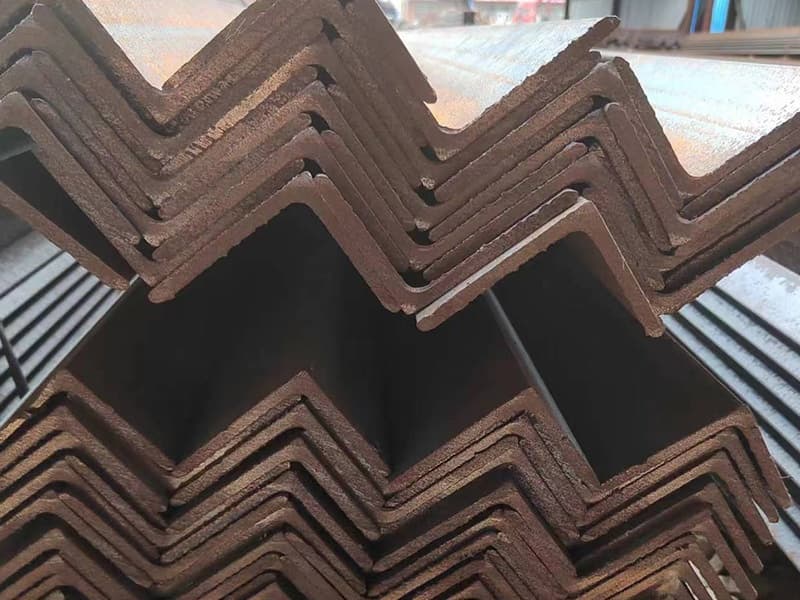
The leg length, root radius, and straightness tolerances fail most often. These three dimensions control fit-up in shipbuilding and structural fabrication.
Dive deeper Paragraph:
Shipyards and fabricators care about fit-up. If the steel does not fit, the project stops. I see this most often in multi-batch orders where the buyer combined production from different mill runs or even different mills.
Let me show you the three dimensions that create the most problems.
Leg length variation
The leg length on marine angle steel is not decorative. It determines how the steel sits against the plate or the next structural member.
| Dimension | Typical Tolerance | Common Failure in Multi-Batch |
|---|---|---|
| Leg Length2 | +/- 1.5 mm | Variation up to 3 mm between batches |
| Root Radius3 | +/- 1.0 mm | Inconsistent radius causing gap at weld joint |
| Straightness4 | 3 mm per 6 m | Warp up to 8 mm per 6 m in poorly cooled batches |
When the mill changes rolls or adjusts the stand settings between orders, the leg length can drift. One batch comes in at 100 mm. The next batch measures 98 mm. Your fabricator set up the jig for 100 mm. Now every weld has a two-millimeter gap. That means more filler metal, more heat, and more distortion.
Root radius inconsistency
The root radius is the curved corner where the two legs meet. This is where most people do not look. But it controls how the angle sits flush against a plate.
If the root radius is too small, the angle sits high on the plate. The weld has to fill a V-shaped gap. If the root radius is too large, the angle sits low and the edge pulls away.
I had a client in the Philippines who ordered three batches of marine angle steel for a series of small tankers. The first batch worked perfectly. The second batch had a root radius that varied from one end of the bar to the other. Their welders spent an extra 30 minutes on each joint grinding and fitting. That cost them two weeks of labor across the project.
Straightness drift
Straightness is the silent killer. Steel that looks straight can bow under its own weight when laid flat. This comes back to cooling rate control.
In multi-batch orders, one batch might come from a mill that uses water cooling. Another batch uses air cooling. The water-cooled steel has higher residual stress. When the fabricator cuts it, the stress releases and the steel bends.
I tell my clients: always request straightness verification on every batch. Do not trust that the next batch will match the first.
How to verify chemical and mechanical consistency across shipments?
leading paragraph:
You have a mill certificate. But does that certificate belong to the steel in your yard?
snippet paragraph:
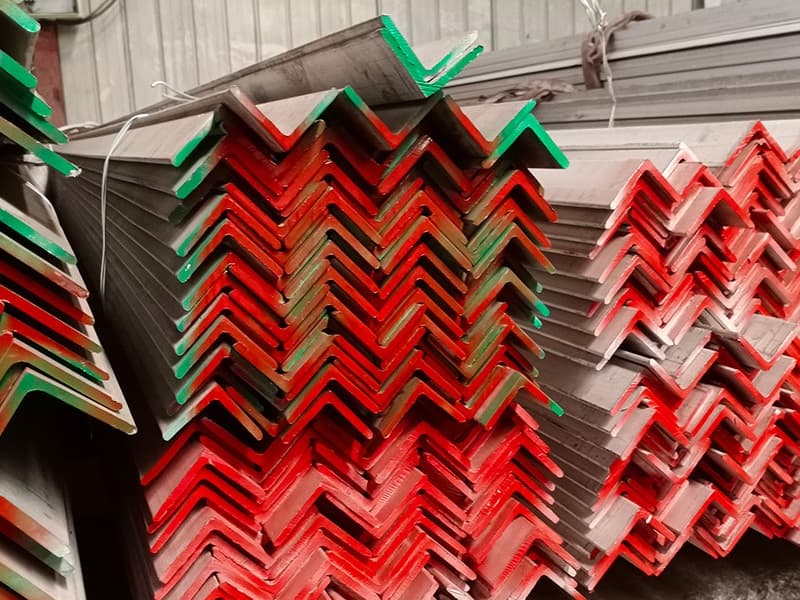
Verify consistency by sampling each batch for chemical analysis1, tensile testing2, and bend testing. Compare results across batches. Do not rely on one certificate.
Dive deeper Paragraph:
I learned this lesson early in my career. A client in Vietnam received three batches of marine angle steel. All three had mill certificates showing the same chemistry and mechanical properties. When their fabricator started welding, the third batch kept cracking.
We pulled samples from each batch and sent them to SGS for independent testing. Here is what we found.
Chemical composition variation
The mill certificates showed carbon at 0.18 percent for all batches. The independent test showed:
| Element | Batch 1 Certificate | Batch 1 Test | Batch 3 Test |
|---|---|---|---|
| Carbon | 0.18% | 0.18% | 0.21% |
| Manganese | 1.20% | 1.19% | 1.35% |
| Sulfur | 0.015% | 0.016% | 0.028% |
Batch 3 had higher carbon and manganese. That increased the hardness. It also had higher sulfur, which reduced ductility. The steel passed the mill’s internal tests but failed in real-world welding because the higher carbon made it more crack-sensitive.
Tensile property drift
Mechanical properties shift even when chemistry stays similar. In multi-batch orders, I look at three things:
- Yield strength: Should stay within 30 MPa across batches. Bigger swings mean different rolling conditions.
- Tensile strength: The ratio between yield and tensile tells you about ductility. If yield goes up but tensile stays flat, the steel becomes brittle.
- Elongation: This is the first number to drop when cooling rates vary. If elongation drops below 20 percent, watch for bending cracks.
The testing protocol I recommend
I tell all my clients to follow this three-step verification for multi-batch orders:
- First batch: Full testing. Chemistry, tensile, bend. Establish the baseline.
- Each subsequent batch: At least two tensile tests and one full chemistry panel.
- Third-party oversight: Use SGS or a similar agency to sample and test. Do not rely on the mill’s internal lab for multi-batch comparison.
One client in Saudi Arabia now includes this in their purchase orders. They write: "Buyer reserves right to third-party testing on each batch. Seller covers cost if results deviate from certificate." That clause changed how their suppliers handled batch consistency3.
What should a supplier’s quality control system include for batch traceability?
leading paragraph:
You ask about quality. The supplier shows you a certificate. But can they trace that certificate to your actual steel?
snippet paragraph:
A supplier’s quality system must include heat number tracking1, separate storage for different batches, and third-party inspection support2. Without these, you cannot trace problems back to the source.
%[Warehouse worker using barcode scanner to track marine angle steel batch numbers with color-coded labels visible](https://cnmarinesteel.com/wp-content/uploads/2025/10/Marine-angle-steel-31.jpg steel batch traceability system3")
Dive deeper Paragraph:
Traceability is not paperwork. It is the difference between fixing a problem in one hour versus one month. I have worked with suppliers who lost track of which steel went to which client. And I have built systems that let us recall a single batch within minutes.
Here is what real batch traceability looks like.
Heat number tracking
Every piece of steel comes from a specific melt. That melt gets a heat number. The heat number stays with the steel from the mill to the warehouse to the ship.
When I select steel for clients, I require:
- Heat numbers stamped or painted on each bundle
- Heat numbers listed on the packing list
- Heat numbers matched to the mill certificate
If a problem shows up in fabrication, the heat number tells us exactly which melt to investigate. Without heat numbers, you cannot isolate the problem. You end up replacing good steel along with the bad steel.
Segregated storage
I see this mistake often. A supplier receives two batches from different mill runs. They stack them together. When they pick orders, they grab from the pile without tracking which batch went where.
In our warehouse in Liaocheng, we store each batch separately. We use color-coded tags. Red for one heat. Blue for another. Green for a third. When we pick an order, we note the batch number on the picking slip.
This matters for multi-batch orders. If you order 200 tons spread over three shipments, we track which batch goes to each shipment. You know exactly what you received and when.
Third-party inspection support
I tell every client: "You can inspect the steel before we ship." We support SGS, Bureau Veritas, or any inspection agency you choose.
Third-party inspection does two things. First, it verifies that the steel matches the certificate. Second, it forces the supplier to organize their traceability system. An inspector cannot verify steel without clear batch identification.
When Gulf Metal Solutions in Saudi Arabia ordered from us, they requested SGS inspection on each batch. We coordinated the inspection, provided all heat numbers, and stored the steel so the inspector could access each batch separately. That is how they confirmed consistency before we shipped to Dammam port.
What I look for in a supplier
After years of sourcing marine steel, I now evaluate suppliers on three traceability questions:
- Can you show me where each batch is stored right now? If they hesitate, they lack segregation.
- Do you keep inspection records by heat number4? If records are filed by client name only, traceability is weak.
- Have you supported a third-party inspection in the last 30 days? If not, their system may not be ready for real verification.
These questions saved one client in Mexico from a 50-ton order of mislabeled steel. The supplier could not answer question one. We walked away and found a mill with proper traceability.
Conclusion
Batch consistency in marine angle steel comes down to mill process control and supplier traceability. Test each batch. Track the heat numbers. Work with suppliers who prove traceability before you pay.
-
Understanding heat number tracking is crucial for ensuring traceability and quality in steel supply. ↩ ↩ ↩ ↩
-
Third-party inspections verify quality and compliance, ensuring that suppliers maintain rigorous traceability standards. ↩ ↩ ↩ ↩
-
Exploring batch traceability systems can help you understand how to effectively track and manage steel quality. ↩ ↩ ↩ ↩
-
Inspection records by heat number are vital for identifying and resolving quality issues efficiently. ↩ ↩ ↩