
I remember a buyer from Vietnam. He ordered 300 tons of bulb flat steel. The price was good. The delivery time was good. But when the steel arrived, the surveyor rejected it. The dimensions were off. The chemical composition did not match the certificate. The buyer lost the project. He lost the money. And he could not find the supplier anymore.
Third-party inspection ensures bulb flat steel compliance by having an independent company check the material at the mill before it ships. They test the chemistry, measure the dimensions, inspect the surface, and verify the markings. When they pass the steel, you know it meets the standards you paid for.
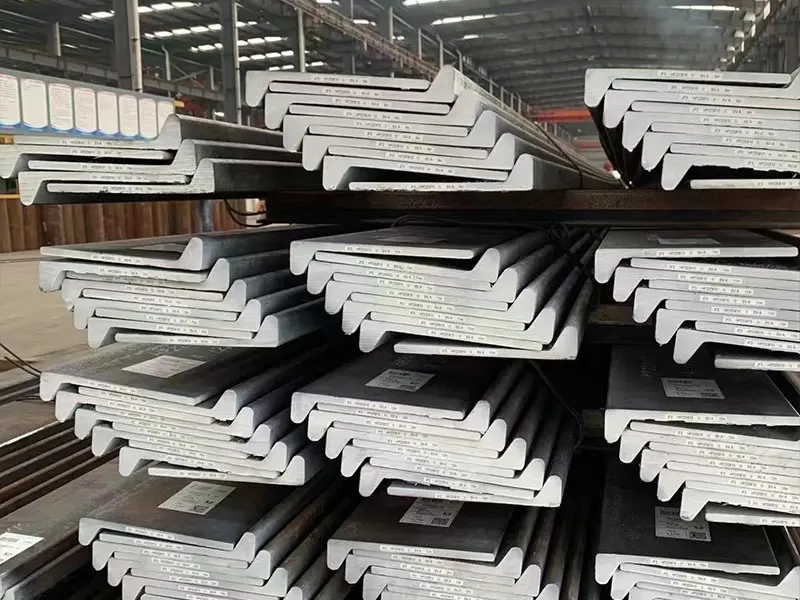
I have worked with third-party inspectors for over ten years. SGS, Bureau Veritas, and other companies come to our facility in Shandong. They check our bulb flat steel before it goes to clients like Gulf Metal Solutions in Saudi Arabia. My clients trust these reports. And I trust them too. They give both sides confidence. In this article, I will explain how third-party inspection works and why it matters for your bulb flat steel orders.
What does a third-party inspection cover for bulb flat steel?
A client from Pakistan called me once. He asked, "What exactly does SGS check? Do they look at every piece?" He thought third-party inspection was just someone walking around and looking at the steel. He did not know how detailed it really is.
A third-party inspection for bulb flat steel covers chemical composition, mechanical properties, dimensional accuracy, surface quality, straightness, and marking verification. The inspector also checks the packing and confirms that the material matches the mill certificate and order requirements.
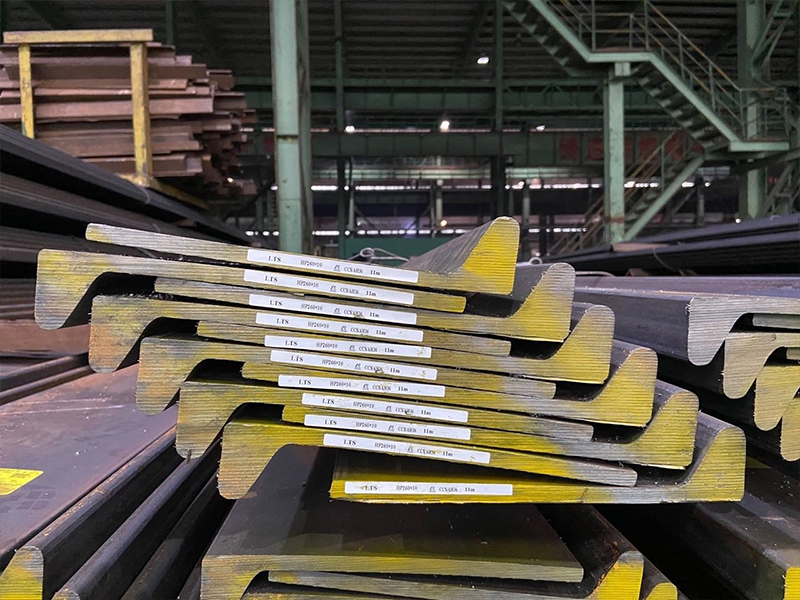
Chemical Composition Testing
This is the first thing the inspector checks. They take a sample from the steel. They send it to a lab or use a portable spectrometer on site.
The inspector looks at:
- Carbon. Too much carbon makes the steel hard to weld.
- Manganese. This gives strength. Too little makes the steel weak.
- Silicon. This affects the steel’s properties.
- Sulfur and phosphorus. These are impurities. High levels make the steel brittle.
The results need to match the standard. For marine bulb flat steel, the standard is usually from a classification society like ABS, BV, or LR. If the chemistry is off by even a small amount, the steel fails.
Mechanical Properties Testing
The inspector also checks how the steel behaves under stress. They take a sample and test it in a machine.
They check:
- Yield strength. How much stress the steel can take before it starts to bend permanently.
- Tensile strength1. How much stress the steel can take before it breaks.
- Elongation. How much the steel can stretch before it breaks. This tells you how ductile the steel is.
- Impact toughness2. For marine steel, this matters a lot. The steel needs to stay strong even at low temperatures.
The inspector takes these tests seriously. They record the numbers. They compare them to the standard. If the numbers are low, the steel does not pass.
Dimensional Accuracy
This is where many bulb flat steel orders fail. The shape is complex. The bulb has a curve. The dimensions need to be exact.
The inspector checks:
- Bulb height. The distance from the top of the bulb to the bottom of the web.
- Web thickness. The vertical part of the profile.
- Flange width. The bottom part that sits against the hull.
- Straightness. The steel should not bend or twist.
- Length. The steel needs to be the length you ordered.
The inspector uses calibrated tools. They measure at several points along the steel. They do this for a sample of the pieces.
Surface and Marking Verification
The inspector looks at the surface. They check for:
- Scale or rust. Some scale is normal. Heavy rust is not.
- Pitting. Small holes in the surface.
- Cracks. These are a major problem.
- Rolling marks. Small imperfections from the mill.
They also check the markings. Each piece of bulb flat steel should have the steel grade and batch number stamped on it. The inspector confirms these match the mill certificate.
Here is a summary of what the inspection covers:
| Category | What Is Checked | Why It Matters |
|---|---|---|
| Chemical composition3 | Carbon, manganese, silicon, sulfur, phosphorus | Determines strength, weldability, corrosion resistance |
| Mechanical properties4 | Yield strength, tensile strength, elongation, impact toughness | Confirms steel can handle the loads in shipbuilding |
| Dimensions | Bulb height, web thickness, flange width, straightness, length | Ensures steel fits and welds correctly |
| Surface condition | Scale, pitting, cracks, rolling marks | Prevents defects that weaken the structure |
| Markings | Steel grade, batch number, mill stamp | Matches steel to certificates for traceability |
| Packing5 | Bands, edge protectors, wrapping | Protects steel during shipping |
When should you schedule third-party inspection1 during production?
I had a client in Thailand. He asked for third-party inspection. But he waited until the steel was already packed and ready to load. The inspector came. He found a problem with the dimensions. But the steel was already packed. Fixing it would take a week. The client missed his shipping window.
The best time to schedule third-party inspection is during production, before the steel is packed. You can also inspect at the billet stage or at the final pre-shipment stage. Each timing gives different levels of control. Earlier inspection gives you more time to fix problems.
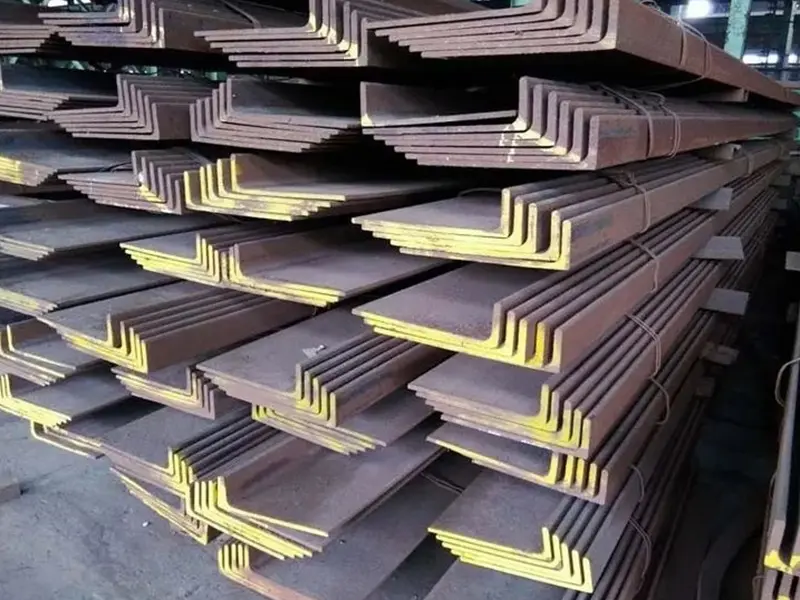
Inspection at the Billet Stage2
This is the earliest point. The inspector comes before we start rolling. They check the steel billets.
What they check:
- The billet source and mill certificate
- The chemical composition of the billets
- The billet surface for cracks or defects
This inspection catches problems before any steel is rolled. If the billets are bad, we do not start production. The client does not lose time on bad steel.
This stage works best for large orders or for clients who want full control. It costs a bit more because the inspector comes twice. But it gives the most protection.
Inspection During Rolling3
This is my preferred timing. The inspector comes while the steel is being made. They can see the process. They can take samples from the hot steel.
What they check:
- Dimensional accuracy while the mill is running
- Samples for chemical and mechanical testing
- The straightness as the steel cools
The big advantage here is speed. If the inspector finds a problem, we can fix it right away. We do not have to unpack steel or rework finished bundles.
I use this timing for most of my export orders. It balances cost and control well.
Pre-Shipment Inspection4
This is the most common timing. The inspector comes after the steel is rolled, cooled, and packed. They open the bundles and check the steel.
What they check:
- Final dimensions
- Surface condition
- Markings
- Packing
The advantage is cost. The inspector comes once. The disadvantage is time. If they find a problem, we have to unpack, fix it, and repack. That takes time and money.
How to Choose the Right Timing5
Here is a table to help you decide:
| Inspection Timing | Best For | Pros | Cons |
|---|---|---|---|
| Billet stage | Large orders, critical projects | Catches problems before production | Higher cost, longer timeline |
| During rolling | Most standard orders | Fast correction, balanced cost | Requires coordination with production schedule |
| Pre-shipment | Smaller orders, repeat clients | Lower cost, one visit | Problems found late, harder to fix |
My Recommendation
I tell my clients this: for a first order, use inspection during rolling or at the billet stage. You want to see how the supplier works. For repeat orders with a trusted supplier, pre-shipment inspection is enough. You know the supplier. You trust their process. You just need confirmation before shipping.
Gulf Metal Solutions6 started with inspection during rolling. They wanted to be sure about our process. After three successful orders, they moved to pre-shipment inspection. They trust us. But they still want that independent check before the steel leaves.
How to interpret the inspection report1 for compliance verification?
I have seen buyers get an inspection report. They look at it. They see "Pass" or "Fail." And they stop reading. But the report has much more information. It tells you why the steel passed. It shows you the numbers. And it helps you understand what you are getting.
An inspection report shows the test results for chemical composition2, mechanical properties3, and dimensions. It compares each result to the standard. You need to look at the actual numbers, not just the pass or fail. The numbers tell you how close the steel is to the limits.
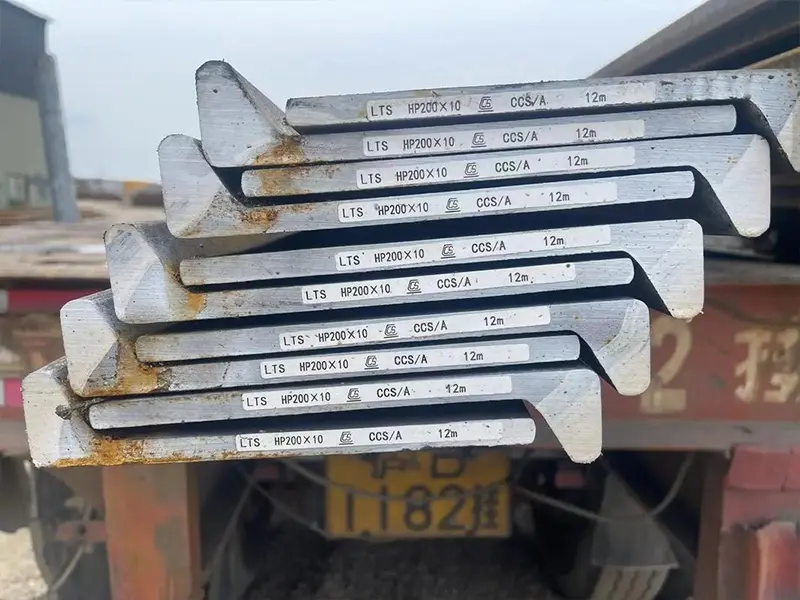
Reading the Chemical Composition Section
This part of the report lists the elements in the steel. Carbon, manganese, silicon, sulfur, phosphorus. Sometimes it includes other elements like copper or chromium.
What to look for:
- The numbers should be within the standard range.
- Sulfur and phosphorus should be low. These are impurities.
- Carbon should be in the middle of the range. Too low, the steel is soft. Too high, it is hard to weld.
If a number is close to the limit, that is a warning. For example, if sulfur is 0.035 and the limit is 0.040, it passed. But it is close. That means the steel might have more impurities than usual.
Reading the Mechanical Properties Section
This part shows the strength and toughness of the steel.
What to look for:
- Yield strength. This should be above the minimum. If the standard says 235 MPa, and the test shows 280 MPa, that is good. If it shows 240 MPa, it passed, but it is close to the limit.
- Tensile strength. Similar to yield. Look for a comfortable margin above the minimum.
- Elongation. This is the stretch before breaking. Higher is better for shipbuilding.
- Impact toughness. This is usually tested at a specific temperature. For marine steel, it might be -20°C or -40°C. The number should be above the requirement.
Reading the Dimensional Results
This part can be long. The inspector measures many pieces.
What to look for:
- The measurements should be inside the tolerance range.
- Look for consistency. If most measurements are in the middle of the range, the process is stable. If they jump around, something is not right.
- Pay attention to the bulb height. This is the hardest dimension to control. If it is near the limit, ask about it.
What to Do If You See Problems
If you see numbers that are close to the limits, ask your supplier. They should explain why. Maybe the standard has a wide range. Maybe the steel is still acceptable for your use.
If you see numbers that are outside the limits, do not accept the steel. The inspector already flagged it. Work with your supplier to replace the bad material.
Here is a sample of how I read a report:
| Test Item | Standard Requirement | Test Result | Status | My Interpretation |
|---|---|---|---|---|
| Carbon | 0.18 – 0.23% | 0.21% | Pass | Good. Right in the middle |
| Sulfur | Max 0.040% | 0.038% | Pass | Close to limit. Check with supplier |
| Yield strength | Min 235 MPa | 278 MPa | Pass | Good. Strong margin |
| Impact at -20°C | Min 27 J | 45 J | Pass | Good. Tough enough |
| Bulb height | 150 mm +/- 1 mm | 151.2 mm | Fail | Out of spec. Reject these pieces |
My Rule for Reports
I keep a copy of every inspection report. I file it with the order. When a client asks a question later, I can go back to the report. I can show them what we tested and what the results were. This builds trust. It also protects me if there is a dispute.
What are the benefits of third-party inspection1 for the buyer?
A buyer in Saudi Arabia told me something before we started working together. He said, "I do not want to argue with you about quality. I just want someone neutral to check the steel." That is the real value of third-party inspection. It removes the argument.
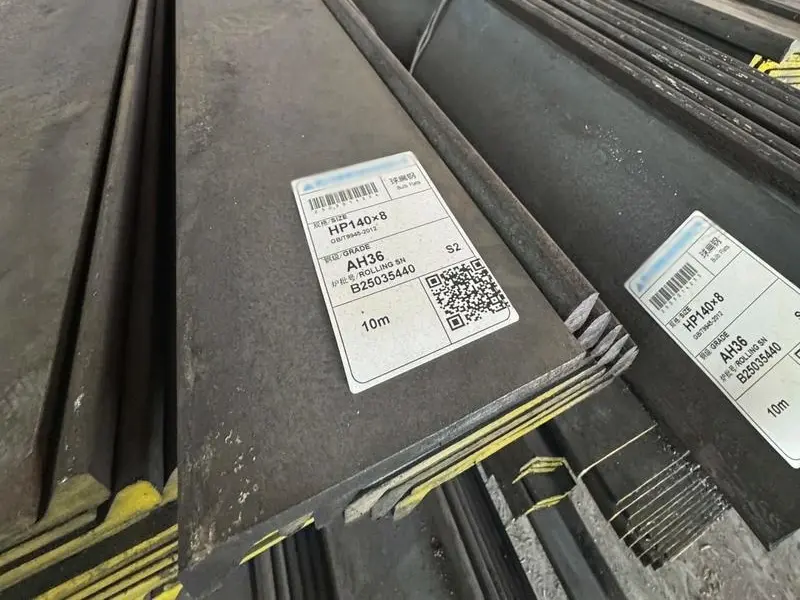
Third-party inspection gives buyers peace of mind2, protects against bad steel, provides independent proof for project approvals, and helps resolve disputes quickly. It also shows that your supplier is confident enough in their quality to let an independent inspector check it.
Peace of Mind
This is the biggest benefit. When you pay for a shipment of bulb flat steel, you are not at the mill. You cannot see the steel. You cannot measure it. You rely on the supplier.
With third-party inspection, you have someone at the mill. They work for you. They check the steel. They send you a report. You know the steel is good before it leaves.
I have clients who sleep better after they get the inspection report. That matters. Business is stressful enough without worrying about steel quality.
Protection Against Bad Steel
This is the practical benefit. If the inspector finds bad steel, you do not pay for it. Or you get it replaced.
I had a situation once. The inspector found a batch of bulb flat steel with low impact toughness. The steel would have failed in cold weather. The client would have had a major problem. But the inspector caught it. We replaced the bad batch. The client got good steel. He did not lose money or time.
Independent Proof for Approvals
Many projects require third-party inspection. The shipyard needs to see the report. The classification society needs to see the report. The end client needs to see the report.
When you have a third-party inspection report, you have proof. It is not your word. It is not the supplier’s word. It is an independent company’s word. That carries weight.
Dispute Resolution
This is the benefit you hope you never need. But if something goes wrong, third-party inspection saves you.
Imagine the steel arrives. Your surveyor finds a problem. The supplier says it was fine when it left. Who is right?
If you have a third-party inspection report from before shipment, you know. The report shows the condition of the steel when it left. If the steel was good then, the damage happened during shipping. If the steel was bad then, the supplier is responsible.
Supplier Confidence
This is a benefit that buyers do not always think about. A supplier who accepts third-party inspection is a supplier who trusts their own quality.
If a supplier says no to third-party inspection, that is a red flag. Why would they not want an independent check? Usually, it is because they know their quality is not consistent.
I work with third-party inspectors because I trust our steel. I know it will pass. And I want my clients to know that too.
The Gulf Metal Solutions Example
When Gulf Metal Solutions found us, they had been burned by bad quality before. They wanted a supplier who would let them bring in an inspector. We said yes. We arranged the inspection. The steel passed. They trusted us after that.
Now they do not ask for inspection on every order. They trust our process. But they know they can ask anytime. And we will say yes.
Conclusion
Third-party inspection protects you from bad steel. It gives you independent proof of quality. It catches problems before they cost you money. Work with suppliers who welcome inspection. And use the inspection report to understand exactly what you are buying.
-
Explore how third-party inspection enhances quality assurance and buyer confidence in various industries. ↩ ↩ ↩ ↩
-
Discover the psychological benefits of third-party inspections and how they alleviate buyer stress. ↩ ↩ ↩ ↩
-
Mechanical properties determine the strength and durability of steel, essential for safety and performance. ↩ ↩ ↩
-
Learn how pre-shipment inspections can save costs but may lead to delays if issues arise. ↩ ↩
-
This resource can guide you in making informed decisions about inspection timing for optimal results. ↩ ↩
-
Discover how Gulf Metal Solutions successfully transitioned their inspection strategy for better quality assurance. ↩