
leading paragraph:
You pack bulb flat steel in a container. It rolls. It shifts. It arrives bent. Your customer rejects it.
snippet paragraph:
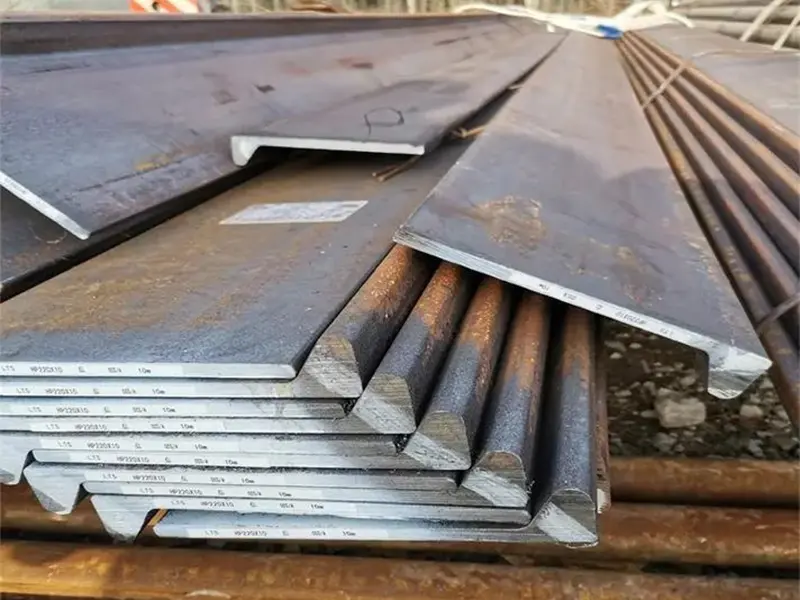
Bulb flat steel has a round bulb on one end. That shape makes it unstable. You need special loading and securing methods. Straps, dunnage, and blocking stop movement.
Transition Paragraph:
I am Zora Guo from cnmarinesteel.com. I ship bulb flat steel to shipyards in Saudi Arabia, Vietnam, and the Philippines every month. I learned how to load it right. Let me share my methods.
Why Bulb Flat Steel Requires Special Loading Compared to Other Marine Steel?
leading paragraph:
You load marine plate. It lays flat. No problem. You load angle steel. It stacks nicely. But bulb flat steel1? It wants to roll.
snippet paragraph:
The bulb on one side makes the center of gravity2 off-center. The steel will tilt and roll if not supported. Flat bar and angle steel do not have this problem.
Dive deeper Paragraph:
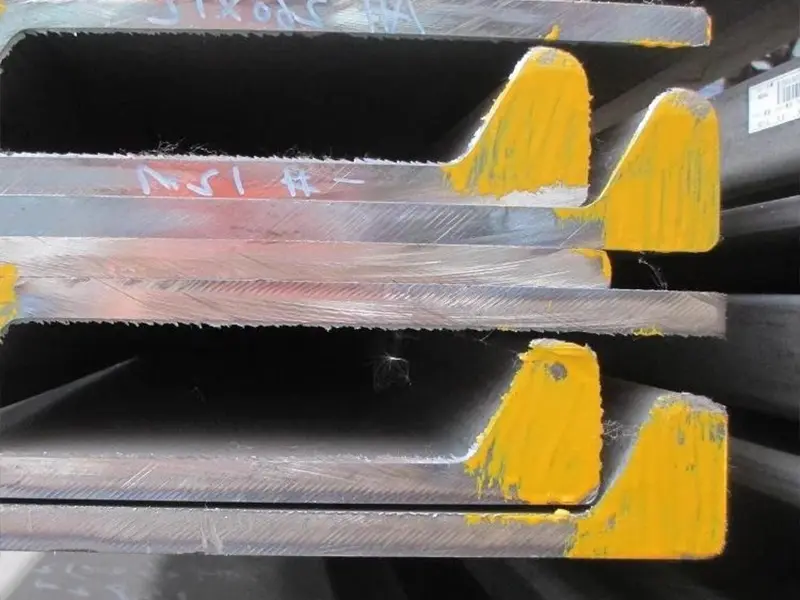
Let me explain the shape problem. Most steel products have a simple shape. Flat bar is rectangular. It sits flat on any surface. Angle steel has two legs. You can lay it with the legs down. It stays put.
But bulb flat steel is different. It has a flat web on one side and a round bulb on the other side. The bulb is heavy. The web is thin. The weight is not balanced. The center of gravity is close to the bulb.
What happens when you load it wrong
If you put bulb flat steel with the bulb facing down, the steel rocks on the bulb. It is like a rocking chair. The smallest movement from the ship or truck makes it tip over.
If you put the bulb facing up, the steel is more stable. But the bulb still creates a high point. The next layer of steel will balance on that bulb. That is unstable3 too.
How it differs from other marine steel
| Steel type | Shape | Center of gravity | Stability when stacked | Special loading needed? |
|---|---|---|---|---|
| Marine plate | Flat rectangle | Centered | Very stable | No |
| Angle steel | L-shape | Near corner | Stable with legs down | No |
| Flat bar | Rectangle | Centered | Stable | No |
| Bulb flat steel | Web + round bulb | Off-center (near bulb) | Unstable | Yes |
A real example of bad loading
I had a customer in Malaysia. He ordered 50 tons of bulb flat steel. The supplier put it in a container with the bulb facing down. No straps. No blocking. When the container arrived, the steel had rolled all over. Some pieces were bent. The customer rejected the whole shipment. The supplier lost $30,000.
That is why I train my team on bulb flat steel loading. It is not hard. But you must do it right.
My advice
Never assume bulb flat steel loads like other steel. Treat it as a special product. Use the methods I describe below. And always send loading photos to your customer before closing the container. That way they see you did it right.
Step-by-Step Loading Process for Bulb Flat Steel in Containers?
leading paragraph:
You have 20 tons of bulb flat steel1. A container is ready. You are not sure where to start. Follow these steps.
snippet paragraph:
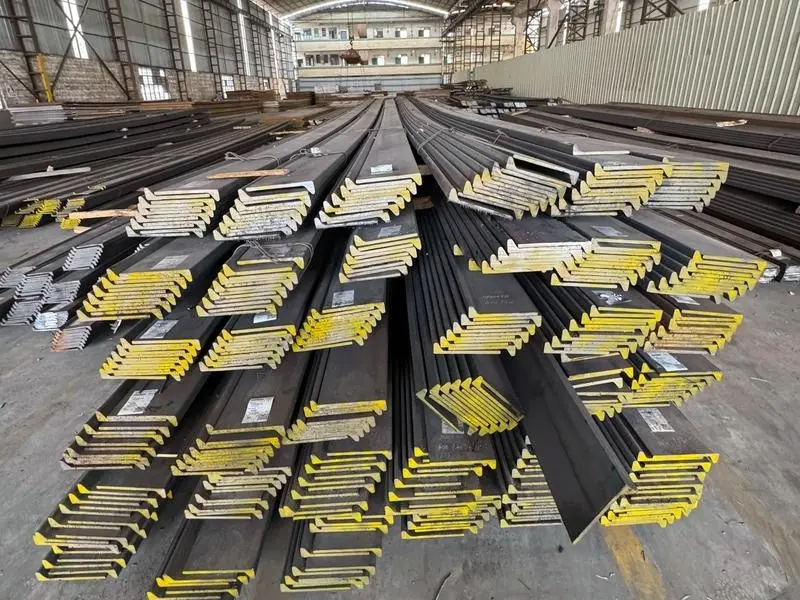
Start with wooden dunnage2 on the floor. Place the first layer with bulbs facing up. Alternate the second layer with bulbs facing down. Strap every 1.5 meters.
Dive deeper Paragraph:
I will walk you through the exact process my team uses at our warehouse in Liaocheng. We load hundreds of tons of bulb flat steel every month. This method works.
Step 1: Prepare the container
Open the container doors. Check the floor for damage. A broken floor cannot hold heavy steel. Sweep out any dirt or debris. Put down wooden dunnage (5cm thick) across the floor. Space the dunnage every 50cm. The dunnage lifts the steel off the floor. Air can circulate. Moisture does not collect.
Step 2: Sort the steel by size
Group the bulb flat steel by profile size (like 160mm, 200mm, 240mm). Also group by length. Do not mix different sizes in one bundle. The gaps will be uneven. That causes movement.
Step 3: Load the first layer
Take the first piece of bulb flat steel. Place it with the bulb facing UP. The flat web sits on the dunnage. The bulb points to the sky. Push the piece all the way to the front of the container. Put a wooden block between the steel and the front wall.
Take the second piece. Place it next to the first piece. Leave a small gap (about 2cm) between pieces. This gap lets you put straps later. Continue until the first layer covers the floor. For a 20ft container, you can fit 4 to 6 pieces per layer, depending on the size.
Step 4: Add spacers between layers3
Before the second layer, put wooden spacers on top of the first layer. The spacers go across the steel, not along it. Place spacers every 1 meter. The spacers keep the layers separated. They also stop the steel from touching and scratching.
Step 5: Load the second layer
This layer goes with bulbs facing DOWN. Yes, down. The bulbs will sit in the gaps between the bulbs of the first layer. The two layers lock together. This is the key to stability.
Place the second layer pieces directly above the first layer pieces. Same alignment. The bulbs of the top layer rest on the flat webs of the bottom layer. The weight is transferred evenly.
Step 6: Add more layers
For tall stacks, repeat the pattern. Odd layers (1,3,5): bulbs up. Even layers (2,4,6): bulbs down. The maximum height depends on the container. Do not stack higher than the container door opening. Usually 4 to 6 layers is the max.
Step 7: Strap the bundle
Use steel straps, not plastic. Plastic stretches. Steel holds tight. Put straps every 1.5 meters along the length. For 6m lengths, use 4 straps. For 12m lengths, use 8 straps. Tighten the straps with a tensioner. The straps should be tight enough that you cannot slide a finger under them.
Step 8: Add edge protectors4
Before tightening the straps, put corner protectors under each strap. The protectors are made of plastic or metal. They stop the strap from cutting into the steel. A cutting strap can break during transit.
Step 9: Add side blocking5
The bundle is strapped. But it can still slide side to side. Put wooden blocks or air bags between the bundle and the container walls. Inflate the air bags if you use them. The bundle should not move when you push it by hand.
Step 10: Close and seal
Put a final wooden block at the back of the bundle, near the doors. Close the doors. The doors press against the block. Then put the container seal6. Take photos. Send the photos to your customer.
Loading summary table
| Step | Action | Time needed | Critical check |
|---|---|---|---|
| 1 | Prepare container with dunnage | 5 min | Dunnage spacing even |
| 2 | Sort steel by size | 10 min | No mixed sizes |
| 3 | Load first layer (bulbs up) | 10 min | Pieces straight, no gaps |
| 4 | Add spacers | 5 min | Spacers aligned |
| 5 | Load second layer (bulbs down) | 10 min | Bulbs fit into gaps |
| 6 | Add more layers | 5 min per layer | Pattern alternates |
| 7 | Strap the bundle | 10 min | Straps tight, 1.5m spacing |
| 8 | Add edge protectors | 5 min | Under every strap |
| 9 | Add side blocking | 5 min | No side movement |
| 10 | Close and seal | 2 min | Block at back doors |
My advice
Follow these steps exactly. Do not skip the dunnage. Do not skip the spacers. Do not use plastic straps. I have done this hundreds of times. It works.
Best Securing Methods: Straps, Dunnage1, and Blocking2?
leading paragraph:
You loaded the steel. Now you need to hold it in place. Straps alone are not enough. You need all three.
snippet paragraph:
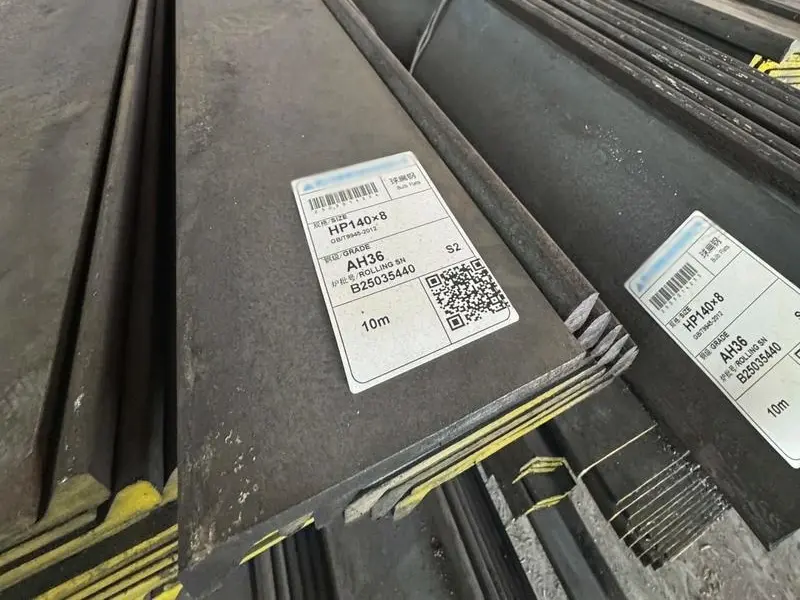
Straps hold the bundle together. Dunnage lifts the steel off the floor and prevents moisture. Blocking stops the bundle from sliding forward, backward, and sideways. Use all three.
Dive deeper Paragraph:
Many people think strapping is enough. It is not. A ship at sea moves in six directions. Forward, backward, up, down, left, right. Straps only stop the bundle from coming apart. They do not stop the whole bundle from sliding.
Straps: The first line of defense
Use steel straps with a breaking strength of at least 500kg. The strap width should be 25mm or 32mm. Place straps every 1.5 meters. For a 6m length, that is 4 straps. For 12m, 8 straps.
The strap tension is important. Too loose, and the bundle comes apart. Too tight, and the strap cuts into the steel. Use a tensioning tool. Tighten until the strap is snug. Then add one more crank. Then stop. Always use edge protectors under the straps.
Dunnage: The foundation
Dunnage is wood placed under the steel. It has three jobs. First, it lifts the steel off the container floor. The floor can have moisture. Moisture3 causes rust. Second, it creates space for forklift forks. You need to unload the steel at the destination. Third, it spreads the weight. Heavy steel can dent the container floor. Dunnage spreads the load.
Use hardwood dunnage (oak or beech). Softwood (pine) crushes under heavy weight. The dunnage should be 5cm thick and 10cm wide. Cut the dunnage to fit across the container width. Space the dunnage every 50cm to 60cm.
Blocking: The stopper
Blocking means wooden blocks placed around the bundle. The blocks stop movement in all directions.
- Forward blocking: A block between the front of the bundle and the container front wall. This stops the steel from sliding forward when the ship brakes.
- Backward blocking: A block between the back of the bundle and the container doors. The doors press against the block. This stops backward movement.
- Side blocking: Wooden blocks or air bags between the bundle and the container side walls. This stops left-right movement.
Comparison of securing materials
| Material | Best use | Strength | Cost | Reusable |
|---|---|---|---|---|
| Steel straps4 | Bundling | Very high | Medium | No |
| Polyester straps | Light bundles | Medium | Low | No |
| Wooden dunnage | Floor protection | High | Low | Sometimes |
| Wooden blocking | Stopping movement | High | Low | Sometimes |
| Air bags5 | Side blocking | Medium | Low | No |
| Chain + binders | Heavy single pieces | Very high | High | Yes |
How to combine them
First, put dunnage on the floor. Second, load the steel on the dunnage. Third, strap the bundle. Fourth, add forward and backward blocking. Fifth, add side blocking. Sixth, take photos.
A real example of failure
A customer in the Philippines received a container of bulb flat steel. The supplier used straps only. No dunnage. No blocking. The container arrived. The steel had slid forward. It punched a hole in the front wall of the container. The shipping line charged $2000 for the damage. The steel was bent. The customer had to scrap 30% of it.
Do not let this happen. Use all three methods.
My advice
Spend the extra $50 on dunnage, blocking, and air bags. It saves you thousands in damage and claims. I provide all these materials for free with every shipment. My customers know that. That is why they trust me.
How to Prevent Rolling and Shifting During Rough Seas?
leading paragraph:
The ship hits a storm. Waves rock the vessel. Your container is down in the hold. Will the steel stay put?
snippet paragraph:
Prevent rolling by alternating bulb direction in each layer. Prevent shifting by filling all gaps with blocking and air bags1. A tight load does not move.
[^2] [alternating layers](https://www.soharshipping.com/blog/cargo-blocking-and-bracing)[^3] to prevent rolling](https://cnmarinesteel.com/wp-content/uploads/2026/01/Flat-steel-ball115.webp)
Dive deeper Paragraph:
Rough seas are the real test. A ship can roll 30 degrees to each side. The forces on cargo are huge. A 10-ton steel bundle can slide with a force of several tons. You need to prepare for the worst.
Why rolling happens and how to stop it
Rolling means the steel turns over on its side. This happens when the bulb is not supported. If you put all layers with bulbs up, the top layer is stable. But the bottom layer can still roll because the bulb is a pivot point.
The solution is alternating layers. Layer 1: bulbs up. Layer 2: bulbs down. The bulbs of layer 2 sit in the valleys between the bulbs of layer 1. They lock together. Neither layer can roll because the other layer blocks it.
Think of eggs in a carton. Each egg sits in a cup. The cups stop the eggs from rolling. Alternating bulb flat steel layers work the same way.
Why shifting happens and how to stop it
Shifting means the whole bundle slides sideways or forward. This happens when there are gaps. A gap of just 5cm is enough. Under ship motion, the bundle moves into that gap. Then it gains speed. Then it hits the other side with force. That force can break straps and bend steel.
The solution is to fill all gaps. Use wooden blocks and air bags. Inflate the air bags to 20 PSI. They expand and press against the steel. No gap means no movement.
Forces during sea transport
| Sea condition | Ship roll angle | Force on cargo (g-force) | What happens to loose steel |
|---|---|---|---|
| Calm | 5-10 degrees | 0.1-0.2g | Minor shifting |
| Moderate | 15-20 degrees | 0.3-0.5g | Bundle slides, straps stretch |
| Rough | 25-35 degrees | 0.6-1.0g | Bundle moves violently, damage occurs |
| Storm | 35+ degrees | 1.0-1.5g | Steel can break through container walls |
A real example from my experience
I shipped 80 tons of bulb flat steel to a customer in Qatar. The ship hit a storm near the Strait of Hormuz. Waves were 6 meters high. The ship rolled heavily. When the container arrived, I was nervous. But the customer sent me photos. The steel had not moved at all. The alternating layers worked. The air bags were still tight. The customer said: “Best packing we have ever seen.”
Step-by-step rough sea preparation
- Step 1: Use alternating layers (bulbs up, then down, then up).
- Step 2: Use steel straps every 1.2 meters (tighter than normal).
- Step 3: Use double straps at the ends of the bundle.
- Step 4: Fill all side gaps with air bags. Use at least 4 air bags per container.
- Step 5: Put extra forward blocking. Use two blocks instead of one.
- Step 6: Wrap the whole bundle with stretch film. The film adds friction. Friction resists movement.
What to tell your shipping line
When you book the container, tell the shipping line: “This container has heavy steel. Please stow it low in the vessel, not on deck.” Low stowage has less motion. Deck stowage has more roll. The shipping line can usually do this for free. Just ask.
My advice
Do not gamble with the sea. Assume there will be a storm. Pack for the worst. The extra 30 minutes of work saves days of claims and unhappy customers. I pack every shipment as if it will go through a typhoon. My customers never complain about damage.
Conclusion
Alternate bulb direction. Strap every 1.5 meters. Add dunnage and blocking. Fill gaps with air bags. Your steel arrives straight and clean.
-
Find out how air bags can fill gaps and stabilize cargo, reducing the risk of movement. ↩ ↩ ↩ ↩
-
Discover the properties of bulb flat steel and its importance in securing cargo during transport. ↩ ↩ ↩
-
Explore how alternating layers can enhance cargo stability and prevent damage during rough seas. ↩ ↩ ↩
-
Discover the best practices for using steel straps to ensure your cargo remains secure and intact. ↩ ↩
-
Learn about the benefits of using air bags for side blocking and how they can improve cargo stability. ↩ ↩
-
Discover why sealing your container is crucial for security and integrity during transport. ↩