
Dealing with delayed responses and inconsistent quality from Chinese steel mills? You are not alone.
To work with Chinese mills for project-based steel supply, you need to identify certified mills, provide clear specs, structure contracts with risk controls, and maintain active follow-up.
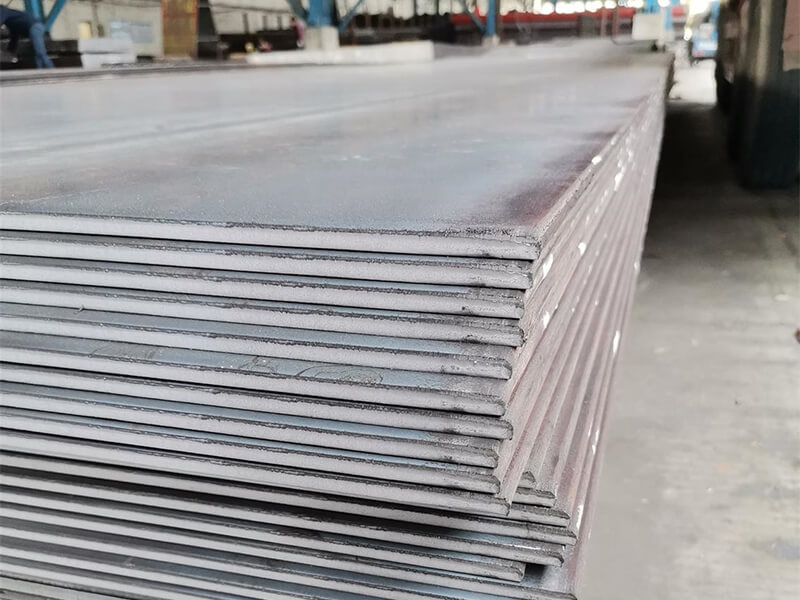
I have helped dozens of project buyers from Saudi Arabia to Vietnam source marine steel from China. From my experience, the difference between a smooth project and a costly delay comes down to four steps. Let me walk you through them based on what actually works with Chinese mills.
How Do You Identify the Right Chinese Mill for Your Project Scope?
You sent 20 inquiry emails and got 18 replies. But half of them said "we can make anything" and the other half disappeared after you asked for mill certificates. That is frustrating.
Look for mills that hold classification society certifications1 (like CCS, ABS, DNV, LR) for your specific steel type. Then check their past project references2 that match your tonnage and grade.
[^3] plate with mill stamp](https://cnmarinesteel.com/wp-content/uploads/2025/09/Marine-steel-plate-2.webp)
The three-tier filter I use to screen Chinese mills
Not all Chinese steel mills are the same. Some are large state-owned producers. Others are smaller private mills. And then there are traders who pretend to be mills. I use a simple three-step filter to save time.
Tier 1 – Certifications for your product category
Marine steel requires different approvals than construction steel. For shipbuilding, you need classification society certificates. Ask for the mill’s latest certificate from DNV, LR, CCS, ABS, or NK. A real mill will send you a PDF within one day. A trader will make excuses. I once had a supplier claim they had CCS approval for bulb flat steel. But when I asked for the certificate number, they stopped replying.
Tier 2 – Production capacity and lead time match
Project-based supply is not about one container. It is about 500 tons or 2,000 tons delivered in batches. Ask these questions:
- What is your monthly production capacity for this steel grade?
- How many rolling lines do you have?
- What is your biggest single order you shipped last year?
A mill that makes 10,000 tons per month of marine plate is different from one that makes 500 tons. I always request a factory video call. If they refuse or reschedule three times, that is a red flag.
Tier 3 – Past project references you can verify
Ask for three export orders from the last 12 months. The order size should be similar to yours. Then ask for the shipping documents with the mill name. You don’t need to contact their customer. Just see if the B/L matches the mill address. One of my clients from Qatar almost signed with a mill that showed fake photos. When we checked the mill registration, it was a trading office in a residential building.
Here is a quick comparison table:
| Filter | What to ask | Red flag |
|---|---|---|
| Certifications | Certificate number and issuing date | "We have all certs" but no document |
| Capacity | Monthly output + recent max order | "Unlimited capacity" or vague answers |
| References | Three orders with B/L copies | "Confidential" for every order |
For project-based buyers like Gulf Metal Solutions in Saudi Arabia, we matched them with a mill that had CCS approval for marine angle steel and had shipped 800 tons to a Vietnamese shipyard two months earlier. That gave them confidence before placing the trial order.
What Information Should You Provide to Get Accurate Quotes and Lead Times?
You ask for a quote. They reply with a number that looks good. Two weeks later, they add a "material surcharge" of 15%. Or they tell you the lead time1 is now 60 days, not 30. This happens when your first email was too vague.
Give them the steel grade2, dimensions, weight per piece, total tonnage, delivery port, required delivery date, and third-party inspection requirement. Also state clearly: "No hidden costs. Quote must include export packing and sea freight to [your port]."
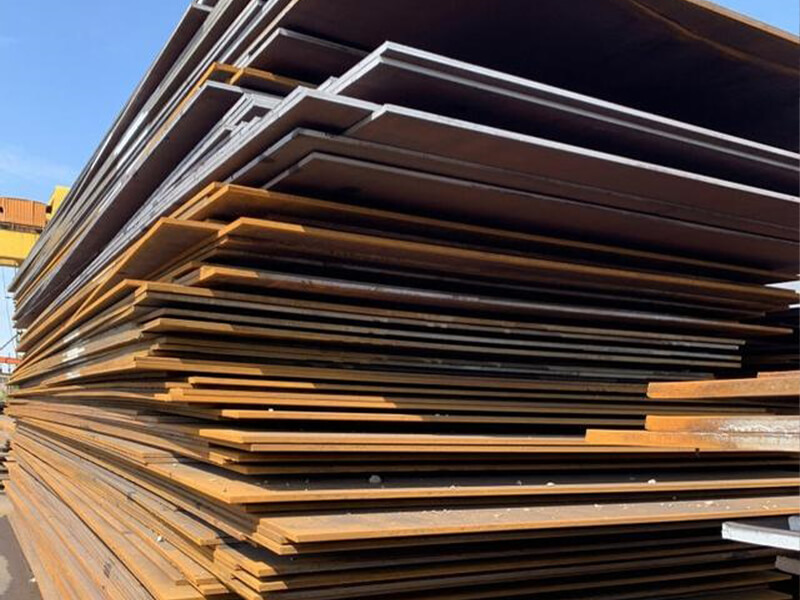
Why most buyers get wrong lead times (and how to fix it)
I see this every week. A buyer sends an inquiry: "Need marine steel plate, 10mm thick, 500 tons, please quote." That is not enough. The mill’s sales person will give you a standard quote based on their cheapest raw material. Then when they actually check production, the lead time jumps.
The missing information that kills your timeline
Chinese mills schedule production based on rolling cycles. They do not keep all steel grades in stock. For marine steel, they usually roll in batches once a month or once every two months. If you miss the rolling window, you wait another 30 to 45 days.
Here is what I always include in my quote requests:
- Exact steel grade: Not just "marine plate A", but "ABS Grade A, 10mm x 2000mm x 6000mm". If you use a different standard like CCS or LR, say that too.
- Tolerance requirements: For thickness, standard tolerance might be +0.3mm. But some projects need +0.1mm. That changes the rolling method.
- Quantity per size: Do you need 100 pieces of one size and 50 pieces of another? Or all the same? Mills will quote lower for repeated sizes because they can set up the line once.
- Packing requirement: Export seaworthy packing (steel pallets, plastic cap, steel strap) costs extra but protects your steel. I have seen steel arrive at Dammam port with rust because the mill used cheap packing.
- Inspection clause: Do you want SGS inspection at the mill before loading? Say it upfront. Some mills will add 2% to the price for this.
A real example from my work
Last year, a client from the Philippines asked me for a quote on marine angle steel. His first email had only the size and tonnage. I asked him for the grade, tolerance, and destination port. He added those details. The quote changed from $620/ton to $655/ton. But the lead time stayed at 35 days because we locked the rolling slot. His previous supplier gave him a lower quote but then pushed delivery by 60 days. He saved three months by giving complete information at the start.
The one-page spec sheet3 method
I recommend you create a one-page spec sheet template. Fill it out for each project. Send it as a PDF with your inquiry. Here is a simple structure:
- Project name and your reference number
- Steel type (plate, angle, bulb flat, L-shape)
- Grade and classification society
- Dimensions (thickness x width x length for plates; leg size x thickness for angles)
- Quantity per size (in pieces)
- Total weight (in tons)
- Required delivery date
- Destination port and Incoterm (CIF, FOB, CNF)
- Third-party inspection (yes/no, which agency)
When you send this, the mill cannot give you vague answers. And you can compare quotes from different mills side by side.
How Can You Structure Contracts to Manage Quality, Delivery, and Payment Risks?
You sign a contract. You pay a 30% deposit. Then the steel arrives with surface rust. Or it is 2mm thinner than you ordered. When you complain, the mill says "meets Chinese standard" and shows a different clause. That is a nightmare.
Use a contract that ties payment to verified milestones: 20% deposit, 50% against inspection report from an accepted third-party (SGS, Bureau Veritas), and 30% against copy of Bill of Lading. Always include a quality clause that references your agreed spec sheet, not a generic national standard.
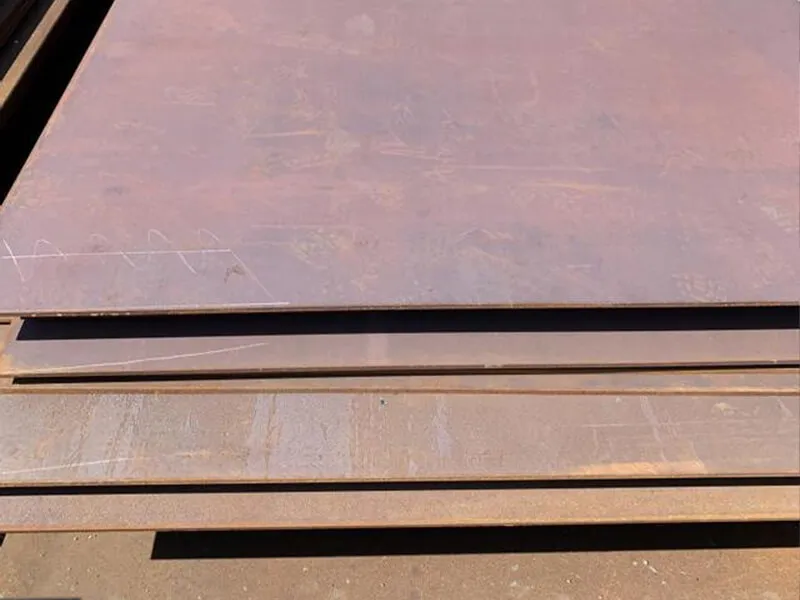
Four risk areas that most buyers overlook
I have reviewed over 200 contracts between foreign buyers and Chinese mills. Most of them miss the same four points. Let me break them down with what I have learned from helping clients like Gulf Metal Solutions.
Risk 1 – Quality standards
The biggest problem is when the contract says "quality according to Chinese standard GB/T 712-20221" but your project needs ABS or LR. Those standards are not the same. GB allows more tolerance on thickness and surface defects. I had a client in Mexico who received marine steel plates2 that passed GB inspection but failed ABS inspection. The mill refused to replace them because the contract said GB.
What I put in every contract now:
"All material shall comply with [classification society name] standard [year]. Mill test certificates to be issued by [classification society] recognized surveyor. Any material failing third-party inspection3 at buyer’s nominated agency at loading port shall be rejected and replaced at seller’s cost within 30 days."
Risk 2 – Delivery penalties
Chinese mills often put "force majeure" for anything. Late delivery happens, but you need a real penalty. A simple clause works better than a complicated one. I use this:
"For every week of delay beyond agreed delivery date, seller pays 0.5% of contract value. Maximum 5%."
This is fair and enforceable. Most mills accept it. If they refuse, ask yourself why.
Risk 3 – Payment structure
The standard is 30% deposit, 70% against B/L. But for project-based supply, I push for 20-50-30 or 20-30-30-20 with the middle payment tied to inspection.
Here is a payment table I use for large orders above $100,000:
| Milestone | Payment % | Condition |
|---|---|---|
| Deposit | 20% | After contract signed |
| Production start | 30% | After raw material purchased + photo/video proof |
| Inspection pass | 30% | After SGS report at mill (buyer’s rep present) |
| Shipment | 20% | Against B/L copy + packing list |
Some mills will say no to this. That is fine. But if they strongly resist any inspection milestone, that tells you something about their quality.
Risk 4 – Packing and marking
This sounds small. It is not. I have seen steel plates arrive with no plastic cap between layers. The friction during shipping caused deep scratches. The buyer rejected 40% of the order. The contract said "export packing" but did not define it.
Now I add:
"Packing shall be: each steel plate separated by plastic film, bundled on steel pallets, strapped with 4 steel bands per bundle, edge protected with plastic corner protectors. Each bundle marked with buyer’s PO number, size, grade, and heat number."
A real contract negotiation4 story
Gulf Metal Solutions from Saudi Arabia had a problem before they found me. Their previous Chinese supplier promised quality but delivered marine angle steel with uneven legs. The contract had no detail on tolerance. When they complained, the supplier said "that is within Chinese standard."
For their order with us, we wrote a two-page specification attachment to the contract. It had drawings, tolerance tables, and a photo of acceptable surface condition. We also added the inspection milestone. They paid 20% deposit, then 30% after we sent production videos, then 30% after SGS inspection passed, and final 20% against B/L. They told me later: "This is the most secure we have ever felt buying from China."
What Communication and Follow-Up Practices Ensure Smooth Project Execution?
You send an email on Monday. No reply. You send again on Wednesday. They say "checking." On Friday they say "okay." Then production is delayed two weeks because they "forgot" to order the raw material. That is what poor follow-up looks like.
Set a weekly call schedule. Use WeChat1 or WhatsApp for daily updates. Ask for three photos every week: raw material, rolling process, and final packing. Assign one person on your side and one on the mill side as the single points of contact.
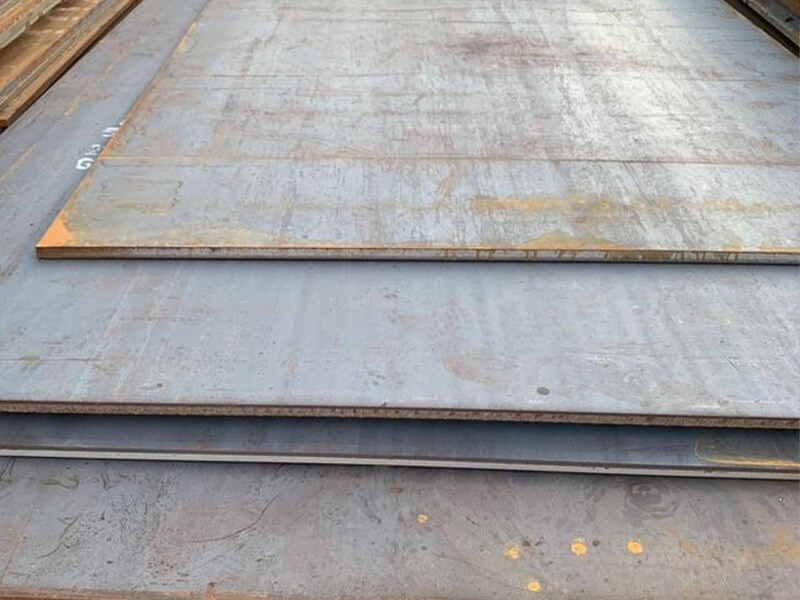
The weekly check-in system that saved my clients from disasters
I learned this the hard way. Early in my career, I assumed a mill would follow the production schedule without reminders. They did not. Now I train all my project buyers to use a simple follow-up system. It takes 15 minutes per week and prevents months of delays.
Step 1 – Set up the communication tools
Chinese mills use WeChat for everything. Email is too slow. I ask every client to install WeChat or use WhatsApp if their company allows it. Then I create a group with the buyer, the mill’s sales manager, and the production planner. No other people. This group is for project updates only.
The daily message format
Every morning at 9 AM China time, the mill sends one message in this format:
- Production status today: [step name]
- Photos/videos: [attached]
- Any issue: [yes/no – if yes, explain]
- Tomorrow’s plan: [next step]
If they miss two days in a row, I call the sales manager directly. That usually fixes the problem.
Step 2 – The weekly video call2
Every Tuesday or Wednesday, we have a 10-minute video call. I ask three questions:
- What did you complete this week?
- What is the next week’s target?
- Do you need any information from me?
That is it. Short and direct. The mill knows I am watching. They will not let small problems grow into big ones.
Step 3 – The inspection checkpoint
For project-based orders above 200 tons, I always arrange a mid-production inspection3. This does not have to be a full third-party agency. It can be a video call where the mill shows:
- The raw material certificates (heat numbers)
- The rolling line with your material on it
- A sample piece measured with a caliper
I once caught a mill trying to use a different thickness steel for a marine plate order. The video call showed the thickness stamp on the plate. It was 9.5mm instead of 10mm. We stopped production immediately. The mill fixed it in three days. Without that video check, they would have shipped 500 tons of wrong material.
How we use this with Gulf Metal Solutions
After they placed their first order for marine steel plate and angle steel, we set up the WeChat group. Every week, I sent them a one-page PDF summary with photos and production percentage. They did not have to chase us. When the third-party inspection happened, I sent them the report within two hours. Their project manager in Saudi Arabia told me: "Your communication is faster than our local suppliers."
A common mistake buyers make
They treat the mill like a local supplier. They expect the mill to know everything about shipping to Vietnam or customs in Qatar. Chinese mills do not. You have to tell them. For example, Dammam port requires specific fumigation certificates for wooden pallets. If you do not tell the mill three weeks before loading, they will use cheap pallets and your cargo will be delayed at customs.
So in your weekly follow-up, also check the shipping documents4:
- Commercial invoice
- Packing list
- Bill of lading draft
- Certificate of origin
- Any country-specific documents
I have a checklist I share with all my project buyers. It has 12 items. We review it together two weeks before the planned loading date.
Conclusion
Identify certified mills first. Then give complete specs. Then use a payment and inspection contract. And finally, follow up every week with photos and calls.
-
Explore how WeChat can streamline communication and enhance project management efficiency. ↩ ↩ ↩ ↩
-
Learn best practices for weekly video calls to keep your projects on track and ensure accountability. ↩ ↩ ↩ ↩
-
Understand how mid-production inspections can prevent costly mistakes and ensure quality control. ↩ ↩ ↩
-
Discover the key shipping documents required to avoid delays and ensure smooth customs clearance. ↩ ↩