
You deliver bulb flat steel. The shipyard rejects it. The dimensions are off by 1mm. The weld fails.
Today’s shipyards expect bulb flat steel suppliers to provide full certifications, tight dimensional consistency, complete traceability from heat number to final delivery, reliable on‑time delivery with flexible logistics, and proactive communication with after‑sales support.
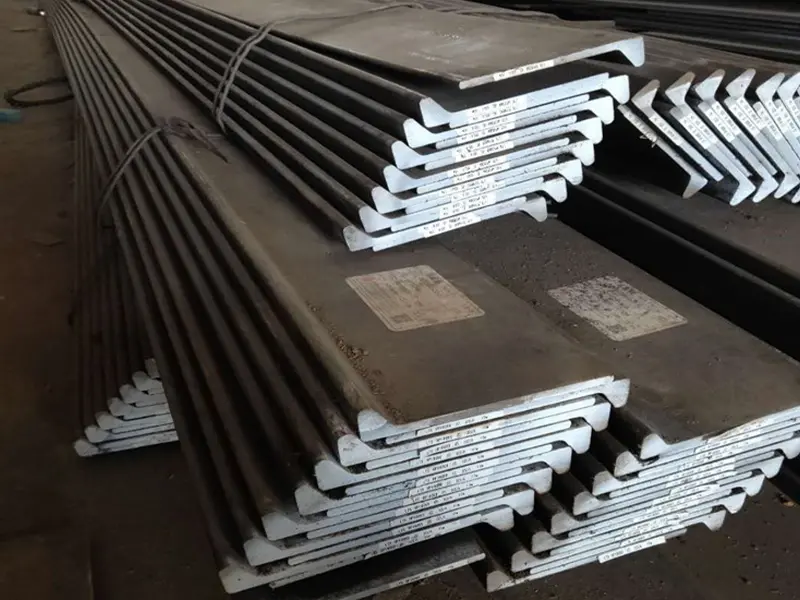
I have supplied bulb flat steel to shipyards across Asia and the Middle East. The best shipyards are not just buyers – they are partners. They have clear expectations. Meeting those expectations has made me a better supplier. Let me walk you through exactly what shipyards look for today, so you can either meet those standards or find a supplier who does.
What Quality Certifications and Dimensional Consistency Do Shipyards Demand from Suppliers?
One batch with variable thickness. The whole stiffener line stops. Shipyards cannot afford that.
Shipyards demand full classification society approvals (ABS, DNV, LR, BV, CCS) and tight dimensional tolerances – often tighter than standard. They expect bulb height consistency within ±1.0mm, web thickness within ±0.2mm, and straightness under 1.0mm per meter. They also require mill test certificates (MTCs) for every heat number.
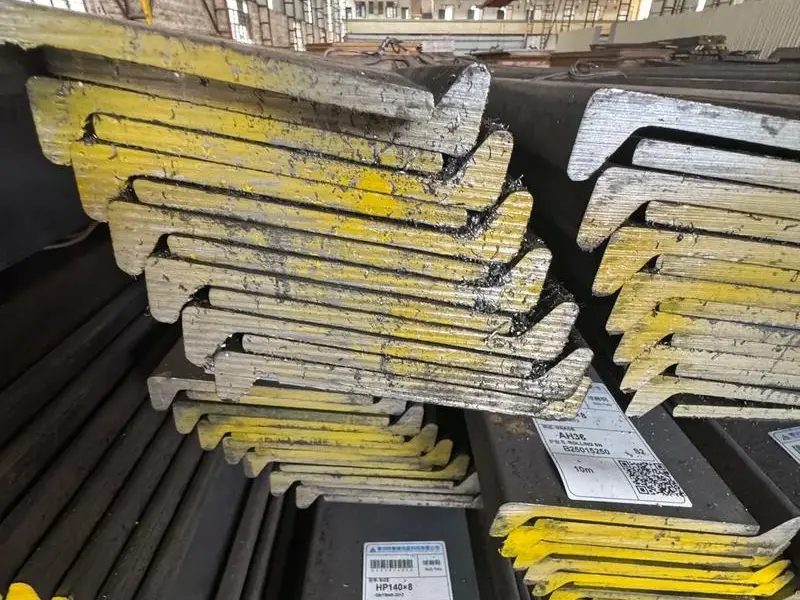
The tolerances that make welding predictable
I remember a shipyard in Vietnam. They received bulb flat steel from a different supplier. The bulb height varied by 2.5mm across the bundle. Their automated welding robot could not compensate. They had to weld manually. The job took twice as long. After that, they added tight tolerances to every purchase order.
So let me show you the exact quality expectations.
First, the required certifications. No shipyard will accept bulb flat steel without these.
| Certification | Why Shipyards Require It |
|---|---|
| Classification society approval (ABS, DNV, LR, etc.) | Proves steel meets international marine standards |
| Mill Test Certificate (MTC) with heat number | Traces chemistry and mechanical properties |
| ISO 9001 (supplier quality system) | Shows consistent processes |
| Third‑party inspection report (SGS, BV, TÜV) – often requested | Independent verification |
Second, dimensional tolerances that shipyards actually use. Standard JIS or ASTM tolerances are often too loose for modern automated fabrication.
| Dimension | Standard Tolerance (JIS) | Shipyard Preferred Tolerance | Why Tighter Matters |
|---|---|---|---|
| Bulb height (H) | ±1.5mm | ±1.0mm | Fits in automated jigs |
| Web thickness (t) | ±0.4mm | ±0.2mm | Consistent weld penetration |
| Straightness | 1.5mm per meter | 1.0mm per meter | No forcing during assembly |
| Length | +5mm / -0mm | +2mm / -0mm | Precise nesting |
I have seen shipyards reject bundles that met JIS standards but not their internal tighter specs. I now ask every new client for their specific tolerance requirements before quoting.
Third, how shipyards verify consistency. They do not just trust the MTC.
| Verification Step | What Shipyard Does |
|---|---|
| Incoming inspection | Random sample measurement from each bundle |
| Cross‑batch comparison | Compare dimensions across deliveries |
| Weld test | Test weldability on first few pieces |
| Third‑party lab | Send samples for independent chemistry (for critical projects) |
Fourth, what suppliers must do to meet these expectations.
- Provide MTCs before shipment, not after
- Use calibrated measurement tools and record results
- Offer pre‑shipment inspection (photos or third‑party)
- Accept returns for out‑of‑tolerance material
I do all of this. My clients know that every bundle meets their specs.
Your quality checklist as a shipyard buyer
- Supplier has current classification society approvals for bulb flat steel
- Supplier agrees to your tighter tolerances in writing
- Supplier provides batch‑specific MTCs before loading
- Supplier accepts third‑party inspection at loading port
If a supplier hesitates on any of these, find another one.
How Do Shipyards Expect Suppliers to Ensure Traceability from Heat Number to Final Delivery?
A weld cracks. The shipyard needs to know which batch caused it. Without traceability, they cannot.
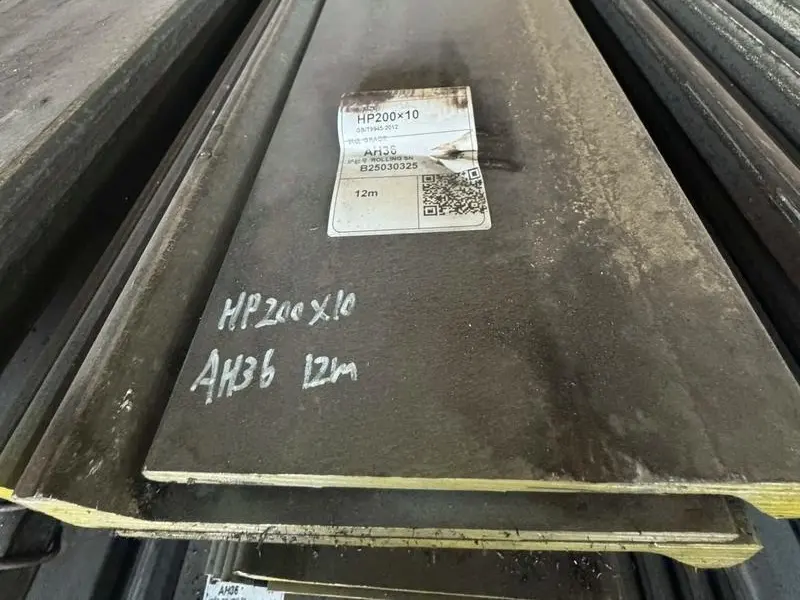
Shipyards expect every piece of bulb flat steel to have a visible heat number stamp that matches the MTC. They also expect bundle labels with heat numbers, and a packing list that links each bundle to its heat number. Some shipyards also require retained samples from each heat.
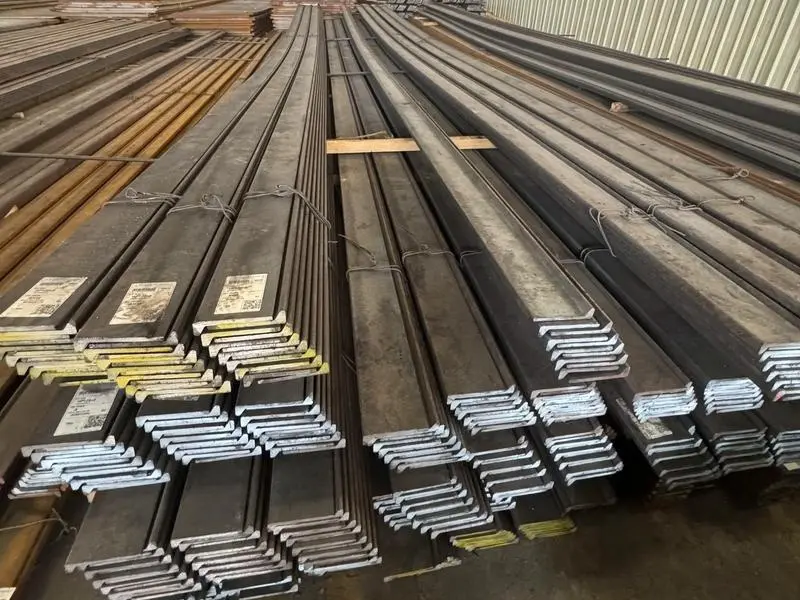
The chain that cannot break
I had a client in Malaysia. A batch of bulb flat steel failed impact testing after delivery. He traced the heat number from his receiving log. That heat number matched an MTC. He sent the MTC to the mill. The mill admitted a rolling error and replaced the steel. Without traceability, he would have eaten the cost.
So let me explain the traceability chain shipyards expect.
First, the four links in the traceability chain.
| Link | Location | Information |
|---|---|---|
| 1. Heat number stamp | On each piece of steel (stamped or painted) | Unique number from the mill |
| 2. Bundle label | Tied to each bundle | Heat number, size, weight, bundle number |
| 3. Packing list | Document | Lists each bundle with its heat number |
| 4. Mill Test Certificate | Document | Lists heat number with chemistry and properties |
Every link must match. If the heat number on the steel does not match the MTC, the shipment is rejected.
Second, what shipyards check at receiving.
| Check | How They Do It |
|---|---|
| Heat number visibility | Walk along the steel, look for stamp |
| Match with packing list | Pick random pieces, read heat number, compare to document |
| Bundle label condition | Labels must be weather‑resistant and readable |
| Sample retention | Some shipyards cut a 10‑20cm sample from each heat and store it |
Third, how suppliers should support traceability.
- Stamp heat numbers clearly (not just a sticker that can fall off)
- Use weather‑resistant labels on bundles (laminated, wire‑tied)
- Provide digital photos of stamps and labels before shipment
- Keep digital copies of all MTCs for at least 5 years
I take photos of heat number stamps on random pieces from every bundle. I send those photos to my clients. They can verify before the steel even arrives.
Fourth, a traceability failure example.
| What Went Wrong | Consequence |
|---|---|
| Supplier used different mills without telling buyer | Different heat number formats, MTCs mismatched |
| Bundle labels fell off during sea freight | Shipyard could not identify which heat was which |
| No photos of stamps before shipment | Shipyard had to test every bundle ($$$) |
The shipyard spent $5,000 on lab testing to sort out the mess. The supplier lost the account.
Your traceability checklist as a shipyard buyer
- Supplier stamps heat numbers on each piece (not just a label)
- Supplier sends photos of stamps before shipment
- Packing list clearly links bundle numbers to heat numbers
- MTCs are provided for each heat number, not one MTC for the whole order
I do all of this. My clients have full visibility from my warehouse to their yard.
Why Is On‑Time Delivery and Flexible Logistics a Top Expectation for Modern Shipyards?
Steel arrives late. The shipyard pays idle workers. The delivery schedule slips. Penalties apply.
Shipyards expect on‑time delivery rates above 95%. They need flexible logistics – the ability to split shipments, change delivery dates with reasonable notice (e.g., 2‑4 weeks), and adjust port of discharge if needed. They also want real‑time tracking and proactive delay notifications.
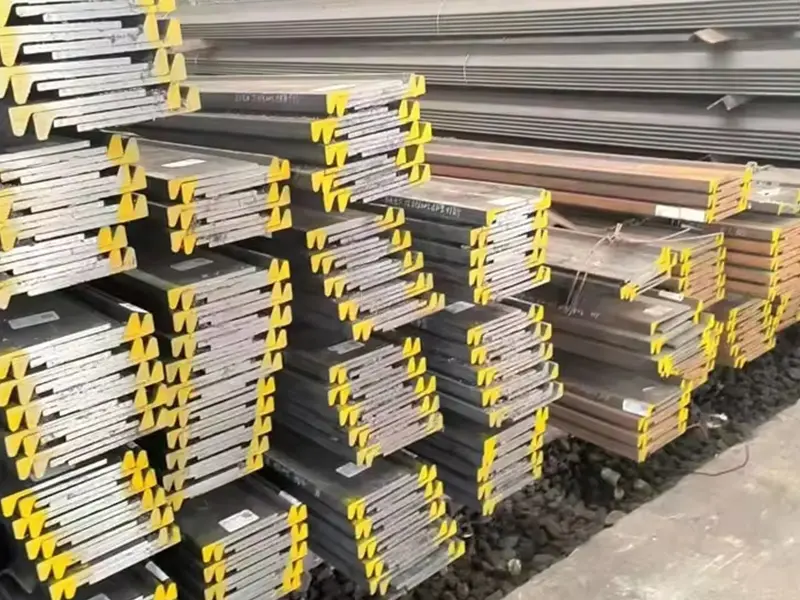
The cost of a one‑day delay
I remember a shipyard in Thailand. They had a vessel launch date fixed. The bulb flat steel for the deck was two weeks late. The shipyard had to move workers to other jobs, then bring them back. The delay cost them $40,000 in labor and re‑scheduling. After that, they changed suppliers to one with better delivery reliability.
So let me share what shipyards expect on logistics.
First, the on‑time delivery benchmark.
| On‑Time Delivery Rate | Shipyard Feeling | Action |
|---|---|---|
| 98‑100% | Very satisfied | Long‑term partnership |
| 95‑97% | Satisfied | Continue, but monitor |
| 90‑94% | Concerned | Review performance, probation |
| Below 90% | Unsatisfied | Likely to switch suppliers |
I track my own on‑time rate. Last year it was 96%. My goal is 98% this year.
Second, flexible logistics options shipyards want.
| Flexibility | What Shipyard Expects | Supplier Action |
|---|---|---|
| Split shipments | Deliver part of the order early if needed | Ability to ship partial containers |
| Date changes | Move delivery by 2‑4 weeks with reasonable notice | Stock or production flexibility |
| Port changes | Switch to a different port in the same region | Relationships with multiple forwarders |
| Real‑time tracking | Know where the vessel is at any time | Provide vessel name and AIS tracking link |
I provide all of these. My clients can track their steel from my warehouse to their port.
Third, how shipyards measure supplier delivery performance.
| Metric | Definition | Target |
|---|---|---|
| On‑time delivery (OTD) | % of orders delivered on or before promised date | ≥95% |
| Lead time adherence | Actual lead time ÷ quoted lead time | ≤1.1 (10% over) |
| Delay notification time | How many days before the delay you told the shipyard | ≥7 days |
| Demurrage incidents | Number of times shipyard paid port delay fees due to supplier | 0 per year |
Fourth, how a good supplier handles a potential delay.
| Action | Bad Supplier | Good Supplier |
|---|---|---|
| Mill delay problem | Tell buyer 2 days before scheduled delivery | Inform buyer 2 weeks in advance, propose solution |
| Shipping change | Say "not my problem" | Find alternative vessel or port |
| Customs issue | Blame forwarder | Coordinate with forwarder to resolve |
I always give bad news early. My clients appreciate the honesty. They can adjust their production schedule.
Your delivery expectations checklist
- Supplier has a documented on‑time delivery track record (ask for data)
- Supplier offers flexible options like split shipments
- Supplier provides real‑time vessel tracking
- Supplier has a clear policy for delay notification (how many days notice)
I share my delivery data with potential clients. Transparency builds trust.
What Communication and After‑Sales Support Do Shipyards Require for Long‑Term Partnerships?
The steel arrives. There is a problem. The supplier’s contact person is unavailable. The shipyard feels abandoned.
Shipyards require a dedicated account manager who speaks English (or the shipyard’s language), responds within 24 hours, and has authority to solve problems. After‑sales support includes handling quality claims, replacing defective steel, and helping with documentation issues even after delivery.
The difference between a vendor and a partner
I have a client in Saudi Arabia. When he started with me, he said: "I have had five Chinese suppliers. They all disappeared after payment." I promised him I would not. I answer his calls. I reply to his WhatsApp messages. When he had a quality issue, I replaced the steel at my cost. That is why he has stayed with me for years.
So let me explain what shipyards expect.
First, communication expectations.
| Expectation | Why It Matters |
|---|---|
| Dedicated account manager | One person knows your history, your sizes, your preferences |
| Response within 24 hours (same day preferred) | Production issues need fast answers |
| Proactive updates | No need to chase – supplier tells you status |
| Clear English (or your language) | No misunderstandings on specs or dates |
I assign one sales rep to each long‑term client. That rep knows the client’s production schedule and preferred shipping ports.
Second, after‑sales support expectations.
| Support Type | What Shipyard Expects |
|---|---|
| Quality claims | Clear process – photos, test reports, replacement or discount |
| Defective steel | Replacement at supplier’s cost, not buyer’s |
| Documentation errors | Corrected documents within 24 hours |
| Customs inquiries | Supplier helps resolve (even after delivery) |
| Technical questions | Answers on welding, cutting, storage |
Third, how shipyards evaluate communication and support.
| Metric | Good Supplier | Bad Supplier |
|---|---|---|
| Email response time | 24 hours | |
| Quality claim resolution | 30 days | |
| After‑hours contact | Yes (for emergencies) | No |
| Proactive updates | Weekly schedule report | Only when asked |
Fourth, what a long‑term partnership looks like in practice.
| Stage | Shipyard Action | Supplier Action |
|---|---|---|
| Before order | Shares forecast and build schedule | Reserves mill capacity |
| During order | Provides feedback on quality | Adjusts processes |
| After delivery | Reports any issues quickly | Responds and resolves |
| Next project | Places repeat order without requoting | Offers improved pricing |
This is not transactional. It is collaborative.
Your communication and support checklist
- Supplier provides a named account manager (not a generic email)
- Supplier has a documented response time policy (e.g., 24 hours)
- Supplier has a clear quality claim process
- Supplier offers after‑hours contact for emergencies
I provide all of this. My clients know they can reach me when they need to.
Conclusion
Shipyards expect full certifications, tight dimensional consistency, complete traceability, on‑time delivery with flexibility, and responsive after‑sales support. Meet these, and you earn a long‑term partnership.