
You pick a supplier for one project. They do fine. For the next project, you pick another. You re‑do all the work.
Evaluate suppliers for long‑term projects by checking their quality management systems, production capacity and delivery stability, track record and financial health, and communication transparency with proven problem‑resolution practices.
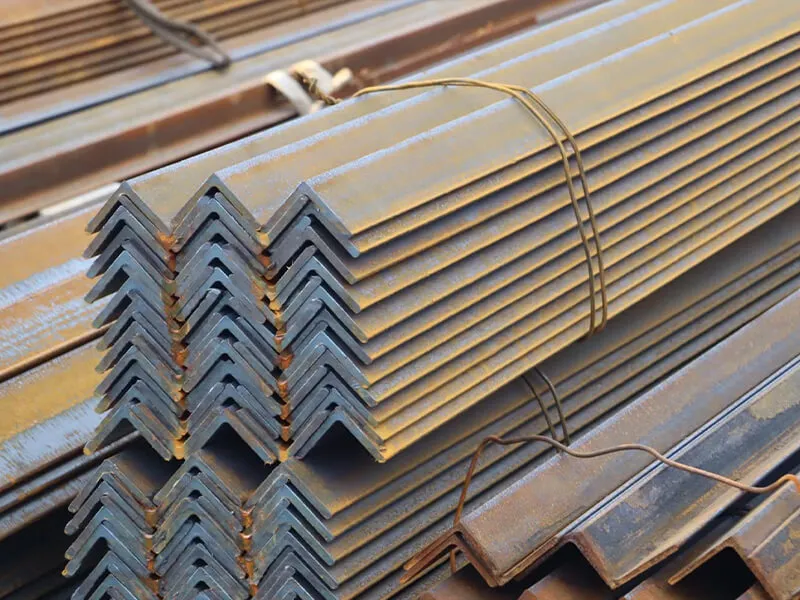
I have been evaluated by shipyards and contractors many times. The ones who do a thorough job up front have the smoothest long‑term relationships. They ask the right questions. They check the right documents. Then they trust their supplier and move on to building vessels. Let me walk you through the four areas you must evaluate before committing to a long‑term partnership.
What Quality Management Systems and Certifications Should You Verify in a Long‑Term Supplier?
A supplier shows you a certificate from 2019. You assume it is still valid. It expired two years ago.
You must verify current classification society approvals (ABS, DNV, LR, BV, CCS) for the grades you need. Also check ISO 9001 certification, mill test certificate (MTC) traceability, and whether the supplier uses third‑party inspection (SGS, TÜV, BV) as a regular practice, not just for problem orders.
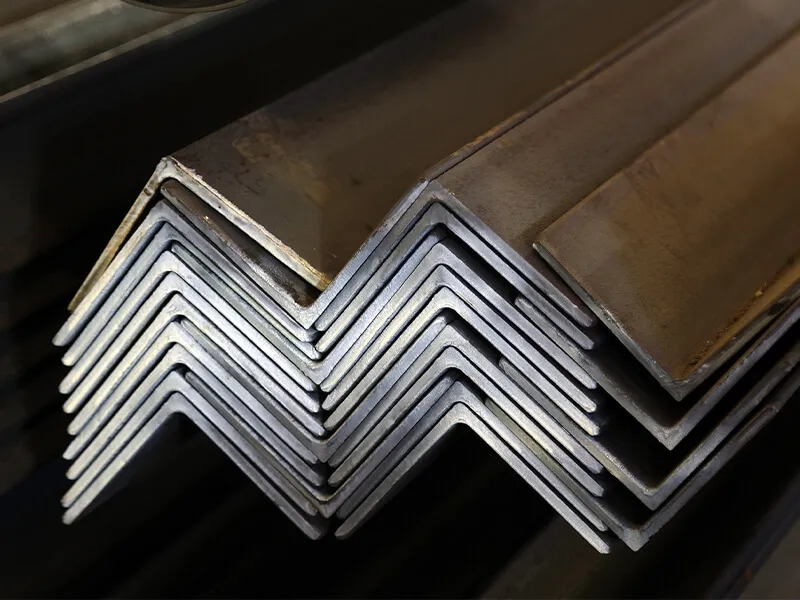
The certificate that expired last year
I had a buyer from Qatar. He was evaluating a supplier. The supplier showed a DNV certificate dated 2020. The buyer assumed it was current. I suggested he check online. He did. The certificate had expired 18 months ago. The supplier had not renewed it. The buyer walked away. That saved him from a potential $200,000 problem.
So let me show you exactly what to verify.
First, classification society approvals – check expiration dates. Do not just look at the certificate. Verify it online or call the society.
| Classification | Verification Method | What to Check |
|---|---|---|
| ABS | Eagle.org → Search approved mills | Mill name, product type, expiration |
| DNV | Veracity.dnv.com | Approved supplier list |
| LR | LR.org → Find a supplier | Certificate number, validity |
| BV | Bureauveritas.com → Supplier directory | Scope of approval |
Second, the supplier’s internal quality management system.
| Certification | What It Means | Why It Matters for Long‑Term |
|---|---|---|
| ISO 9001:2015 | Basic quality management | Consistent processes over time |
| IATF 16949 (rare) | Automotive standard (overkill for steel) | Not needed |
| Six Sigma or similar | Process control | Reduces batch variation |
For marine angle steel, ISO 9001 is the baseline. If a supplier does not have it, be very careful.
Third, MTC traceability as a routine practice. For a long‑term partnership, the supplier should:
- Provide batch‑specific MTCs for every shipment (not "same as last time")
- Keep heat number records for at least 5 years
- Share MTCs before shipment so you can verify
Fourth, third‑party inspection as a standard option. A supplier who resists third‑party inspection is hiding something. For long‑term projects, you want a supplier who says: "Yes, you can use SGS, BV, or TÜB, and we will cooperate fully."
Your quality management checklist
- Current classification society approvals (check expiration online)
- ISO 9001 certification (ask for copy)
- Batch‑specific MTCs provided before every shipment
- Supplier welcomes third‑party inspection (SGS, BV, TÜV)
I renew my certifications on time and share them with clients. I also keep a digital library of MTCs going back 7 years.
How Do You Assess a Supplier’s Production Capacity and Delivery Stability Over Multiple Orders?
A supplier delivers your first order on time. You assume the second will be the same. Then their mill has a breakdown.
You assess production capacity by asking about mill access (direct contract vs spot buying), inventory levels (what sizes they keep in stock), and lead time consistency (actual data, not promises). Delivery stability is measured by on-time delivery rate over the last 12‑24 months.
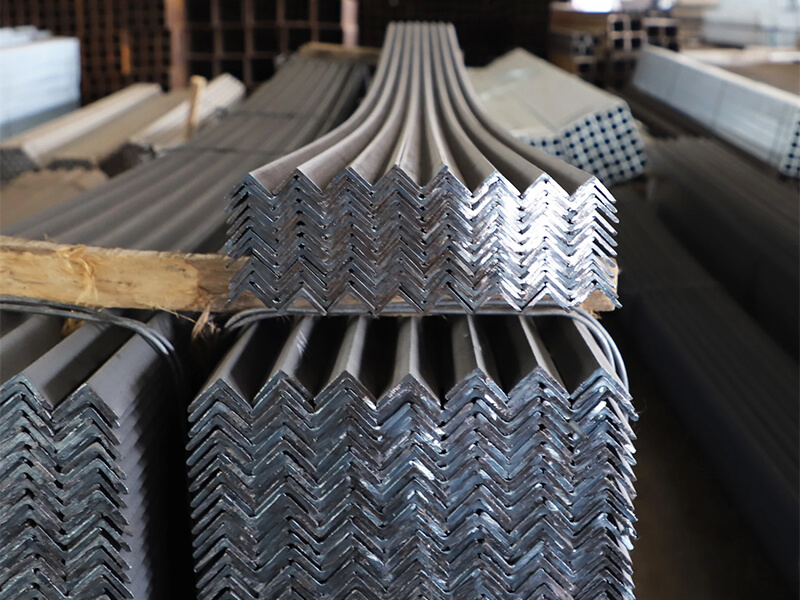
The second order that failed
I had a client in Vietnam. His first order with a new supplier was fine. The second order was during a market upswing. The supplier did not have a mill contract. They could not get steel. The client waited 70 days. After that, he asked me: "How do I check capacity before signing a long‑term deal?" I gave him the checklist below.
So let me explain.
First, mill access – the foundation of capacity.
| Supplier Type | Mill Relationship | Capacity Guarantee |
|---|---|---|
| Direct mill contract, minimum volume | Strong | High – reserved slots |
| Annual agreement, no minimum | Medium | Medium |
| Spot buyer from mills | Weak | Low – dependent on market |
| Trader with no mill relationship | Very weak | Unreliable |
Ask the supplier: "Do you have a direct contract with the mill that produces your marine angle steel? Can you show me a copy (redacted for pricing)?"
Second, inventory levels – your buffer against mill delays. A supplier who holds stock of common sizes can deliver faster and cover mill issues.
| Size | Stock Level (tons) | How Often Restocked |
|---|---|---|
| L100x100x10 | 200+ | Weekly |
| L125x125x12 | 150+ | Weekly |
| L150x150x15 | 100 | Bi‑weekly |
If the supplier holds no stock, every order is a production run. That means longer and less predictable lead times.
Third, lead time consistency data. Ask for actual lead times for the last 10 orders.
| Order | Quoted Lead Time (days) | Actual Lead Time (days) | Variance |
|---|---|---|---|
| 1 | 30 | 32 | +2 |
| 2 | 30 | 31 | +1 |
| 3 | 30 | 45 | +15 |
| 4 | 30 | 33 | +3 |
One large variance (order 3) is a red flag. A pattern of variances is worse.
Fourth, on‑time delivery rate. Ask: "What percentage of your orders in the last 12 months shipped on or before the promised date?"
| On‑Time Rate | Evaluation |
|---|---|
| 98‑100% | Excellent |
| 95‑97% | Good |
| 90‑94% | Average – require buffer |
| Below 90% | Poor – find another supplier |
I track my own rate. Last year it was 96%. I am working to improve.
Your capacity and stability checklist
- Supplier has a direct mill contract (not just spot buying)
- Supplier holds strategic stock of common sizes
- Supplier provides lead time history for the last 10 orders
- On‑time delivery rate is at least 95%
I offer all this data to potential long‑term clients. Transparency is part of my value.
Why Should You Review a Supplier’s Track Record, Client References, and Financial Health?
A supplier looks good on paper. Then they run out of cash halfway through your project. Steel stops coming.
You review track record by checking how long they have supplied marine steel to your country. You check client references by calling at least 2‑3 current clients and asking about consistency, problem‑handling, and communication. You check financial health by asking about years in business, annual volume, and payment terms offered (longer terms suggest better cash flow).

The supplier who disappeared
I had a colleague in the steel trade. He had a large contract with a shipyard in Mexico. Six months in, his cash flow tightened. He could not pay the mill. The mill stopped shipping. The shipyard had to find a new supplier mid‑project. The cost was huge. The shipyard had not checked his financial health upfront.
So let me share the checks that would have caught this.
First, track record – how long and how deep.
| Indicator | Good Sign | Red Flag |
|---|---|---|
| Years exporting marine steel | 5+ years | Less than 2 years |
| Number of shipments to your country | 10+ | 0‑1 |
| Range of sizes and grades supplied | Wide (your needs) | Narrow, may not match |
Ask: "How many containers of marine angle steel have you shipped to [my country] in the last two years?"
Second, client references – what to ask. Call at least two references who are similar to you (shipyards, contractors, project managers).
| Question | What a Good Answer Sounds Like |
|---|---|
| “How many orders have you placed with them?” | "Multiple, over 1‑2 years." |
| “Have they ever been late? How did they handle it?” | "Yes, but they told us early and made it right." |
| “Is the quality consistent from order to order?” | "Yes, batch to batch is very stable." |
| “Would you use them for your next project?” | "Absolutely, we already do." |
Third, financial health indicators. You do not need audited statements, but ask:
| Question | Good Answer |
|---|---|
| "How many years have you been in business?" | 5+ years |
| “What is your typical payment term to mills?” | "30‑40% deposit, balance on delivery" (not 100% upfront) |
| “What payment terms do you offer your buyers?” | "Flexible – deposit + balance against BL" |
| “Do you carry credit insurance (e.g., Sinosure)?” | "Yes, for larger orders" |
A supplier who demands 100% payment before production may be cash‑poor. A supplier who offers 30‑60 day terms after shipment is more stable.
Fourth, the cost of skipping reference checks.
| Risk | Probable Cost |
|---|---|
| Supplier goes out of business mid‑project | Find new supplier at premium price + delay penalties |
| Supplier has poor quality reputation | Your client questions your work |
| Supplier has no export experience | Customs delays, wrong documents, constant hand‑holding |
Your track record checklist
- Supplier has at least 5 years exporting marine steel to your region
- You have called 2‑3 current clients (not just the ones they volunteer)
- Supplier’s payment terms to you are reasonable (not 100% upfront)
- You have a sense of their financial stability (years, volume, insurance)
I provide client references on request. My clients are happy to talk.
What Communication, Transparency, and Problem‑Resolution Practices Indicate a Reliable Partner?
The steel arrives with a defect. You email the supplier. Three days later, no reply. You feel abandoned.
A reliable partner responds within 24 hours (preferably same day), gives proactive updates without being asked, handles quality claims with a clear process, and has a named account manager who knows your account history.
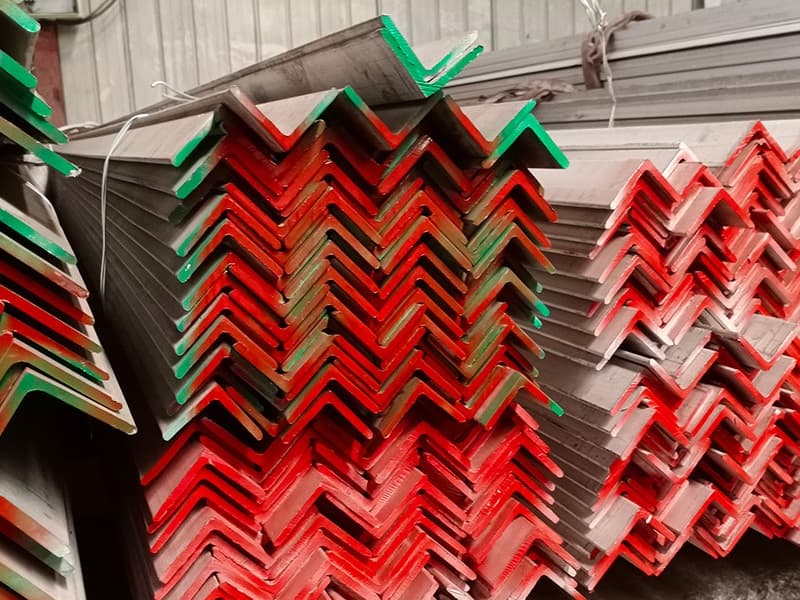
The supplier who called before the problem arrived
I had a client in Saudi Arabia. A shipment was delayed because of port congestion. I called him 10 days before the original delivery date. I said: "The vessel is rerouted. It will be 7 days late. Here is the new schedule. I am sorry." He said: "Thank you for telling me. I can adjust my plan." That call built more trust than any certificate.
So let me define the communication practices you should look for.
First, response time expectations for a long‑term partner.
| Inquiry Type | Good Response | Acceptable | Unacceptable |
|---|---|---|---|
| Quotation request | Within 4 hours | Within 24 hours | Over 24 hours |
| Order status update | Within 2 hours (call or WhatsApp) | Within 12 hours | Over 24 hours |
| Quality claim | Within 4 hours acknowledgment | Within 24 hours | Over 24 hours |
| Emergency (production stop) | Immediate (call) | Within 2 hours | Not available |
Second, proactive communication – the sign of a partner, not a vendor.
| Proactive Practice | Description |
|---|---|
| Weekly production update | "Your steel is at inspection. Here is a photo." |
| Early delay notification | "The mill has a 3‑day maintenance. Your order will ship 2 days late." |
| Document pre‑check | "Here is the draft packing list. Please confirm before we issue final." |
| Forecast reminder | "We are almost at your safety stock level. Do you want to order now?" |
I do all of these. My clients never have to chase me.
Third, a clear quality claim process. Ask the supplier: "If I receive steel with a defect, what happens?"
| Step | Good Process | Bad Process |
|---|---|---|
| 1 | Buyer sends photo and description | Supplier asks "are you sure?" |
| 2 | Supplier acknowledges within 4 hours | Supplier goes silent |
| 3 | Supplier offers replacement or discount within 2 days | Supplier argues about tolerance |
| 4 | Supplier ships replacement within 7‑14 days (if defect is their fault) | Supplier asks buyer to pay for return freight |
Fourth, a named account manager. For a long‑term partnership, you should have one person who knows your account. Not a generic email address. Ask:
- "Who will be my primary contact for this account?"
- "If that person is unavailable, who is the backup?"
- "Do they have authority to approve credits, replacements, or schedule changes?"
I assign one sales rep to each long‑term client. That rep knows the client’s sizes, schedule, and preferences. When the client calls, they talk to someone who remembers them.
Your communication and transparency checklist
- Supplier responds to emails within 24 hours (test it before committing)
- Supplier provides proactive updates (ask to see examples)
- Supplier has a documented quality claim process with clear timelines
- Supplier assigns a named account manager for your account
I follow these practices. My clients stay with me for years because they know I will be there when they need me.
Conclusion
Check quality systems and certifications, assess capacity and delivery stability, review track record and finances, and test communication and problem‑resolution. That is how you evaluate suppliers for long‑term projects.