
The order is signed, the mill is rolling, and then the drawing changes. If you handle a revised marine angle steel specification with a phone call and a hope, you end up with two versions of steel in one container and a surveyor asking questions nobody can answer.
To manage a revised marine angle steel specification after ordering, freeze the affected batch in writing, confirm with the supplier what stage the material has reached, issue a written amendment or change order that states the new section, grade, quantity and cost impact, set a production cut-off point, and segregate old-revision stock physically so no mixed shipment leaves the mill.
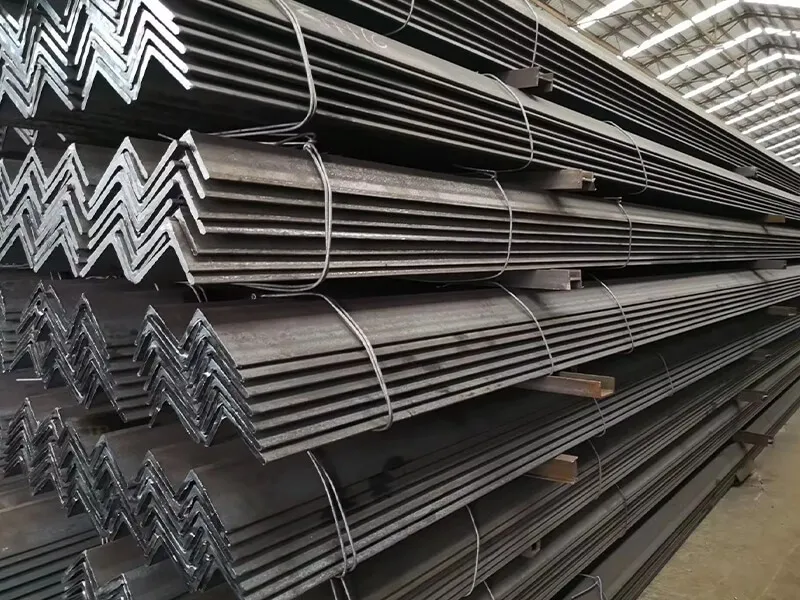
I sell marine angle steel to yards and distributors in Vietnam, Qatar, and Saudi Arabia, and I can tell you that revisions are not the exception. They are the norm. Ships are designed and revised in parallel, so a hull structural drawing gets a revision triangle while your purchase order is already sitting on the mill’s production plan. The buyers who lose money are not the ones whose drawings changed. They are the ones who let the change travel through a WeChat message and an emoji. The ones who stay on schedule treat every revision as a small formal project: freeze, confirm, amend, segregate, verify. Let me walk you through each step the way we run it on our side, so you know exactly what to ask your supplier for and when.
What Should You Do the Day a Revision Arrives After the Order Is Placed?
Your drawing office sends a new revision and your stomach drops, because the steel is already ordered. The wrong first move is to call the supplier and describe the change from memory, because anything said out loud can be misunderstood, misquoted, and later denied.
The same day a revision arrives, send the supplier a written notification that names the drawing revision number, attaches the revised drawing or material takeoff, lists the affected line items, and instructs the supplier to hold production on those items until a formal amendment is agreed. Nothing new gets rolled until both sides have signed the change in writing.
Check the Mill Status Before You Promise Anything
The first question I ask any buyer who calls with a revision is simple: do you know where your material is right now? There are four possible stages, and each one changes what the revision can cost you.
- Not yet rolled. The order is in the production queue but no heat has been cast against it. This is the cheap case. The amendment replaces the old specification block, the mill reschedules, and the only real cost is maybe a week of schedule.
- Rolled, not cut. The angle steel exists as mill-length bars. If the revision changes grade, these bars are scrap or resale stock. If it only changes cut lengths, the loss is limited to remnant pieces.
- Cut to length. Pieces are cut against the old takeoff. A length change here means remnant loss; a section or grade change means the cut pieces are only good for another project or another buyer.
- Loaded or shipped. The material is in a container or on a vessel. Now the conversation becomes customs, freight, and possibly a return voyage, which is the most expensive outcome by far.
I keep a simple table pinned above my desk for these conversations, because the answer to “what does this cost” is always “it depends on the stage”:
| Material stage | Can the revision be absorbed? | Typical cost impact | Who decides |
|---|---|---|---|
| Not yet rolled | Yes, cleanly | Minor schedule shift, often zero price change | Supplier production planner |
| Rolled, not cut | Grade change: no. Length change: partly | Remnant loss or resale discount | Buyer + supplier jointly |
| Cut to length | Only dimension-compatible changes | Remnant loss plus re-cutting labour | Buyer, with written scrap policy |
| Loaded or shipped | Practically no | Freight, duties, possible return leg | Buyer + owner’s project team |
Freeze the Batch in Writing
Whatever the stage, the instruction to the supplier must be written, dated, and reference the order number. One sentence is enough: “Please hold all production and shipment of line items 3 to 7 under PO 2026-0441 until our amendment of [date] is countersigned.” I have watched a buyer in the Philippines skip this step because the revision “felt small.” The mill, meanwhile, rolled to the old drawing because nobody told them to stop. Two weeks of angle steel went into a bundle that nobody could use, and the argument afterwards was exactly the kind that a one-line hold instruction would have prevented. The hold does not need to be hostile. It is a professional courtesy in both directions, and every serious mill expects it.
Send the Full Change Package, Not a Summary
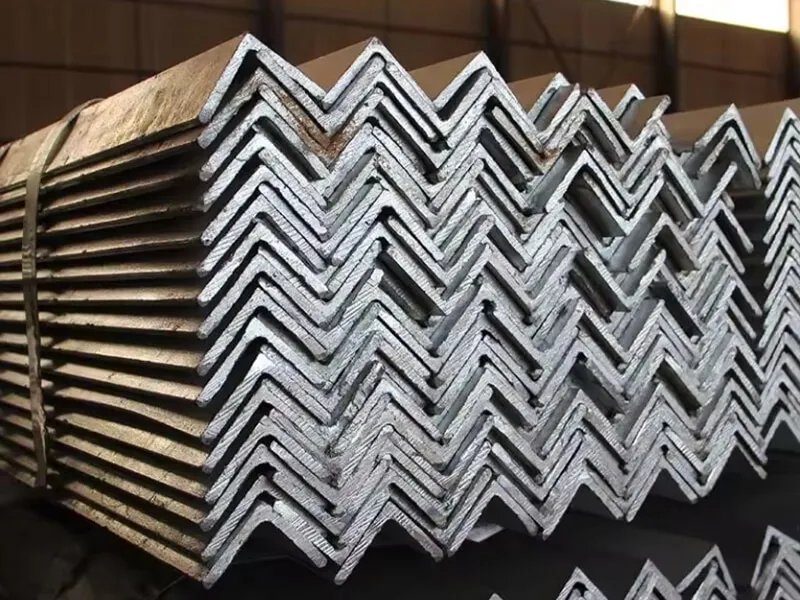
A revision notice that says “use the thicker leg from next month” is not a specification. It is a future dispute. The package your supplier needs contains the revised drawing with its revision letter, an updated material takeoff line by line, the new grade or impact test temperature if the steel grade changed, the effective order or shipment that the change starts from, and a written disposition for material already produced under the old revision: ship it, hold it, rework it, or scrap it. When a buyer sends all five items at once, I can usually confirm the amendment the same day. When they send fragments, the change crawls through three or four rounds of questions instead.
How Do You Assess the Cost and Schedule Impact of a Specification Change?
You have frozen the order and sent the change package. Now the supplier comes back with a number, and your management wants to know whether it is fair. Too many buyers accept or reject that number with no way to judge it.
Assess the impact by asking the supplier for a change order that separates material cost, cutting or reworking labour, and schedule impact stated in days, then check each line against the stage the material had reached. A grade change on rolled material legitimately costs the batch; a typo correction in week one should cost nothing at all.
Make the Supplier Separate the Three Cost Lines
A one-line email saying “the change will cost extra” tells you nothing. Ask for the breakdown, because each line has a different logic. Material that was already rolled under the old specification and cannot be reused is a real loss, and paying the mill’s documented cost for it is fair. Labour already spent cutting pieces to the old lengths is real too, if the cut was made before your hold instruction arrived. Schedule impact is the line buyers forget, and it is often the biggest one. On a container order, a two-week slip at the mill can mean rebooking the vessel at a different rate, and that freight difference belongs in the change order, not in a surprise invoice later. In our own export desk we price every amendment this way, and I would encourage you to demand the same structure from any supplier: material, labour, days. Nothing else is negotiable and nothing else should appear.
Agree the Scrap Policy Before You Need It
The cleanest buyers I work with put one sentence in the original purchase order: “If a revision makes cut or rolled material unusable, the buyer pays documented material cost plus cutting time for parts not yet welded, and nothing more.” That sentence turns a tense negotiation into a five-minute arithmetic check. Without it, every revision becomes a fresh argument about who absorbs the loss. There is also a middle path worth asking about: if the revision only changes some line items, can the old-specification pieces be rolled into a later shipment for another destination in your project, or sold to another buyer of the same section? On one order for a Dammam client, the old 150x90x9 angle from a superseded takeoff went to their sister yard two provinces away, and the revision ended up costing almost nothing. Honestly, that is my favourite kind of outcome, and it only happens when both sides look for it instead of digging into positions.
Route Grade Changes Through the Designer and the Surveyor
A dimension change is a commercial matter. A grade change is a classification matter. If the revision moves the specification from, say, grade A to AH36, or changes the Charpy test temperature, the class-approved drawing governs, and the mill test certificates must match it before a single piece is loaded. Involve the designer and, where the surveyor is already engaged, the classification society surveyor before the amendment is signed. The surveyor will check the new grade against the society rules and the MTC against the revised requirement, and if those documents were produced before your amendment, the batch may need re-certification or rejection. This is also where the Gulf Metal Solutions case in Saudi Arabia taught us something we now offer to every buyer: they asked for third-party SGS inspection after a mid-order revision, and because the inspection happened at our mill before shipment, the revised material was verified against the new drawing before it ever touched a vessel. That inspection cost them a day. Skipping it could have cost them the delivery window.
How Do You Prevent Old and New Revision Steel from Getting Mixed Up?
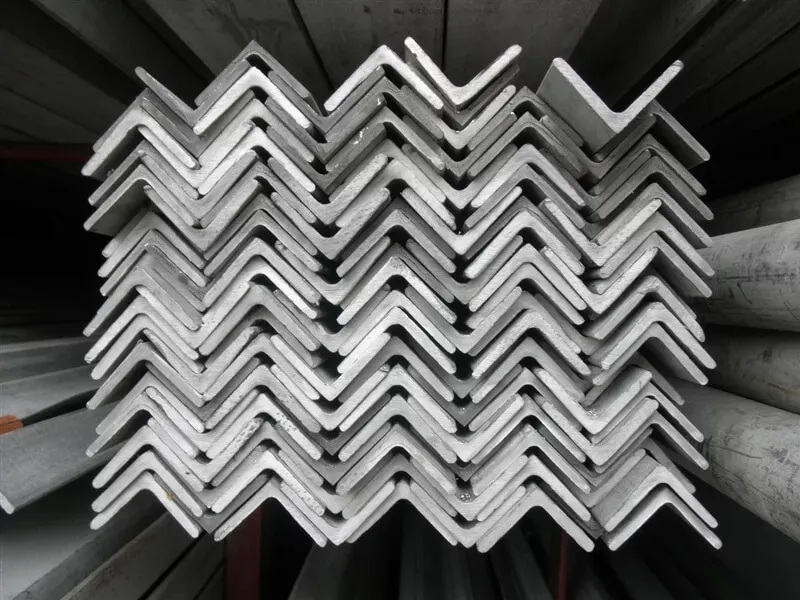
The amendment is signed and the mill restarts. The danger now is silent and physical: old-revision bars and new-revision bars sharing the same yard, the same bundle, the same container. Mixed shipments are the most common failure mode of a poorly managed revision, and they are found at the worst possible time, at your receiving gate or under the surveyor’s glove.
Prevent version mixing by requiring a written production cut-off point, physically segregating old and new stock with different bundle tags and stencils, and inspecting the first new-revision pieces against the revised drawing before shipment, with the inspection criteria naming the revision letter explicitly.
Set a Cut-Off Point with No Overlap
A cut-off point is a specific date or order line after which only the new revision may be produced. Everything before it is old revision. There is no gray week in between. The cut-off must be written into the amendment, and if your order has phased releases, map each release to a revision: release one to three ships revision A, release four onward ships revision B. I learned to insist on this after a bulk-carrier project where the buyer’s own team was split on which takeoff was current. The mill, to its credit, asked us which revision applied to the second release. That question, asked early, is free. The same question asked at the quay costs a container.
Mark and Segregate Physically, Not Just on Paper
Paper segregation fails the moment a forklift driver is in a hurry. Require the supplier to tag old-revision bundles and new-revision bundles differently, stencil the revision letter on the end of each bar or on the bundle tag next to the heat number, and store the two versions in separate yard rows with photographs sent to you before loading. This costs the mill almost nothing, and it turns your receiving inspection from an archaeology exercise into a two-minute check. On our own lines, when a revision is active, the loading supervisor photographs every bundle tag and sends the set with the shipping documents. Buyers tell me this is the single most reassuring habit we have, and I believe them, because I have seen the alternative from the other side of the negotiation.
Inspect the First New-Revision Pieces Before Shipment
Do not wait for the container to arrive to discover the mill misunderstood the amendment. Ask for first-piece verification: the first few bars cut to the new specification, measured against the revised drawing, with the results photographed or documented. The inspection sheet should name the drawing revision letter, not just the section size, because a 150x90x12 angle under revision B and the same section under revision A are different products with the same name. If you use a third-party inspector, give them the revised drawing and a short old-versus-new comparison table so they can tell the versions apart at a glance. Here is the verification block we suggest buyers send with any post-revision inspection:
| Check point | What to verify | Against which document |
|---|---|---|
| Section size | Leg lengths and thickness at three points | Revised drawing, rev. letter stated |
| Grade stamp | Society mark and grade on every piece | Amended PO + MTC heat numbers |
| Cut length | Actual length vs takeoff, tolerance included | Revised material takeoff |
| Impact test | Test temperature and direction on MTC | Amended PO grade line |
| Bundle marking | Revision letter on tag or stencil | Segregation instruction |
If all five rows come back clean, the revision is closed. If any row fails, you found it at the mill gate instead of your own, and that difference is measured in weeks.

The whole playbook, from the day the revision lands to the day the container clears, comes down to one discipline: freeze early, put every change in writing, and let the revision letter govern what ships. Here is the summary table:
| Situation | Immediate action | Formal document | Decides |
|---|---|---|---|
| Revision arrives, steel not yet rolled | Written hold on affected lines | Amendment + revised takeoff | Procurement + supplier planner |
| Revision arrives, steel already rolled | Freeze + stage assessment | Change order with cost lines | Buyer + supplier |
| Grade change at any stage | Full stop, class rules check | Amendment + surveyor sign-off | Designer + surveyor |
| Mixed old/new stock risk | Cut-off + physical segregation | Segregation instruction | Supplier QC |
| Before shipment | First-piece verification | Inspection sheet naming rev. letter | Inspector + buyer |
Conclusion
Treat every post-order revision as a formal change, not a conversation. Freeze the batch, amend in writing, segregate the versions, and verify before shipment. That discipline keeps your angle steel, schedule, and class records clean.