
Choosing the wrong steel grade for a shipbuilding project can lead to costly failures. Many of our clients struggle to understand the critical differences between similar-looking grades like AH36 and DH36.
The main difference between AH36 and DH36 steel is their impact toughness at low temperatures. AH36 is tested for impact resistance at 0°C (32°F), while DH36 is tested at -20°C (-4°F). Both are high-strength steels with a minimum yield strength of 355 MPa, but DH36 offers superior performance in colder environments.
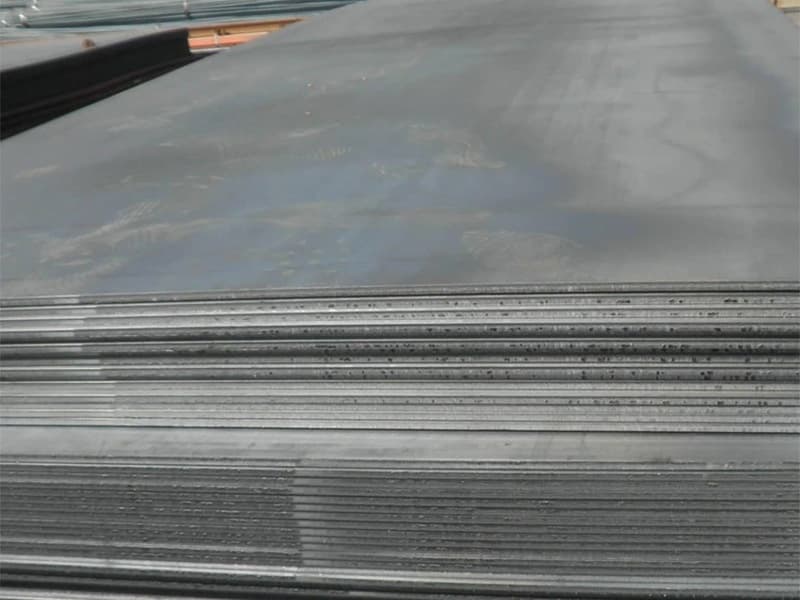
Understanding this distinction is crucial for vessel safety and compliance. Let me break down these differences in detail to help you make the right choice.
What is the difference between AH36 and dh36 steel?
Imagine two ships: one sailing in tropical waters and another navigating icy seas. They might use the same strength steel, but their low-temperature performance requirements differ completely. This is where AH36 and DH36 come into play.
AH36 and DH36 are both high-strength shipbuilding steels with identical yield strength (355 MPa). The crucial difference is their Charpy V-Notch impact test temperatures1: AH36 is tested at 0°C, while DH36 is tested at -20°C. This makes DH36 suitable for colder service conditions where brittle fracture is a concern.
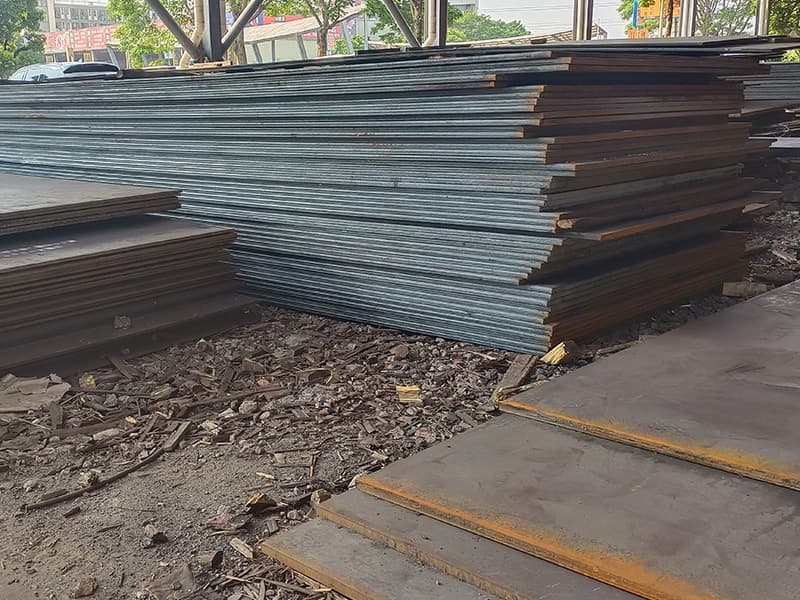
Detailed Analysis of AH36 vs DH36 Properties
The letters "A" and "D" in AH36 and DH36 specifically refer to the temperature at which the steel must demonstrate adequate impact toughness2. Impact toughness measures a material’s ability to absorb energy and resist fracture when subjected to a sudden force. In cold temperatures, steels tend to become more brittle, making this property vital for structural safety.
The "H36" portion is identical for both grades. The "H" indicates high tensile strength, and the "36" represents the minimum yield strength of 36 kgf/mm², which equals approximately 355 MPa. This means both steels can handle the same static loads. However, when dynamic loads3 (like wave impacts) occur in cold conditions, DH36 maintains its toughness better than AH36.
The chemical composition4 between these grades shows subtle but important differences. DH36 typically has slightly higher levels of alloying elements like manganese or may include micro-alloying elements like niobium or vanadium. These elements help refine the steel’s grain structure, which improves low-temperature toughness.
Here’s a practical comparison table:
| Property | AH36 Steel | DH36 Steel |
|---|---|---|
| Yield Strength | 355 MPa (min) | 355 MPa (min) |
| Tensile Strength | 490-620 MPa | 490-620 MPa |
| Impact Test Temp | 0°C (32°F) | -20°C (-4°F) |
| Typical Applications | Tropical waters, warm climate operations, internal structures | Temperate zones, winter operations, exposed structures |
| Cost Consideration | Generally more economical | Slightly higher cost due to enhanced properties |
From our experience supplying to clients in Saudi Arabia and Vietnam, most coastal projects specify AH36 because their waters remain relatively warm. However, for a client in Romania building vessels for Black Sea operations, they consistently choose DH36 due to colder winter conditions. The wrong choice could mean the steel becomes susceptible to cracking in cold weather. We always ask our clients about their operating environment before recommending a grade.
What are the different grades of marine steel plate?
Walking through a shipyard, you’ll see steel plates with various stamped markings. These aren’t random codes – they represent a sophisticated grading system that ensures each plate is fit for its specific purpose and location on the vessel.
Marine steel plates are graded by classification societies1 (ABS, LR, DNV, etc.) into normal strength (A, B, D, E) and high strength (AH, BH, DH, EH, FH) categories. The letters indicate impact test temperatures2 from warm (A) to arctic (F), while numbers like 32, 36, 40 indicate yield strength3 in kgf/mm².
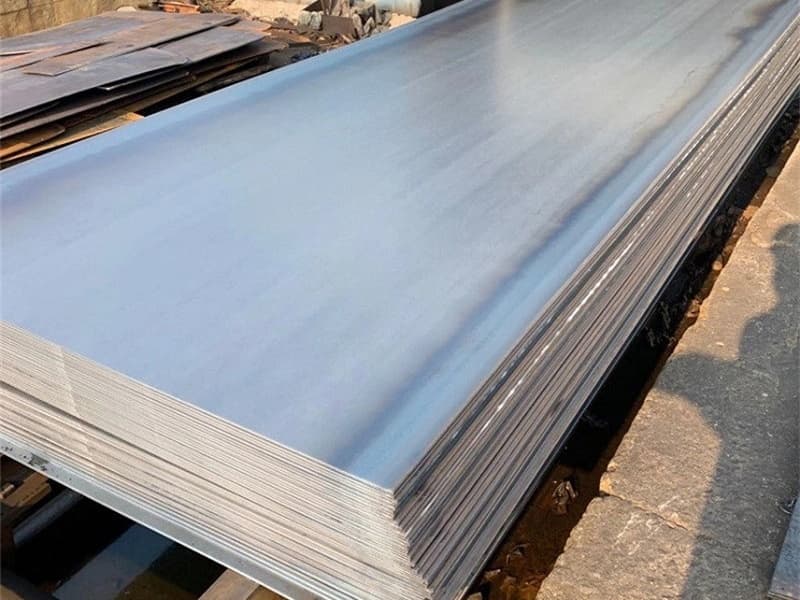
Comprehensive Guide to Marine Steel Grades
The grading system for marine steel plates4 follows a logical pattern that helps ship designers select the appropriate material. Normal strength steels (Grade A, B, D, E) have a yield strength3 of 235 MPa, while high-strength steels (with the "H" designation) have higher yield strength3s of 315 MPa (32), 355 MPa (36), or 390 MPa (40).
The alphabetical progression from A to F indicates decreasing service temperatures:
- Grade A: No specific impact test requirement
- Grade B: Impact test at room temperature
- Grade D: Impact test at -20°C
- Grade E: Impact test at -40°C
- Grade F: Impact test at -60°C
This system allows for precise material selection based on the vessel’s operational profile. A bulk carrier operating between Southeast Asian ports might use AH36 for most of its structure, while an icebreaker operating in the Arctic would require FH40 or similar grades.
Different classification societies1 have their own designations, though they’re largely equivalent:
- ABS (American Bureau of Shipping): A, B, D, E, AH32, AH36, etc.
- LR (Lloyd’s Register): A, B, D, E, AH32, AH36, etc.
- DNV (Det Norske Veritas): A, B, D, E, AH32, AH36, etc.
- BV (Bureau Veritas): A, B, D, E, AH32, AH36, etc.
Here’s a broader overview of common marine steel grades:
| Grade Category | Yield Strength | Impact Temperature | Common Applications |
|---|---|---|---|
| Normal Strength (A-E) | 235 MPa | Varies by grade | Small vessels, non-critical areas |
| High Strength H32 | 315 MPa | Varies by grade | Medium-sized coastal vessels |
| High Strength H36 | 355 MPa | Varies by grade | Large commercial ships, main hull |
| High Strength H40 | 390 MPa | Varies by grade | Special applications, naval vessels |
We maintain inventory of the most commonly requested grades like AH36 and DH36, while we source specialized grades like EH36 and FH40 based on project requirements. Our long-term relationships with certified mills in Shandong ensure we can provide the right grade with proper certification for any project.
What is the difference between A361 and AH362 steel?
Many people confuse A361 and AH362 because they sound similar. However, these are completely different steels designed for different industries. Using A361 instead of AH362 in shipbuilding would be dangerous and violate classification rules.
A361 is a general structural carbon steel for buildings and bridges, while AH362 is a high-strength marine-grade steel for shipbuilding. AH362 has higher yield strength3 (355 MPa vs 250 MPa), better impact toughness4, and requires certification by marine classification societies5. A361 lacks these marine-specific properties.
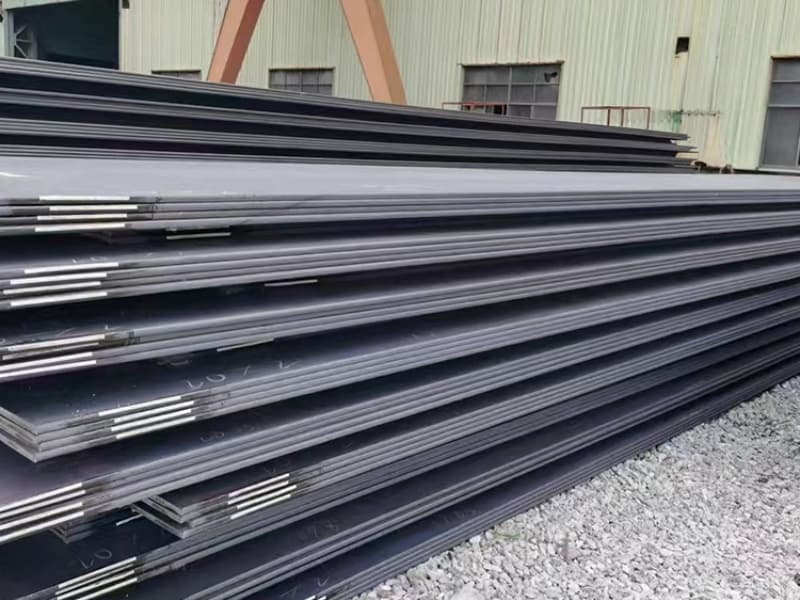
Critical Differences Between Structural and Marine Steel
A361 steel is governed by ASTM A361 standards and is primarily used in building construction, bridges, and general structural applications. It’s what you’d find in skyscrapers and highway overpasses. The "36" in A361 refers to its minimum yield strength3 of 36,000 psi (approximately 250 MPa).
AH362, governed by ABS rules and other classification societies, is specifically engineered for marine environments. The "36" in AH362 refers to 36 kgf/mm² (approximately 355 MPa), making it significantly stronger than A361. This higher strength allows ship designers to use thinner plates, reducing weight while maintaining strength.
The most critical difference lies in toughness and quality control. A361 has no mandatory impact testing requirements, while AH362 must pass Charpy V-Notch tests at specified temperatures. Marine steels also have stricter controls on chemical composition to ensure weldability and corrosion resistance6 in saltwater environments.
Manufacturing processes differ significantly:
- A361: Produced to commercial quality standards with basic testing
- AH362: Produced under classification society survey with rigorous testing
- A361: Standard rolling processes acceptable
- AH362: Often requires controlled rolling or normalizing for enhanced properties
Here’s a detailed comparison:
| Aspect | A361 Structural Steel | AH362 Marine Steel |
|---|---|---|
| Governing Standard | ASTM A361 | ABS Rules, EN 10225, etc. |
| Yield Strength | 250 MPa (min) | 355 MPa (min) |
| Impact Testing | Not required | Mandatory at specified temperatures |
| Quality Control | Mill certificate usually sufficient | Classification society certification required |
| Primary Use | Buildings, bridges, general construction | Ship hulls, offshore structures |
| Corrosion Resistance | Basic, not optimized for seawater | Enhanced through composition control |
We had a client from Thailand who almost made the costly mistake of sourcing A361 for barge construction because it was cheaper. They contacted us for a quote, and we explained why A361 was unsuitable. Marine classification societies would not certify a vessel built with A361 steel. The potential cost savings were negligible compared to the risk of rejection and safety concerns.
What is AH-36 steel?
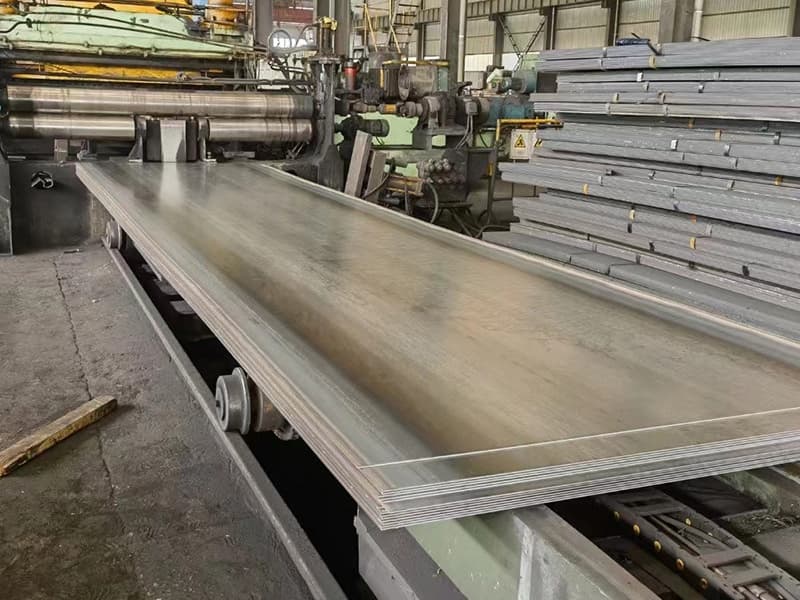
When you see "AH-36" stamped on a steel plate, you’re looking at one of the workhorse materials of modern shipbuilding. This specific grade combines high strength with good toughness, making it suitable for most ocean-going vessels.
AH-36 is a high-strength marine structural steel approved by classification societies like ABS. The "A" indicates it’s tested for impact toughness at 0°C, "H" means high tensile strength, and "36" denotes 36 kgf/mm² yield strength (approximately 355 MPa). It’s widely used in ship hulls and offshore structures.
In-Depth Look at AH36 Steel Specifications
AH36 steel represents an optimal balance between strength, toughness, and cost for many marine applications. The grade follows the standardized naming convention where the first letter indicates the impact test temperature. In this case, "A" means the steel must demonstrate adequate impact energy at 0°C.
The mechanical properties of AH36 are rigorously defined:
- Yield Strength: Minimum 355 MPa (51,500 psi)
- Tensile Strength: 490-620 MPa (71,000-90,000 psi)
- Elongation: Minimum 21% (varies with thickness)
- Impact Energy: Minimum 34J at 0°C (varies with thickness)
The chemical composition is carefully controlled to achieve these properties while maintaining good weldability. Typical ranges include:
- Carbon (C): 0.18% max
- Manganese (Mn): 0.90-1.60%
- Silicon (Si): 0.10-0.50%
- Phosphorus (P): 0.035% max
- Sulfur (S): 0.035% max
AH36 is commonly supplied in normalized condition or produced using thermo-mechanical controlled processing (TMCP). Normalizing involves heating the steel to about 900°C and air cooling to refine the grain structure. TMCP provides similar properties through controlled rolling and cooling processes.
Application areas for AH36 include:
- Main hull plating for container ships and bulk carriers
- Deck plating for most ocean-going vessels
- Longitudinal and transverse framing members
- Offshore platform structures in moderate climates
We’ve supplied AH36 to shipyards in Vietnam and Malaysia for numerous container ship projects. One client specifically requested AH36 with Z-direction (through-thickness) properties for critical structural connections. This requires additional testing to ensure the steel resists lamellar tearing in highly constrained welds. Our ability to source these specialized variations makes us a valuable partner for complex projects.
Conclusion
Understanding the differences between AH36 and DH36 is essential for safe and compliant shipbuilding. The right choice depends on your vessel’s operational environment and structural requirements.
Selecting between AH36 and DH36 depends on your vessel’s operating temperature. Both offer the same strength, but DH36 provides better toughness for colder environments, ensuring safety and compliance.
-
Explore the applications of A36 steel to understand its role in construction and structural integrity. ↩ ↩ ↩ ↩ ↩ ↩ ↩ ↩ ↩ ↩ ↩ ↩ ↩ ↩ ↩ ↩ ↩ ↩ ↩ ↩
-
Learn about AH36 steel’s unique properties that make it suitable for marine applications and shipbuilding. ↩ ↩ ↩ ↩ ↩ ↩ ↩ ↩ ↩ ↩ ↩ ↩ ↩
-
Understanding yield strength is crucial for selecting the right steel for construction and marine projects. ↩ ↩ ↩ ↩ ↩ ↩
-
Discover why impact toughness is vital for materials used in harsh environments like marine settings. ↩ ↩ ↩
-
Find out how these organizations ensure the safety and quality of marine structures and vessels. ↩
-
Explore the importance of corrosion resistance in steel to ensure longevity and safety in marine applications. ↩