
Navigating different marine classification standards can be confusing for shipbuilders and steel buyers. Choosing the wrong certification can delay your project and increase costs significantly.
ABS, BV, LR, and DNV are major marine classification societies that set standards for steel plates. While their grade systems are largely equivalent, they differ in geographical influence, certification processes, and specific technical requirements. Understanding these differences ensures proper material selection for your vessel’s flag state and operational requirements.
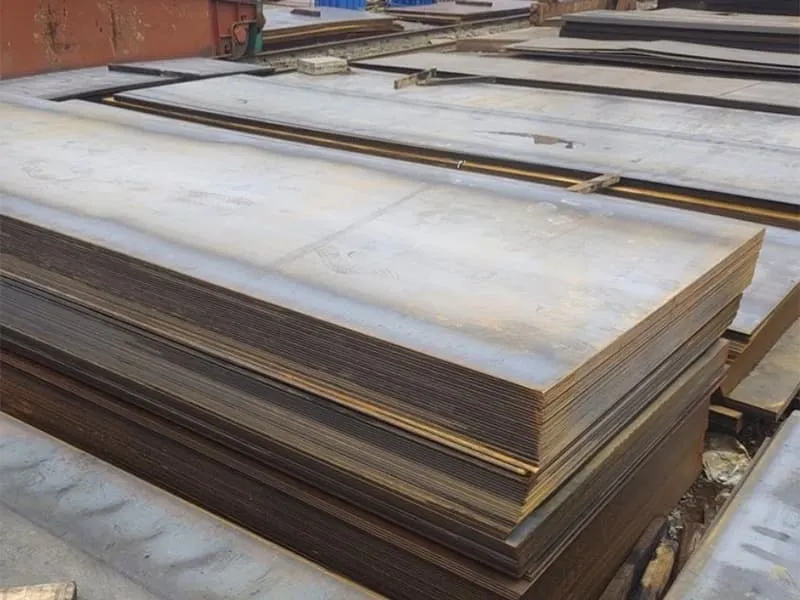
Each classification society has its unique strengths and regional preferences. Let me break down their key differences to help you make informed decisions.
What is the difference between ABS and DNV?
Many shipowners struggle to choose between ABS and DNV classification. Both are respected organizations, but they serve different market segments and have distinct technical approaches.
ABS (American Bureau of Shipping)1 is US-based with strong influence in the Americas and offshore sectors, while DNV (Det Norske Veritas)2 is Norwegian with strong European presence and technical innovation3 focus. ABS emphasizes practical shipbuilding experience4, while DNV is known for extensive research and digital solutions in marine technology.
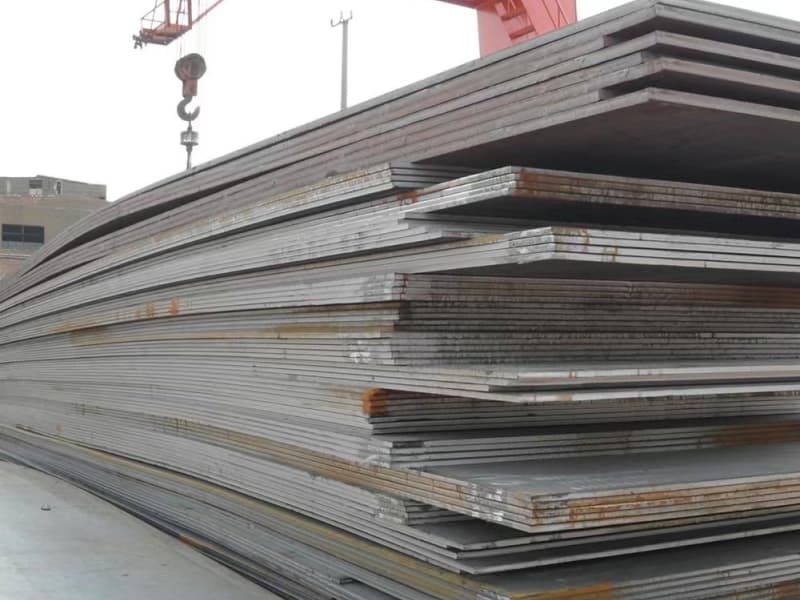
Detailed Comparison Between ABS and DNV Classification
The fundamental difference between ABS and DNV lies in their historical development and technical philosophy. ABS was founded in 1862 in the United States and grew alongside American shipping and offshore industries. DNV was established in 1864 in Norway and developed strong expertise in tankers and specialized vessels.
ABS maintains strong connections with the offshore oil and gas industry. Their standards reflect practical shipyard experience and operational feedback from vessel owners. ABS certification is often preferred for vessels operating in American waters or working in offshore sectors. Many US-flagged vessels require ABS classification by regulation.
DNV has built a reputation for technical innovation3 and research-driven standards. They invest heavily in digital solutions and environmental technologies. DNV’s rules often incorporate the latest research findings and they’re particularly strong in container ships, tankers, and environmentally advanced vessels5. European owners frequently choose DNV classification.
The certification process differs between the two societies:
- ABS: Focuses on practical compliance with established rules
- DNV: Emphasizes risk-based approaches6 and technical innovation3
- ABS: Strong in traditional shipbuilding markets
- DNV: Leading in digital classification and sustainability
Here’s a comprehensive comparison table:
| Aspect | ABS (American Bureau of Shipping)1 | DNV (Det Norske Veritas)2 |
|---|---|---|
| Headquarters | United States | Norway |
| Founded | 1862 | 1864 |
| Primary Strengths | Offshore, Americas market, practical rules | Technical innovation, Europe, digital solutions |
| Steel Grade System | A, B, D, E + AH32-DH40 | A, B, D, E + NV A-NV E |
| Market Presence | Strong in Americas, Asia, offshore | Strong in Europe, specialized vessels |
| Technical Approach | Rule-based, practical experience | Research-driven, risk-based |
We recently worked with a client in Mexico who needed to choose between ABS and DNV for their new offshore support vessels. After analyzing their operational routes and client requirements, we recommended ABS because most of their clients were American oil companies that preferred ABS certification. The choice aligned with their business strategy and market expectations.
What are the grades of DNV steel?
Understanding DNV’s steel grading system is essential for anyone working with European vessels or owners who prefer DNV classification. Their system follows logical principles but has unique characteristics.
DNV steel grades1 include normal strength grades (NV A, NV B, NV D, NV E) and high strength grades2 (NV 32, NV 36, NV 40). The letters indicate impact test temperatures3, while numbers denote yield strength in kgf/mm². DNV also offers special grades for low-temperature service4 and through-thickness properties.
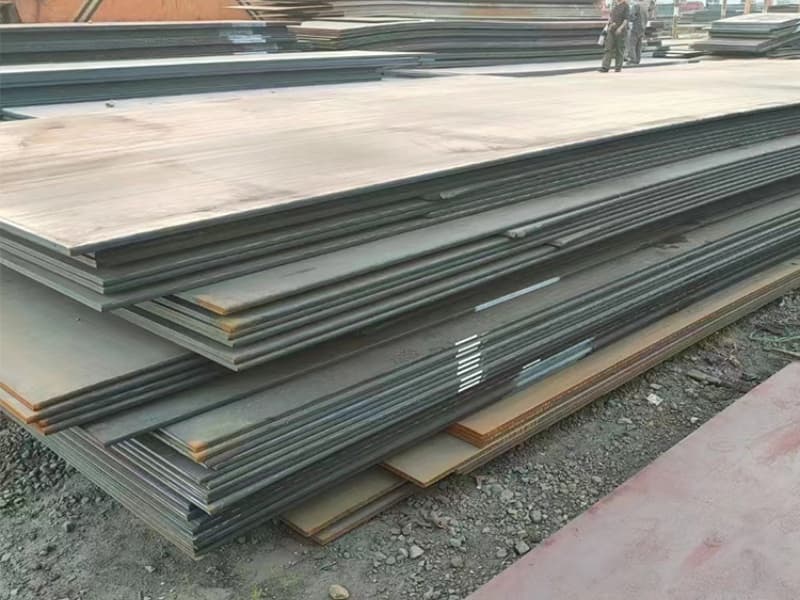
Comprehensive Guide to DNV Steel Grade System
DNV’s grading system provides clear identification of mechanical properties and quality requirements. The normal strength steels have a minimum yield strength of 235 MPa, while high-strength steels offer increased strength levels for weight-sensitive applications.
The alphabetical designation indicates the impact test temperature requirements:
- NV A: No specific impact test requirement for most thicknesses
- NV B: Impact tested at room temperature (typically +20°C)
- NV D: Impact tested at -20°C
- NV E: Impact tested at -40°C
The high-strength grades combine the impact designation with strength levels:
- NV 32: Minimum yield strength 315 MPa
- NV 36: Minimum yield strength 355 MPa
- NV 40: Minimum yield strength 390 MPa
Thus, NV D36 indicates a steel with impact testing at -20°C and 355 MPa yield strength. This matches closely with ABS DH36 and LR DH36 grades, ensuring interoperability between classification systems.
DNV also specifies additional quality requirements:
- Extra: Improved deformation properties
- F: Improved weldability for higher carbon equivalents
- Z: Through-thickness properties (Z-direction)
- T: Thermomechanical processing
Special grades for specific applications include:
- NV 420/450/500: Higher strength steels for specialized applications
- NV 690: Ultra-high strength for specific components
- Ocean Operations: Grades designed for harsh environment operations
Here’s a practical application guide:
| DNV Grade | Equivalent ABS Grade | Typical Applications |
|---|---|---|
| NV A | ABS A | Non-critical structures, warm waters |
| NV D36 | ABS DH36 | Main hull structures, temperate zones |
| NV E36 | ABS EH36 | Cold climate operations, ice-class vessels |
| NV E40 | ABS EH40 | Specialized applications, weight-critical designs |
We supplied NV D36 plates to a shipyard in Romania building chemical tankers for European owners. The DNV certification was specified in the contract because the vessel’s insurance and financing required DNV classification. Our mill partners provided full DNV certification with traceability to each plate, meeting the strict documentation requirements.
What does DNV stand for in marine?
Many people see the DNV logo on certificates and plates but don’t understand the organization behind the acronym. Knowing what DNV represents helps you appreciate their role in marine safety.
DNV stands for Det Norske Veritas1, which means "The Norwegian Truth" in English. In marine contexts, DNV is an international classification society2 that sets technical standards, certifies vessels and materials, and conducts surveys to ensure maritime safety and environmental protection.
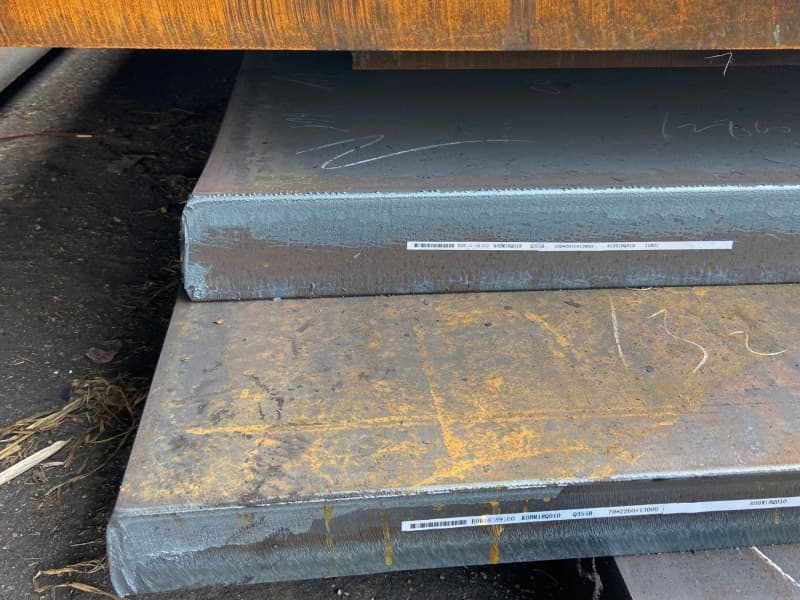
The Complete Picture of DNV in Marine Industry
Det Norske Veritas1 was founded in 1864 in Oslo, Norway, initially to classify and insure Norwegian sailing vessels. The name reflects their mission to establish truth and reliability in maritime affairs. Today, DNV has evolved into a global risk management and quality assurance company.
DNV’s marine division provides classification services for all types of vessels and offshore structures. Classification involves establishing technical standards, reviewing designs, surveying construction, and periodically inspecting vessels in service. DNV-classed vessels must maintain compliance with DNV rules throughout their operational life.
The society’s activities extend beyond traditional classification:
- Technical Standards: Developing rules for ship design, construction, and maintenance
- Certification: Verifying that materials, components, and systems meet requirements
- Advisory Services: Providing technical expertise and risk assessment
- Digital Solutions: Offering software and data services for vessel operations
- Training: Conducting courses and workshops for industry professionals
DNV has been particularly active in environmental innovation3:
- Environmental Classes: Developing standards for reduced emissions
- Battery Safety: Creating rules for maritime battery systems
- Alternative Fuels: Establishing standards for LNG, methanol, and hydrogen
- Digital Class: Implementing automated survey processes
The organization structure includes:
- Maritime Division: Handles traditional classification services
- Digital Solutions: Provides software and data management
- Energy Systems: Works with offshore and renewable energy
- Business Assurance: Manages certification and verification
We’ve seen growing demand for DNV certification4 from European clients and environmentally conscious owners. A German client specifically requested DNV-classed steel for their new hybrid vessels because DNV has comprehensive rules for battery systems and alternative fuel installations that other societies are still developing.
What is DNV classification1?
DNV classification1 represents a comprehensive system that ensures vessels meet specific safety and environmental standards. It’s not just a certificate but an ongoing relationship between the classification society and vessel owner.
DNV classification1 is a system where DNV verifies that a vessel’s design, construction, and maintenance comply with their technical standards. This includes plan approval2, surveys during construction, and periodic inspections throughout the vessel’s life to ensure continued compliance with safety and environmental rules.
Understanding the DNV Classification System Process
DNV classification1 begins at the design stage when shipowners submit vessel plans for approval. DNV engineers review the structural design, stability calculations, machinery systems, and safety equipment to ensure they meet DNV rules. This plan approval2 process typically takes several weeks and may involve multiple rounds of comments and revisions.
During construction, DNV surveyors conduct regular inspections at the shipyard. They verify that certified materials are used, workmanship meets quality standards, and construction follows approved plans. Key survey points include steel cutting, keel laying, launching, and final delivery. Surveyors have authority to stop work if they find non-compliance issues.
The classification process includes specific surveys:
- Initial Survey: During construction and before first commissioning
- Annual Survey: General inspection conducted each year
- Intermediate Survey: More detailed inspection between special surveys
- Special Survey: Comprehensive inspection every five years
- Damage Survey: Following accidents or structural damage
DNV offers different class notations to indicate specific capabilities:
- Ice Class: Vessels designed for ice navigation
- Dynamic Positioning: Ships with position-keeping systems
- Environmental: Vessels with reduced environmental impact
- Comfort Class: Passenger vessels with vibration and noise control
- Safety Class: Additional safety features and systems
The classification maintenance requires:
- Continuous Surveys: Rotating inspection system for different systems
- Condition Monitoring: Regular assessment of vessel condition
- Documentation Updates: Maintaining current certificates and records
- Technical Support: Access to DNV expertise for modifications
We work closely with DNV-surveyed mills to ensure our steel plates meet all classification requirements. Recently, we supplied plates for a DNV-classed research vessel where every plate required additional testing and documentation. The DNV surveyor visited the mill to witness production and testing, ensuring complete compliance with their rigorous standards.
Conclusion
Understanding marine steel plate standards from ABS, BV, LR, and DNV is crucial for successful shipbuilding projects. Each society offers robust certification with different regional strengths and technical approaches.
-
Explore this link to understand how DNV classification enhances vessel safety and compliance with environmental standards. ↩ ↩ ↩ ↩ ↩ ↩ ↩ ↩ ↩
-
Learn about the critical steps in the plan approval process that ensure vessel designs meet safety regulations. ↩ ↩ ↩ ↩ ↩ ↩
-
Discover the latest advancements in environmental innovation that are shaping the future of the marine industry. ↩ ↩ ↩ ↩ ↩
-
Find out why DNV certification is essential for ensuring the safety and reliability of marine vessels. ↩ ↩ ↩
-
Explore the criteria for environmentally advanced vessels and how DNV leads in sustainability. ↩
-
Gain insights into how risk-based approaches enhance safety and efficiency in ship classification. ↩