
Choosing between equal and unequal marine angles can significantly impact your ship’s structural efficiency and construction costs. Many naval architects face this decision without fully understanding the implications.
Equal marine angle steel has identical leg lengths (L100×100×10), providing symmetrical strength for general applications. Unequal marine angle steel has different leg lengths (L150×100×12), offering directional strength optimization for specific loading conditions and space constraints in shipbuilding.
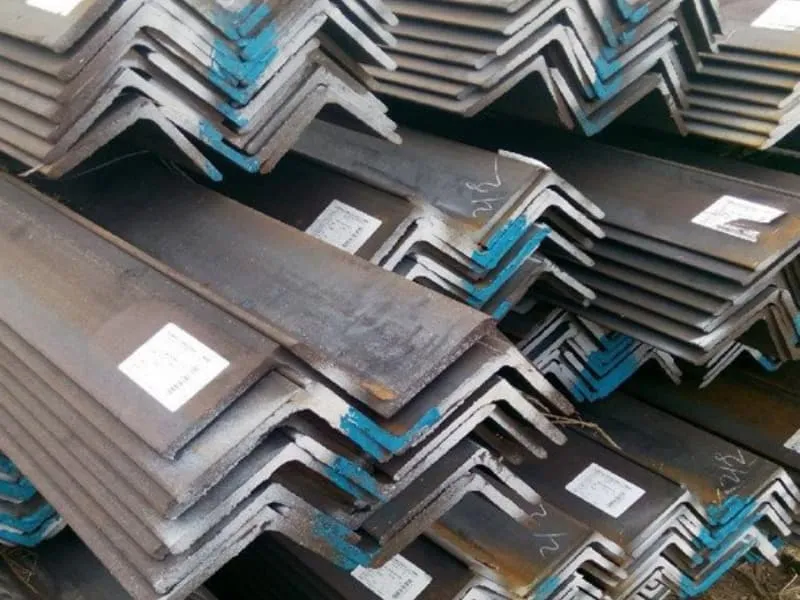
The choice affects everything from structural performance to fabrication efficiency. Let me explain the key differences to help you make informed decisions for your marine projects.
What is the difference between equal and unequal angles?
When you examine angle sections in a shipyard, the physical difference is obvious. But the engineering implications of choosing equal versus unequal angles affect your entire vessel’s structural performance and construction process.
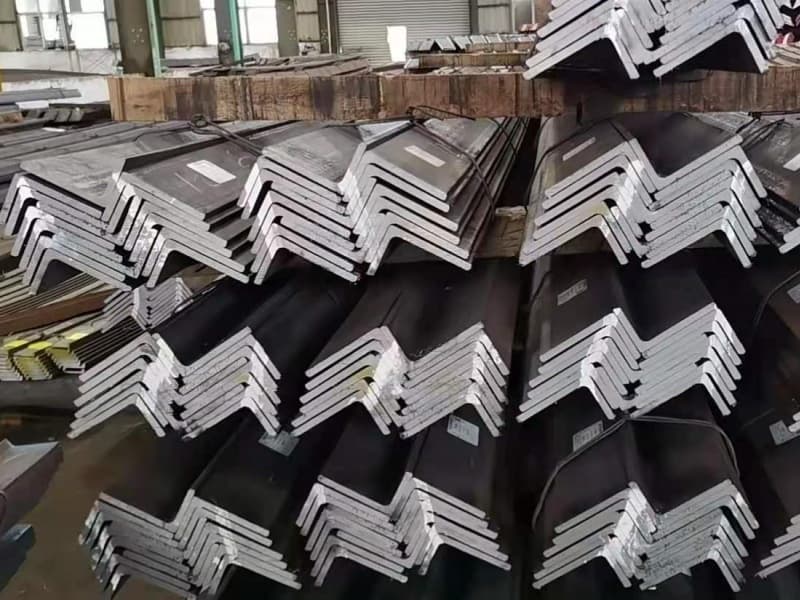
Equal angles1 have identical leg lengths and thickness, providing balanced properties in all directions. Unequal angles2 have different leg lengths, creating distinct strong and weak axes that allow optimized performance for specific directional loading and connection requirements in ship structures.
Detailed Analysis of Equal vs Unequal Angle Properties
The fundamental difference between equal and unequal angles lies in their geometric symmetry and resulting mechanical behavior. Equal angles1, with their identical leg dimensions, exhibit consistent section properties about both principal axes. This symmetry simplifies design calculations and provides predictable performance regardless of loading direction, making them ideal for applications where loads may come from multiple directions.
Unequal angles2 introduce intentional asymmetry to address specific engineering challenges. The longer leg provides significantly greater resistance to bending in one direction, while the shorter leg offers different properties in the perpendicular direction. This characteristic makes unequal angles particularly valuable in applications where space constraints or connection geometry dictate specific dimensional requirements, or where primary loading occurs predominantly in one direction.
The manufacturing process for both types involves hot rolling, but unequal angles require more precise control to maintain consistent dimensions between the different leg lengths. Both types are available in various marine steel grades, including AH36, DH36, and EH36 for shipbuilding applications. The material properties remain consistent within each grade, but the section geometry determines how those properties are utilized in structural design and how efficiently they resist applied loads.
From a structural performance perspective, equal angles distribute stress more evenly when subjected to multidirectional loading or torsional forces. Unequal angles2 concentrate strength along their longer axis, making them ideal for applications where primary loading occurs in one predominant direction. This directional strength optimization can lead to material savings and weight reduction in properly designed structures, though it requires more careful engineering analysis.
Fabrication considerations3 differ significantly between the two types. Equal angles1 offer greater flexibility during construction since they can be installed in any orientation without affecting structural performance. Unequal angles2 require specific orientation to ensure the stronger axis aligns with the primary load direction, necessitating clearer marking and installation procedures to prevent errors during ship construction.
Here’s a comprehensive comparison of their characteristics:
| Characteristic | Equal Angles | Unequal Angles |
|---|---|---|
| Geometric Symmetry | Perfect symmetry about both axes | Asymmetric with distinct strong/weak axes |
| Section Modulus4 | Equal values in both directions | Different values for each axis |
| Connection Flexibility5 | Standard connections work from either side | Requires specific orientation planning |
| Design Complexity6 | Simplified calculations and analysis | Requires careful axis consideration |
| Weight Efficiency7 | Good general performance | Optimized for specific loading conditions |
We recently advised a shipyard in Vietnam on selecting angles for their new container ship design. They initially specified equal angles throughout, but our analysis showed that using unequal angles in specific areas could reduce weight by 12% while maintaining structural integrity. The longer leg provided better support to hull plating, while the shorter leg optimized connection to transverse frames.
What is equal angle steel?
Equal angle steel1 represents the most common and versatile structural shape used in marine construction2. Its balanced properties make it the default choice for many applications where loading directions are unpredictable or symmetrical performance is required.
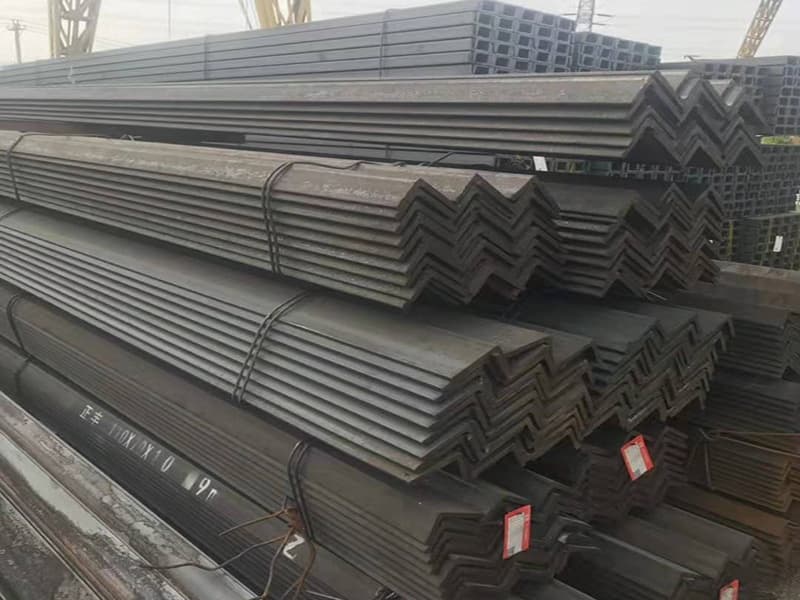
Equal angle steel1 is an L-shaped structural section with legs of identical length and thickness (e.g., L80×80×8). It provides symmetrical strength properties, simplified connections, and reliable performance in multiple loading directions, making it ideal for general marine framing and stiffening applications.
Comprehensive Guide to Equal Angle Steel Characteristics
Equal angle steel1 serves as the workhorse of marine structural framing due to its balanced properties and installation flexibility. The equal leg configuration ensures that the section modulus, moment of inertia, and radius of gyration are identical about both principal axes, providing consistent performance regardless of load direction. This symmetry simplifies structural analysis3 and design calculations significantly.
The manufacturing process for equal angles involves hot rolling steel billets through successive roll stands that gradually form the L-shape. The process begins with square billets heated to approximately 1200°C, then passed through roughing stands that create the basic shape, followed by finishing stands that achieve the final dimensions and surface quality. The consistent leg dimensions make equal angles easier to manufacture than unequal angles, contributing to their wider availability and generally lower cost.
Standard sizing for equal angles follows established dimensional series, though custom sizes4 can be produced for specialized applications. Common size progressions include 50×50, 65×65, 75×75, 80×80, 90×90, 100×100, 120×120, 150×150, and 200×200 millimeters, with thicknesses typically ranging from 5mm to 20mm. The sizing designation follows the pattern L[leg size]×[leg size]×[thickness], such as L100×100×10 for a 100mm equal angle with 10mm thickness.
Marine-grade equal angles must meet specific quality requirements beyond standard structural angles. These include enhanced impact toughness at designated service temperatures, improved surface quality to minimize corrosion initiation sites, and strict dimensional tolerances to ensure proper fit-up during automated welding processes. The material certification must demonstrate compliance with classification society rules for chemical composition, mechanical properties, and manufacturing quality.
Application versatility makes equal angles suitable for numerous marine functions:
- Primary Framing: Main structural members in hull and deck systems
- Secondary Stiffening: Supplementary support for plates and panels
- Bracing Systems: Diagonal members for structural stability
- Connection Elements: Joining different structural components
- Equipment Supports: Foundations for machinery and systems
The table below shows typical equal angle applications in shipbuilding:
| Application | Typical Size Range | Key Considerations |
|---|---|---|
| Deck Beam Support | L100×100×8 to L150×150×12 | Load distribution, connection details |
| Bulkhead Stiffeners | L80×80×6 to L120×120×10 | Plate support, compartment strength |
| Hull Longitudinal | L150×150×12 to L200×200×16 | Water pressure resistance, fatigue performance |
| General Framing | L65×65×6 to L100×100×8 | Structural integrity, fabrication efficiency |
We maintain substantial inventory of equal angles in our Liaocheng warehouse, with popular sizes like L100×100×10 and L150×150×12 always available for quick shipment to shipyards throughout Southeast Asia and the Middle East.
What is an unequal angle section1 of steel?
Unequal angle sections solve specific engineering challenges that equal angles cannot address efficiently. Their asymmetric design2 provides unique advantages in space-constrained applications and specialized loading conditions encountered in modern shipbuilding.
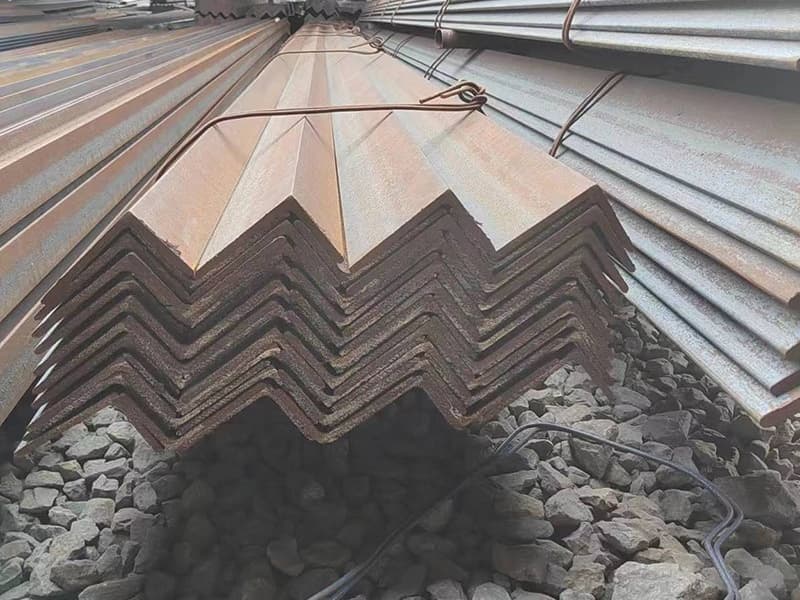
An unequal angle section1 is an L-shaped steel member with legs of different lengths (e.g., L150×100×12). This asymmetry creates distinct strong and weak axes, allowing engineers to optimize material usage for specific directional loading and connection requirements in ship structures where space constraints exist.
Comprehensive Analysis of Unequal Angle Section Applications
Unequal angle sections represent a specialized category of structural steel that addresses the limitations of symmetric sections in certain marine applications3. The different leg lengths create a section with unique properties that can be leveraged to achieve specific engineering objectives, particularly where space constraints, connection geometry, or directional loading patterns dictate dimensional requirements.
The geometric asymmetry of unequal angles results in significantly different section properties about the two principal axes. The axis parallel to the longer leg (x-x axis) typically has a substantially higher section modulus4 and moment of inertia5 compared to the axis parallel to the shorter leg (y-y axis). This directional strength characteristic allows designers to align the stronger axis with the primary loading direction, optimizing material efficiency and achieving weight savings in properly engineered structures.
Manufacturing unequal angles requires precise process control to maintain consistent dimensions between the different leg lengths. The hot rolling process6 involves careful adjustment of roll gaps and guides to ensure both legs achieve their specified dimensions while maintaining the 90-degree angle relationship. Quality control includes verification of individual leg lengths, thickness consistency across both legs, straightness tolerances, and visual inspection for surface defects that could affect performance.
Design considerations for unequal angles require more detailed analysis than equal angles. Engineers must carefully consider the orientation of the strong and weak axes relative to applied loads, connection details that accommodate the asymmetric geometry, and potential buckling behavior7 that differs between the two principal directions. Proper marking and installation procedures are essential to ensure the sections are oriented correctly during ship construction.
Marine applications particularly suited for unequal angles include:
- Space-Constrained Areas: Where one dimension is limited but strength is required
- Directional Loading: Where primary loads act predominantly in one direction
- Connection Optimization: Where different connection requirements exist on each side
- Weight-Sensitive Applications: Where material efficiency is prioritized
Here are specific marine applications3 for unequal angles:
| Application | Typical Size | Design Rationale |
|---|---|---|
| Deck Edge Support | L180×90×14 | Maximizes vertical support while minimizing horizontal projection |
| Hull Frame Connections | L200×150×16 | Provides strong hull attachment with optimized internal space |
| Bulkhead Openings | L120×80×10 | Fits limited space around doors and access openings |
| Equipment Foundations | L150×100×12 | Accommodates specific bolt patterns and mounting requirements |
We supplied L180×120×15 unequal angles to a shipyard in Malaysia for hull side framing in a new tanker design. The unequal configuration allowed them to maximize the welding area to the hull plating while minimizing the projection into the cargo space, optimizing both structural performance and valuable internal volume for cargo carriage.
What are the different grades of angle iron steel?
Understanding the various grades of angle iron steel is crucial for selecting the appropriate material for your marine projects. Different grades offer distinct combinations of strength, toughness, and corrosion resistance tailored to specific applications and service conditions.
Marine angle steel grades include normal strength (A, B, D, E) and high strength (AH32, AH36, DH32, DH36, EH36) categories certified by classification societies. The letters indicate impact test temperatures1, while numbers denote yield strength2. Different grades suit various operating environments and structural requirements.
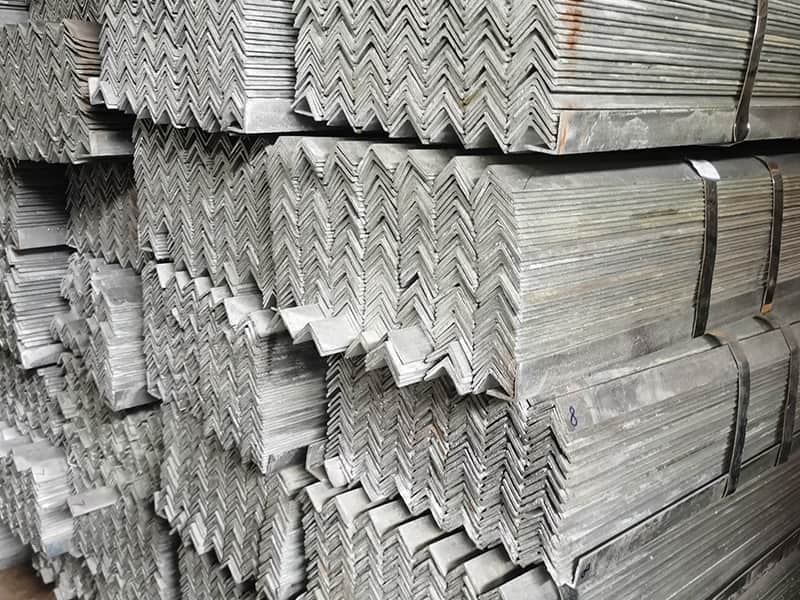
Comprehensive Guide to Marine Angle Steel Grades
The grading system for marine angle steel follows international standards established by classification societies to ensure material quality and performance in marine environments. Each grade designation provides specific information about the steel’s mechanical properties, impact toughness requirements, and intended service conditions, allowing engineers to select materials matched to their project requirements.
Normal strength marine steels (Grades A, B, D, E) have a minimum yield strength2 of 235 MPa and are suitable for many marine applications where high strength is not the primary consideration. The alphabetical progression indicates increasingly demanding impact test requirements, with Grade A typically used where impact testing is not specified, Grade B tested at room temperature, Grade D tested at -20°C, and Grade E tested at -40°C. These grades find application in secondary structures, interior framing, and less critical components.
High-strength marine steels (AH, DH, EH series with 32, 36, or 40 designations) offer increased yield strength2 for weight-sensitive applications or highly loaded structures. The "H" indicates high tensile strength, while the numbers (32, 36, 40) represent the minimum yield strength2 in kgf/mm² (approximately 315 MPa, 355 MPa, and 390 MPa respectively). These grades allow designers to use thinner sections, reducing structural weight while maintaining load-bearing capacity.
The manufacturing process significantly influences the properties achievable within each grade. As-rolled steels provide basic properties at lower cost, normalized steels offer improved toughness and more consistent properties through heat treatment, and TMCP (Thermo-Mechanical Controlled Processed) steels deliver the optimal combination of strength and toughness through precise temperature control during rolling. The selection depends on the specific performance requirements and fabrication considerations.
Chemical composition varies between grades to achieve the desired mechanical properties and performance characteristics. Carbon content typically ranges from 0.16% to 0.18% maximum, manganese from 0.90% to 1.60%, silicon from 0.10% to 0.50%, with strict limits on phosphorus (0.035% max) and sulfur (0.035% max). Micro-alloying elements like niobium, vanadium, or titanium may be added in small quantities to enhance specific properties.
Here’s a detailed grade comparison for marine applications:
| Grade Category | Yield Strength | Impact Test | Typical Applications |
|---|---|---|---|
| Normal Strength A-D | 235 MPa | Varies by grade | Secondary structures, interior framing |
| High Strength AH32-36 | 315-355 MPa | 0°C to -20°C | Primary hull structures, deck framing |
| High Strength DH32-36 | 315-355 MPa | -20°C | Temperate zone operations, exposed structures |
| High Strength EH32-36 | 315-355 MPa | -40°C | Cold climate vessels, ice-class applications |
We work with multiple certified mills to provide the full range of marine angle grades. Our clients in the Middle East typically specify AH36 grades for their warm-water operations, while Scandinavian clients require EH36 grades for their winter navigation vessels operating in freezing conditions.
Conclusion
Understanding the differences between equal and unequal marine angle steel enables better material selection and structural optimization. Each type serves specific purposes in shipbuilding projects based on loading conditions and space constraints.
-
Find out how impact test temperatures affect the performance of different steel grades. ↩ ↩ ↩ ↩ ↩ ↩ ↩ ↩ ↩
-
Understanding yield strength is crucial for selecting the right steel for your projects. ↩ ↩ ↩ ↩ ↩ ↩ ↩ ↩ ↩ ↩
-
Find out how unequal angle sections are specifically utilized in marine engineering for optimal performance. ↩ ↩ ↩ ↩
-
Discover the significance of section modulus in ensuring structural integrity and efficiency. ↩ ↩ ↩
-
Understanding moment of inertia is crucial for engineers to design safe and efficient structures. ↩ ↩
-
Gain insights into the hot rolling process and its impact on the quality of steel products. ↩ ↩
-
Explore how buckling behavior affects design choices and safety in engineering structures. ↩ ↩