
A shipyard in Mexico almost lost their project deadline last month. Their European steel supplier failed to deliver marine plates on time, causing costly delays.
Importing marine steel plate from China involves finding certified suppliers, arranging shipping logistics, and handling customs clearance. The process typically takes 30-45 days from order to delivery. Key steps include supplier verification, quality inspection, documentation preparation, and customs compliance in your country.
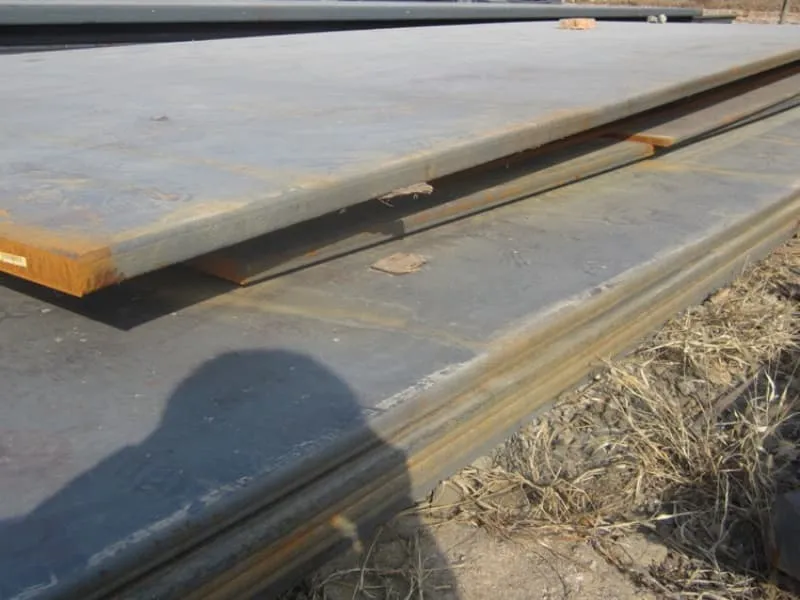
Navigating international steel procurement can be challenging. Let me share the practical knowledge I’ve gained from helping clients worldwide import Chinese marine steel.
What is the import tax of steel from China?
Many importers focus only on product price and forget about import taxes. This oversight can turn a good deal into a financial loss.
Import taxes for Chinese steel vary by country, typically ranging from 0% to 25%. The United States imposes 25% tariffs on most Chinese steel, while ASEAN countries often have 0-5% rates under free trade agreements. Anti-dumping duties may apply in some markets.
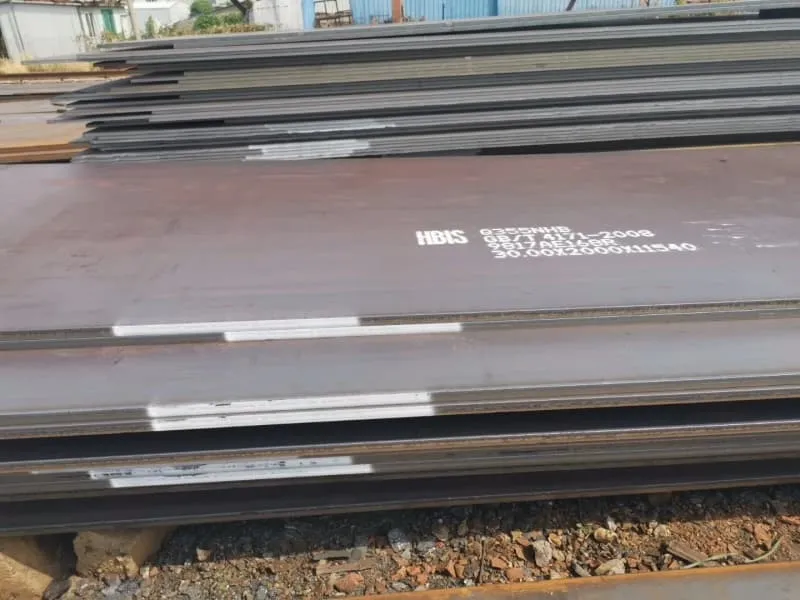
Comprehensive Guide to Steel Import Taxation
Understanding import duties requires knowledge of different tax types, calculation methods, and legal frameworks across various markets.
Steel Import Tax Comparison by Country
| Country | Basic Tariff Rate | Additional Duties | VAT/GST | Total Tax Impact | Special Notes |
|---|---|---|---|---|---|
| United States | 25% | Anti-dumping duties | 0% | 25%+ | Section 232 tariffs apply |
| Vietnam | 5% | 0% | 10% | 15.5% | ASEAN-China FTA benefits |
| Saudi Arabia | 5% | 0% | 15% | 20.75% | GCC unified tariff |
| Mexico | 15% | Countervailing duties | 16% | 33.4% | NAFTA replacement rules |
| Philippines | 3% | 0% | 12% | 15.36% | ASEAN trade agreement |
| Romania | 0% | 0% | 19% | 19% | EU common customs |
| Thailand | 5% | 0% | 7% | 12.35% | ASEAN-China agreement |
| Pakistan | 10% | 0% | 17% | 28.7% | CPEC preferences |
Basic tariff rates form the foundation of import costs. These rates depend on the Harmonized System (HS) code1 for steel products, typically 7208 through 7229. Countries set these rates based on their trade policies and international agreements. Some nations protect domestic industries with high tariffs, while others encourage imports with low rates.
Additional duties include anti-dumping and countervailing measures. The United States applies substantial additional duties on Chinese steel, citing unfair trade practices. The European Union has similar measures for certain steel products. These duties can exceed 100% in some cases, making Chinese steel uncompetitive in those markets.
Value Added Tax (VAT)2 or Goods and Services Tax (GST) applies in most countries. This tax calculation includes the product cost, shipping, insurance, and basic tariffs. The cumulative effect means taxes apply on other taxes, significantly increasing the final cost. Understanding this cascading effect helps accurate cost forecasting.
Free Trade Agreements (FTAs)3 provide tariff reductions or elimination. China has FTAs with ASEAN countries, Pakistan, and others. Importers can benefit from preferential rates by providing certificates of origin. Proper documentation can reduce costs by 5-20% depending on the specific agreement terms.
Calculation methodology affects total landed cost4. The formula is: Total Tax = (Product Cost + Shipping + Insurance) × Tariff Rate × (1 + VAT Rate). Many importers make the mistake of applying VAT only to the product cost, underestimating their total tax liability by 10-15%.
Legal compliance requires accurate classification and documentation. Using wrong HS codes can lead to penalties, shipment delays, and additional inspections. We help clients determine the correct codes and prepare all necessary documents to ensure smooth customs clearance.
How to import the material from China?
Importing steel from China seems complicated, but following a systematic approach makes the process manageable and predictable.
Importing materials from China involves supplier selection, price negotiation, quality verification, shipping arrangement, and customs clearance. Work with suppliers who provide export documentation support and choose experienced freight forwarders for logistics management.
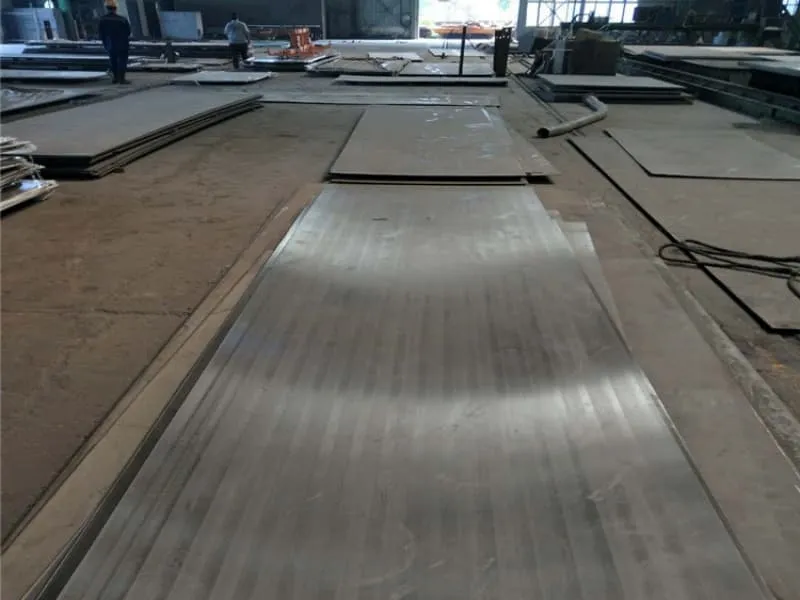
Step-by-Step Guide to Importing Chinese Steel
Breaking down the import process into manageable phases helps avoid common pitfalls and ensures successful procurement.
Steel Import Process Phase Breakdown
| Phase | Key Activities | Timeline | Critical Documents | Common Challenges |
|---|---|---|---|---|
| Supplier Selection | Due diligence, certification check | 1-2 weeks | Mill certificates, business license | Verification of real factories |
| Price Negotiation | Quotation comparison, term discussion | 3-5 days | Proforma invoice, payment terms | Hidden cost identification |
| Quality Assurance | Third-party inspection, sample testing | 1 week | Inspection report, test certificates | Quality standard alignment |
| Shipping Arrangement | Incoterms selection, freight booking | 2-3 weeks | Bill of Lading, packing list | Port congestion, space shortage |
| Customs Clearance | Document preparation, duty payment | 3-7 days | Commercial invoice, certificate of origin | Classification errors, documentation |
| Final Delivery | Port pickup, inland transportation | 1-3 days | Delivery order, transport documents | Damage assessment, timing |
Supplier selection requires thorough due diligence. Verify business licenses, production capabilities, and export experience. Check for relevant certifications like ISO, ABS, LR, or DNV for marine steels. Visit factories if possible or request video tours. Many buyers make the mistake of choosing suppliers based solely on price, overlooking quality consistency and reliability.
Price negotiation goes beyond unit cost. Discuss payment terms, typically 30% deposit with balance before shipment. Clarify packaging standards, documentation requirements, and after-sales support. Understand what Incoterms apply – FOB Shanghai is common, but CIF might be better for first-time importers. Consider total landed cost rather than just product price.
Quality assurance cannot be overlooked. Arrange third-party inspection like SGS, BV, or Intertek for pre-shipment verification. Specify testing requirements including chemical composition, mechanical properties, and dimensional checks. Review mill test certificates and ensure they match ordered specifications. Our clients who skip proper inspection often face quality issues upon arrival.
Shipping arrangement demands experienced partners. Choose freight forwarders familiar with steel products and your destination port. Consider vessel type – container shipping works for smaller orders, while bulk vessels suit larger volumes. Account for seasonal factors like monsoon seasons that affect shipping schedules and costs. Proper packaging prevents damage during transit.
Customs clearance preparation starts early. Ensure all documents are accurate and complete. The commercial invoice must match the Bill of Lading and packing list. Certificate of origin might be needed for preferential tariff treatment. Work with customs brokers who understand steel products and local regulations. Documentation errors cause most clearance delays.
Final delivery coordination ensures smooth handover. Arrange trucking from the port to your facility. Have equipment ready for unloading heavy steel plates. Conduct immediate inspection upon receipt and note any damage on delivery documents. Prompt communication with suppliers about any issues facilitates quick resolution.
Who is the largest importer of Chinese steel?
Understanding the global steel trade patterns helps position your procurement strategy within the broader market context.
Vietnam is currently the largest importer of Chinese steel, followed by the Philippines and Thailand. ASEAN countries collectively import over 40% of China’s steel exports due to geographical proximity, infrastructure development, and free trade agreement benefits.
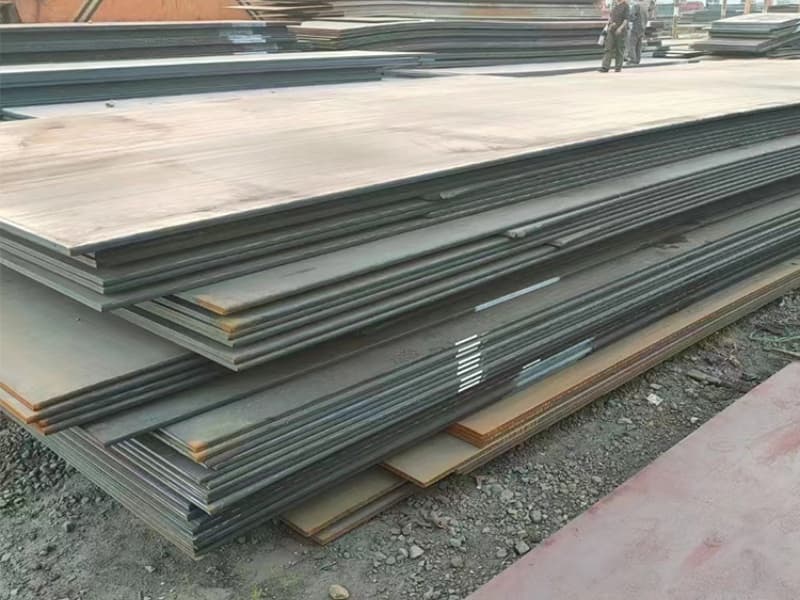
Analysis of Major Chinese Steel Import Markets
The distribution of Chinese steel imports reflects economic development patterns, trade relationships, and regional demand characteristics.
Top Chinese Steel Importers Market Analysis
| Country | Import Volume (2023) | Main Products | Key Drivers | Future Trend |
|---|---|---|---|---|
| Vietnam | 12.5 million tons | Construction steel, marine plates | Infrastructure boom, shipbuilding growth | Increasing |
| Philippines | 8.2 million tons | Rebar, structural sections | Building construction, public works | Stable growth |
| Thailand | 7.8 million tons | Automotive steel, pipes | Automotive industry, manufacturing | Moderate growth |
| Saudi Arabia | 6.5 million tons | Oil country tubular, plates | Oil industry, Vision 2030 projects | Fluctuating |
| Malaysia | 5.9 million tons | Structural steel, galvanized | Construction, industrial development | Steady |
| Pakistan | 5.3 million tons | Rebar, structural shapes | CPEC projects, urban development | Growing |
| South Korea | 4.8 million tons | Specialty steel, coated products | Manufacturing, shipbuilding | Stable |
| United Arab Emirates | 4.5 million tons | Construction steel, pipes | Real estate, infrastructure | Moderate |
Vietnam’s dominance stems from massive infrastructure development. The country imports large quantities of construction steel for buildings, bridges, and industrial parks. Vietnamese shipyards also source marine plates from China for their growing shipbuilding industry. Geographical proximity reduces shipping costs and time, making Chinese steel highly competitive.
Philippines market focuses on construction materials. The "Build, Build, Build" infrastructure program drives demand for rebar, structural sections, and steel plates. Chinese suppliers benefit from competitive pricing and reliable supply. The ASEAN-China Free Trade Area provides tariff advantages that strengthen this trade relationship.
Thailand imports specialized steel products. The automotive industry requires high-quality steel sheets and coils. Manufacturing sectors need various steel products for equipment and facilities. While Thailand has domestic production, Chinese imports fill specific quality and price segments.
Saudi Arabia represents a strategic Middle Eastern market. Vision 2030 projects require substantial steel imports despite local production capacity. Chinese suppliers compete on price and delivery time for large project requirements. The oil industry imports specialized tubular products from China.
Malaysia maintains steady import levels. Construction industry demand combines with industrial development needs. Chinese steel complements local production, particularly for specific grades and sizes not available domestically. The established trade relationship ensures consistent import volumes.
Pakistan’s imports grow through CPEC influence. China-Pakistan Economic Corridor projects use significant Chinese steel. Urban development and infrastructure construction create sustained demand. Pakistani importers appreciate the quality consistency and reliable delivery from Chinese mills.
Regional distribution shows Asia’s dominance. Over 60% of Chinese steel exports stay within Asia, benefiting from shorter supply chains and cultural familiarity. This regional concentration influences production planning and logistics strategies for Chinese mills and exporters.
Why is Chinese steel so cheap?
Many international buyers question how Chinese steel can be priced so competitively. The answer involves multiple factors beyond simple cost advantages.
Chinese steel is cheap due to massive production scale, government subsidies, lower labor costs, and integrated supply chains. Overcapacity in China’s steel industry creates competitive pricing, while efficient logistics and bulk shipping reduce delivered costs to international markets.
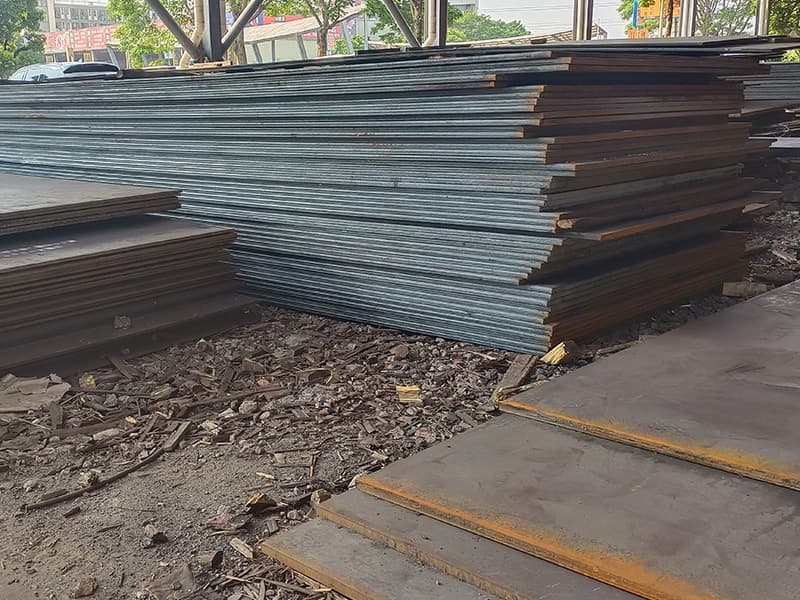
Factors Behind Chinese Steel’s Cost Competitiveness
The pricing advantage of Chinese steel results from a combination of production efficiencies, market structures, and policy supports.
Chinese Steel Cost Structure Analysis
| Cost Component | Chinese Advantage | International Comparison | Impact on Final Price | Sustainability |
|---|---|---|---|---|
| Raw Materials | Scale purchasing, domestic supply | Import-dependent markets | 15-20% lower | Stable |
| Energy Costs | Government-supported electricity | Market-rate energy | 10-15% savings | Long-term |
| Labor Expenses | Lower wage levels | Higher labor costs | 20-25% advantage | Gradually reducing |
| Production Scale | World’s largest facilities | Smaller, fragmented mills | 15-20% efficiency | Maintained |
| Logistics | Integrated supply chains | Disconnected systems | 5-10% savings | Improving |
| Environmental Compliance | Lower standards initially | Strict regulations | 5-15% cost difference | Increasing |
Production scale creates significant efficiency advantages. China produces over 50% of global steel output, allowing massive economies of scale. Individual Chinese mills often exceed total production of entire countries. This scale reduces per-unit costs for equipment, management, and overhead. Continuous production runs minimize changeover losses and optimize resource utilization.
Government support plays a crucial role. Chinese steel producers benefit from subsidized electricity, tax incentives, and favorable loan terms. Local governments support steel mills as major employers and economic contributors. While recent environmental policies have increased costs, historical advantages persist in the industry structure.
Labor cost differences remain substantial. Chinese steel workers earn significantly less than their counterparts in developed countries. Automation and digitalization further reduce labor requirements per ton of steel. However, wages are rising steadily, gradually eroding this advantage over time.
Raw material access provides cost benefits. China has domestic iron ore supplies, though quality varies. Large-scale purchasing power gives Chinese mills leverage in international raw material markets. Integrated production from iron ore to finished products eliminates multiple profit margins along the supply chain.
Logistics efficiency reduces delivered costs. Well-developed port infrastructure, extensive railway networks, and coastal shipping capabilities enable cost-effective transportation. Bulk shipping rates favor Chinese exporters moving large volumes to international markets. The Belt and Road Initiative further improves logistics connectivity.
Environmental compliance costs differ significantly. Chinese environmental standards have historically been less stringent than in Europe or North America. While recent enforcement has increased, the compliance cost gap remains. Chinese mills invested in newer, more efficient equipment during expansion phases, avoiding legacy cost burdens.
Market structure influences pricing behavior. Overcapacity in China’s steel industry creates intense competition among producers. This competitive pressure drives prices toward marginal costs rather than full cost recovery. Export incentives and currency factors also contribute to competitive international pricing.
Conclusion
Importing marine steel from China offers cost advantages but requires careful planning, supplier verification, and understanding of international trade procedures.
-
Understand the importance of HS codes in determining tariffs and ensuring compliance in steel imports. ↩
-
Discover how VAT is calculated on steel imports and its impact on overall costs. ↩
-
Find out how FTAs can reduce import costs and enhance trade opportunities for steel. ↩
-
Get insights into calculating total landed costs to avoid unexpected expenses when importing steel. ↩