
Many construction projects face material selection challenges. Marine and structural steel plates look similar but serve very different purposes. Choosing wrong can lead to catastrophic failures.
Marine steel plates are specifically designed for shipbuilding and offshore structures, offering superior corrosion resistance, impact toughness, and classification society certification. Structural steel plates serve general construction with focus on strength and cost-effectiveness. The key differences lie in chemical composition, mechanical properties, and certification requirements for marine environments.
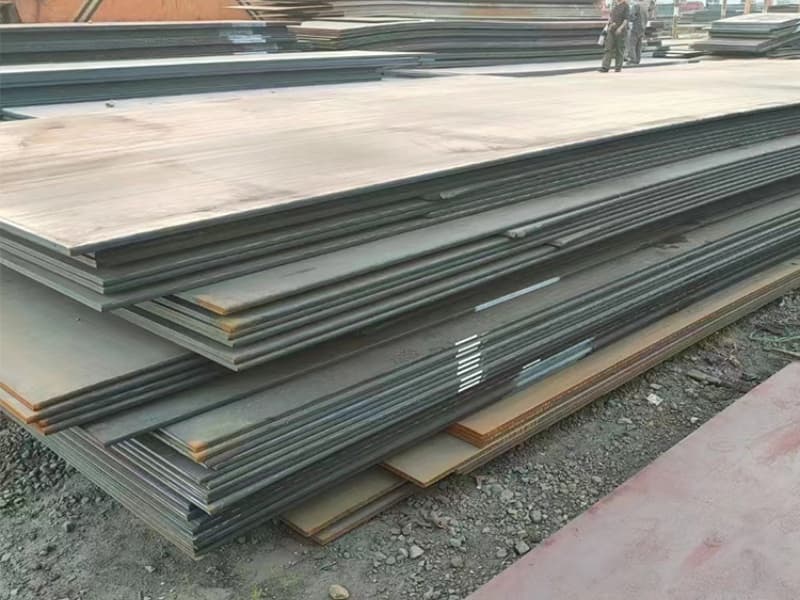
Understanding these differences requires examining specific technical requirements and application scenarios. Let’s explore the fundamental questions that guide proper material selection.
What is a marine plate?
Many people assume marine plates are just waterproof steel. The reality involves much more sophisticated engineering and material science.
A marine plate is specially engineered steel designed for shipbuilding and offshore applications. It offers enhanced corrosion resistance, excellent impact toughness at low temperatures, and superior weldability. Marine plates must meet strict classification society standards like ABS, DNV, or LR for use in hull construction and marine structures.
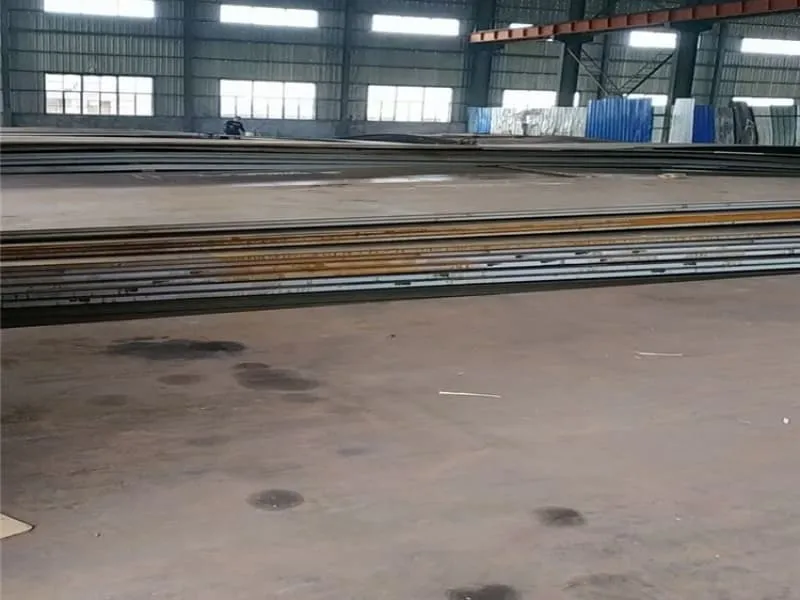
Comprehensive Understanding of Marine Steel Plates
Marine plates represent a specialized category of steel products developed specifically for the unique challenges of marine environments. Their properties address the combined effects of seawater corrosion, dynamic loading, and temperature variations.
Classification Society Requirements
Marine plates require certification from recognized classification societies. The American Bureau of Shipping (ABS), Det Norske Veritas (DNV), Lloyd’s Register (LR), and other international bodies set rigorous standards. These societies specify chemical composition limits, mechanical property requirements, and manufacturing process controls. Each plate batch undergoes thorough testing and documentation before approval for marine use.
Corrosion Resistance Mechanisms
Marine plates incorporate specific alloying elements for enhanced corrosion resistance. Copper additions improve atmospheric corrosion resistance in marine environments. Chromium content promotes formation of stable passive layers. Nickel enhances resistance to various corrosive media. The carefully controlled chemical composition minimizes corrosion rates in seawater immersion and splash zones.
Impact Toughness Characteristics
Marine environments demand excellent impact resistance. Ships face dynamic loads from waves, ice, and operational stresses. Marine plates undergo Charpy V-notch testing at specific temperatures. Standard grades like AH36 test at 0°C, while DH36 tests at -20°C for colder operations. This toughness prevents brittle fracture initiation under shock loading conditions.
Weldability and Fabrication Properties
Ship construction relies heavily on welding for structural assembly. Marine plates feature controlled carbon equivalents typically below 0.40%. Low sulfur and phosphorus levels minimize hot cracking susceptibility. The consistent chemical composition ensures predictable behavior during welding operations. This allows efficient construction while maintaining structural integrity in critical joints.
Quality Control and Traceability
Marine plate production involves rigorous quality assurance protocols. Each plate receives unique identification marking for full traceability. Chemical analysis verifies composition compliance. Mechanical testing confirms strength and toughness properties. Non-destructive examination checks internal soundness. Complete documentation accompanies each shipment for classification society review.
Application Specific Variations
Different marine applications require specialized plate properties. Hull plating needs excellent surface quality for coating adherence. Deck plates require good fatigue resistance for repeated loading. Tank plates demand specific corrosion resistance for various cargos. Each application may specify different grade requirements within the marine category.
| Marine Plate Feature | Technical Requirement | Purpose |
|---|---|---|
| Corrosion Resistance | Enhanced alloy composition | Longevity in seawater |
| Impact Toughness | Charpy testing at service temperature | Brittle fracture prevention |
| Weldability | Controlled carbon equivalent | Construction efficiency |
| Certification | Classification society approval | Regulatory compliance |
| Traceability | Unique identification marking | Quality assurance |
Our client Gulf Metal Solutions learned the importance of proper marine plate selection through experience. They initially used structural steel for a coastal project but switched to certified marine plates after encountering premature corrosion issues.
What are the different types of steel plates?
Steel plates come in numerous varieties tailored for specific applications. Understanding these types ensures proper material selection for different projects.
Steel plates include marine grades (AH32, AH36), structural grades (A36, A572), pressure vessel grades (A516), abrasion-resistant grades (AR400), and stainless steels (304, 316). Each type offers specific properties like corrosion resistance, strength, toughness, or wear resistance for different industrial applications and environmental conditions.
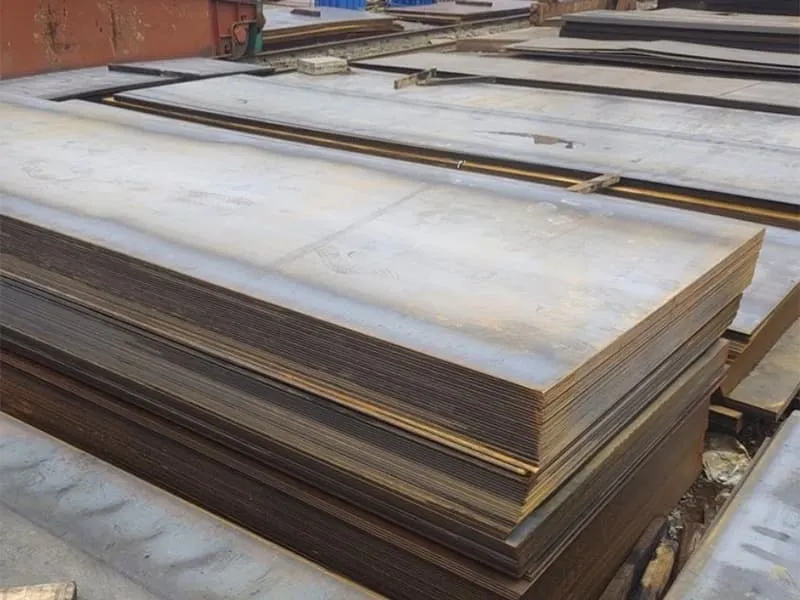
Comprehensive Classification of Steel Plate Varieties
The steel plate market offers numerous specialized products, each engineered for specific performance requirements across different industries and applications.
Marine and Shipbuilding Plates
These plates serve shipbuilding and offshore structure applications. They feature enhanced corrosion resistance for seawater exposure. Impact toughness requirements address dynamic ocean loading. Classification society certification ensures compliance with maritime safety standards. Common grades include AH32, AH36, DH32, DH36 with increasing toughness levels for colder operations.
Structural Steel Plates
Structural plates form building frames, bridges, and industrial structures. They prioritize strength, weldability, and cost-effectiveness. Grades like A36 provide general purpose structural applications. A572 offers higher strength for weight-sensitive designs. These plates typically have less stringent toughness requirements than marine grades. Surface quality may be less critical for painted or hidden applications.
Pressure Vessel Quality Plates
These plates manufacture containers for gases and liquids under pressure. They emphasize uniformity and internal soundness. Strict non-destructive testing ensures defect-free material. Grades like A516 provide good notch toughness for pressure containment. Normalization heat treatment enhances properties for critical service conditions. The plates undergo rigorous quality control for safety-critical applications.
Abrasion-Resistant Plates
AR plates withstand wear from impact and sliding abrasion. They feature high hardness levels through heat treatment or alloy composition. Applications include mining equipment, material handling systems, and construction machinery. The high hardness comes with reduced formability and weldability considerations. Proper welding procedures prevent cracking in hardened materials.
Stainless Steel Plates
Stainless plates offer superior corrosion resistance for aggressive environments. Austenitic grades like 304 and 316 provide excellent general corrosion resistance. Ferritic grades like 430 offer cost-effective solutions for mild conditions. Martensitic grades provide high strength and wear resistance. Duplex grades combine strength with corrosion resistance for demanding applications.
Alloy Steel Plates
Alloy plates provide enhanced properties through specific alloy additions. Chromium-molybdenum grades offer high temperature strength for power generation. Nickel alloys provide exceptional low-temperature toughness for cryogenic service. These specialized plates command premium prices but enable applications impossible with carbon steels.
Special Application Plates
The industry continues developing plates for emerging needs. Bullet-resistant plates provide security applications. Magnetic plates serve electrical and motor applications. Non-magnetic plates suit specialized instrumentation. Each special type addresses unique performance requirements beyond standard categories.
| Plate Type | Key Grades | Primary Applications |
|---|---|---|
| Marine | AH32, AH36, DH36 | Ship hulls, offshore structures |
| Structural | A36, A572, A588 | Buildings, bridges, frames |
| Pressure Vessel | A516, A537 | Tanks, boilers, pressure containers |
| Abrasion Resistant | AR400, AR500 | Mining equipment, liners |
| Stainless Steel | 304, 316, 430 | Chemical plants, food processing |
We help clients like Gulf Metal Solutions navigate these options. They typically use marine plates for shipbuilding projects and structural plates for shore-based facilities, ensuring optimal performance for each application.
What is the difference between structural steel and steel?
Many people use these terms interchangeably, but important distinctions exist between general steel and structural steel products.
Structural steel refers specifically to shaped products like beams, channels, and angles used in construction frameworks, while steel encompasses all iron-carbon alloys including sheets, plates, pipes, and other forms. Structural steel must meet specific standards for strength, weldability, and dimensional consistency in building applications.
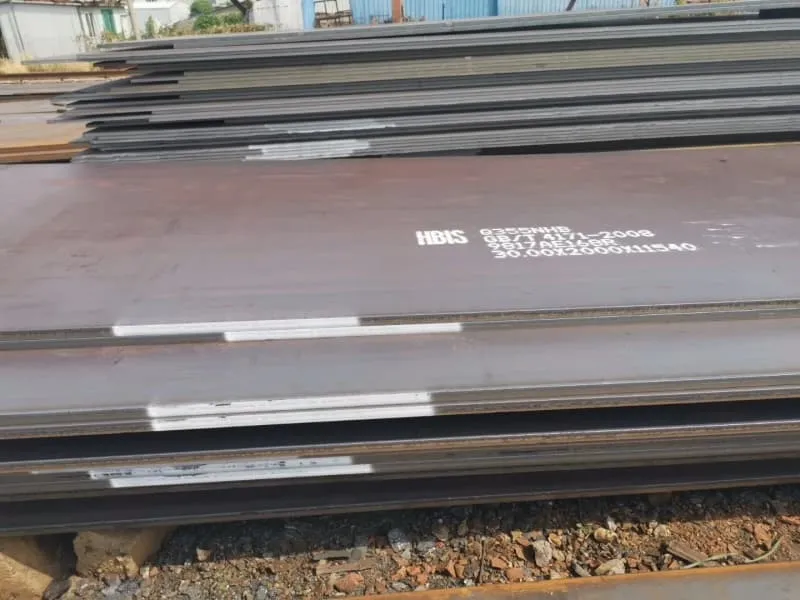
Detailed Differentiation Between Steel Categories
Understanding the relationship between general steel and structural steel requires examining production methods, standards compliance, and application-specific requirements.
Definition and Scope Differences
Steel represents the broad category of iron-carbon alloys with various compositions and properties. This includes everything from stainless steel cutlery to automotive body panels. Structural steel constitutes a specific subset designed for load-bearing applications in construction. It must provide predictable mechanical properties and reliable performance under structural loads.
Production Method Variations
General steel production focuses on achieving specific chemical compositions and basic mechanical properties. Structural steel manufacturing emphasizes consistency in mechanical properties and dimensional accuracy. Rolling practices for structural shapes require precise control to maintain section properties. The production process ensures reliable performance in critical load-bearing applications.
Standardization and Certification
General steel products may follow basic material standards without specific shape requirements. Structural steel must comply with comprehensive standards covering both material properties and dimensional tolerances. ASTM A6 specifies general requirements for structural steel shapes in the United States. Similar standards exist in other regions like EN 10025 in Europe. Certification ensures compliance with these rigorous standards.
Mechanical Property Requirements
General steel might prioritize properties like formability, surface quality, or corrosion resistance. Structural steel emphasizes strength, stiffness, and toughness for load-bearing capacity. Yield strength, tensile strength, and elongation values must fall within specified ranges. Impact toughness requirements address potential brittle fracture concerns. These properties ensure structural safety and reliability.
Testing and Quality Assurance
General steel might undergo basic chemical analysis and mechanical testing. Structural steel requires comprehensive testing including chemical analysis, tensile testing, impact testing, and sometimes non-destructive examination. Dimensional checks ensure proper fit-up during construction. The rigorous quality control supports engineering calculations and design assumptions.
Application and Design Considerations
General steel serves diverse applications from consumer products to industrial equipment. Structural steel specifically serves building frames, bridges, towers, and other structures. Design using structural steel follows established engineering principles and building codes. Connection design, stability considerations, and fatigue resistance are critical design aspects. These factors distinguish structural applications from general steel use.
Economic and Supply Chain Factors
General steel production occurs in massive volumes for widespread distribution. Structural steel production involves more specialized rolling mills and fabrication shops. The supply chain for structural steel includes detailed design coordination and just-in-time delivery to construction sites. These logistical considerations differentiate structural steel from commodity steel products.
| Aspect | General Steel | Structural Steel |
|---|---|---|
| Scope | All iron-carbon alloys | Load-bearing construction elements |
| Standards | Basic material specifications | Comprehensive shape and property standards |
| Testing | Chemical and basic mechanical | Full mechanical and dimensional testing |
| Applications | Diverse industrial uses | Buildings, bridges, frameworks |
| Design Focus | Product-specific performance | Load capacity, stability, connections |
Gulf Metal Solutions maintains separate inventory for general steel and structural steel products. This segregation ensures they always have appropriate materials available for different project types and client requirements.
What grade is marine steel plate?
Marine steel plates follow specific grading systems that indicate their properties and intended applications. Understanding these grades ensures proper material selection.
Marine steel plates use grades like AH32, AH36, DH36, and EH36 according to classification society standards. The letter indicates impact test temperature (A=0°C, D=-20°C, E=-40°C), H indicates high strength, and the number shows minimum yield strength in ksi. These grades ensure performance in specific marine environments and temperature conditions.
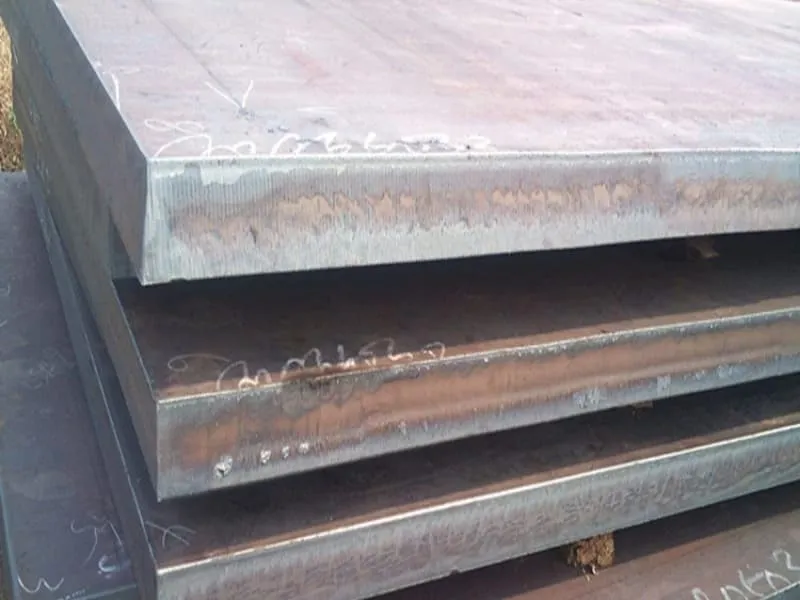
Comprehensive Guide to Marine Steel Plate Grading System
The marine steel plate grading system provides a standardized method for specifying material properties essential for maritime applications. Each grade designation conveys specific performance characteristics.
Grade Designation Interpretation
Marine steel grades follow a logical coding system. The initial letter (A, B, D, E, F) indicates the temperature for Charpy impact testing. Grade A tests at 0°C, B at 0°C with different quality, D at -20°C, E at -40°C, and F at -60°C. The "H" designation indicates high tensile strength. The number represents the minimum yield strength in ksi units, so 36 indicates 36 ksi (approximately 250 MPa) yield strength.
Normal Strength Marine Grades
Grade A, B, D, and E represent normal strength marine steels. Grade A serves general purpose applications without stringent impact requirements. Grade B offers improved quality for important structures. Grade D provides better low-temperature toughness for colder operations. Grade E delivers superior impact resistance for critical areas and harsh environments. These grades typically offer yield strengths around 235 MPa.
High Strength Marine Grades
The AH, DH, EH series provide enhanced strength for weight-sensitive designs. AH32 and AH36 offer yield strengths of 315 MPa and 355 MPa respectively with impact testing at 0°C. DH32 and DH36 provide the same strength levels with testing at -20°C for colder climate operations. EH32 and EH36 extend this to -40°C for arctic service conditions. The higher strength allows reduced plate thickness and weight savings.
Specialized Marine Grades
Some applications require grades beyond the standard series. FH32-FH40 grades serve extreme low-temperature applications down to -60°C. Higher strength grades like AH40 and DH40 provide 390 MPa yield strength for specific applications. Extra-thick plates may require enhanced through-thickness properties (Z-quality). Each special grade addresses specific operational challenges beyond standard requirements.
Classification Society Variations
Different classification societies use similar but distinct grading systems. ABS grades typically use the A-D-E-H numbering system. DNV grades may use NV A through NV F designations. LR uses Lloyd’s A through Lloyd’s F. Despite different naming conventions, the fundamental property requirements remain consistent across major societies. Most mills produce grades certified by multiple societies for global market acceptance.
Selection Criteria and Application Guidelines
Grade selection depends on multiple factors. Operating environment temperature determines the required impact test temperature. Structural importance influences the quality level selection. Weight considerations may justify higher strength grades despite cost premiums. Fabrication requirements influence weldability considerations. Each project requires careful grade evaluation against specific operational parameters.
Quality Assurance and Certification
Marine plate grades require rigorous quality assurance procedures. Each heat of steel undergoes complete chemical analysis. Mechanical testing verifies strength, elongation, and impact properties. Non-destructive examination checks internal soundness. Classification society surveyors witness testing and review documentation. The comprehensive certification process ensures material reliability for marine applications.
| Marine Grade | Yield Strength | Impact Test Temperature | Typical Applications |
|---|---|---|---|
| AH32 | 315 MPa | 0°C | General hull structures |
| AH36 | 355 MPa | 0°C | Main hull plating, warm waters |
| DH36 | 355 MPa | -20°C | Deck plating, cold waters |
| EH36 | 355 MPa | -40°C | Arctic vessel construction |
| FH36 | 355 MPa | -60°C | Special low-temperature applications |
Our grading recommendations to Gulf Metal Solutions consider their specific vessel types and operating routes. They typically use AH36 for Middle Eastern operations and DH36 for vessels trading in European waters, ensuring optimal performance for each operational profile.
Conclusion
Marine steel plates differ significantly from structural plates in composition, properties, and certification requirements. Proper selection ensures optimal performance in specific marine applications and environments.