
The marine industry faces growing problems with counterfeit steel plates. Many shipyards receive materials that look genuine but fail in service. Proper identification prevents costly failures and safety risks.
Genuine ABS marine steel plate shows certification marks, comes with complete material documentation, and meets specific mechanical properties. Verification requires checking ABS certification documents, material test certificates, physical markings on plates, and independent testing when necessary. Counterfeit plates often lack proper documentation or show inconsistent material properties.
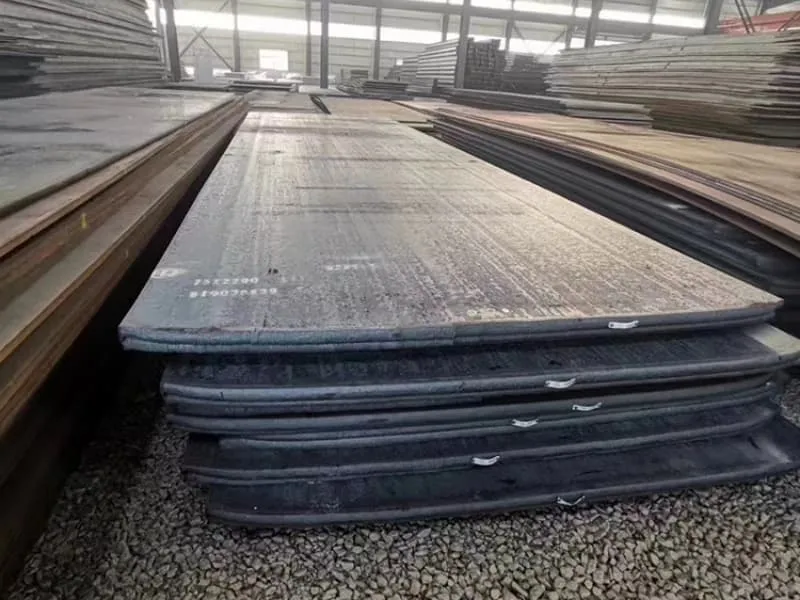
Identifying authentic ABS plates requires understanding certification standards and verification methods. Let’s examine the key questions that help distinguish genuine materials from counterfeits.
What is ABS certified steel?
Many suppliers claim ABS certification without proper credentials. Understanding genuine certification requirements helps buyers avoid substandard materials.
ABS certified steel is material approved by the American Bureau of Shipping for marine applications. The certification process involves strict production controls, comprehensive testing, and ongoing surveillance. ABS surveyors monitor manufacturing to ensure compliance with maritime safety standards for chemical composition, mechanical properties, and quality consistency.
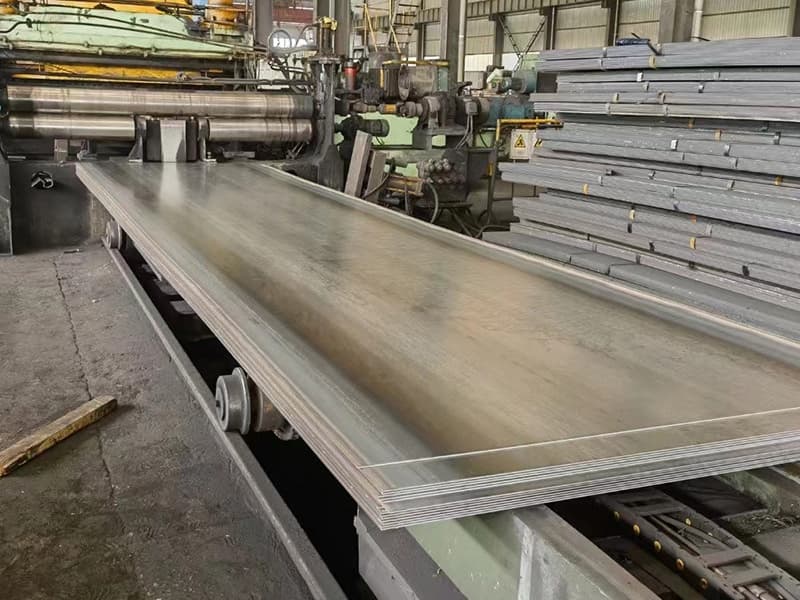
Understanding the ABS Certification System
ABS certification represents a comprehensive quality assurance system that covers the entire steel production process. This system ensures materials meet the demanding requirements of marine applications.
The Certification Process Steps
Manufacturers must first apply for ABS approval of their production facilities. ABS surveyors conduct thorough audits of steelmaking equipment and quality systems. The surveyors examine melting practices, rolling mills, heat treatment facilities, and testing laboratories. Only after successful audits can manufacturers produce ABS certified materials. This initial approval process typically takes several months.
Production Monitoring Requirements
ABS certified steel production involves continuous monitoring. Surveyors witness critical production stages including steel melting, casting, and rolling operations. They verify that manufacturing follows approved procedures and quality plans. Any process changes require re-approval before implementation. This ongoing oversight ensures consistent quality throughout production.
Testing and Documentation Standards
Each heat of ABS certified steel undergoes comprehensive testing. Chemical analysis verifies composition meets specification limits. Tensile testing confirms strength and ductility properties. Impact testing demonstrates toughness at specified temperatures. All test results get documented in material test certificates. These certificates must bear original ABS surveyor stamps.
Traceability Systems
ABS requires complete traceability from raw materials to finished products. Each plate receives unique identification markings showing heat number, grade, and dimensions. Manufacturers must maintain records linking finished plates to original production data. This traceability allows investigation of any quality issues that may arise during service.
Regular Surveillance Audits
Manufacturers undergo periodic audits to maintain certification. ABS conducts unannounced surveys to verify continued compliance. The audits examine quality system performance, testing accuracy, and documentation completeness. Manufacturers must address any deficiencies promptly to avoid certification suspension.
Global Recognition
ABS certification enjoys international acceptance across the maritime industry. Most flag states recognize ABS certified materials for vessel construction. Shipyards worldwide specify ABS grades for new building projects. This global recognition facilitates international trade and vessel registration.
Certification Costs and Value
The certification process involves significant costs for manufacturers. These include application fees, survey costs, testing expenses, and ongoing surveillance charges. However, the certification adds substantial value by ensuring material reliability and safety compliance.
| Certification Element | Requirement | Verification Method |
|---|---|---|
| Manufacturing Approval | Facility audit by ABS | Surveyor inspection |
| Material Testing | Comprehensive test program | Witnessed testing |
| Documentation | Complete test certificates | Surveyor review and stamp |
| Traceability | Unique identification system | Record verification |
| Ongoing Compliance | Regular surveillance audits | Unannounced surveys |
Our client Gulf Metal Solutions learned to verify ABS certification thoroughly after receiving non-compliant material. They now insist on complete documentation and sometimes request independent testing for critical applications.
What is the specification of ABS steel?
ABS steel specifications define precise requirements that ensure material performance in marine environments. These specifications cover multiple grade categories with different property requirements.
ABS steel specifications include normal strength grades (A, B, D, E) and high strength grades (AH32, AH36, DH32, DH36, EH36). Each specification defines chemical composition limits, mechanical properties, impact test temperatures, and manufacturing requirements. The grades differ in yield strength, toughness levels, and applicable service conditions.
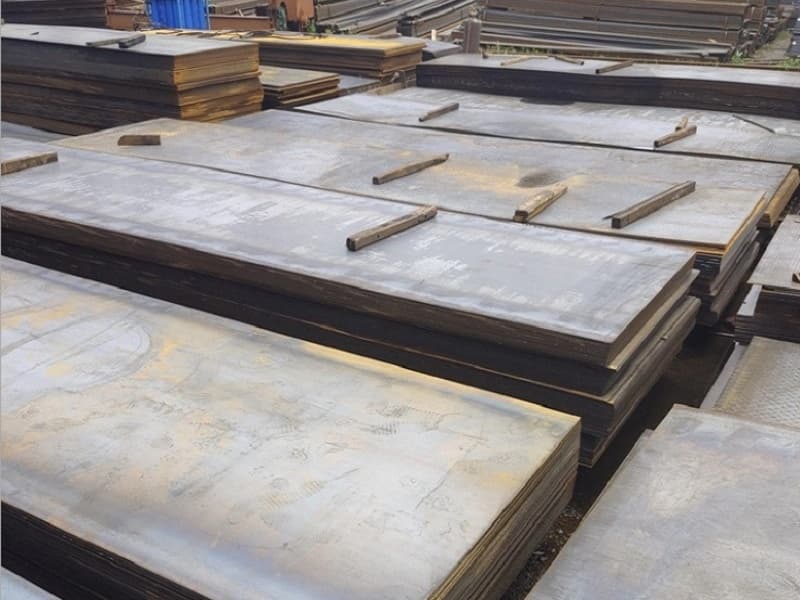
Detailed Analysis of ABS Steel Specifications
ABS specifications provide comprehensive requirements that ensure consistent material performance across different manufacturers and production batches.
Normal Strength Steel Grades
Grade A serves general applications with impact testing at 0°C. It provides minimum yield strength of 235 MPa. Grade B offers improved quality for important structural applications. Grade D requires impact testing at -20°C for vessels operating in colder waters. Grade E demands testing at -40°C for severe environmental conditions. All normal strength grades maintain similar chemical composition limits.
High Strength Steel Categories
High strength grades provide enhanced mechanical properties for weight-sensitive designs. AH32 and AH36 offer yield strengths of 315 MPa and 355 MPa respectively. Both require impact testing at 0°C. DH32 and DH36 provide the same strength levels with testing at -20°C. EH36 extends testing to -40°C for arctic service conditions. The higher strength allows reduced plate thickness and weight savings.
Chemical Composition Requirements
Each ABS grade specifies precise chemical composition ranges. Carbon content typically ranges from 0.18% to 0.21% maximum depending on grade and thickness. Manganese content varies from 0.70% to 1.60% based on strength requirements. Silicon content remains between 0.10% and 0.50%. Phosphorus and sulfur have strict maximum limits of 0.035% each.
Mechanical Property Standards
Tensile strength must fall within specified ranges for each grade. Yield strength must meet minimum values based on grade designation. Elongation requirements ensure adequate ductility for fabrication and service. Bend testing verifies material soundness and formability. Impact energy values must meet minimums at specified test temperatures.
Testing Frequency and Sampling
Manufacturers must conduct specific tests for each heat of steel. Tensile tests require one set per heat and thickness range. Impact tests need three specimens per heat and thickness group. Additional tests may include bend testing, macro-examination, or non-destructive examination. Testing frequency may increase for thicker materials or special applications.
Thickness Considerations
Specification requirements vary with product thickness. Thicker sections may have modified composition limits to ensure through-thickness properties. Testing requirements become more stringent for plates over certain thickness thresholds. Special requirements apply to materials for specific applications like rudders or highly stressed components.
Manufacturing Process Controls
Steelmaking processes must ensure homogeneity and internal soundness. Rolling practices must achieve specified microstructures and properties. Heat treatment must be properly controlled and documented. Identification systems must prevent material mixing throughout production and storage.
| ABS Grade | Yield Strength | Impact Test Temperature | Carbon Maximum |
|---|---|---|---|
| ABS A | 235 MPa | 0°C | 0.21% |
| ABS B | 235 MPa | 0°C | 0.21% |
| ABS D | 235 MPa | -20°C | 0.21% |
| ABS AH36 | 355 MPa | 0°C | 0.18% |
| ABS DH36 | 355 MPa | -20°C | 0.18% |
| ABS EH36 | 355 MPa | -40°C | 0.18% |
We provide complete specification documentation to clients like Gulf Metal Solutions. This transparency helps them verify material compliance for their specific project requirements.
How to identify austenitic stainless steel?
Austenitic stainless steels serve specific marine applications but require proper identification to prevent material substitution. Several practical methods help distinguish them from other steel types.
Austenitic stainless steel can be identified through magnetic testing, spark observation, chemical spot tests, and visual examination. These steels typically show non-magnetic behavior, reddish sparks during grinding, and specific surface characteristics. Laboratory analysis provides definitive identification through chemical composition determination.
Practical Methods for Austenitic Stainless Steel Identification
Field identification of austenitic stainless steel employs several practical techniques, while laboratory methods provide definitive verification for critical applications.
Magnetic Response Testing
Austenitic stainless steels generally exhibit non-magnetic behavior in the annealed condition. A simple magnet test provides initial indication. The material should show weak or no magnetic attraction. This distinguishes austenitic grades from magnetic martensitic and ferritic stainless steels. However, cold working can induce some magnetism in austenitic grades, so this test provides preliminary information only.
Spark Testing Characteristics
Grinding austenitic stainless steel produces distinctive spark patterns. The sparks appear reddish with moderate volume and short streamers. Carbon steels produce brighter, more voluminous white sparks with longer durations. The spark test requires experience for accurate interpretation but provides quick field assessment. Safety precautions are essential during spark testing operations.
Chemical Spot Testing
Specific chemical tests help identify austenitic stainless steels. Copper sulfate solution creates a copper coating on carbon steel but not on stainless steel. Nitric acid response differs between stainless types. Molybdenum spot tests identify 316 grades containing molybdenum. These tests require proper safety measures and may damage the material surface.
Visual and Physical Examination
Austenitic stainless steels have characteristic appearance and properties. They typically exhibit a grayish-white metallic luster. The material feels heavier than aluminum but lighter than lead. Surface finish variations include mill finish, polished, brushed, or patterned surfaces. These visual clues provide initial identification guidance.
Laboratory Analysis Methods
Definitive identification requires laboratory techniques. Optical emission spectroscopy provides rapid chemical composition analysis. X-ray fluorescence offers non-destructive elemental analysis. Metallographic examination reveals characteristic austenitic microstructure. These methods provide accurate grade identification for critical applications.
Application Context Clues
The intended application often suggests material type. Marine applications typically use 304 or 316 austenitic stainless steels. Chemical processing equipment often specifies 316L or higher alloys. Food processing applications commonly use 304. Understanding typical applications helps narrow identification possibilities.
Certification and Documentation Review
Genuine materials come with proper documentation. Material test certificates provide chemical composition and mechanical properties. Mill certificates confirm production details and compliance with specifications. These documents offer reliable identification when available and authentic.
| Identification Method | Procedure | Expected Result for Austenitic Stainless |
|---|---|---|
| Magnetic Test | Apply magnet to surface | Non-magnetic or weakly magnetic |
| Spark Test | Grind edge and observe sparks | Reddish sparks, moderate volume |
| Copper Sulfate Test | Apply solution to clean surface | No copper deposition |
| Visual Examination | Observe surface characteristics | Grayish-white, various finishes |
| Chemical Analysis | Laboratory testing | Confirms composition (18% Cr, 8% Ni min) |
Gulf Metal Solutions uses simple magnetic testing for initial screening. They rely on supplier documentation and occasional independent testing for critical applications requiring definitive material identification.
What is the difference between ABS plate and MS plate?
Understanding the differences between ABS certified plates and mild steel (MS) plates prevents improper material application in marine projects. These materials serve different purposes with distinct requirements.
ABS plates are certified for marine applications with controlled composition, verified properties, and full traceability. MS plates are general-purpose mild steel without specific certification. ABS plates offer guaranteed impact toughness, corrosion resistance, and weldability for marine service, unlike MS plates which prioritize cost over specialized properties.
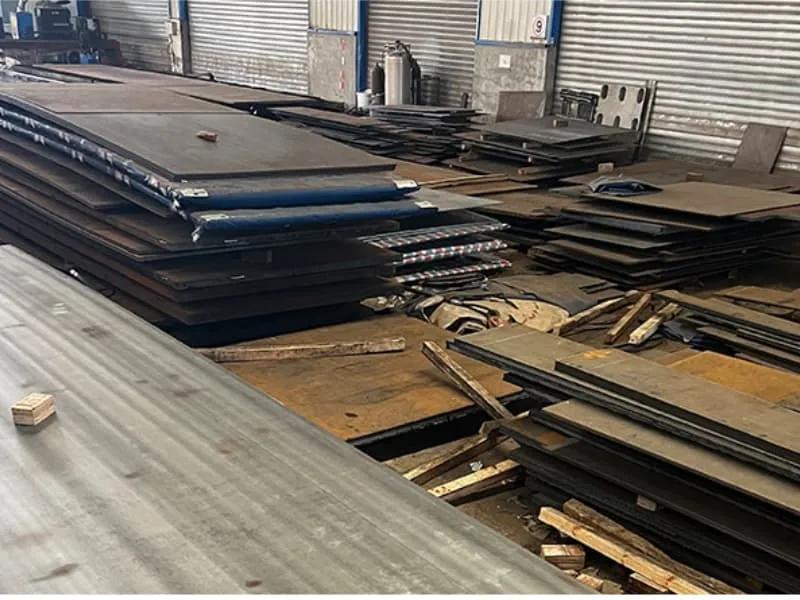
Comprehensive Comparison Between ABS and Mild Steel Plates
ABS plates and mild steel plates differ significantly in their production controls, property guarantees, and intended applications. Understanding these differences ensures proper material selection.
Certification and Quality Assurance
ABS plates require comprehensive certification from the American Bureau of Shipping. This involves surveyor oversight of manufacturing and testing. MS plates follow general material standards without third-party certification. ABS certification provides independent verification of quality and compliance. MS plates rely on manufacturer’s declaration of compliance.
Chemical Composition Controls
ABS plates have strict chemical composition limits. Carbon, manganese, silicon, phosphorus, and sulfur contents are carefully controlled. Copper, chromium, and nickel may be added for corrosion resistance. MS plates have broader composition ranges focused on cost-effectiveness. The controlled composition of ABS plates ensures consistent performance in marine environments.
Mechanical Property Guarantees
ABS plates guarantee specific mechanical properties including yield strength, tensile strength, and elongation. Impact toughness is verified at specified temperatures. MS plates typically guarantee only tensile strength and yield strength. The guaranteed toughness of ABS plates prevents brittle fracture in marine environments with dynamic loading.
Testing and Documentation Requirements
ABS plates undergo comprehensive testing for each heat and plate. Complete test certificates document all properties with ABS surveyor stamps. MS plates may be tested on a batch basis with less detailed documentation. The extensive testing of ABS plates provides confidence in material performance for critical applications.
Impact Toughness Standards
ABS plates must demonstrate adequate impact energy at service temperatures. Charpy V-notch testing verifies toughness at 0°C, -20°C, or lower depending on grade. MS plates have no specific impact requirements. This toughness ensures ABS plates withstand dynamic loads and low-temperature service without brittle fracture.
Traceability and Identification Systems
ABS plates feature permanent identification markings on each piece. Each plate can be traced to its original heat and production records. MS plates may have basic identification without full traceability. The complete traceability of ABS plates supports quality investigations and regulatory compliance.
Application Limitations and Service Conditions
ABS plates are qualified for marine applications including hull plating, decks, and structural components. MS plates serve general construction, manufacturing, and non-critical applications. Using MS plates in marine applications risks premature failure and regulatory non-compliance. ABS plates withstand the combined effects of corrosion, fatigue, and impact loading.
Cost Structure and Value Proposition
ABS plates command premium prices due to certification costs and enhanced properties. MS plates offer lower initial cost for non-critical applications. The higher cost of ABS plates reflects their verified quality and performance guarantees for demanding service conditions. Lifecycle cost analysis often favors ABS plates for marine applications despite higher initial investment.
| Characteristic | ABS Plate | MS Plate |
|---|---|---|
| Certification | ABS approval required | No third-party certification |
| Impact Toughness | Guaranteed at specific temperatures | Not specified |
| Traceability | Full heat-to-product traceability | Basic batch identification |
| Chemical Control | Strict composition limits | General composition ranges |
| Testing | Comprehensive for each plate | Basic mechanical testing |
| Applications | Marine structures, shipbuilding | General construction, fabrication |
Gulf Metal Solutions maintains separate inventory for ABS plates for shipbuilding and MS plates for shore-based applications. This segregation ensures they always use appropriate materials for each project type and service condition.
Conclusion
Identifying genuine ABS marine steel requires careful verification of certification, documentation, and material properties. Proper identification ensures vessel safety and regulatory compliance in marine applications.