
Finding reliable marine angle steel suppliers in China challenges many international buyers. Quality variations and communication barriers create procurement risks. The right supplier makes all the difference for shipbuilding projects.
The best marine angle steel suppliers in China include Baowu Group, Ansteel Group, and specialized marine steel manufacturers with ABS, DNV, and LR certifications. These suppliers offer high-quality AH32, AH36, DH32, and DH36 grade angle steels with complete documentation, competitive pricing, and reliable delivery for global shipbuilding projects.
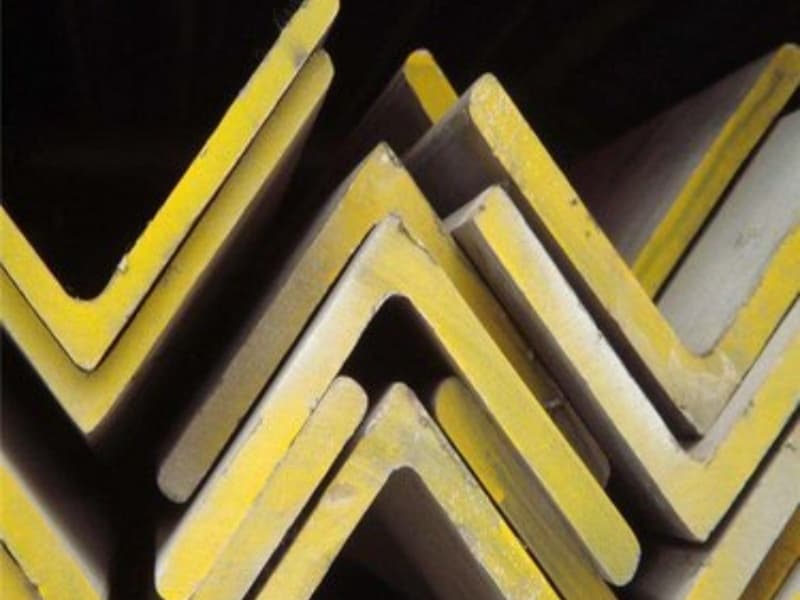
Selecting the right marine angle steel supplier requires understanding China’s steel industry landscape and quality standards. Let’s examine the key factors that determine supplier reliability and product quality.
What is the largest steel company in China?
Many buyers assume large steel companies always offer the best products. Size matters, but specialization often proves more important for marine applications.
China Baowu Steel Group1 is the largest steel company in China, formed by the merger of Baosteel and Wuhan Iron and Steel. With annual production exceeding 130 million tons, it leads global steel production and offers comprehensive marine steel products2 including certified angle steels for shipbuilding applications.
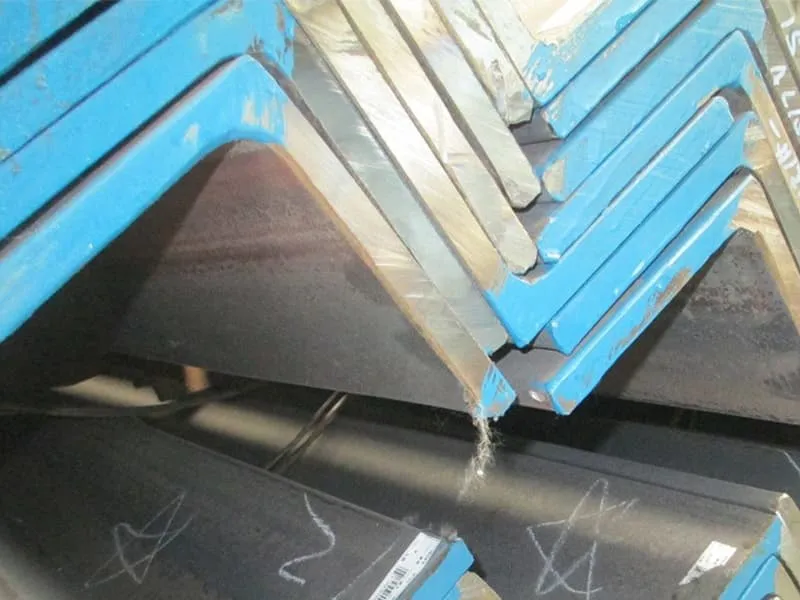
Comprehensive Analysis of China’s Steel Industry Leaders
China’s steel industry features several giant corporations, each with distinct strengths and specializations. Understanding their capabilities helps buyers make informed sourcing decisions.
Baowu Group Dominance and Capabilities
China Baowu Steel Group1 Corporation represents the world’s largest steel producer. The company resulted from the strategic merger of Baosteel and Wuhan Iron and Steel in 2016. Annual crude steel capacity exceeds 130 million metric tons. Baowu operates multiple advanced production bases across China. The group invests heavily in research and development for high-grade steel products. Their marine steel division3 produces ABS, DNV, and LR certified materials.
Ansteel Group4 Historical Significance
Ansteel Group4 (Angang Steel Group) ranks among China’s oldest and largest steel producers. The company traces its history to 1916 and occupies a crucial position in China’s industrial development. Annual production capacity approaches 40 million tons. Ansteel specializes in high-strength steel products for specialized applications. The company maintains strong technical capabilities in shipbuilding steel production. Their products serve domestic and international shipbuilding markets.
Hesteel Group5 Innovation Focus
Hesteel Group5 (formerly Hebei Iron and Steel) has emerged as a major player through consolidation and modernization. The company operates advanced production facilities with annual capacity over 30 million tons. Hesteel emphasizes environmental protection and technological innovation. Their marine steel products2 meet international classification society standards. The company has developed specialized production lines for shipbuilding profiles.
Shagang Group6 Private Sector Leadership
Shagang Group6 represents China’s largest private steel enterprise. The company has grown rapidly through strategic acquisitions and capacity expansion. Annual production capacity surpasses 40 million tons. Shagang focuses on product quality and customer service rather than sheer volume. Their marine steel division3 offers competitive pricing with reliable quality. The company maintains flexibility for customized orders.
Specialized Marine Steel Manufacturers
Beyond the giant corporations, specialized manufacturers7 serve niche marine markets. These companies typically operate medium-scale production facilities. They focus exclusively on marine and offshore applications. Their smaller size allows greater flexibility and specialized technical support. Many maintain multiple classification society certifications. They often provide better service for international buyers.
Geographical Distribution Advantages
Major steel producers cluster in specific regions with logistical advantages. Coastal locations like Shanghai, Tianjin, and Guangdong offer port access for exports. Traditional industrial bases in Liaoning and Hebei provide established infrastructure. Shandong province has emerged as a significant marine steel production hub. Location affects transportation costs and delivery timelines.
Certification and Quality Systems
Leading Chinese steel companies maintain comprehensive quality management systems. They hold ISO 9001 quality management certification8. Marine steel production requires specific classification society approvals. Regular audits ensure ongoing compliance with international standards. Advanced testing equipment verifies material properties. Complete documentation supports traceability requirements.
| Company | Annual Capacity | Marine Steel Specialization | Key Certifications |
|---|---|---|---|
| Baowu Group | 130+ million tons | Comprehensive marine products | ABS, DNV, LR, BV |
| Ansteel Group4 | 40 million tons | High-strength shipbuilding steel | ABS, DNV, GL, KR |
| Hesteel Group5 | 30 million tons | Advanced marine alloys | ABS, DNV, LR, RINA |
| Shagang Group6 | 40 million tons | Competitive marine grades | ABS, DNV, CCS, RS |
Our partnerships with multiple Chinese mills, including Baowu and specialized marine steel producers, ensure we can source the right materials for clients like Gulf Metal Solutions based on their specific project requirements.
Is Chinese steel1 as good as US steel?
Quality perceptions about Chinese steel1 vary widely among international buyers. The reality involves nuanced considerations beyond simple comparisons.
Modern Chinese steel1 equals US steel in quality for marine applications when produced by certified mills. Chinese mills use advanced technology and adhere to international standards. The key differentiator is the specific manufacturer’s quality control systems2 rather than the country of origin.
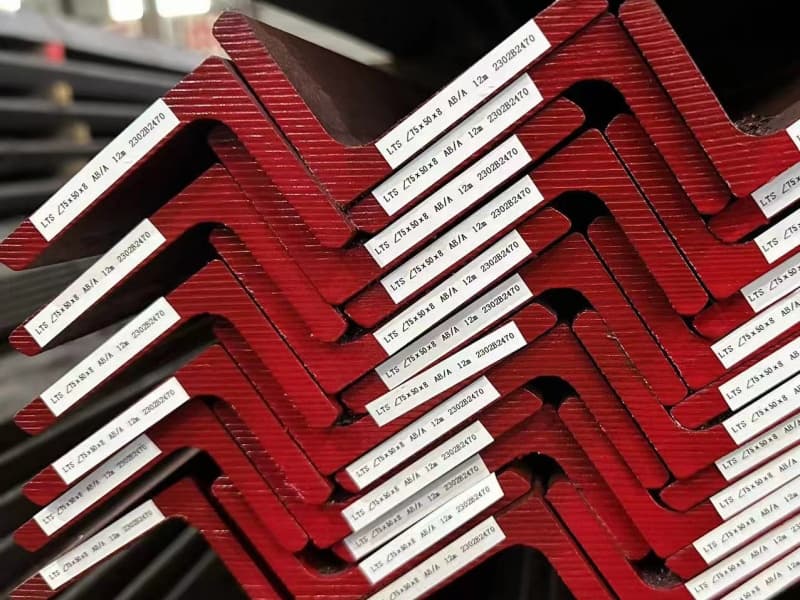
Detailed Quality Comparison: Chinese vs US Steel Products
The quality comparison between Chinese and US steel requires examining multiple factors including production technology3, quality control, and certification standards4.
Production Technology and Equipment
Modern Chinese steel1 mills employ world-class production equipment. Many new facilities feature advanced basic oxygen furnaces and continuous casting machines. Chinese companies have invested heavily in technology upgrades over the past decade. The equipment often matches or exceeds that found in US mills. Technological parity ensures comparable product quality when properly managed.
Quality Control Systems
Leading Chinese steel1 manufacturers implement rigorous quality control procedures. They employ statistical process control methods similar to US practices. Automated testing equipment ensures consistent measurement accuracy. Quality management systems typically hold ISO 9001 certification. The systems focus on preventing defects rather than detecting them after production.
Classification Society Certification
Marine steel quality gets verified through international classification societies. ABS, DNV, LR, and other societies certify Chinese mills to the same standards as US producers. Surveyors conduct regular audits and witness testing. Certified materials must meet identical requirements regardless of origin. This third-party verification ensures consistent quality standards.
Chemical Composition Control
Chinese marine steels maintain precise chemical composition within specification limits. Elemental analysis shows consistency across production batches. Impurity elements like phosphorus and sulfur get controlled to low levels. Alloying elements adhere to classification society requirements. The controlled chemistry ensures predictable mechanical properties and performance.
Mechanical Property Consistency
Certified Chinese marine steels demonstrate consistent mechanical properties. Tensile strength, yield strength, and elongation values fall within specified ranges. Impact toughness meets required energy absorption levels. Testing frequency matches international standards. The property consistency supports reliable engineering design and fabrication.
Surface Quality and Dimensional Accuracy
Chinese marine angle steel exhibits good surface quality5 suitable for marine applications. Dimensional tolerances comply with international standards. Straightness and angular accuracy meet shipyard requirements. Surface defects get minimized through process controls and inspection. The physical characteristics support efficient shipbuilding operations.
Price and Value Considerations
Chinese steel1 typically offers significant cost advantages over US equivalents. The price difference stems from lower labor costs and economies of scale. However, price alone shouldn’t determine material selection. The total value includes quality consistency, delivery reliability, and technical support. Many buyers find Chinese steel1 provides excellent value for marine applications.
Supply Chain Reliability
Chinese steel1 mills have demonstrated improved delivery reliability in recent years. Production schedules accommodate international orders. Logistics networks support efficient global distribution. However, buyers should verify specific supplier capabilities rather than assume national characteristics. Established exporters typically provide reliable service.
| Quality Factor | Chinese Steel | US Steel |
|---|---|---|
| Production Technology | Advanced, modern equipment | Established, reliable technology |
| Quality Certification | International standards compliance | Domestic and international standards |
| Chemical Control | Precise composition management | Consistent chemistry control |
| Mechanical Properties | Meets classification requirements | Exceeds minimum standards typically |
| Price Level | Competitive pricing | Premium pricing |
| Delivery Lead Time | Generally shorter | Variable by manufacturer |
Our experience supplying Gulf Metal Solutions demonstrates that certified Chinese marine angle steel performs equivalently to materials from other regions when sourced from reputable manufacturers with proper quality systems.
Which is a great iron and steel centre in China?
China features several major iron and steel centers, each with distinct advantages for marine steel production1. Understanding these industrial hubs helps buyers identify optimal sourcing locations.
Shanghai-Baoshan2 represents a great iron and steel centre in China, housing Baowu Group3‘s flagship facilities. The region combines advanced production technology, port access, and technical expertise for high-quality marine steel production1, including certified angle steels for shipbuilding applications.
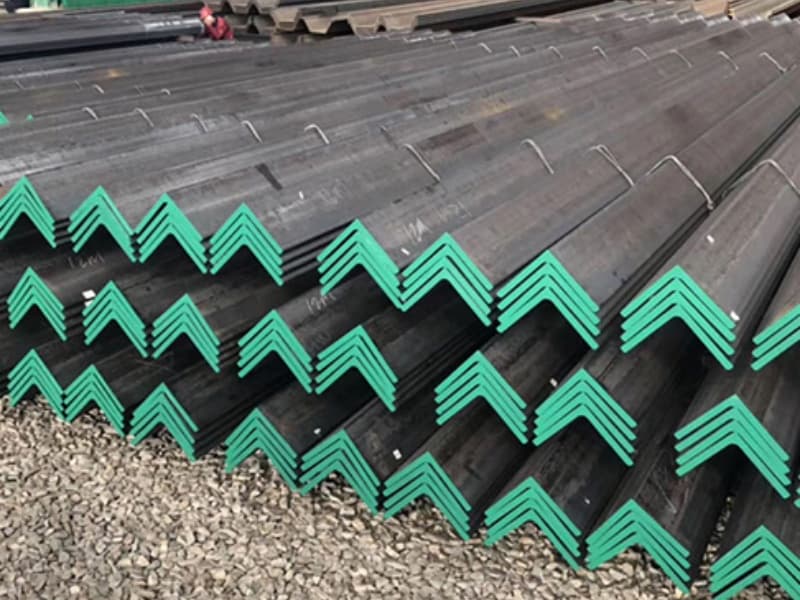
Major Chinese Steel Production Hubs and Their Characteristics
China’s steel industry concentrates in several key regions, each offering different advantages for marine steel procurement. Understanding these centers helps strategic sourcing decisions.
Shanghai-Baoshan2 Industrial Complex
The Shanghai-Baoshan2 area hosts China’s most advanced steel production facilities. Baowu Group3‘s Baoshan Base features state-of-the-art steelmaking technology. The location provides excellent port access for raw material imports and finished product exports. Technical expertise concentrates in this region due to proximity to research institutions. Marine steel production represents a significant specialization. The area offers comprehensive support services for international trade.
Tangshan-Hebei4 Production Cluster
Tangshan in Hebei province forms the world’s largest steel production cluster. The region produces approximately 10% of global steel output. Multiple large steel groups operate facilities in this area. The concentration creates competitive pricing and abundant supply. Logistics infrastructure supports domestic and international distribution. Environmental regulations have driven technology upgrades in recent years. Marine steel production has expanded as companies move up the value chain.
Liaoning-Anshan Traditional Base
Anshan in Liaoning province represents China’s oldest steel production base. Ansteel Group maintains its headquarters and major production facilities in this region. The area possesses rich iron ore resources and established industrial infrastructure. Traditional expertise in steel production supports quality consistency. Transportation networks connect to major Chinese ports. The region has deep experience in shipbuilding steel production.
Shandong Peninsula5 Emerging Hub
Shandong province has emerged as a significant steel production region. The coastal location provides logistical advantages for marine steel exports. Multiple medium-scale manufacturers specialize in steel profiles and sections6. The region shows strong growth in value-added steel products. Our operations in Liaocheng, Shandong benefit from this regional specialization. The area offers competitive production costs with quality standards.
Wuhan-Hubei7 Inland Center
Wuhan in Hubei province serves as an important inland steel production center. The merger creating Baowu Group3 integrated Wuhan’s steel operations. The Yangtze River waterway provides transportation access. The region has developed expertise in specific steel grades and applications. Technical universities support research and development activities. Marine steel production represents a growing focus area.
Regional Specialization Patterns
Different regions have developed specific steel product specializations. Coastal regions tend to focus on export-oriented products including marine grades. Traditional industrial bases maintain expertise in established product lines. Emerging hubs often concentrate on niche markets and customized products. Understanding these patterns helps identify optimal suppliers for specific requirements.
Infrastructure and Logistics Considerations
Production location affects logistics efficiency and costs. Coastal locations offer direct port access for international shipments. Inland centers rely on river transport or rail connections. Transportation time and costs vary significantly between regions. Buyers should consider total delivered cost rather than just production price.
Quality and Certification Variations
Certification levels and quality consistency may vary between regions. Established centers typically maintain comprehensive certification portfolios. Emerging regions may have more limited certification scope. Buyers should verify specific manufacturer capabilities rather than assume regional characteristics. Third-party inspection provides additional quality assurance.
| Production Center | Key Companies | Marine Steel Specialization | Logistics Advantages |
|---|---|---|---|
| Shanghai-Baoshan2 | Baowu Group3 | Comprehensive marine products | Direct port access, international trade |
| Tangshan-Hebei4 | Hesteel, local mills | Growing marine segment | Domestic distribution, competitive pricing |
| Anshan-Liaoning8 | Ansteel Group | Traditional shipbuilding steel | Established infrastructure, raw materials |
| Shandong Coast | Multiple specialized mills | Marine profiles and sections | Export logistics, flexibility |
| Wuhan-Hubei7 | Baowu facilities | Developing marine division | River transport, technical support |
Our location in Shandong provides optimal balance of production capability, quality standards, and logistical efficiency for serving international clients like Gulf Metal Solutions.
What is the common steel use in shipbuilding?
Shipbuilding requires specific steel grades that withstand marine environments and dynamic loads. Understanding common steel types helps proper material selection.
High-strength low-alloy (HSLA) steels1 like AH32, AH36, DH32, and DH36 are most common in shipbuilding. These steels offer excellent strength-to-weight ratios, good weldability, and impact resistance at low temperatures. They meet classification society requirements for hull structures, frames, and other ship components.
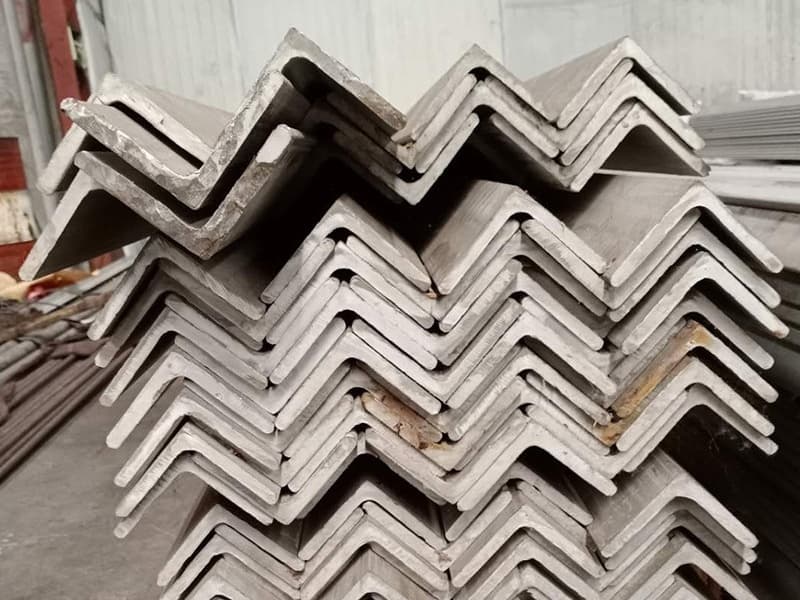
Comprehensive Guide to Shipbuilding Steel Applications
Modern shipbuilding employs specific steel grades engineered for the unique demands of marine service. Each grade serves particular applications based on strength, toughness, and corrosion resistance requirements.
Normal Strength Shipbuilding Steels2
Grade A, B, D, and E represent normal strength shipbuilding steels. Grade A serves general applications with impact testing at 0°C. Grade B offers improved quality for important structures. Grade D requires impact testing at -20°C for colder operations. Grade E demands testing at -40°C for severe environments. These grades provide 235 MPa minimum yield strength for various ship components.
High Strength Steel Categories3
High strength steels allow weight reduction through higher strength-to-weight ratios. AH32 and AH36 offer yield strengths of 315 MPa and 355 MPa with impact testing at 0°C. DH32 and DH36 provide the same strength levels with testing at -20°C. EH36 extends testing to -40°C for arctic service. The higher strength enables lighter structures or increased payload capacity.
Chemical Composition Specifications4
Shipbuilding steels feature controlled chemical compositions. Carbon content typically ranges from 0.16% to 0.21% maximum depending on grade and thickness. Manganese content varies from 0.70% to 1.60% based on strength requirements. Silicon, phosphorus, and sulfur have strict maximum limits. Micro-alloying elements like niobium, vanadium, or titanium may enhance properties.
Application-Specific Steel Selection5
Different ship areas require specific steel grades. Hull plating typically uses AH32 or AH36 grades. Deck structures may use higher strength grades for weight savings. Ice-class vessels require DH or EH grades for low-temperature toughness. Tank boundaries need specific corrosion resistance properties. Each application gets matched with appropriate material specifications.
Angle Steel Applications in Shipbuilding6
Marine angle steel serves multiple structural purposes. It forms framing members for hull structures. It creates brackets and reinforcements at connection points. It builds support structures for equipment and systems. Angle steel provides edge reinforcement for openings and cutouts. The material must maintain strength and toughness in marine environments.
Quality and Certification Requirements7
Shipbuilding steels require certification from classification societies. ABS, DNV, LR, and other societies set material standards. Manufacturers must demonstrate consistent compliance through testing and documentation. Regular audits ensure ongoing quality maintenance. Certified materials provide assurance of performance and safety compliance.
Fabrication Considerations8
Shipbuilding steels must accommodate fabrication processes. Weldability requirements ensure proper joint performance during construction. Formability characteristics allow shaping without cracking or defects. Cutting and drilling operations must not compromise material properties. The steels must maintain properties through the entire fabrication sequence.
| Steel Grade | Yield Strength | Impact Test Temperature | Common Ship Applications |
|---|---|---|---|
| AH32 | 315 MPa | 0°C | General hull structures, warm waters |
| AH36 | 355 MPa | 0°C | Main hull plating, decks |
| DH32 | 315 MPa | -20°C | Cold climate vessel structures |
| DH36 | 355 MPa | -20°C | Deck plating, frames in cold waters |
| EH36 | 355 MPa | -40°C | Arctic vessel construction |
We supply all common shipbuilding steel grades to clients like Gulf Metal Solutions, helping them select optimal materials based on their specific vessel types and operating routes.
Conclusion
Selecting the best marine angle steel suppliers in China requires evaluating certification, quality systems, and production capabilities rather than just company size or location.
-
Explore this link to understand the advantages and applications of HSLA steels in shipbuilding. ↩ ↩ ↩ ↩ ↩ ↩ ↩ ↩ ↩ ↩ ↩ ↩ ↩
-
Learn about the different grades of normal strength steels and their specific uses in shipbuilding. ↩ ↩ ↩ ↩ ↩ ↩ ↩ ↩
-
Discover how high strength steels contribute to weight reduction and structural integrity in ships. ↩ ↩ ↩ ↩ ↩ ↩ ↩ ↩
-
Understanding the chemical makeup of shipbuilding steels is crucial for material selection and performance. ↩ ↩ ↩ ↩ ↩ ↩ ↩
-
Find out how different ship areas require tailored steel grades for optimal performance. ↩ ↩ ↩ ↩ ↩ ↩
-
Explore the versatile uses of angle steel in ship structures and its importance in marine environments. ↩ ↩ ↩ ↩ ↩
-
Learn about the standards and certifications that ensure the quality and safety of shipbuilding materials. ↩ ↩ ↩ ↩
-
Discover the essential fabrication processes that affect the performance of shipbuilding steels. ↩ ↩ ↩