
Shipbuilders face constant budget pressure from fluctuating steel prices. Understanding 2025 price trends helps strategic procurement planning. Many projects get delayed due to unexpected material cost increases.
Marine angle steel prices in 2025 range from $650 to $950 per ton depending on grade, certification, and quantity. ABS-certified AH36 angle steel averages $780-$880 per ton, while standard grades cost $650-$750. Prices fluctuate based on raw material costs, energy prices, and global demand patterns throughout the year.

Predicting marine steel prices requires analyzing multiple market factors and industry trends. Let’s examine the key questions that influence 2025 pricing and future market directions.
Are steel prices going up in 2025?
Many shipyards worry about budget overruns from rising steel costs. Current market indicators suggest careful planning for moderate price increases.
Yes, steel prices are expected to increase moderately throughout 2025. Industry analysts project 5-8% price growth due to rising raw material costs, environmental compliance expenses, and sustained demand from construction and manufacturing sectors. However, prices will remain below 2022 peak levels.
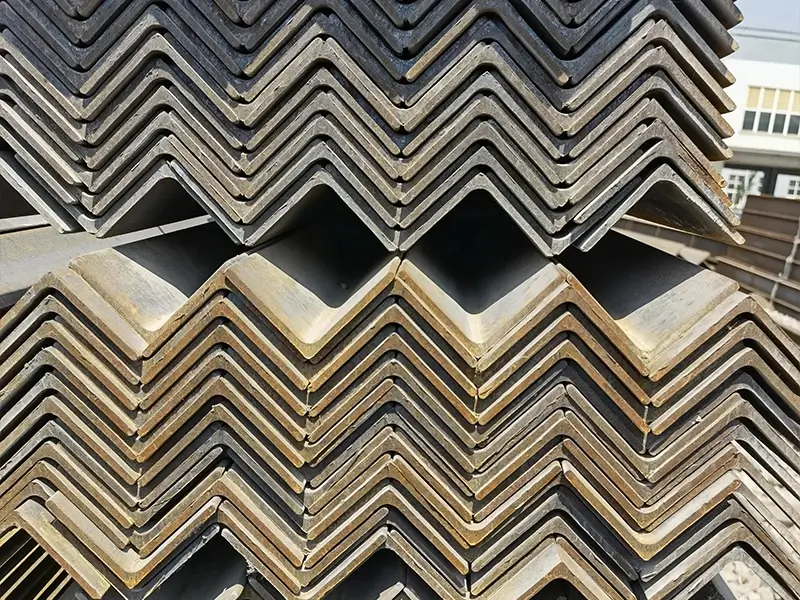
Comprehensive Analysis of 2025 Steel Price Direction
Multiple economic and industry factors point toward continued steel price increases in 2025, though the growth rate should remain moderate compared to previous volatile periods.
Raw Material Cost Pressures
Iron ore prices have shown upward momentum through 2024. Major mining companies report production constraints and increased operating costs. Coking coal prices remain elevated due to supply chain disruptions and transportation challenges. Scrap steel prices continue rising as collection costs increase and quality standards tighten. These fundamental cost increases inevitably transfer to finished steel products.
Energy and Production Cost Inflation
Steel manufacturing remains energy-intensive, and electricity costs continue rising globally. Natural gas prices affect direct reduced iron production costs. Environmental compliance costs increase as mills invest in emission control systems. Labor costs rise amid skilled worker shortages in many production regions. These operational expenses contribute to finished steel price increases.
Demand Side Factors
Construction activity remains strong in emerging markets, particularly Southeast Asia and Middle East. Infrastructure development programs in multiple countries sustain steel demand. Automotive industry recovery supports flat steel product demand. Shipbuilding industry shows steady growth with increased new vessel orders. These demand factors create upward price pressure throughout 2025.
Supply Chain and Logistics Costs
Ocean freight rates remain volatile with geopolitical tensions affecting key shipping routes. Port congestion issues continue in some major export regions. Insurance costs increase for international steel shipments. Customs clearance procedures become more complex in some markets. These logistical challenges add costs throughout the supply chain.
Environmental Policy Impacts
Carbon emission regulations become stricter in major steel producing countries. Mills face increasing costs for emission allowances and carbon taxes. Energy efficiency requirements force capital investment in newer technologies. Circular economy initiatives increase recycling and processing costs. These environmental factors contribute to long-term price increases.
Currency Exchange Rate Effects
US dollar strength affects steel pricing in international markets. Chinese yuan fluctuations influence export pricing strategies. European currency volatility impacts regional steel trade. Exchange rate movements can either amplify or dampen underlying price trends depending on market conditions.
Regional Price Variations
Different regions experience varying price increase rates. Asian markets may see more moderate increases due to production capacity. European prices face stronger upward pressure from energy costs. North American markets show mixed trends based on domestic production and import competition. Buyers should monitor regional specific factors.
| Price Driver | Impact Level | Expected Trend |
|---|---|---|
| Raw Materials | High | Continued increase |
| Energy Costs | High | Moderate rise |
| Environmental Compliance | Medium | Steady increase |
| Demand Growth | Medium | Stable to strong |
| Logistics | Medium | Volatile but elevated |
| Currency Effects | Variable | Region dependent |
Our clients like Gulf Metal Solutions use this analysis to plan their procurement schedules and budget for expected price increases throughout 2025.
What is the price of hot rolled steel in 2025?
Hot rolled steel serves as the base material for many marine steel products. Understanding its price trends helps predict finished product costs.
Hot rolled steel prices in 2025 range from $580 to $720 per ton for standard commercial quality. Prices vary by region, with Chinese export prices at $580-$650, European prices at $650-$720, and US domestic prices at $620-$690. Premium grades and certified materials command additional price premiums.
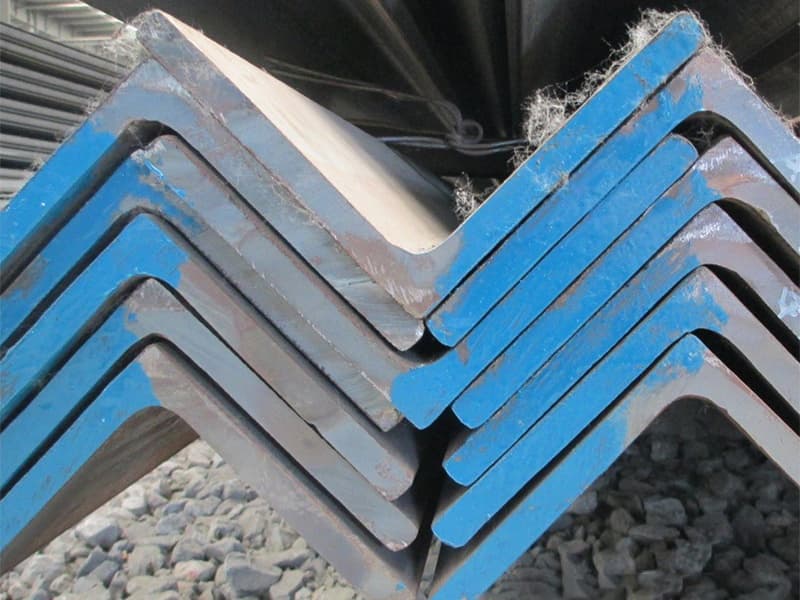
Detailed Hot Rolled Steel Pricing Analysis for 2025
Hot rolled steel represents the fundamental building block for many industrial applications, with prices influenced by multiple market factors and regional characteristics.
Regional Price Variations
Chinese hot rolled steel exports typically offer the most competitive pricing. Prices range from $580 to $650 per ton FOB main ports. European domestic prices reflect higher energy and compliance costs at $650 to $720 per ton. United States prices balance between domestic production and imports at $620 to $690 per ton. Southeast Asian prices track Chinese export levels with slight premiums for logistics.
Quality and Specification Premiums
Standard commercial quality hot rolled coil represents the baseline price. Structural quality material commands $20-$40 per ton premium for improved internal soundness and consistency. Pickled and oiled material adds $30-$50 per ton for surface preparation. Ultra-thick or ultra-thin specifications involve additional processing costs. Special chemical compositions for specific applications carry significant premiums.
Quantity and Contract Terms
Spot purchases typically incur 3-5% premium over contract prices. Large volume contracts (5,000+ tons) receive best pricing through volume discounts. Quarterly contracts provide price stability but may not capture market downturns. Just-in-time delivery requirements often involve additional logistics charges. Payment terms affect final landed costs through financing considerations.
Mill Type and Production Method Differences
Integrated steel mills (blast furnace route) typically offer most competitive pricing for large volumes. Electric arc furnace mills provide flexibility for smaller batches and specialty grades. Mini-mills often compete effectively on regional basis with lower overhead costs. Production method affects cost structure and pricing flexibility.
Market Timing and Inventory Cycles
First quarter prices often reflect post-holiday production resumption and inventory rebuilding. Second quarter typically shows strongest demand from construction season. Third quarter may experience seasonal softening in some regions. Fourth quarter prices reflect year-end inventory management and budget cycles. Strategic purchasing can capture seasonal price variations.
Raw Material Cost Pass-Through
Iron ore price changes typically affect hot rolled prices after 2-3 month lag. Scrap price movements impact electric arc furnace production costs more immediately. Energy cost increases transfer to finished prices within current production cycles. Environmental compliance costs get amortized over production volumes.
Logistics and Distribution Costs
Inland transportation from mill to port adds $15-$30 per ton for export materials. Ocean freight varies by route and vessel availability. Port handling and documentation charges affect final delivered cost. Insurance costs typically range from 1-2% of material value. These logistics elements significantly impact total procurement cost.
| Product Specification | Price Range per Ton | Key Applications |
|---|---|---|
| Commercial Quality HRC | $580-$650 | General fabrication, construction |
| Structural Quality HRC | $600-$670 | Building frames, industrial equipment |
| Pickled and Oiled HRC | $630-$700 | Automotive, exposed applications |
| Ultra-thick HRP (50mm+) | $680-$750 | Heavy construction, shipbuilding |
| Special Chemistry HRC | $650-$800 | Pressure vessels, specific applications |
We help clients like Gulf Metal Solutions navigate these price variations by selecting optimal specifications and timing purchases to balance cost and project requirements.
What is the steel outlook for 2026?
Planning beyond 2025 requires understanding longer-term steel market trends. The 2026 outlook shows both challenges and opportunities for marine steel buyers.
The steel outlook for 2026 suggests continued moderate price increases of 4-6%, with strong demand from infrastructure and renewable energy sectors. Supply side challenges include environmental compliance costs and energy price volatility, while demand growth comes from global infrastructure development and energy transition projects.
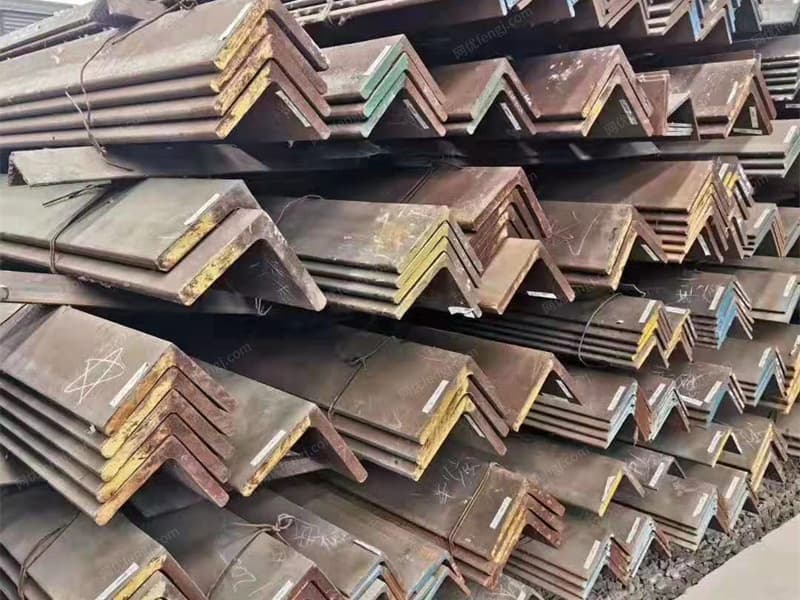
Comprehensive 2026 Steel Market Forecast and Analysis
The 2026 steel market appears positioned for steady growth with specific sector variations and ongoing transformation driven by technological and environmental factors.
Demand Sector Analysis
Infrastructure development continues driving steel demand globally. Transportation projects including bridges, tunnels, and railways require significant steel volumes. Building construction shows mixed patterns with residential softening but commercial and industrial strength. Automotive sector transformation toward electric vehicles alters steel product mix requirements. Renewable energy expansion, particularly offshore wind, creates new demand for specialized steel products.
Supply Side Evolution
Traditional integrated steel mills face increasing environmental compliance costs. Electric arc furnace capacity expands, particularly using scrap-based production. Technological improvements increase production efficiency and product quality. Capacity rationalization continues in over supplied regions while strategic investments target growing markets. The industry structure evolves toward more specialized, value-added production.
Raw Material Market Trends
Iron ore prices expected to stabilize at moderate levels as new supply enters market. Scrap steel availability improves with better collection systems and processing. Metallurgical coal faces supply constraints and environmental scrutiny. Alternative iron production methods gain traction, particularly hydrogen-based direct reduction. Raw material cost structure shifts toward more recycled content.
Environmental Regulation Impact
Carbon border adjustment mechanisms affect international steel trade patterns. Emission trading scheme costs become significant factor in production economics. Energy efficiency standards drive technology upgrades and capital investment. Circular economy requirements increase focus on recyclability and lifecycle assessment. Environmental factors increasingly influence material selection decisions.
Technological Innovation Effects
Industry 4.0 technologies improve production efficiency and quality control. Advanced manufacturing techniques enable more complex and optimized designs. Digital platforms transform supply chain management and procurement processes. Material science advancements create new high-performance steel grades. Technology reduces some costs while enabling premium products.
Geopolitical and Trade Factors
Trade protection measures continue affecting steel flow patterns. Regional self-sufficiency initiatives influence investment decisions. Strategic competition shapes raw material access and technology transfer. International standards harmonization progresses but regional differences persist. Geopolitical factors create both opportunities and challenges for different market participants.
Marine Steel Specific Outlook
Shipbuilding industry shows steady growth with focus on efficiency and emissions reduction. Offshore wind expansion drives demand for specialized marine structures. Naval modernization programs support military shipbuilding. Cruise industry recovery continues supporting passenger vessel construction. Marine steel demand remains robust with specific quality requirements.
| Market Factor | 2026 Outlook | Impact on Marine Steel |
|---|---|---|
| Infrastructure Demand | Strong growth | Positive for structural shapes |
| Environmental Costs | Increasing | Higher production costs |
| Technology Adoption | Accelerating | Improved product quality |
| Trade Patterns | Evolving | Supply chain adjustments |
| Energy Transition | Expanding | New application opportunities |
Our strategic planning helps clients like Gulf Metal Solutions prepare for 2026 market conditions through supplier diversification and inventory management strategies.
Will steel prices increase?
This fundamental question concerns all steel buyers. Current market analysis suggests continued upward price pressure with some moderating factors.
Yes, steel prices will continue increasing through 2025 and into 2026 due to persistent cost inflation, environmental compliance expenses, and steady demand growth. However, the rate of increase should moderate compared to the volatile periods of 2021-2022, with annual growth projected at 5-8% rather than the dramatic spikes seen previously.
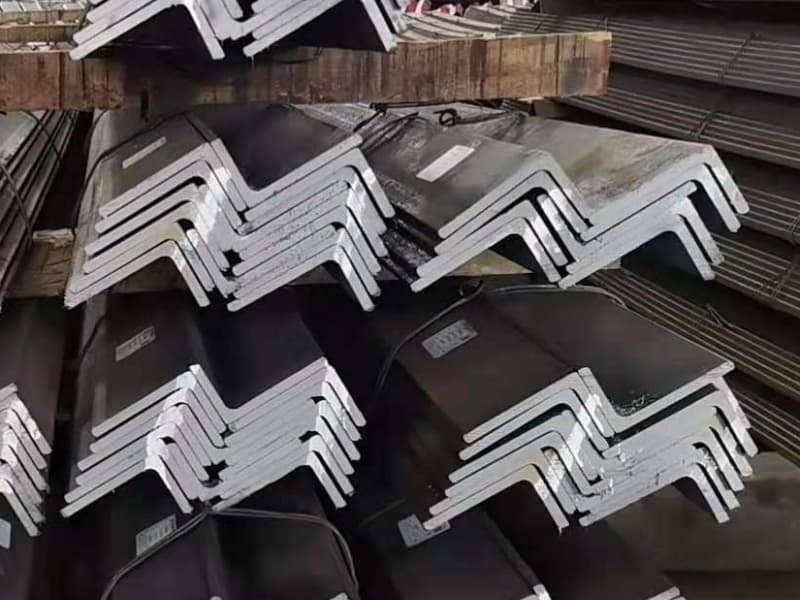
Multifactor Analysis of Steel Price Increase Drivers
Multiple structural and cyclical factors support continued steel price increases, though the magnitude and timing vary across products and regions.
Structural Cost Increases
Raw material costs show long-term upward trends due to depletion of high-quality reserves and increasing extraction costs. Energy prices face upward pressure from geopolitical factors and transition costs to renewable sources. Environmental compliance costs become permanent cost components as regulations tighten globally. Labor costs increase amid demographic changes and skilled worker shortages. These structural factors create persistent upward price pressure.
Cyclical Demand Patterns
Global economic growth, though moderating, continues supporting steel consumption. Infrastructure investment programs in multiple countries sustain construction steel demand. Manufacturing sector evolution toward more advanced products requires specialized steel grades. Inventory rebuilding cycles create periodic demand surges as supply chains normalize. These cyclical factors add volatility to underlying price trends.
Supply Side Constraints
Steel production capacity rationalization in some regions reduces surplus capacity. Environmental restrictions limit capacity additions in traditional production centers. Energy availability concerns affect production reliability in some regions. Logistics bottlenecks periodically disrupt supply chains and distribution. These constraints prevent supply from quickly responding to demand changes.
Market Structure Evolution
Industry consolidation in some regions reduces price competition among producers. Value-added specialization allows premium pricing for certified and engineered products. Digital platforms increase price transparency but also facilitate targeted pricing strategies. Contract terms evolve toward more flexible arrangements with price adjustment mechanisms. These structural changes affect how price increases manifest in different market segments.
Regional Variation Patterns
Asian markets may experience more moderate increases due to production capacity and competitive dynamics. European prices face stronger upward pressure from energy costs and environmental regulations. North American markets balance between domestic production costs and import competition. Emerging markets show varied patterns based on local economic conditions and currency factors. Understanding regional differences helps procurement planning.
Product Specific Considerations
Commodity grade products show more volatility but moderate trend increases. Engineered and certified products command stable premiums with less volatility. Specialty grades with limited production capacity face stronger price pressure. Product diversification helps manage overall cost increases through mix optimization.
Procurement Strategy Implications
Long-term contracts provide price stability but limit flexibility. Strategic inventory management can capture favorable pricing opportunities. Supplier diversification reduces risk from regional disruptions. Technical specification optimization can identify cost reduction opportunities. These strategies help manage the impact of price increases.
| Timeframe | Expected Increase | Primary Drivers |
|---|---|---|
| Q1 2025 | 2-3% | Post-holiday demand, inventory rebuilding |
| Q2-Q3 2025 | 3-4% | Construction season, raw material costs |
| Q4 2025 | 1-2% | Year-end inventory management |
| 2026 Full Year | 4-6% | Structural cost increases, steady demand |
We work with clients like Gulf Metal Solutions to develop procurement strategies that balance price risk management with operational requirements in this environment of continued price increases.
Conclusion
Marine angle steel prices show moderate increases through 2025-2026, requiring strategic procurement planning and supplier relationships to manage costs effectively.