
Importing marine steel from China seems complex for first-time buyers. Customs procedures, quality verification, and logistics create challenges. Proper planning ensures successful procurement.
Importing marine angle steel from China involves selecting certified suppliers, arranging quality inspection, handling export documentation, and managing international logistics. Key steps include supplier verification, price negotiation, shipping arrangement, customs clearance, and final delivery. Proper documentation and experienced partners streamline the process significantly.
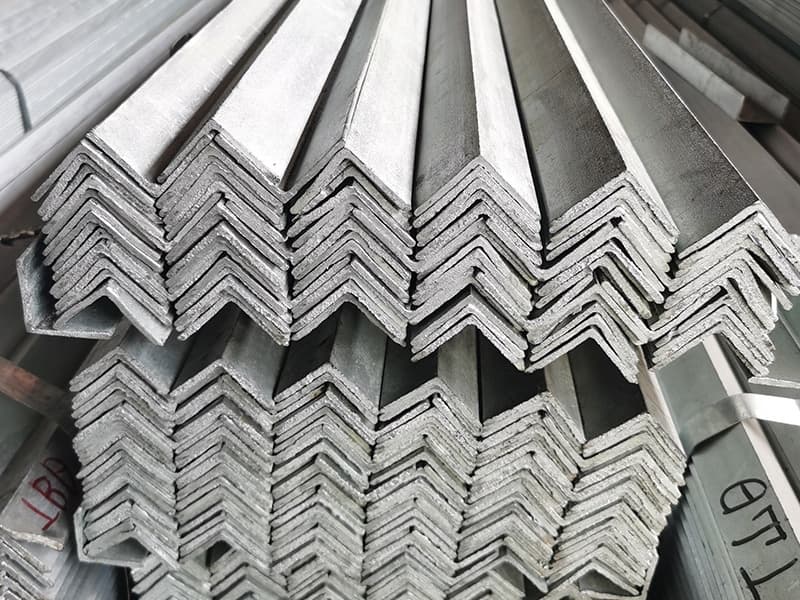
Understanding the complete import process helps avoid common pitfalls and ensures timely delivery. Let’s examine the key questions that determine import success.
What is the import duty for steel from China?
Import duties significantly affect total procurement costs. Many buyers underestimate these additional expenses when calculating budgets.
Import duty for steel from China varies by country, typically ranging from 0% to 25%. The United States applies 2-5% for most steel products, EU countries charge 0-3%, while some developing countries impose 10-25% protectionist tariffs. Specific rates depend on product classification and trade agreements.
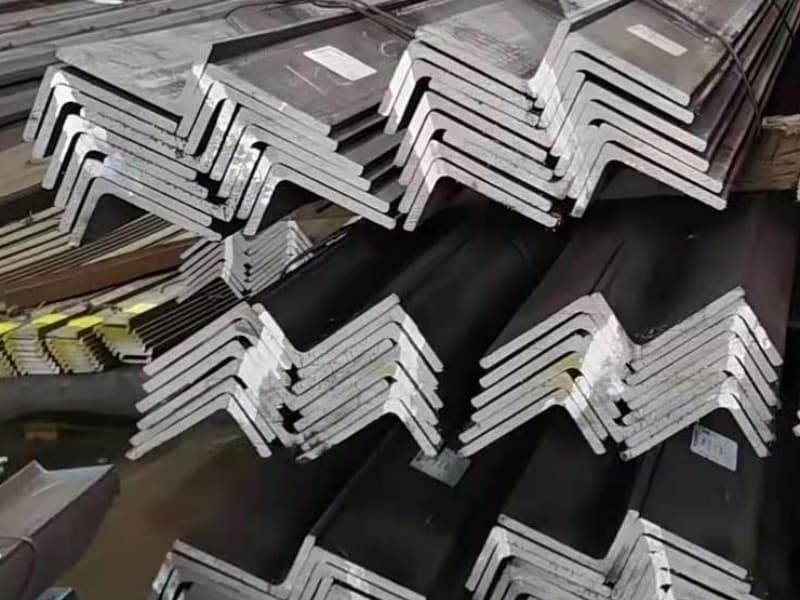
Comprehensive Guide to Steel Import Duties and Tariffs
Import duties represent a critical cost component in international steel procurement. Understanding tariff structures and calculation methods ensures accurate budgeting and compliance.
Harmonized System Code Classification
Steel products fall under specific HS codes that determine duty rates. Marine angle steel typically classifies under HS code 7216.50 for angles, shapes, and sections. Different countries may use variations of this classification system. Proper classification ensures correct duty application and avoids customs delays. Misclassification can lead to penalties and shipment holds.
Country-Specific Tariff Structures
United States tariffs for Chinese steel include basic MFN rates plus additional Section 232 tariffs. The combined rate typically reaches 25% for many steel products. European Union applies anti-dumping duties on certain Chinese steel products ranging from 0% to 35%. ASEAN countries often have 0-5% duties under free trade agreements. Middle Eastern countries typically charge 5-15% depending on local industry protection needs.
Trade Agreement Benefits
Many countries have bilateral trade agreements with China that reduce or eliminate duties. Regional Comprehensive Economic Partnership (RCEP) members enjoy preferential rates. ASEAN-China Free Trade Area provides duty-free access for qualifying products. Countries without trade agreements pay higher Most Favored Nation (MFN) rates. Understanding available preferences maximizes cost savings.
Anti-Dumping and Countervailing Duties
Many countries impose additional duties on Chinese steel products. These duties address alleged unfair trade practices like government subsidies and dumping. Rates vary by product and country, sometimes exceeding 100% of product value. Recent investigations focus on specific steel products rather than broad categories. Staying updated on current cases prevents unexpected cost increases.
Calculation Methodology
Import duties calculate as percentage of customs value (CIF value). The CIF value includes product cost, insurance, and freight charges. Some countries use different valuation methods for specific products. Additional taxes like VAT or sales tax may apply on the duty-inclusive value. Proper documentation ensures accurate valuation and duty calculation.
Duty Exemption Possibilities
Some countries offer duty exemptions for specific applications. Shipbuilding materials for export vessels may qualify for duty suspension. Materials for government projects sometimes receive special treatment. Temporary imports for processing and re-export may avoid duties. Researching available exemptions can significantly reduce costs.
Documentation Requirements
Proper documentation ensures smooth customs clearance and correct duty assessment. Commercial invoices must show accurate product descriptions and values. Certificates of origin determine eligibility for preferential rates. Packing lists help verify quantity and weight declarations. Import permits or licenses may be required for certain products.
| Country/Region | Basic Duty Rate | Additional Duties | Total Typical Rate |
|---|---|---|---|
| United States | 2-5% | Section 232: 25% | 27-30% |
| European Union | 0-3% | Anti-dumping: 0-35% | 3-38% |
| Saudi Arabia | 5% | None | 5% |
| Vietnam | 0-5% | None | 0-5% |
| Mexico | 10-15% | Anti-dumping: 0-50% | 10-65% |
Our experience helping Gulf Metal Solutions import into Saudi Arabia shows that proper HS code classification and documentation can streamline customs clearance and ensure predictable duty costs.
How can I import directly from China?
Direct importing from China offers cost savings but requires understanding the complete process. Many buyers attempt direct imports without proper preparation.
You can import directly from China by finding reliable suppliers, negotiating prices, arranging shipping and insurance, handling export documentation, and managing customs clearance. Key requirements include business registration, import licenses, tax identification, and understanding international trade procedures and regulations.
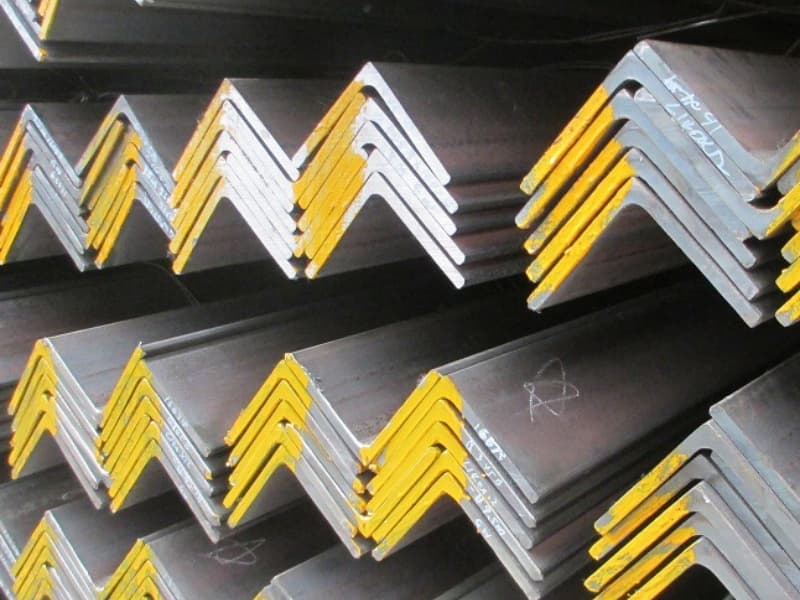
Step-by-Step Guide to Direct Importing from China
Direct importing requires careful planning and execution across multiple stages. Each step demands specific knowledge and attention to detail for successful outcomes.
Supplier Identification and Verification
Finding reliable suppliers represents the first critical step. Attend trade shows like Canton Fair to meet potential suppliers. Use B2B platforms like Alibaba but verify company credentials thoroughly. Check business licenses and production capabilities through video inspections. Review customer references and visit facilities when possible. Verify quality certifications like ISO 9001 and specific product certifications.
Product Specification and Quality Assurance
Clear specifications prevent misunderstandings and quality issues. Provide detailed technical requirements including dimensions, tolerances, and material grades. Specify testing requirements and certification needs like ABS or DNV approval. Arrange third-party inspection before shipment for quality verification. Define packaging requirements to prevent damage during transportation. Establish acceptance criteria and rejection procedures.
Price Negotiation and Contract Terms
Negotiate based on comprehensive cost understanding. Request detailed quotations showing product price, packaging, and inland transportation. Clarify payment terms: typically 30% deposit with balance before shipment. Define delivery timelines with penalties for delays. Include quality guarantees and dispute resolution mechanisms. Specify Incoterms that clearly define responsibility transfer points.
Shipping and Logistics Arrangements
Shipping method selection depends on urgency and cost considerations. Sea freight offers lowest cost for large volumes but takes 30-45 days. Air freight provides speed but costs 3-5 times more than sea transport. Multimodal transport combines different methods for optimal balance. Consider factors like port congestion, seasonal variations, and special equipment needs.
Documentation Preparation and Management
Proper documentation ensures smooth customs clearance. Commercial invoice must show accurate description and value. Packing list details contents, weights, and dimensions. Bill of lading or air waybill serves as title document. Certificate of origin determines duty eligibility. Insurance certificate protects against transit risks. Other documents may include phytosanitary certificates or special permits.
Customs Clearance Procedures
Customs clearance requires specific knowledge of import regulations. Hire experienced customs brokers to handle formalities. Provide complete and accurate documentation to avoid delays. Pay applicable duties and taxes promptly. Comply with product-specific regulations and standards. Prepare for possible physical inspection of goods.
Payment Processing and Risk Management
International payments involve specific procedures and risks. Letters of credit provide security but involve banking fees. Telegraphic transfers offer speed but less protection. Escrow services balance buyer and seller interests. Consider currency exchange risks and timing. Use credit insurance for large transactions.
Post-Import Considerations
After goods arrival, several tasks remain. Verify received quantity and quality against documentation. Arrange transportation from port to final destination. Handle returns or claims for non-conforming products. Maintain records for accounting and future reference. Build relationship with supplier for repeat business.
| Import Step | Key Activities | Potential Challenges |
|---|---|---|
| Supplier Selection | Verification, capability assessment | Fake suppliers, quality inconsistency |
| Order Placement | Contract negotiation, payment | Communication barriers, payment risks |
| Production | Quality control, progress monitoring | Delays, specification deviations |
| Shipping | Logistics arrangement, documentation | Port congestion, documentation errors |
| Customs Clearance | Duty payment, regulatory compliance | Classification disputes, additional duties |
We’ve helped numerous clients like Gulf Metal Solutions transition from using intermediaries to direct importing, providing guidance through each step of the process.
Who is the largest importer of Chinese steel?
Understanding global steel trade patterns helps position your imports within broader market context. Several countries dominate Chinese steel imports.
Vietnam is currently the largest importer of Chinese steel, followed by Philippines, Thailand, and South Korea. These countries import significant volumes for construction, manufacturing, and infrastructure development. Middle Eastern countries like Saudi Arabia and UAE also rank among top importers for oil and gas projects.
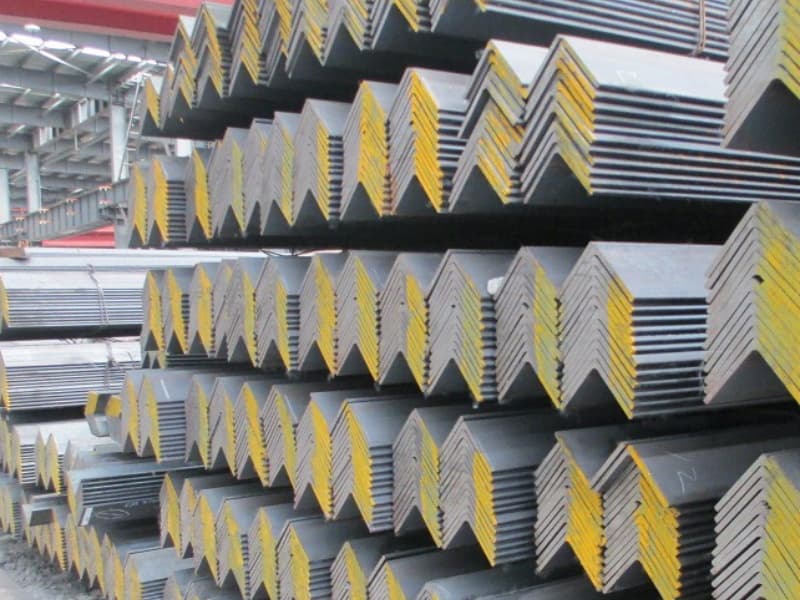
Analysis of Major Chinese Steel Importing Countries
Chinese steel exports flow to diverse global markets, with specific countries emerging as major importers based on economic development patterns and trade relationships.
Southeast Asian Dominance
Vietnam has emerged as the top importer of Chinese steel in recent years. Rapid infrastructure development and manufacturing growth drive substantial demand. The country imports both semi-finished and finished steel products. Geographical proximity reduces transportation costs and delivery times. Trade relationships facilitate smooth customs procedures and payments.
Philippines represents another major importer in the region. Construction boom and infrastructure programs require significant steel volumes. Shipbuilding industry development increases marine steel imports. Chinese steel offers competitive pricing compared to other sources. Cultural and business connections ease trade relationships.
Thailand maintains strong imports of Chinese steel for automotive and electronics manufacturing. Industrial estate development requires structural steel products. Thai-Chinese trade agreements facilitate smooth import procedures. Quality perceptions of Chinese steel have improved significantly in recent years.
Middle Eastern Markets
Saudi Arabia imports substantial Chinese steel for Vision 2030 projects. Oil and gas industry requires specialized steel products. Shipbuilding and repair industry demands marine-grade materials. Competitive pricing makes Chinese steel attractive for large projects. Logistics networks support efficient delivery to Middle Eastern ports.
United Arab Emirates serves as a redistribution hub for Chinese steel. Free trade zones facilitate re-export to other regional markets. Construction and infrastructure projects drive direct consumption. Quality requirements have increased as projects become more sophisticated.
Other Significant Importers
South Korea imports specific steel products from China despite being a major producer itself. Cost considerations drive imports of certain product categories. Specialized steel types sometimes source from Chinese manufacturers. Trade relationships balance competition and cooperation.
European countries import selected Chinese steel products despite trade barriers. Specific applications where Chinese manufacturers offer unique capabilities. Price competitiveness for certain standard products. Limited volumes due to anti-dumping measures and quality requirements.
Regional Pattern Analysis
Developing countries with rapid infrastructure growth represent the largest import markets. Geographical proximity influences trade volumes due to lower transportation costs. Trade agreements and relationships affect market access and duty structures. Quality requirements vary by market and application type.
Product Specialization by Market
Different import markets focus on specific product categories. Southeast Asia imports construction steel and manufacturing materials. Middle East requires oil country tubular goods and project materials. Africa imports basic construction products and infrastructure materials. Understanding these patterns helps Chinese exporters target appropriate markets.
Future Trends and Shifts
Import patterns evolve with economic development and trade policies. Some countries develop domestic production capacity over time. Trade disputes and tariffs redirect steel flows to alternative markets. Infrastructure development cycles create temporary demand surges in specific regions.
| Importing Country | Primary Products | Key Applications |
|---|---|---|
| Vietnam | Construction steel, hot rolled coil | Infrastructure, manufacturing |
| Philippines | Rebar, structural sections | Building construction, shipbuilding |
| Saudi Arabia | Line pipe, marine steel | Oil and gas, shipbuilding |
| Thailand | Automotive steel, galvanized products | Manufacturing, construction |
| South Korea | Specialty steel, plates | Shipbuilding, industrial equipment |
Our export patterns align with these market trends, with significant shipments to Vietnam, Saudi Arabia, and other developing markets with strong infrastructure growth.
How much is import duty tax from China?
Import duty tax represents a significant cost component in international procurement. Understanding calculation methods helps accurate budgeting.
Import duty tax from China typically ranges from 0% to 25% depending on product and destination country. Additional taxes may include value-added tax (VAT) of 5-20%, sales taxes, and possible anti-dumping duties. Total tax burden can reach 30-50% of product value in some high-tariff markets.
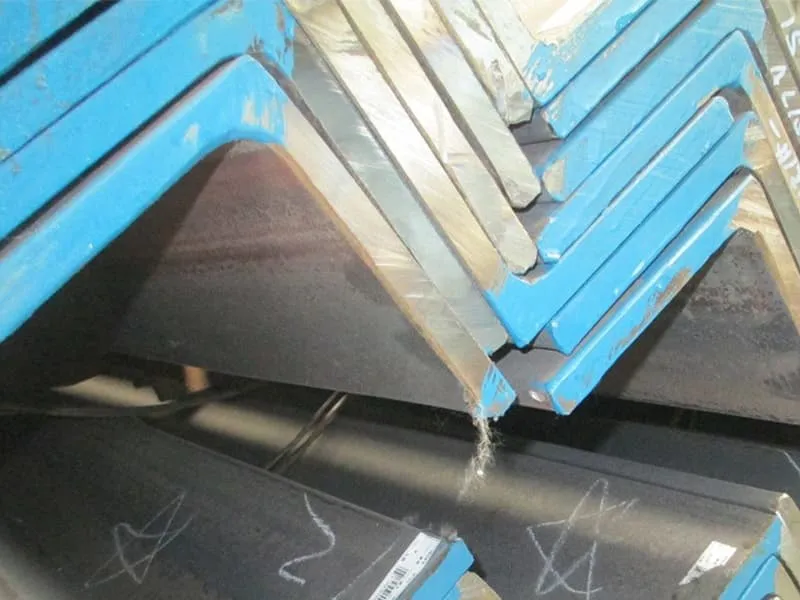
Comprehensive Analysis of Import Tax Components and Calculations
Import taxes comprise multiple components that vary by country and product type. Understanding each element ensures accurate cost forecasting and compliance.
Basic Customs Duty Structure
Customs duty represents the primary import tax component. Rates vary by product classification under the Harmonized System. Most favored nation (MFN) rates apply to WTO members without preferential agreements. Preferential rates available under free trade agreements can be significantly lower. Some countries apply compound duties combining percentage and specific amount per unit.
Value Added Tax Applications
VAT applies in most countries on the sum of CIF value plus customs duty. Standard VAT rates range from 5% to 27% globally. Some countries offer reduced VAT rates for specific products or applications. VAT typically qualifies for reimbursement when goods get used in manufacturing for export. Proper documentation ensures VAT recovery where applicable.
Additional Taxes and Fees
Sales tax or goods and services tax may apply in some jurisdictions. Excise taxes target specific products like energy-intensive materials. Environmental taxes or fees address ecological concerns. Administrative fees cover customs processing costs. Harbor maintenance fees apply in some port locations.
Anti-Dumping and Countervailing Duties
These additional duties address unfair trade practices. Anti-dumping duties counter below-cost pricing. Countervailing duties offset government subsidies. Rates can be substantial, sometimes exceeding 100% of product value. These duties apply to specific products from specific countries. Current cases require ongoing monitoring.
Calculation Methodology
Duties typically calculate as percentage of customs value. Customs value includes product cost, insurance, and freight (CIF basis). Some countries use different valuation methods for specific situations. Additional taxes often apply to the duty-inclusive value. Proper declaration ensures accurate assessment and avoids penalties.
Country-Specific Examples
United States charges Section 232 tariffs of 25% on most steel products plus basic duties. European Union applies VAT around 20% plus possible anti-dumping duties. Saudi Arabia charges 5% customs duty plus 15% VAT. Vietnam offers preferential rates under ASEAN-China FTA. Brazil maintains high tariffs for industry protection.
Duty Optimization Strategies
Proper classification under favorable HS codes can reduce duties. Utilizing free trade agreements requires certificate of origin. Foreign trade zones allow duty deferral until goods enter domestic market. Temporary admission procedures avoid duties for processing and re-export. Bonded warehouses provide storage without immediate duty payment.
Documentation Impact
Accurate commercial invoices prevent customs valuation disputes. Proper certificates of origin ensure preferential rate eligibility. Complete packing lists facilitate accurate quantity verification. Additional certificates may be required for specific products. Incomplete documentation causes delays and possible penalty assessments.
| Tax Type | Typical Rate Range | Calculation Base | Notes |
|---|---|---|---|
| Customs Duty | 0-25% | CIF Value | Varies by product and country |
| Value Added Tax | 5-27% | CIF Value + Duty | Often recoverable for businesses |
| Anti-dumping Duty | 0-200% | CIF Value | Product and country specific |
| Excise Tax | 0-10% | Various bases | Specific product categories |
| Administrative Fees | 0.1-1% | CIF Value | Customs processing costs |
Our clients like Gulf Metal Solutions benefit from our experience with various import markets, helping them anticipate total landed costs including all duties and taxes.
Conclusion
Importing marine angle steel from China requires understanding duties, procedures, and documentation. Proper planning and reliable partners ensure successful procurement and cost control.