
A shipowner recently asked me why his new vessel needed LR certification instead of ABS. The answer revealed crucial differences in steel standards.
ABS and LR marine angle steels follow different classification rules but share similar quality levels. ABS focuses on American standards with clear grade definitions, while LR emphasizes European requirements with stricter impact testing. Both ensure marine safety but suit different vessel types and operating regions.
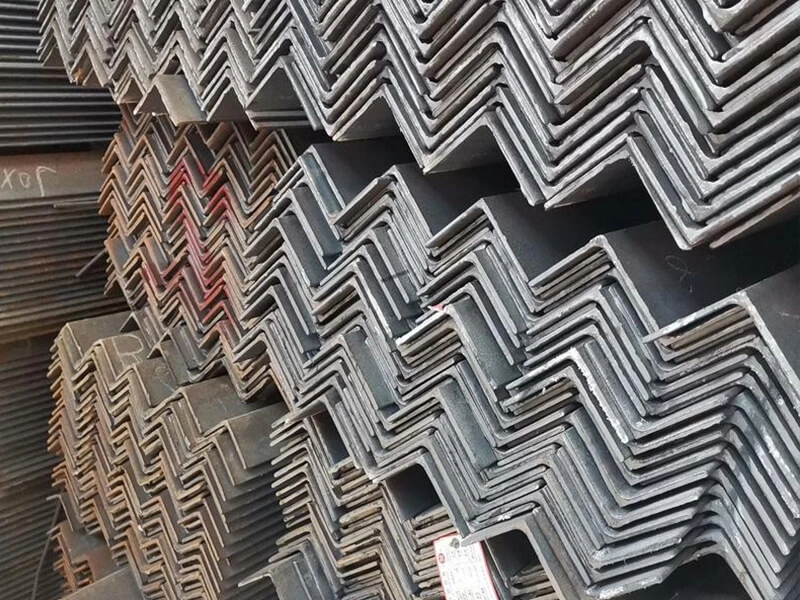
Choosing between classification societies affects your entire supply chain. Let me explain the key differences you need to know.
What is the difference between ABS Grade A and A36?
Many shipyards consider using A36 instead of ABS Grade A to save costs. This decision can lead to compliance issues and safety concerns.
ABS Grade A is marine-certified steel with impact testing requirements, while A36 is general structural steel without marine-specific testing. ABS Grade A has controlled chemical composition for weldability and guaranteed toughness at 0°C, making it safer for shipbuilding applications.

Detailed Analysis of ABS Grade A and A36 Steel Properties
The marine certification process creates significant differences in steel quality and performance characteristics.
ABS Grade A vs A36 Specification Table
| Property | ABS Grade A Marine Steel | A36 Structural Steel | Impact on Shipbuilding |
|---|---|---|---|
| Yield Strength | 235 MPa minimum | 250 MPa minimum | Structural design limits |
| Impact Testing | Required at 0°C | Not required | Cold water performance |
| Chemical Control | Strict composition limits | Broad ranges | Weldability and corrosion |
| Certification | ABS approval required | Mill certificate | Regulatory compliance |
| Surface Quality | Special cleaned | Commercial standard | Coating performance |
| Production Audit | Regular mill audits | No third-party audit | Quality consistency |
Yield strength differences affect structural calculations. A36 has slightly higher minimum yield strength at 250 MPa compared to ABS Grade A’s 235 MPa. However, this strength advantage doesn’t compensate for A36’s lack of marine-specific properties. Ship designers cannot use A36’s extra strength because classification societies don’t approve it for hull structures.
Impact testing represents the most critical difference. ABS Grade A must pass Charpy V-notch testing at 0°C with minimum 27 Joules energy absorption. This ensures the steel won’t become brittle in cold seawater. A36 has no impact test requirements, making it unreliable for ship structures that face dynamic wave loads.
Chemical composition controls ensure marine performance. ABS Grade A has strict limits on carbon, manganese, silicon, and other elements. These controls guarantee good weldability and corrosion resistance. A36 has broader composition ranges focused on cost-effective production rather than marine environment performance.
Certification requirements separate marine from structural steel. ABS Grade A requires approval from American Bureau of Shipping surveyors. They audit manufacturing processes and test procedures regularly. A36 needs only basic mill certification without third-party verification of marine suitability.
Surface quality standards differ significantly. ABS Grade A typically comes with improved surface preparation for better paint adhesion in marine environments. A36 has standard mill surface conditions that may require additional preparation for marine coating systems.
Production consistency varies between the grades. ABS-certified mills undergo regular audits to maintain consistent quality. A36 production focuses on commercial requirements without the rigorous quality systems needed for marine applications.
What is the best steel for ship building?
Shipowners often ask for the "best" steel, but the answer depends on vessel type, operating routes, and budget constraints.
The best steel for shipbuilding is AH36 high-strength marine grade for most commercial vessels. It offers excellent strength-to-weight ratio, good weldability, and worldwide classification society approvals. For specialized applications, consider DH36 for better low-temperature toughness or EH36 for Arctic operations.
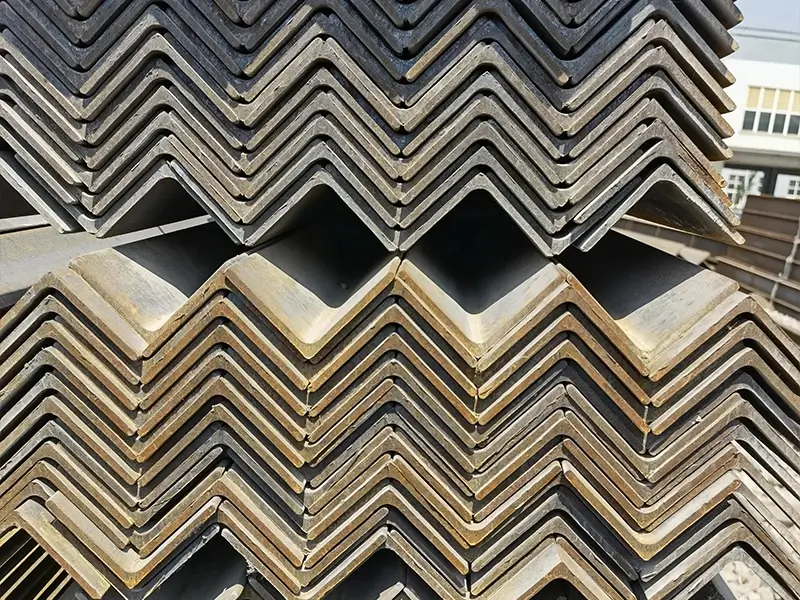
Comprehensive Guide to Optimal Steel Selection for Shipbuilding
Choosing the right steel involves balancing multiple factors to meet specific operational requirements and regulatory standards.
Shipbuilding Steel Grade Selection Table
| Vessel Type | Recommended Grade | Key Features | Cost Level | Classification Options |
|---|---|---|---|---|
| Coastal Vessels | Grade A or B | Basic marine properties | Low | ABS, LR, DNV |
| Container Ships | AH36 | High strength, weight saving | Medium | All major societies |
| Bulk Carriers | DH36 | Enhanced toughness | Medium-high | LR, DNV, NK |
| Tankers | AH36/DH36 | Good weldability | Medium | ABS, BV, IRS |
| Ice-Class Vessels | EH36 | Arctic performance | High | LR, RS, DNV |
| Naval Vessels | Special grades | Maximum strength | Premium | Military standards |
Coastal vessels benefit from ordinary strength grades. Grade A or B steel works well for short-sea shipping and inland water vessels. These grades provide adequate marine properties at lower costs. The operating environment is less demanding than open ocean conditions.
Container ships require high-strength steels like AH36. The strength advantage allows thinner hull plates, reducing weight significantly. This weight saving increases container capacity or improves fuel efficiency. Most container ship operators prefer AH36 for its balanced properties and widespread availability.
Bulk carriers often use DH36 for enhanced toughness. These vessels operate worldwide, including colder regions where improved impact resistance becomes valuable. The DH grade ensures structural integrity during heavy weather operations in the North Atlantic or Southern Ocean.
Tankers prioritize weldability and fatigue resistance. AH36 and DH36 both work well for oil and chemical tankers. The choice depends on trading patterns and owner preferences. We’ve supplied both grades to tanker builders with excellent results in service.
Ice-class vessels need EH36 or equivalent grades. The E-grade designation guarantees performance at -40°C, preventing brittle fracture in polar conditions. These steels cost more but are essential for safe Arctic operations. Special chemical compositions and manufacturing processes ensure reliable low-temperature performance.
Naval vessels use specialized high-strength steels. Military specifications often exceed commercial requirements for strength, toughness, and ballistic performance. These premium grades come with strict manufacturing controls and testing protocols.
What is ABS grade steel1?
Many people in the marine industry use the term "ABS grade steel1" without understanding what the certification actually involves.
ABS grade steel1 is marine steel certified by the American Bureau of Shipping2 meeting specific rules for chemical composition, mechanical properties, and manufacturing processes. ABS certification ensures the steel meets rigorous standards for shipbuilding applications, with grades ranging from ordinary strength (A, B, D, E) to high strength (AH32-40, DH32-40, EH32-40).
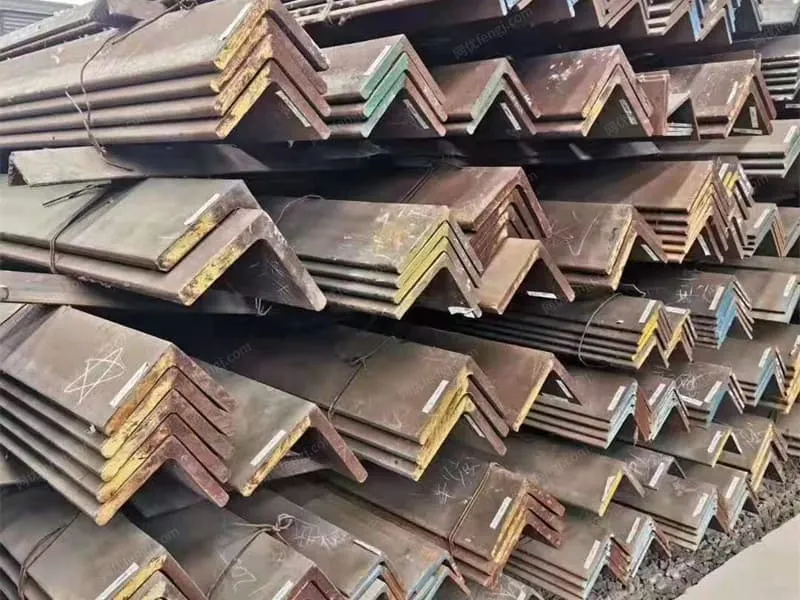
In-Depth Explanation of ABS Steel Certification System
ABS certification represents a comprehensive quality assurance system covering the entire steel manufacturing process3.
ABS Steel Grade Classification System
| Grade Type | Strength Level | Impact Test Temperature | Key Applications | Certification Requirements |
|---|---|---|---|---|
| Grade A | 235 MPa yield | Not required | Non-critical areas | Basic marine approval |
| Grade B | 235 MPa yield | 0°C optional | General hull plating | Standard certification |
| Grade D | 235 MPa yield | -20°C | Cold water operation | Enhanced testing |
| Grade E | 235 MPa yield | -40°C | Arctic vessels | Strict controls |
| AH36 | 355 MPa yield | 0°C | Main hull structures | High-strength approval |
| DH36 | 355 MPa yield | -20°C | Enhanced applications | Toughness verification |
Grade A represents the basic marine quality level. It has minimum yield strength of 235 MPa with controlled chemical composition. Grade A works for non-critical structures and areas with minimal dynamic loading. Many shipbuilders use it for secondary structures and interior components.
Grade B offers improved quality over Grade A. While strength remains at 235 MPa, Grade B has better internal quality and optional impact testing. It serves as the workhorse grade for many commercial vessels, providing good balance of performance and cost.
Grade D provides enhanced low-temperature toughness. The -20°C impact test requirement makes it suitable for vessels operating in cold waters. Grade D costs more than Grade B but prevents brittle fracture in challenging environments.
Grade E delivers maximum toughness for extreme conditions. The -40°C impact rating ensures performance in Arctic operations. Grade E requires strict manufacturing controls and comprehensive testing throughout production.
High-strength grades (AH/DH/EH) offer improved strength-to-weight ratios. The number indicates yield strength in MPa divided by 10 (AH36 = 355 MPa). These grades allow weight reduction while maintaining structural integrity. They dominate modern shipbuilding for their efficiency advantages.
Certification requires mill approval and continuous monitoring. ABS surveyors audit manufacturing facilities, review quality systems, and witness testing procedures. Certified mills must maintain consistent quality and undergo regular reassessment to keep their approval status.
What is the difference between Grade A and Grade B steel1?
Shipbuilders often face the choice between Grade A and Grade B steel1. The price difference seems small, but the performance implications are significant.
Grade A steel2 has basic marine properties without mandatory impact testing3, while Grade B steel1 offers improved quality with optional impact testing3 at 0°C. Grade B has better internal soundness4 and more consistent mechanical properties, making it safer for critical hull structures than Grade A.
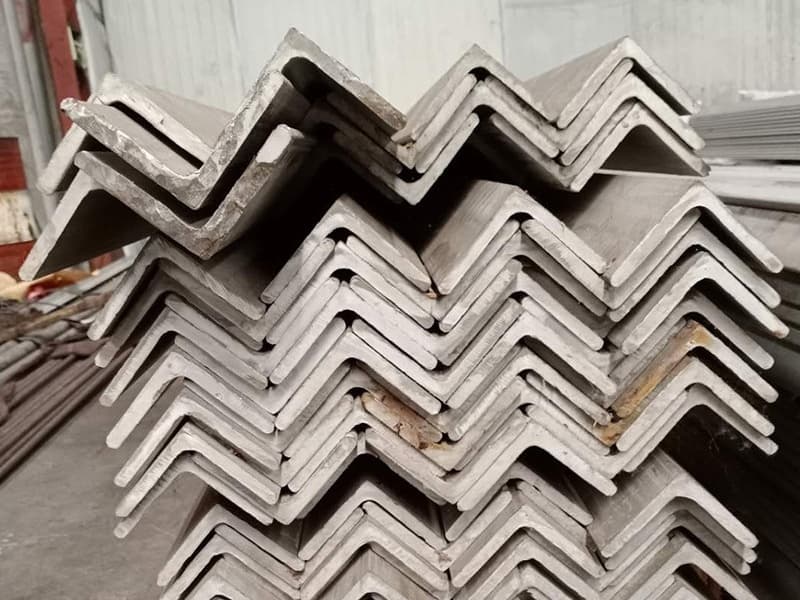
Comprehensive Comparison of Grade A and Grade B Steel Characteristics
The quality differences between these grades affect manufacturing processes, inspection requirements, and final application suitability.
Grade A vs Grade B Detailed Comparison Table
| Aspect | Grade A Marine Steel | Grade B Marine Steel | Practical Implications |
|---|---|---|---|
| Impact Testing | Not required | Optional at 0°C | Cold water performance |
| Internal Quality | Standard requirements | Improved soundness | Defect probability |
| Chemical Composition | Basic controls | Tighter ranges | Consistency |
| Production Cost | Lower | 5-10% higher | Project budgeting |
| Application Range | Limited | Wider | Design flexibility |
| Thickness Limits | More restrictive | Less restrictive | Structural options |
Impact testing availability represents the key operational difference. Grade B’s optional impact testing3 at 0°C provides assurance for vessels operating in cool waters. Grade A has no impact test requirements, making it unsuitable for dynamic loading in temperature-sensitive environments.
Internal quality standards differ between the grades. Grade B requires better internal soundness4 with stricter non-destructive testing requirements. This reduces the probability of internal defects that could grow into cracks during service. Grade A has standard quality requirements adequate for less critical applications.
Chemical composition controls affect material consistency. Grade B has tighter composition ranges, particularly for elements affecting weldability and toughness. This consistency ensures predictable performance during fabrication and throughout the vessel’s service life. Grade A has broader composition tolerances.
Production cost differences reflect manufacturing complexity. Grade B requires more careful process control and additional testing, increasing production cost5s by 5-10%. This cost premium buys better consistency and reliability for critical structures.
Application range varies significantly. Grade A works well for non-critical components, secondary structures, and vessels with limited service requirements. Grade B serves most hull structures, decks, and other primary members in commercial vessels.
Thickness limitations affect structural design. Grade A has more restrictive thickness limits for given applications. Grade B can be used in thicker sections while maintaining quality, providing more design flexibility for ship structures.
Our experience with Gulf Metal Solutions demonstrated the value of proper grade selection. They initially used Grade A for all applications but switched to Grade B for hull plating after experiencing quality variations. The upgrade cost 8% more but eliminated their quality issues completely.
Conclusion
Understanding ABS and LR steel differences ensures proper material selection for specific vessel requirements and operational regions.
-
Learn about the advantages of Grade B steel, especially its improved quality and safety for critical structures. ↩ ↩ ↩ ↩ ↩ ↩
-
Explore the properties of Grade A steel to understand its limitations and applications in shipbuilding. ↩ ↩
-
Discover the significance of impact testing in ensuring the safety and performance of marine steel in cold waters. ↩ ↩ ↩ ↩
-
Understand how internal soundness impacts the durability and reliability of steel used in shipbuilding. ↩ ↩
-
Examine the factors that affect the production cost of marine steel and how they relate to quality and performance. ↩