
Your inspection team is at the shipyard. A new shipment of marine angle steel has arrived. The clock is ticking. You need to accept or reject this material quickly. But what are the rules? What defines "acceptable"? Without clear acceptance criteria, every shipment becomes a judgment call, and every judgment call is a risk.
Acceptance criteria for marine angle steel in shipbuilding are defined by the combination of: 1) The purchase order specification (grade, dimensions, standard). 2) The classification society rules (ABS, LR, DNV) that govern the material’s certification. 3) The dimensional tolerances in the relevant standard (EN 10056, ASTM A6, JIS G 3192). 4) The visual quality requirements (surface condition, markings). Material must meet all these criteria to be accepted.
To apply these criteria, your team must understand the key decisions: which stainless grade is acceptable, what the marine grades mean, and when a cheaper grade might be used. Let’s start with the most common stainless question.
Is 304 or 316 stainless steel marine grade?
You are accepting a shipment of stainless steel angles for exterior railings. The certificate says 304. The order says 316. Is this acceptable? The answer is no, but understanding why helps you explain it to the supplier and your team.
Of the two, 316 stainless steel is considered the true marine grade1. Its addition of molybdenum (2-3%) provides significantly enhanced resistance2 to chloride-induced corrosion from saltwater. 304 lacks molybdenum and is susceptible to pitting and crevice corrosion in marine environments3. For shipbuilding applications exposed to seawater or marine atmosphere, only 316 is acceptable. 304 may only be accepted for interior, dry applications where salt exposure is minimal.
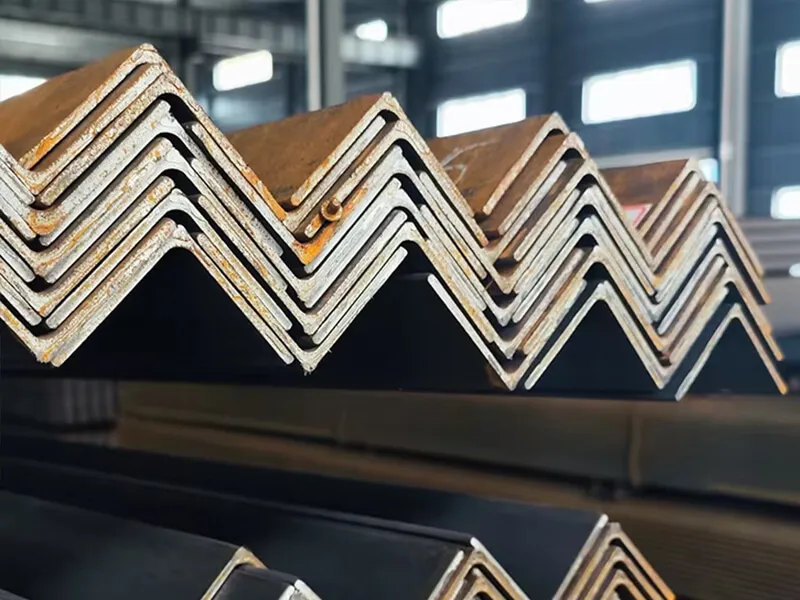
Acceptance Criteria for Stainless Steel Angles
This is a clear pass/fail decision.
| 1. When 316 is Required (Reject 304). | Application | Reason |
|---|---|---|
| Exterior railings | Direct exposure to salt spray and rain. | |
| Exterior fittings | Constant marine atmosphere. | |
| Seawater piping | Continuous immersion in saltwater. | |
| Deck equipment | Exposure to salt spray and mechanical wear. |
| 2. When 304 May Be Acceptable (Check Specification). | Application | Reason |
|---|---|---|
| Interior railings | No salt exposure. | |
| Galley equipment | Freshwater cleaning, minimal salt. | |
| Accommodation fittings | Controlled environment. | |
| If specified by design | Engineer may have specified 304 for a reason. |
3. What to Check on the Certificate.
- Grade: Does it say 304 or 316? If 316, is it 316L (low carbon for welding)?
- Chemistry: Verify molybdenum content. 316 should have 2-3% Mo. 304 should have 0%.
- Standard: Is it produced to an accepted standard (ASTM A276, EN 10088)?
| 4. Acceptance Decision Matrix. | Ordered | Delivered | Application | Decision |
|---|---|---|---|---|
| 316 | 304 | Exterior | Reject. Not marine grade. | |
| 316 | 304 | Interior, dry | Accept with deviation if approved by engineer. | |
| 304 | 316 | Any | Accept. 316 is better than specified. | |
| 304 | 304 | Interior, dry | Accept. | |
| 304 | 304 | Exterior | Reject. Will corrode. |
My Insight from the Field
A shipyard in Qatar once accepted a shipment of 304 stainless for exterior railings, thinking it was "close enough." Within two years, the railings were pitted and rusting. The owner demanded replacement at the shipyard’s expense. The cost was enormous. Now, their acceptance criteria are clear: exterior stainless must be 316, with certificate verification. No exceptions.
What are the grades of ship building steel?
You are inspecting a shipment of marine angle steel. The certificate says "Grade A." Is that acceptable for a hull structure? It depends on where it will be used. Understanding the grades helps you make the right call.
Shipbuilding steel grades are categorized by strength and toughness. Normal strength grades1 (A, B, D, E) have a minimum yield strength of 235 MPa. High strength grades2 (AH32, DH32, EH32, FH32, AH36, DH36, EH36, FH36) have yield strengths of 315 MPa (32) or 355 MPa (36). The letter indicates impact test temperature: A (0°C), D (-20°C), E (-40°C), F (-60°C). Acceptance depends on the grade specified in the design and the vessel’s operating environment.
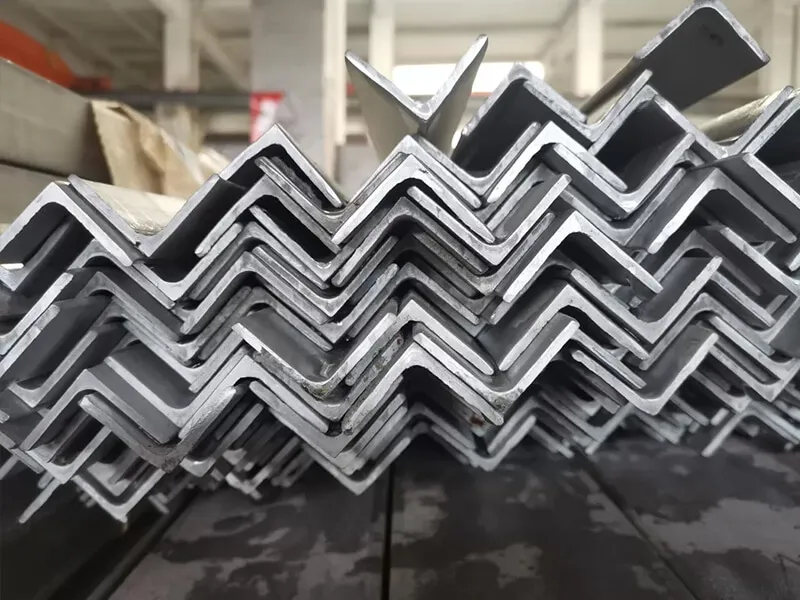
Acceptance Criteria Based on Grade
Each grade has its place. Acceptance is not about "better" or "worse," but about "correct for the application."
| 1. Normal Strength Grades. | Grade | Yield Strength | Impact Test | Typical Use |
|---|---|---|---|---|
| Grade A | 235 MPa | Not required | Internal structures, mild environments. | |
| Grade B | 235 MPa | Not required | Similar to A, less common. | |
| Grade D | 235 MPa | -20°C | Hull plating for ocean-going ships. | |
| Grade E | 235 MPa | -40°C | Critical areas, cold environments. |
| 2. High Strength Grades. | Grade | Yield Strength | Impact Test | Typical Use |
|---|---|---|---|---|
| AH32 | 315 MPa | 0°C | Higher strength in warm climates. | |
| DH32 | 315 MPa | -20°C | Higher strength for ocean-going. | |
| AH36 | 355 MPa | 0°C | High-strength, weight-saving in warm climates. | |
| DH36 | 355 MPa | -20°C | Most common for ocean-going vessels. | |
| EH36 | 355 MPa | -40°C | High-strength for cold climates. |
3. What to Check on the Certificate.
- Grade Designation: Does it match the purchase order? (e.g., "ABS DH36" not just "DH36")
- Impact Test Results3: Are they shown? At the correct temperature? Meeting minimum energy requirements?
- Yield and Tensile: Do they meet the grade requirements?
- Chemistry: Is carbon equivalent (CE) within limits?
| 4. Acceptance Decision. | Ordered | Delivered | Decision |
|---|---|---|---|
| DH36 | AH36 | Reject. Impact temperature is different (0°C vs -20°C). | |
| DH36 | DH36 | Accept. | |
| Grade A | Grade A | Accept for specified locations. | |
| Grade A | DH36 | Accept (better than required) but check if over-spec causes issues. |
My Insight from the Field
A shipyard in Thailand ordered DH36 for the entire hull of a new vessel. The supplier delivered a mix of DH36 and AH36. The inspector caught it by checking heat numbers against certificates. The AH36 pieces were rejected. The supplier had to replace them. Without the inspector, the AH36 would have been welded into the hull, creating a weak point in cold water. Grade verification is not optional.
What are the grades of marine steel plates?
You are inspecting a shipment that includes both plates and angles. The plate grades follow the same system as angles, but there are nuances. Understanding the full range helps you apply consistent acceptance criteria.
Marine steel plates use the same grade designation system as angles. Normal strength plates1 are Grades A, B, D, E. High strength plates2 are Grades AH32, DH32, EH32, FH32, AH36, DH36, EH36, FH36, and higher (40, etc.). The acceptance criteria are identical: the grade must match the order, the certificate must show required impact tests at the specified temperature, and the mechanical properties must meet the standard.
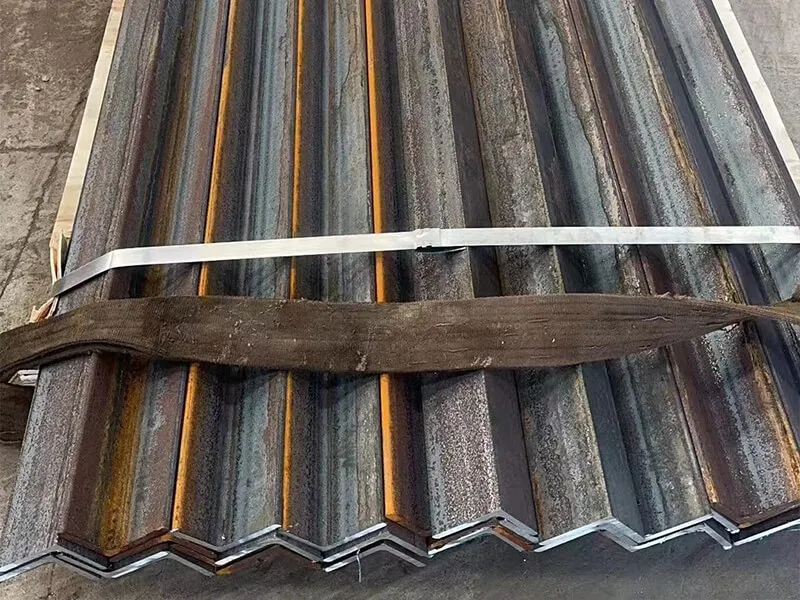
Consistency Across Product Forms
The grade system is consistent, which simplifies acceptance.
| 1. Grade Comparison: Plates and Angles. | Grade Type | Plate Designation | Angle Designation | Same Requirements? |
|---|---|---|---|---|
| Normal Strength | Grade A | Grade A | Yes | |
| Normal Strength | Grade D | Grade D | Yes | |
| High Strength | AH36 | AH36 | Yes | |
| High Strength | DH36 | DH36 | Yes |
2. What to Check for Plates.
- Dimensions: Thickness, width, length. Tolerances per standard (ASTM A6, EN 10029).
- Flatness: Plates must be flat within tolerance.
- Surface: No laminations, cracks, or excessive scale.
- Markings: Each plate stamped with grade, heat number, and mill ID.
3. Common Plate-Specific Issues.
- Thickness Variation: Plates can be rolled with thickness variations. Check at multiple points.
- Ultrasonic Testing3: For critical applications, plates may require UT to check for internal defects.
- Cut Edges: If plates are cut to size, check edge quality and squareness.
| 4. Acceptance Criteria Summary. | Criterion | Acceptance Standard |
|---|---|---|
| Grade | Must match order exactly. | |
| Certificate | Must show correct grade, impact tests, and properties. | |
| Dimensions | Within tolerances of specified standard. | |
| Surface | Free of defects that impair weldability or performance. | |
| Markings | Legible and traceable to certificate. |
My Insight from the Field
A client in Romania ordered DH36 plates and angles for a single project. The plates arrived with certificates from one mill, the angles from another. The inspector had to verify that both sets of certificates met the same DH36 requirements. They did. The client was able to proceed with confidence. This is the value of consistent acceptance criteria across all product forms.
Is 304 stainless steel ok for marine use?
This question comes up on every project. The budget is tight. 304 is cheaper. Can we use it just this once? The answer is always the same, but the pressure to accept it is real. Your acceptance criteria must be firm.
No, 304 stainless steel is generally not ok for marine use, especially in applications with direct and continuous exposure to saltwater. The chlorides in seawater cause pitting and crevice corrosion in 304, leading to premature failure. For shipbuilding, where components are expected to last the life of the vessel, 316 is the minimum acceptable grade for marine-exposed applications. 304 may only be accepted for interior, dry locations where salt exposure is minimal and the design life is shorter.
Why Acceptance Criteria Must Be Firm
The consequences of accepting 304 are severe.
1. The Mechanism of Failure.
- Pitting: Small pits form on the surface, growing deeper over time.
- Crevice Corrosion: In tight spaces (under fittings, at welds), corrosion accelerates.
- Result: Within months to a few years, the material becomes unsightly, weak, and may fail.
| 2. Cost of Failure. | Factor | Impact |
|---|---|---|
| Replacement Material | Cost of 316 is higher than original 304 saving. | |
| Labor | Removing old, installing new is expensive. | |
| Downtime | Vessel out of service during replacement. | |
| Reputation | Owner loses confidence in shipyard. |
| 3. When 304 Might Be Accepted. | Condition | Must Be Documented |
|---|---|---|
| Interior, dry location | Engineer’s written approval. | |
| Short-life component | Clear specification of design life. | |
| Non-critical application | Risk assessment accepted by owner. |
| 4. Acceptance Decision. | Application | 304 Delivered | Decision |
|---|---|---|---|
| Exterior railing | 304 | Reject. Will fail. | |
| Interior handrail | 304 | Accept with engineer’s approval. | |
| Galley equipment | 304 | Accept (freshwater exposure). | |
| Seawater piping | 304 | Reject. Will fail rapidly. |
My Insight from the Field
A shipowner once pressured a shipyard to accept 304 for exterior fittings to save $5,000. The shipyard refused, citing their acceptance criteria. The owner found another yard that accepted the substitution. Three years later, that owner was back, paying $50,000 to replace all the fittings. The original shipyard’s reputation for quality was enhanced. This is why firm acceptance criteria protect everyone in the long run.
Conclusion
Acceptance criteria for marine angle steel in shipbuilding are clear and objective. They are based on grade, certification, dimensions, and application. By applying these criteria consistently, shipyards ensure that only compliant, safe material enters their vessels.
-
Explore this link to understand the specifications and applications of normal strength plates in marine construction. ↩ ↩ ↩
-
Learn about high strength plates and their advantages in marine applications by visiting this informative resource. ↩ ↩ ↩
-
Find out how Ultrasonic Testing can help detect internal defects in marine steel plates, ensuring safety and reliability. ↩ ↩ ↩