
Leading paragraph:
Rust and damage during shipping cost you time and money. Let me show you how to avoid that.
Snippet paragraph:
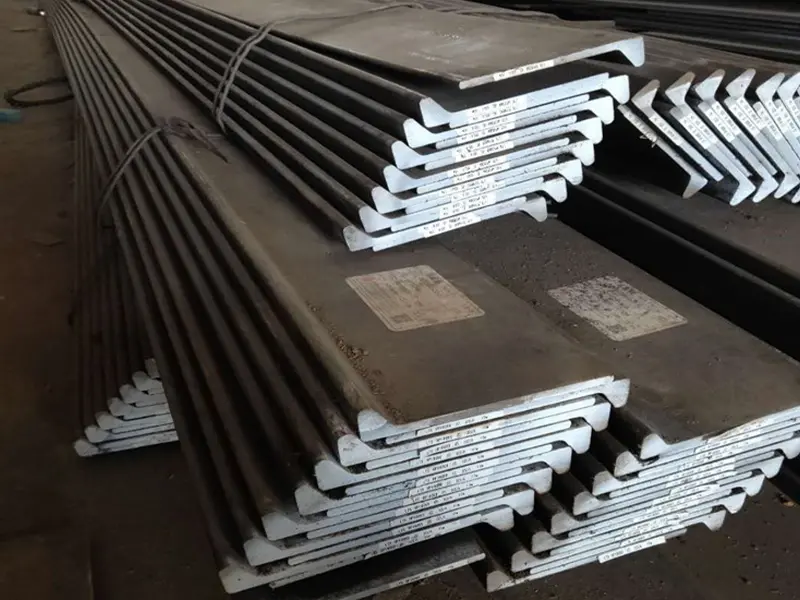
Minimum packaging for bulb flat steel includes VCI paper or oil coating, plastic or waterproof wrap, plywood or steel pallets, and strong steel straps. These steps stop rust and physical damage during ocean transit.
Transition Paragraph:
You might think any packaging works. But I have seen too many shipments arrive with orange rust and bent edges. Let me walk you through the exact standards that keep your steel safe from my factory in Liaocheng to your port.
What Are the Minimum Packaging Requirements to Prevent Rust and Damage?
Leading paragraph:
Rust is the biggest enemy of bulb flat steel. You need a real plan to stop it.
Snippet paragraph:
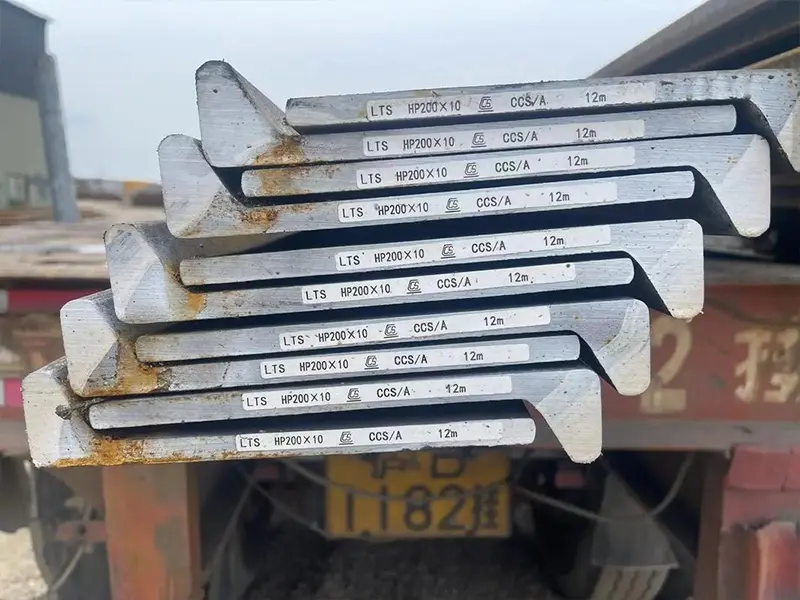
You need three layers: anti-rust coating1 (oil or VCI paper2), a moisture barrier3 (plastic film), and physical protection4 (wood or steel pallets with straps). Skip one, and you get rust.
Dive deeper Paragraph:
Let me break down each layer. I learned this the hard way. One of my clients from Saudi Arabia, Gulf Metal Solutions, used to get rusty steel from other suppliers. They came to me because our packaging never failed. Here is what we do.
First, the anti-rust coating. You have two good options. Option one is a thin layer of rust preventive oil. We spray it on the whole surface. The oil blocks air and moisture. Option two is VCI paper. VCI stands for Volatile Corrosion Inhibitor. This paper releases a vapor that settles on the steel. That vapor stops rust even in places the paper does not touch. We often use both. Oil first, then wrap with VCI paper.
Second, the moisture barrier. After the anti-rust layer, you need a waterproof wrap. We use thick polyethylene plastic. The plastic must cover every side. No holes or tears. We overlap the edges by at least 20 cm. Then we seal the overlaps with waterproof tape. This step is critical for sea freight. The ocean air has salt and high humidity. Salt speeds up rust by a lot.
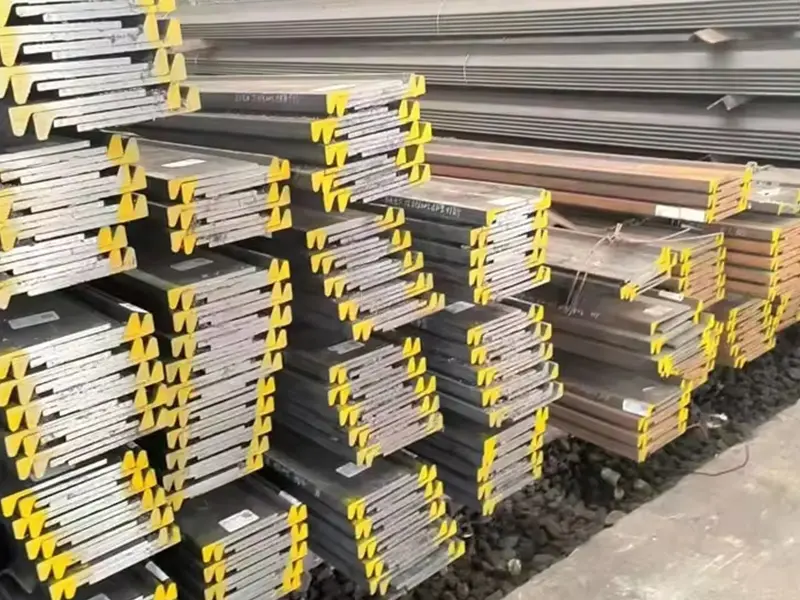
Third, the physical protection. Bulb flat steel has a special shape. The bulb part is thick and round. The flat part is thin. If you stack them wrong, the thin parts bend. So we use wooden pallets or steel cradles. Each layer of steel gets separated by wooden spacers. That stops the steel from rubbing against itself. Then we put steel straps around the whole bundle. Two straps in each direction. The straps must be tight but not too tight. Too tight, and they dig into the steel. We use edge protectors under the straps. Those are small metal or plastic corners that spread the force.
Here is a quick comparison of common anti-rust methods:
| Method | Cost | Effectiveness in Humid Conditions | Best Use Case |
|---|---|---|---|
| Rust preventive oil | Low | Good for 1-2 months | Short sea freight or dry climates |
| VCI paper | Medium | Very good for 3-6 months | Mixed climates, standard export |
| VCI bag (full seal) | High | Excellent for 6+ months | Long voyages, high humidity |
| Shrink wrap only | Very low | Poor | Local trucking only |
My advice? Do not cut corners. The cost of repackaging or replacing rusty steel is ten times higher than good packaging. I tell all my clients: pay for packaging once, or pay for rust many times.
How to Bundle and Secure Bulb Flat Steel for Safe Container or Flat Rack Loading?
Leading paragraph:
Loose steel inside a container can punch through the walls. That is a disaster for everyone.
Snippet paragraph:
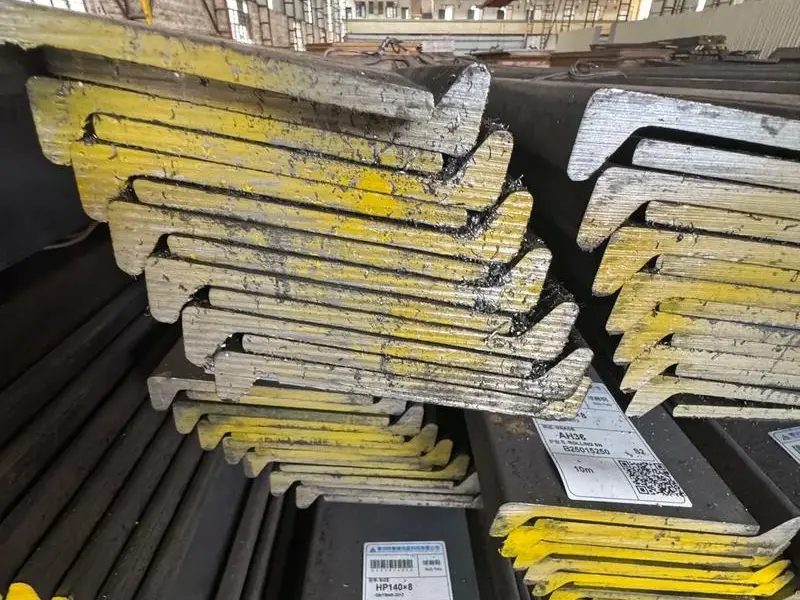
Stack bulb flat steel1 in reverse layers (flat side up then bulb side up). Use steel straps2 every 1.5 meters. For containers, add wooden blocking3 at the door. For flat racks, use welded steel cradles and lashing chains.
Dive deeper Paragraph:
Loading is where many exporters mess up. I have seen photos from clients. Steel bars poking through container doors. Bent edges from shifting loads. Cracked floor boards. All of this is avoidable. Let me split this into two cases: container loading and flat rack loading4.
Case 1: Loading into a standard dry container.
You use a 20-foot or 40-foot container. The floor is wood. The walls are corrugated steel. First, you need to know the weight limit. A 20-foot container holds about 28 tons max. A 40-foot holds about 26 tons. Do not go over. Second, you need to distribute the weight evenly. Put the heaviest bundles in the middle. Then build the load from the front to the back.
The stacking method matters a lot. Bulb flat steel has a bulb on one side. If you stack all bundles with the bulb facing the same way, they tilt. So we use reverse stacking. One layer with bulbs up. The next layer with bulbs down. Or we put two bundles next to each other with bulbs facing opposite directions. This keeps the stack level.
After stacking, we put steel straps around each bundle. Two horizontal straps and two vertical straps. Then we put the bundles side by side in the container. But the gaps between bundles are dangerous. During transit, the ship moves. The bundles can slide. So we fill the gaps with wooden dunnage. That is just cheap lumber cut to size. We hammer it between bundles and between the last bundle and the container door.
Then we add blocking at the door. A piece of wood across the full width of the container. We nail it to the floor. That stops everything from sliding out when the driver brakes hard.
Case 2: Loading onto a flat rack container.
Flat racks have no sides or roof. They are just a floor with two end walls. You use these for very heavy or long steel. Our bulb flat steel comes in lengths from 6 to 12 meters. Flat racks are perfect for 12-meter pieces.
But securing is harder. You cannot just strap to the floor. The straps can slip off. So we use welded steel cradles. These are A-frame or U-shaped steel structures. The bulb flat steel sits inside the cradle. Then we put chains over the steel. We tighten the chains with turnbuckles. Each chain connects to a lashing point on the flat rack. We use at least four chains per bundle. Two on each side.
Also, we cover the steel with a tarpaulin. Flat racks have no roof. Rain and sea spray will hit the steel directly. The tarp must be strong and tight. We use bungee cords and ropes to hold it down.
Here is a checklist I use before closing any container or flat rack:
- Weight distribution calculated and verified
- Each bundle has steel straps with edge protectors
- Gaps between bundles filled with wooden dunnage
- Door blocking installed and nailed
- For flat racks: steel cradles welded, chains tightened, tarp secured
- Photos taken of every side of the load
- Shrink wrap or plastic cover on top of the entire load
One more tip. Take photos and videos of the loaded container. Send them to your client. This builds trust. My client Gulf Metal Solutions told me they never got loading photos from other suppliers. When I sent them photos, they knew we cared about their steel.
What Labeling and Marking Information Must Be Visible on Each Bundle?
Leading paragraph:
Wrong labels mean your steel goes to the wrong port. Or sits in customs for weeks.
Snippet paragraph:
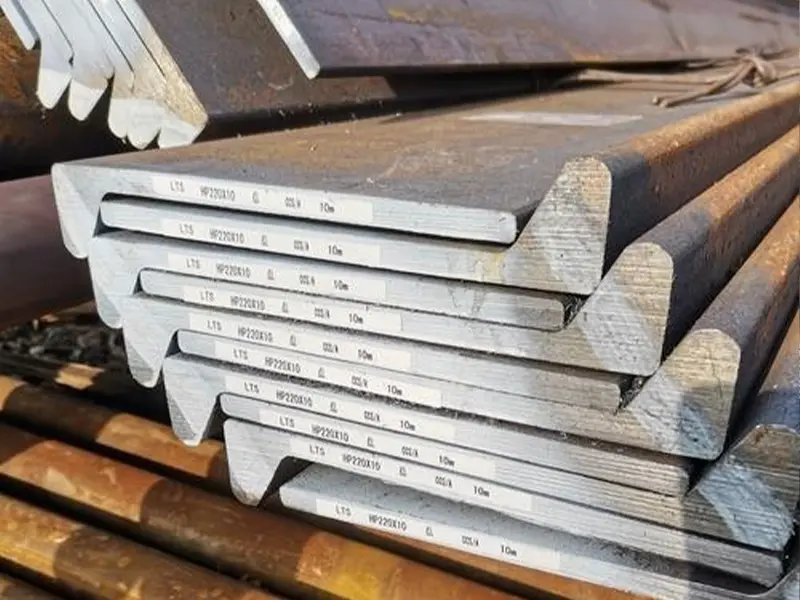
Each bundle must show: product grade and size1, bundle weight and piece count2, heat number3, destination port4, and handling marks5 (like "Keep Dry" and "No Hook"). Use waterproof labels or metal tags6.
Dive deeper Paragraph:
Labels are not just for show. They are legal requirements for most countries. And they save your client from confusion. Imagine a warehouse with 50 bundles of steel. No labels. How do they know which one is Grade A and which is Grade B? They do not. So they guess. And guesses lead to wrong materials used in shipbuilding. That is dangerous.
Here is the full list of what you must put on each bundle. I follow this for every shipment from Liaocheng to Vietnam, Mexico, Qatar, and beyond.
Mandatory information (by law in most countries):
- Product grade and specification. Example: "BS100 – Bulb Flat Steel – Grade A – 100x8mm". This matches the mill certificate.
- Heat number. This is the batch number from the steel mill. It traces back to the original production. If there is a quality problem, the heat number tells you which batch failed.
- Bundle weight and piece count. Example: "Net weight: 2,450 kg – 15 pieces". This helps with customs clearance and inventory.
- Country of origin. "Made in China" must be clearly visible.
- Destination port and consignee name. Example: "To: Jeddah Islamic Port – Consignee: Gulf Metal Solutions".
Handling marks (international standard symbols):
- "Keep Dry" – a black umbrella symbol
- "No Hook" – a hook with a cross through it
- "Center of Gravity" – arrows showing the balance point
- "Use No Hand Hooks" – for crane lifting only
- "Sling Here" – two arrows pointing to the lifting points
How to apply the labels?
We use two methods. First, a waterproof paper label with strong adhesive. We stick it on the flat part of the steel. Then we cover the label with clear packing tape. This protects it from rain. Second, a metal tag. We punch the information into a thin aluminum tag. Then we wire the tag to the steel strap. The metal tag never falls off or fades.
Put the label on two sides of each bundle. Not just one side. Because the bundle might be turned around in the warehouse. If the label is only on one side and that side faces the wall, nobody can read it.
Common mistakes I see:
- Using regular paper labels. They fall off after one day of humidity.
- Forgetting the heat number. Then the client cannot verify the steel grade.
- Writing the handling marks in Chinese only. Most port workers read English symbols.
- Putting the label on the top of the bundle. The top gets scratched and dirty. Put it on the side instead.
One time, a competitor of mine sent a shipment to the Philippines. They put the labels only on the top of the bundles. When the bundles were stacked two high, nobody could see the bottom labels. The warehouse had to unstack every bundle to find the right grade. That took two extra days. My client told me that story and said, "This is why we buy from you."
How Do Different Export Destinations (Humid vs. Dry Climates) Affect Packaging Choices?
Leading paragraph:
Shipping to Saudi Arabia is not the same as shipping to Vietnam. The climate changes everything.
Snippet paragraph:
For humid destinations like Vietnam or Malaysia, use VCI paper1 plus plastic wrap and silica gel packs2. For dry destinations like Saudi Arabia or Qatar, oil coating and basic plastic cover are enough. Always add extra rust protection3 for long sea routes.
Dive deeper Paragraph:
I ship to many countries. Vietnam and Malaysia are hot and humid. Saudi Arabia and Qatar are hot but dry. Pakistan and Myanmar have monsoon seasons. Romania and Thailand have moderate climates but high humidity near the coast. Each place needs a different packaging plan4.
Let me break it down by climate type.
Humid and tropical climates (Vietnam, Malaysia, Philippines, Myanmar, Thailand)
These countries have 80% to 95% humidity year-round. Some have rainy seasons with daily downpours. The steel arrives at the port. Then it sits on the dock for days or weeks. Sometimes in the rain. So you need heavy protection.
Our standard packaging for humid destinations:
- Rust preventive oil on all surfaces
- VCI paper wrap (two layers)
- Thick polyethylene plastic (200 microns minimum)
- Silica gel packs inside the plastic wrap (one pack per 2 square meters)
- Wooden pallets with plastic feet (keeps steel off wet ground)
- Steel straps with edge protectors
- Waterproof labels plus metal tags
The silica gel packs absorb moisture trapped inside the wrap. We put them in before sealing the plastic. Then we heat-seal the plastic edges. No tape. Heat sealing is better.
For Vietnam, we also add a second plastic cover over the whole pallet. The ports in Ho Chi Minh City can be very wet. I learned this after a client sent me a photo of a flooded container yard.
Dry and desert climates (Saudi Arabia, Qatar)
Dry heat is less damaging than humidity. But there is another problem: temperature changes5. The ship goes from cool ocean to hot desert sun. That causes condensation. Water forms on the steel surface even in dry air.
Our packaging for dry destinations:
- Rust preventive oil (standard amount)
- One layer of VCI paper OR plastic wrap (not both)
- Wooden pallets
- Steel straps
That is enough. But we must warn clients to open the containers slowly. When a container arrives from the ocean, the inside is cool. The outside air is hot and dry. If you open the doors fast, warm air rushes in. Condensation forms on the cold steel. So we tell clients: open the doors one meter for one hour. Let the temperature balance. Then unload.
Monsoon climates (Pakistan, parts of Myanmar)
Monsoon means heavy rain for months. The rain is not the problem. The problem is that the steel might get wet during loading or unloading. If the steel is wet when we wrap it, the moisture gets trapped inside. That is a disaster.
So for monsoon destinations, we do all packaging indoors. We check the weather forecast. We only load on dry days. If we must load during rain, we put a large tent over the container. Then we add extra silica gel packs. And we use VCI bags that seal completely. No air goes in or out.
Moderate climates (Romania, other European countries)
These are easier. But still, the sea route matters. Shipping from China to Romania goes through the Suez Canal and the Mediterranean. That route takes 30 to 40 days. The climate is mild. But the long time means the oil coating might dry out.
We use a thicker oil for long routes. Standard oil lasts 2 months. Thick oil lasts 4 months. Also, we put a plastic wrap over the VCI paper. That is the same as the humid climate package but without silica gel.
Here is a simple table to help you choose:
| Destination Climate | VCI Paper | Plastic Wrap | Silica Gel | Oil Type | Extra Step |
|---|---|---|---|---|---|
| Humid tropical (Vietnam, Malaysia) | Yes (2 layers) | Yes (thick) | Yes | Standard | Heat-sealed edges |
| Dry desert (Saudi Arabia, Qatar) | Optional | No | No | Standard | Client condensation warning |
| Monsoon (Pakistan) | Yes (in bag form) | Yes (sealed) | Yes (extra) | Standard | Indoor loading only |
| Moderate (Romania, Thailand) | Yes (1 layer) | Yes | No | Thick oil | None |
My final advice: When in doubt, over-pack. The extra cost of VCI paper and silica gel is small. The cost of a rejected shipment is huge. I have never lost a client because our packaging was too good. But I have gained clients because their old supplier’s packaging failed.
Conclusion
Good packaging stops rust and damage. Use the right layers, secure the load, label clearly, and adjust for climate. Your steel will arrive safe.
Tags
-
Explore this link to understand how VCI paper protects metal from corrosion, especially in humid climates. ↩ ↩ ↩ ↩
-
Learn about the role of silica gel packs in moisture control and their importance in packaging for humid environments. ↩ ↩ ↩ ↩
-
Learn about additional measures to ensure rust protection for long sea routes and prevent damage. ↩ ↩ ↩ ↩
-
This resource will help you understand the critical elements of creating an effective packaging plan for different climates. ↩ ↩ ↩ ↩
-
Explore how temperature fluctuations can impact packaging choices and the integrity of shipped goods. ↩ ↩
-
Waterproof labels and metal tags enhance durability and visibility, ensuring compliance and reducing errors. ↩