
Specifying bulb flat steel for a ship or offshore project is critical. Small errors in dimensions can cause major assembly problems and costly delays on the dock.
This guide provides the key tolerance charts and dimension tables for marine bulb flat steel. We cover standard profiles (e.g., HP, HP-AS, BFI), detailing width, height, bulb dimensions, and permitted deviations as per major classification societies like LR and DNV for shipbuilding applications.
I recently helped a project manager from Qatar finalize a large order. He had a simple request: "Send me the exact tolerance table you work with." This direct question is smart. Providing clear technical data upfront builds trust and prevents problems later. This article will give you that same clarity.
What are bulb flats used for?
In shipbuilding, you need strong, lightweight frames. Standard beams are heavy. Bulb flats provide the perfect balance of strength and weight for ship framing.
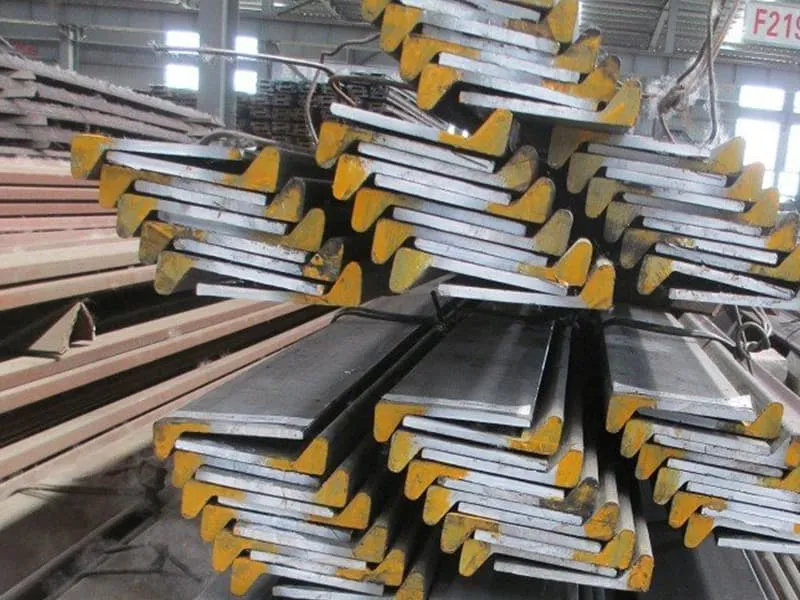
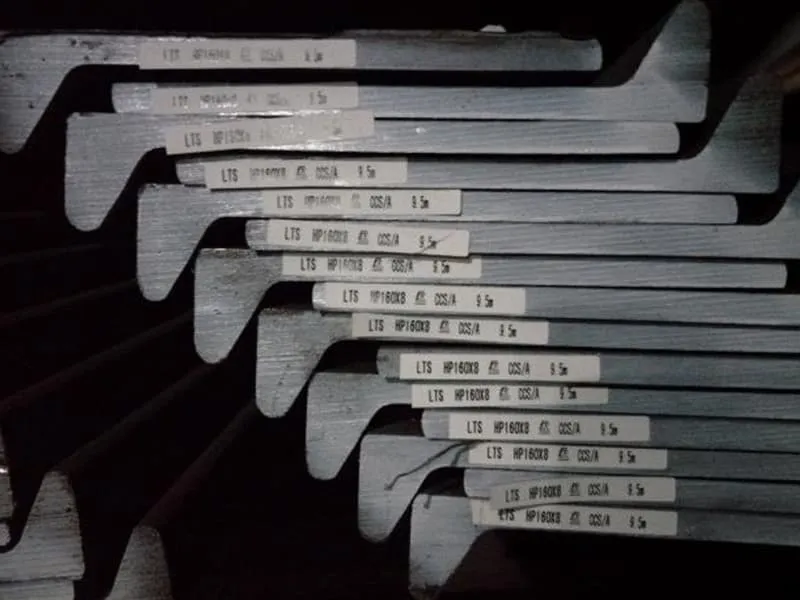
Bulb flats, or bulb plates, are steel bars with a bulb (rounded edge) at one end. They are primarily used as stiffeners and frames in ship hulls and offshore structures. The bulb adds strength without much extra weight, making ships lighter and more fuel-efficient.
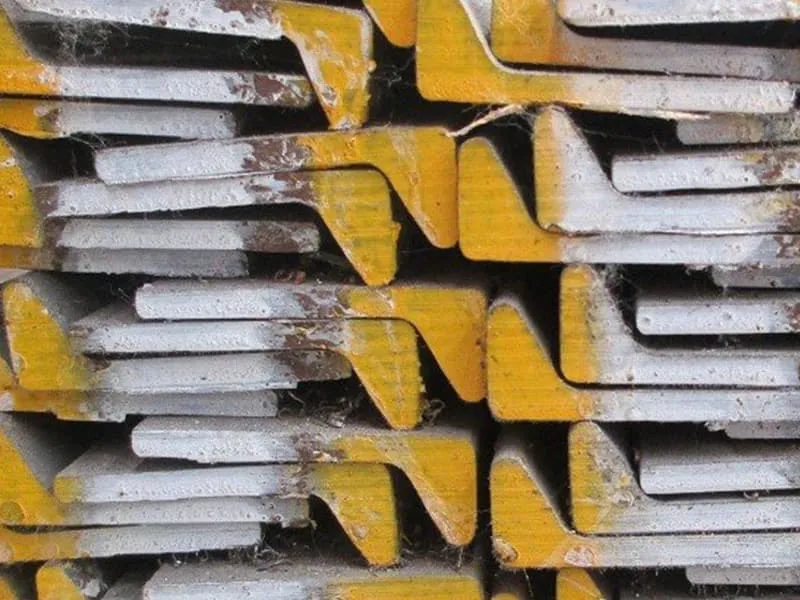
The bulb flat is a specialized profile. It is the backbone of a ship’s internal skeleton. Let’s look at where and why it is used.
Primary and Secondary Applications in Marine Engineering
The use of bulb flats is almost universal in modern steel ship construction. We can break down its roles.
| Application Area | Specific Use | Why Bulb Flats Are Ideal Here |
|---|---|---|
| Primary Hull Framing | Side frames, deck beams, bottom longitudinals. | They provide high section modulus (bending resistance) with a relatively small cross-sectional area. This saves weight and increases cargo capacity. |
| Bulkhead Stiffeners | Vertical and horizontal stiffeners on watertight walls inside the ship. | Their flat side welds easily to the plate. The bulb adds the needed stiffness to prevent the bulkhead from buckling under water pressure. |
| Offshore Platform Legs | Internal bracing and stiffening inside jacket legs and on decks. | They offer excellent resistance to dynamic loads from waves and wind, which is crucial for offshore stability. |
| Secondary Structures | Foundations for equipment, small bracket reinforcements. | They are versatile and easy to cut and weld for custom fabrications around engines or winches. |
The key advantage is the "bulb." This rounded end acts like a small, built-in flange. It gives the profile much more strength against bending forces than a simple flat bar of the same weight. Think of it like an "I-beam" that has been made simpler and lighter for one-directional support.
The Choice Between Bulb Flats and Other Profiles
Ship designers often choose between bulb flats, angle bars, and T-bars. Each has its place.
Bulb flats are typically used as longitudinals—the long, running frames attached to the hull plating. Their shape is perfect for this job. Angle bars are often used for brackets and connections because they have two legs for welding. T-bars might be used for heavier, primary support members.
For our client in Saudi Arabia, Gulf Metal Solutions, we supply both bulb flats and angle bars. They use bulb flats specifically for fabricating hull frame sections for oil tankers. They told us that consistent dimensions are critical for their automated cutting and welding processes. If the bulb height varies, their machines cannot align properly. This is why the tolerance chart in the next section is not just a technical document; it is a vital tool for efficient production.
What is the HS code for bulb flat steel?
Wrong HS codes cause customs delays, extra fees, and legal problems. You need the precise code for smooth international shipping.
The Harmonized System (HS) code for bulb flat steel is typically 7216.50.00. This code falls under "Other angles, shapes, and sections of iron or non-alloy steel, not further worked than hot-rolled, hot-drawn, or extruded." Always confirm with your local customs authority as interpretations can vary.
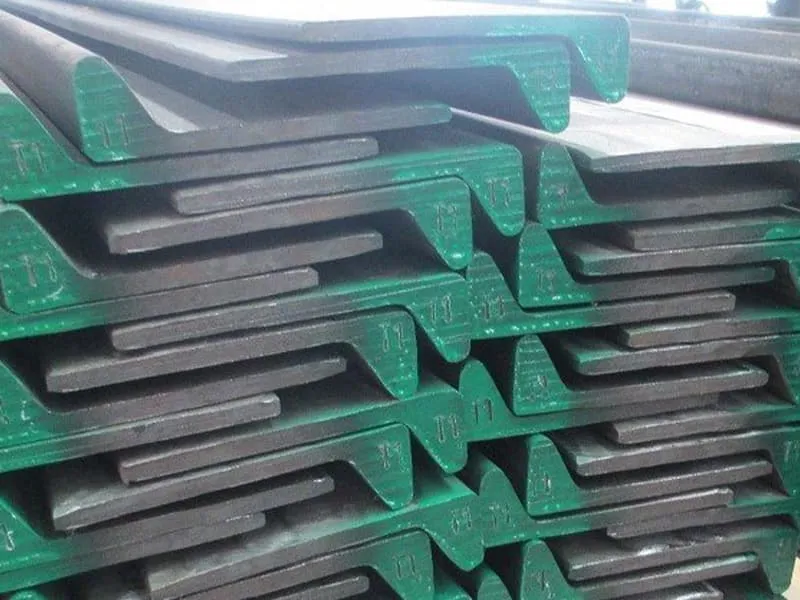
The HS code is a universal language for trade. Getting it right is essential. Let’s explore this code and its alternatives in detail.
Breaking Down the HS Code 7216.50.00
The HS code is a 10-digit number. Each part has a specific meaning. For bulb flats, the structure usually looks like this:
| Code Segment | What It Represents | Explanation for Bulb Flat Steel |
|---|---|---|
| 72 | Chapter: Iron and Steel | This is the broad category for all iron and steel products. |
| 16 | Heading: Angles, Shapes, and Sections | This covers all rolled steel profiles that are not plate, sheet, bar, or wire. |
| 50 | Subheading: Other | This specifies profiles that are not standard angles, shapes, or sections already listed. A bulb flat is a specialized "other" section. |
| 00 | Country-Specific Suffix | These final digits can vary by country for additional detail. The core code is the first 6 digits (721650). |
It is important to know that HS codes are standardized only up to the first 6 digits (721650). Countries add their own final digits for more specific tracking. For example, the US might use 7216.50.0000, while the Philippines might use 7216.50.90. The core product definition remains the same.
Why Precision Matters: The Risk of Using the Wrong Code
Using a code for "flat steel bar" (7214.xx) instead of the correct "other section" code (7216.50) seems like a small mistake. But it can have big consequences.
First, the duty rate might be different. Your shipment could attract a higher import tax. Second, customs officials can hold the shipment for inspection. This causes delays and storage fees at the port. Third, it can affect trade statistics and compliance with quotas or trade agreements.
We include the suggested HS code (7216.50.00) on all our commercial invoices for bulb flats. We do this to help our clients. For instance, when we ship to Mexico or Vietnam, our local freight forwarder partners confirm the exact final code for that country. This proactive step is part of our "customs clearance support" service. It ensures our clients’ containers keep moving from the port in China to their destination port without unnecessary stops.
What is the HS code for flat steel?
"Flat steel" is a broad term. It covers many products. Using one general HS code can be incorrect and costly. You must match the code to the product’s exact form.
There is no single HS code for "flat steel." The correct code depends on the product’s width, thickness, and coating. Common codes include 7208 for hot-rolled coil, 7210 for coated sheets, and 7217 for wire rod. For plates, codes like 7208.51 or 7208.52 are used based on thickness and width.
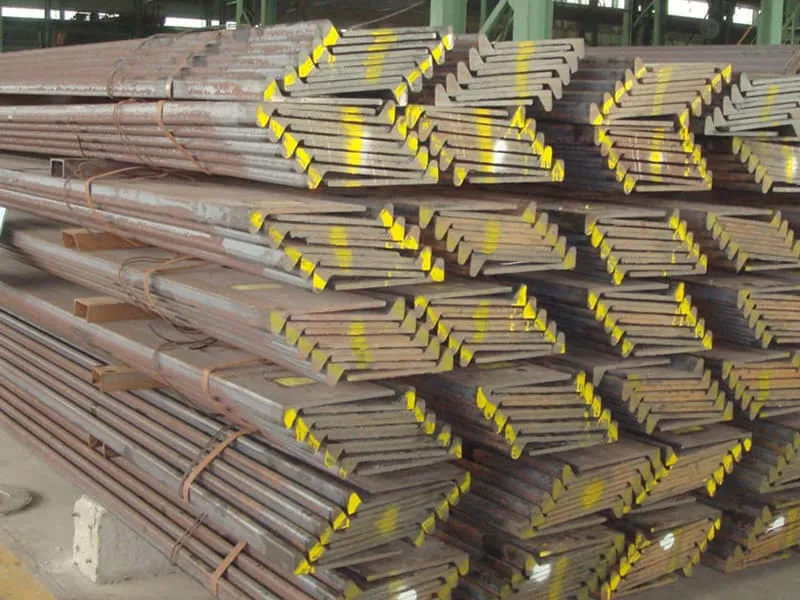
The term "flat steel" is too vague for customs. You need to be specific. Let’s map the different products to their correct HS chapters.
A Guide to HS Codes for Common Flat Steel Products
The table below shows how different flat steel products are classified. This will help you identify the right category.
| Flat Steel Product Description | Typical HS Code Chapter/Heading | Key Distinguishing Feature |
|---|---|---|
| Hot-Rolled Steel Plate/Sheet (Width > 600mm) | 7208 | This is the primary code for wide, thick plates used in shipbuilding and construction. |
| Hot-Rolled Steel Coil | 7208 | Similar to above, but in coiled form. Subcodes differ based on thickness (e.g., 7208.51 for thickness ≥ 10mm). |
| Cold-Rolled Steel Sheet/Coil | 7209 | Steel that has been further rolled at room temperature for a smoother finish and tighter tolerances. |
| Galvanized (Zinc-Coated) Steel Sheet | 7210 | Flat steel coated with zinc for corrosion resistance. A very common import item. |
| Painted/Coated Steel Sheet | 7210 | Includes pre-painted or plastic-coated coils used in appliances and building panels. |
| Stainless Steel Flat Products | 7219 | All flat stainless steel (plate, sheet, strip) falls under this separate chapter. |
For our main product, marine steel plates, we most commonly work under HS codes starting with 7208. For example, a 15mm thick, 2000mm wide AH36 plate would likely be classified under 7208.51.00 (Hot-rolled flat products, of a thickness of 10 mm or more, of a width of 600 mm or more).
The Importance of Product Specifications in Classification
Customs classification is based on objective criteria. The main factors are: 1) Width, 2) Thickness, 3) Form (coil or plate), 4) Surface finish (hot-rolled, cold-rolled, coated), and 5) Alloy composition.
When you send us an inquiry for steel plates, we ask for all these details. We need them not just for pricing, but also to advise on the correct HS code. Providing the wrong width or coating description on your import documents can lead to a mismatch with the physical goods during inspection.
A client in the Philippines once had a shipment delayed because their paperwork said "galvanized sheets" (7210) but the actual goods were prime hot-rolled plates (7208) for later fabrication. The inconsistency raised a red flag. Now, we ensure the product description on the invoice—"Hot-rolled steel plate for shipbuilding, ABS AH36, 12x2000x8000mm"—clearly matches the HS code we assign.
What is the HS code 4903000000?
Seeing an unfamiliar HS code on a document related to your steel shipment can be confusing. You need to know if it’s correct or an error.
HS code 4903000000 is NOT for steel products. It is for "Children’s picture, drawing, or coloring books." This code belongs to Chapter 49 (Printed books, newspapers, pictures). Using this code for steel would cause major customs clearance failure and delays.
This specific code appears in some online searches about steel. It is a classic example of misinformation. Let’s clear up why this happens and how to avoid such mistakes.
The Source of Confusion and How to Correct It
The mix-up likely happens for two reasons. First, poor translation or automated keyword matching on some websites. Second, someone may have once used it incorrectly, and the error was copied.
The correct chapters for steel are between 72 and 73. Here is a clear comparison:
| Incorrect Code | What It Actually Covers | Why It’s Wrong for Steel | Correct Steel Code Range |
|---|---|---|---|
| 4903000000 | Printed books, especially for children. | Steel is a manufactured metal good, not a printed paper product. The classification is completely different. | Chapter 72: Iron and Steel (e.g., 7208 for plates). Chapter 73: Articles of Iron or Steel (e.g., 7308 for structures). |
If this code appears on a document for your steel order, it is a serious error. You must stop and correct it immediately.
The Practical Steps to Ensure Correct HS Codes
As a buyer, you have a role in ensuring correct classification. Here is what you can do:
- Ask Your Supplier: A reliable supplier should know the approximate HS code for their products. Ask them, "What is the HS code you usually declare for this bulb flat steel?" Their answer should start with 72 or 73.
- Consult Your Freight Forwarder or Customs Broker: These professionals are experts in your country’s import regulations. They give the final, binding advice on the correct code for your specific goods and country.
- Use Official Resources: Refer to your country’s customs website. They publish detailed tariff schedules. You can search by product description.
In our business, we take this responsibility seriously. We never use codes from unrelated chapters. For every shipment, we provide a proforma invoice with a suggested, product-specific HS code. We also state clearly that the buyer should verify this with their own broker. This honest approach saved a new client in Thailand from a potential problem last month. They had seen the wrong code (4903) online. We provided the correct 72-series code and explained the difference. This built immediate credibility and smoothed their import process.
Conclusion
Accurate technical data and correct trade codes are the foundation of a successful international steel purchase. Using the right dimension tables ensures your project fits together, and using the correct HS codes ensures your shipment clears customs without trouble.