
Buying marine steel seems straightforward, but hidden mistakes can cost you thousands in delays, repairs, and failed inspections. Many buyers realize the error only when the steel is on their dock.
The most common mistakes in marine steel purchasing stem from a lack of technical knowledge and poor supplier management. Buyers often overlook material weaknesses, misunderstand fabrication defects, ignore corrosion threats, and confuse different steel grades, leading to costly project failures.
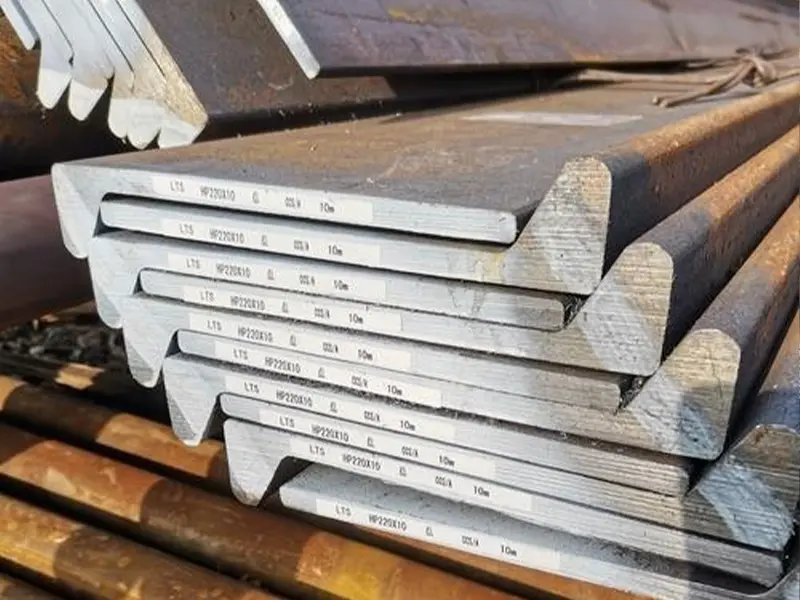
I’ve seen these errors play out many times. A client once received a shipment that looked perfect but failed ultrasonic testing. Another faced massive rework because the steel wasn’t suitable for their welding process. These are not small issues. They threaten the entire project. Let’s examine the critical areas where mistakes happen so you can avoid them.
What are some weaknesses of steel?
Many buyers think steel is just strong and heavy. They believe all steel is the same tough material. This belief is the first step toward a big mistake.
Steel’s primary weaknesses are its susceptibility to corrosion1, fatigue2, brittleness at low temperatures3, and potential for internal defects4. These inherent vulnerabilities must be actively managed in marine environments to ensure structural integrity and longevity.
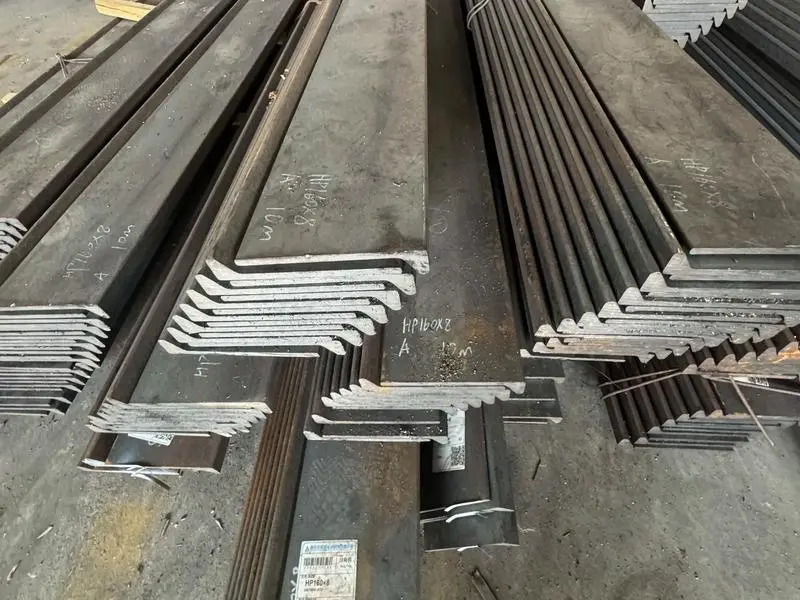
Understanding these weaknesses is not academic. It directly informs your purchasing specifications and quality checks. If you ignore them, you are building weakness into your vessel’s hull.
The Inherent Vulnerabilities of Marine Steel
Steel is not a perfect material. It has specific failure modes. A smart purchase plans for these weaknesses from the start.
1. Corrosion: The Constant Attack
Saltwater is a highly corrosive electrolyte. It attacks steel relentlessly.
- Uniform Corrosion: This is the general thinning of the steel plate over time. You plan for it by specifying adequate thickness allowances (corrosion1 margins).
- Galvanic Corrosion: This occurs when two different metals are in electrical contact in seawater. For example, using the wrong grade of steel fastener on an aluminum superstructure can cause rapid corrosion1. You must consider the entire material system.
- Pitting Corrosion: This is localized, intense corrosion1 that creates small, deep pits. It is especially dangerous because it can penetrate plates quickly and is hard to detect. High-quality steel with good surface finish and proper chemical composition resists pitting better.
2. Fatigue: Failure from Repeated Stress
Ships are in constant motion. Waves cause cyclic loading on the hull. Over thousands or millions of cycles, this can cause cracks to initiate and grow, even at stress levels below the steel’s yield strength. This is called fatigue2.
- The Mistake: Assuming a steel’s high tensile strength automatically means good fatigue2 life. This is not always true. The design of the structure (avoiding sharp notches) and the steel’s toughness are more critical for fatigue2 resistance.
3. Brittle Fracture: The Sudden, Catastrophic Failure
Some steels can become brittle in cold conditions, like in Arctic waters. A small crack or defect can spread rapidly through the entire structure without warning, causing catastrophic failure.
- The Solution: This is why marine steel grades5 have temperature requirements. Grades with higher toughness designations (like EH36 vs. AH36) are made to resist brittle fracture at lower temperatures. Choosing the wrong grade for the operating environment is a critical mistake.
4. Internal and Surface Defects
Weaknesses can be built into the steel during production.
- Internal Defects: These include inclusions (non-metallic particles), segregation (uneven distribution of elements), and laminations (internal separations). They act as internal stress concentrators, weakening the steel.
- Surface Defects: These include cracks, seams, and roll marks. They are often the starting points for corrosion1 and fatigue2 cracks.
Here is a table linking these weaknesses to purchasing actions:
| Weakness | What It Is | Common Purchasing Mistake | How to Mitigate in Your Purchase |
|---|---|---|---|
| Corrosion | Chemical degradation by seawater. | Not specifying corrosion1 allowance or protective coatings compatibility. | Define corrosion1 margin in specs. Inquire about steel’s surface quality for coating adhesion. |
| Fatigue | Crack growth from repeated stress cycles. | Over-relying on tensile strength alone. | Prioritize steel with good toughness (impact energy values). Ensure clean, defect-free surfaces. |
| Brittle Fracture | Sudden, non-ductile failure in cold temps. | Ordering standard-grade steel for low-temperature service. | Specify the correct grade (e.g., DH36, EH36) for your vessel’s lowest service temperature. |
| Internal Defects | Flaws inside the steel from manufacturing. | Relying only on visual inspection. | Require Ultrasonic Testing (UT)6 for critical applications. Review Mill Test Certificates carefully. |
A Gulf Metal Solutions project manager once told me their previous supplier’s steel had inconsistent surface finish. This inconsistency didn’t just look bad. It created weak spots where corrosion1 and fatigue2 could start more easily, and it affected how well protective coatings adhered. That’s a direct example of a surface quality weakness causing real-world problems. When you purchase steel, you are not just buying strength. You are buying resistance to these four key weaknesses.
What are the defects in steel fabrication?
You’ve bought good steel. The next danger zone is fabrication. The best steel plate can be ruined by poor cutting, welding, or forming. These mistakes happen in the shipyard, but they often start with a poor purchase decision.
Defects in steel fabrication are flaws introduced during processes like cutting, welding, bending, and drilling. Common defects include weld cracks, porosity, undercut, distortion, and heat-affected zone (HAZ) issues. These defects compromise strength and durability.
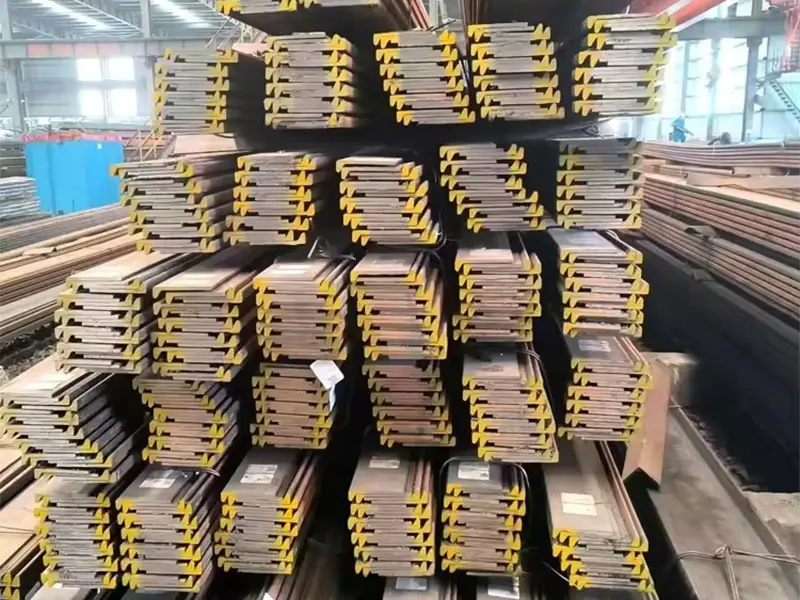
Many buyers separate "purchasing" from "fabrication." This is wrong. The steel you buy directly influences how easy or hard it is to fabricate without defects. Your purchase spec must consider the fabrication process.
How Your Steel Purchase Can Cause or Prevent Fabrication Defects
Think of fabrication as a test of the steel’s properties. If the steel is not suitable, it will fail this test, no matter how skilled your welders are.
1. Welding Defects1: The Most Common Problem
Welding is where most fabrication defects occur. The steel’s chemical composition is crucial here.
- Cracking: This is the most serious defect. Two main types are related to steel chemistry:
- Hydrogen-Induced Cracking2 (Cold Cracking): This happens when hydrogen from moisture or contaminants gets into the weld. Steels with higher Carbon Equivalent (CE)3 values are more susceptible. A key purchasing mistake is not checking the CE value on the MTC. For good weldability, the CE should be within limits specified by classification rules.
- Hot Cracking: This is related to high levels of sulfur and phosphorus in the steel. You must ensure these residual elements are controlled.
- Porosity4: These are gas pockets trapped in the weld. While often caused by poor welding technique, using steel with a rusty or contaminated surface guarantees porosity problems. This is why surface condition at delivery is so important.
- Undercut & Slag Inclusions: These are often technique issues, but they can be worsened by improper joint preparation or using the wrong filler metal for the base steel grade.
2. Cutting and Edge Preparation Defects
How you cut the steel matters.
- Thermal Cutting5 (Flame/Plasma): This creates a Heat-Affected Zone (HAZ)6 along the cut edge. If the steel has poor composition, the HAZ can become hard and brittle, forming micro-cracks. Good quality steel maintains better properties in the HAZ.
- Mechanical Cutting7 (Shearing): This can cause edge deformation or micro-cracks, especially in thicker plates or steels that are not ductile enough. Specifying the correct steel grade and condition for the intended cutting method is part of a good purchase.
3. Distortion and Residual Stresses8
Heating steel during welding causes it to expand and contract, leading to distortion. While skilled fitting can manage this, some steels are more prone to distortion due to their thermal properties. Furthermore, the welding process leaves behind residual stresses in the structure. High-quality steel with consistent properties allows for more predictable and controllable welding, minimizing these issues.
The Link to Purchase:
Your role as a buyer is to provide steel that is fit for fabrication. This means:
- Providing Accurate MTCs9: The fabricator’s welding engineer needs the exact chemical analysis to plan the welding procedure (WPS).
- Specifying Delivery Condition: For some applications, steel delivered in a normalized condition (N) will have better and more uniform properties for welding than as-rolled steel.
- Ensuring Clean, Dry Steel: Steel arriving with heavy mill scale, rust, or oil creates immediate problems for welding and surface preparation.
| Fabrication Process | Potential Defect | How the Steel Purchase Can Influence It | Action for Buyers |
|---|---|---|---|
| Welding | Cracks (Cold/Hot) | Steel’s Carbon Equivalent (CE)3 & Sulfur/Phosphorus content. | Demand MTCs9 and verify CE value is suitable for your welding process. |
| Welding | Porosity4 | Surface contamination (rust, oil, moisture) on the steel. | Specify clean, dry storage and packaging. Inspect upon arrival. |
| Thermal Cutting5 | HAZ Brittleness | Steel’s hardenability and composition. | Choose grades with good HAZ toughness. Inquire about cutting recommendations from the mill. |
| All Processes | Inconsistent Results | Variation in steel properties from batch to batch. | Choose suppliers with stable mill sources and consistent quality control. |
When we work with fabricators like Gulf Metal Solutions, we don’t just send steel. We provide the full data package. This allows their team to plan fabrication correctly from day one, avoiding defects that stem from unknown material properties. Buying steel without this data is like asking a chef to cook a great meal without knowing the ingredients.
What is the enemy of stainless steel?
Many people choose stainless steel for marine applications thinking it’s "stain-proof." This overconfidence leads to one of the most expensive mistakes in marine purchasing.
The primary enemy of stainless steel in marine environments is localized corrosion1, particularly pitting corrosion2 and crevice corrosion3, caused by chloride ions4 in seawater. This attack can be worsened by poor steel quality, incorrect grade selection5, and inadequate fabrication and maintenance practices.
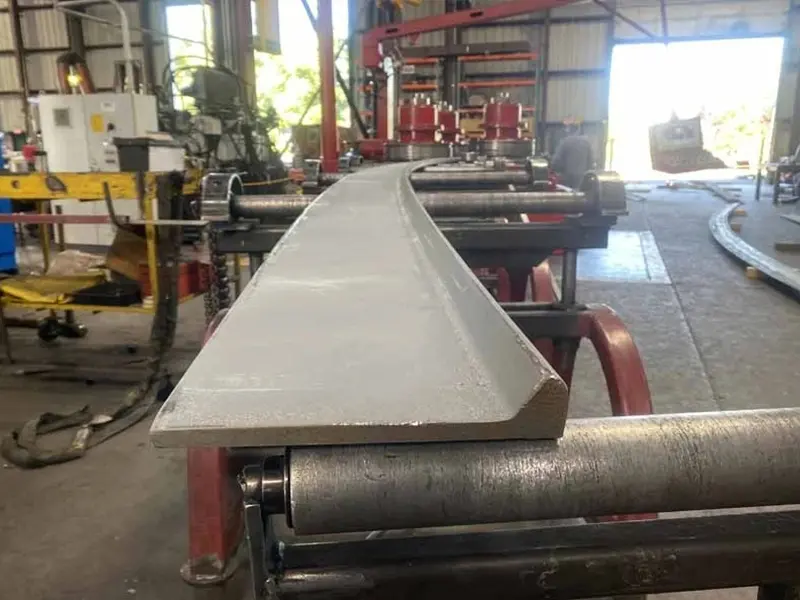
Stainless steel is not a magic material. It resists corrosion because of a thin, passive chromium oxide layer on its surface. In seawater, this layer can break down. When it does, corrosion can be rapid and severe.
Why "Stainless" Can Fail in Sea Water
Understanding the enemy helps you choose the right grade and use it correctly. The failure often happens in three stages.
1. The Attack: Chloride Ions
Seawater is full of chloride ions4. These ions are aggressive and can penetrate the passive layer on stainless steel, especially in areas where the layer is weak or damaged.
- Pitting Corrosion: Once chlorides break through the passive layer at a small spot, they create a tiny anode. The surrounding passive surface acts as a large cathode. This unfavorable area ratio causes intense, localized corrosion1 that drills deep holes (pits) into the metal. It’s insidious because the surface may look fine except for a few small spots, but the metal underneath can be severely damaged.
- Crevice Corrosion: This occurs in shielded areas where oxygen is limited—under gaskets, inside bolt holes, at lap joints. The lack of oxygen prevents the passive layer from reforming, and chlorides in the trapped seawater create a highly corrosive acidic environment. Crevice corrosion is even more common than pitting for stainless steel in seawater.
2. The Wrong Material: Grade Selection Mistakes
Not all stainless steel is the same. Using the wrong grade is a critical error.
- Common Mistake: Using standard Austenitic 304 (or 1.4301) or 316 (1.4401) in submerged or splash zone marine applications. While 316 is better than 304 due to Molybdenum content, it is still susceptible to pitting and crevice corrosion3 in warm, stagnant seawater.
- Better Choices: For harsh marine service, you need grades with higher alloy content to resist chlorides:
- Duplex Stainless Steels6 (e.g., 2205): These have a mixed microstructure that provides much higher strength and better corrosion resistance than 316, especially against chloride stress corrosion cracking.
- Super Austenitics7 (e.g., 904L, 254 SMO): These contain high levels of Molybdenum, Nickel, and Nitrogen, offering exceptional pitting resistance.
- Super Duplex Steels (e.g., 2507): For the most demanding offshore and subsea applications.
3. The Human Factor: Fabrication and Contamination
Even the best stainless steel can be ruined by poor handling.
- Carbon Steel Contamination: Using tools (brushes, grinders, lifting magnets) previously used on carbon steel can embed tiny particles of iron into the stainless surface. These particles rust and can initiate pitting. Stainless steel fabrication must use dedicated, clean tools.
- Welding Issues: Poor welding can create a weld bead or HAZ with reduced corrosion resistance if the chemistry is not balanced correctly (e.g., loss of chromium). This requires proper welding procedures and may require post-weld cleaning (pickling and passivation) to restore the passive layer.
Purchasing Implications:
When you buy stainless steel for marine use, you are buying a system, not just a material. Your purchase order must be precise:
- Exact Grade: Specify the full standard (e.g., ASTM A240 UNS S32205).
- Surface Finish: A smooth, polished finish is more resistant to the initiation of pitting than a rough, mill finish.
- Certification and Traceability: This is non-negotiable. You must have full documentation.
- Supplier Knowledge: Your supplier must understand marine applications. They should ask about the service environment, not just take an order for "stainless steel."
The enemy is relentless. Defeating it requires respect for the material’s limits, precise grade selection5, and impeccable handling from the mill to the finished installation. A cost-saving choice on a lower grade of stainless can lead to catastrophic and far more expensive failures later.
What are the grades of marine steel?
Faced with a list of codes like AH36, DH32, EH40, many buyers feel confused. They might simply repeat what was used last time or ask for "marine-grade steel." This vagueness is an invitation for error.
Marine steel grades are standardized classifications that define the mechanical properties, chemical composition, and toughness of steel for shipbuilding. Major classification societies (like ABS, LR, DNV) have their own grade systems (e.g., ABS Grades A, B, D, E, AH, DH, EH), which correspond to yield strength and impact test temperature requirements.

These grades are not random letters. They are a precise language that communicates the steel’s capability to withstand specific forces and environments. Misunderstanding this language is a fundamental purchasing mistake.
Decoding the Language of Marine Steel Grades
The grade tells you three critical things: Strength, Quality, and Toughness Temperature. Let’s break down the common system used by ABS and other societies.
1. The Letter(s): Indicating Yield Strength and Quality
- A, B, D, E (Normal Strength Steel): These are general structural grades. ‘A’ is the most basic. ‘B’ is better. ‘D’ and ‘E’ offer improved toughness. Their yield strength is typically 235 MPa.
- AH, DH, EH (High Strength Steel): The ‘H’ stands for High tensile. These grades have higher yield strength (e.g., AH36 has 355 MPa yield strength). The prefix letter (A, D, E) still indicates the quality/toughness level.
2. The Number: Indicating Minimum Yield Strength (in MPa)
This is straightforward. For example:
- 32 = 315 MPa yield strength (e.g., DH32)
- 36 = 355 MPa yield strength (e.g., AH36, DH36, EH36)
- 40 = 390 MPa yield strength (e.g., FH40, EH40)
3. The Critical Hidden Meaning: Impact Test Temperature
This is where the biggest mistake happens. The prefix letter (A, D, E, F) dictates the temperature at which the steel must demonstrate good toughness (resistance to brittle fracture).
- Grade A / AH: Not required to be impact tested for most thicknesses. For general use, not for low temperatures.
- Grade B / BH: Impact tested at 0°C.
- Grade D / DH: Impact tested at -20°C. This is a common grade for most ocean-going vessels.
- Grade E / EH: Impact tested at -40°C. Used for vessels operating in colder climates or for critical, highly stressed parts.
- Grade F / FH: Impact tested at -60°C. For Arctic service.
The Common Mistake: Ordering AH36 for a vessel that will operate in cold North Atlantic waters. AH36 is strong, but it has no guaranteed low-temperature toughness. The correct choice would be DH36 or EH36, which have the same strength but are guaranteed to be tough at -20°C or -40°C, respectively.
4. Special Grades and Conditions
- Z-direction (Z-steel): This steel has improved through-thickness properties to resist lamellar tearing in highly restrained joints (like nodes in offshore structures). It’s specified with a suffix, e.g., AH36-Z25.
- Delivery Conditions: Steel can be supplied as-rolled (AR), normalized (N), or thermo-mechanical controlled processed (TMCP). TMCP steels often offer a good combination of strength and toughness with better weldability (lower CE value). Your purchase should specify the required condition.
Here is a simplified decision table for grade selection:
| Your Vessel’s Operating Condition | Key Consideration | Recommended Grade Type | Example Grade |
|---|---|---|---|
| Inland/Warm Coastal Waters | Basic strength, cost-effective. | Normal Strength (A/B) or AH series. | ABS Grade A, AH36 |
| General Ocean-Going (Most Ships) | Good low-temperature toughness. | D-grade series. | ABS DH36 (Strength + -20°C toughness) |
| Cold Climate / Ice-Class / Critical Areas | Excellent low-temperature toughness. | E-grade or F-grade series. | ABS EH36 (Strength + -40°C toughness) |
| Highly Stressed, Thick Sections | Resistance to lamellar tearing. | Z-grade steel. | ABS DH36-Z35 |
| Need High Strength & Weldability | Want high strength with easier welding. | TMCP-delivered high-strength steel. | ABS EH36 TMCP |
A client once asked me for "the same as last time, Grade 36 plate." We had to stop and ask: Was it AH36 or DH36? The application was for a bulk carrier trading in Northern Europe. Using AH36 would have been a serious mistake. We confirmed it was DH36 and supplied the correct, certified material. The grade is the most important piece of information on your purchase order. Getting it right is not optional.
Conclusion
Avoiding common mistakes in marine steel purchasing requires technical knowledge—understanding steel’s weaknesses, how fabrication affects it, the limits of materials like stainless steel, and precisely what steel grades mean for your project.
-
Understanding localized corrosion is crucial for preventing severe damage to stainless steel in marine environments. ↩ ↩ ↩ ↩ ↩ ↩ ↩ ↩ ↩ ↩ ↩
-
Explore the causes of pitting corrosion to better protect your stainless steel investments from costly failures. ↩ ↩ ↩ ↩ ↩ ↩ ↩ ↩
-
Learn about crevice corrosion to ensure your marine applications are safe and durable against this common issue. ↩ ↩ ↩ ↩ ↩
-
Discover how chloride ions contribute to corrosion, helping you make informed decisions for marine applications. ↩ ↩ ↩ ↩ ↩
-
Choosing the right grade is vital; this resource will guide you in selecting the best stainless steel for your needs. ↩ ↩ ↩ ↩ ↩
-
Learn about Duplex Stainless Steels to understand their superior corrosion resistance for marine applications. ↩ ↩ ↩
-
Explore the advantages of Super Austenitics for enhanced performance in harsh marine environments. ↩ ↩
-
Understanding these factors is key to achieving precision in steel fabrication and minimizing defects. ↩
-
MTCs provide essential information for ensuring the quality and suitability of steel for fabrication. ↩ ↩