
You spend hours chasing quotes, tracking shipments via scattered emails, and manually checking certificates. This administrative burden steals time from strategic work. For every ton of steel you buy, you waste money on inefficient processes. Digital tools are the solution to this hidden tax.
Digital tools improve marine steel procurement by automating routine tasks (RFQs, PO generation), providing real-time supply chain visibility, enabling data-driven supplier evaluation, and facilitating secure, instant document exchange. This reduces errors, speeds up cycles, cuts costs, and allows procurement teams to focus on strategy and relationship building.
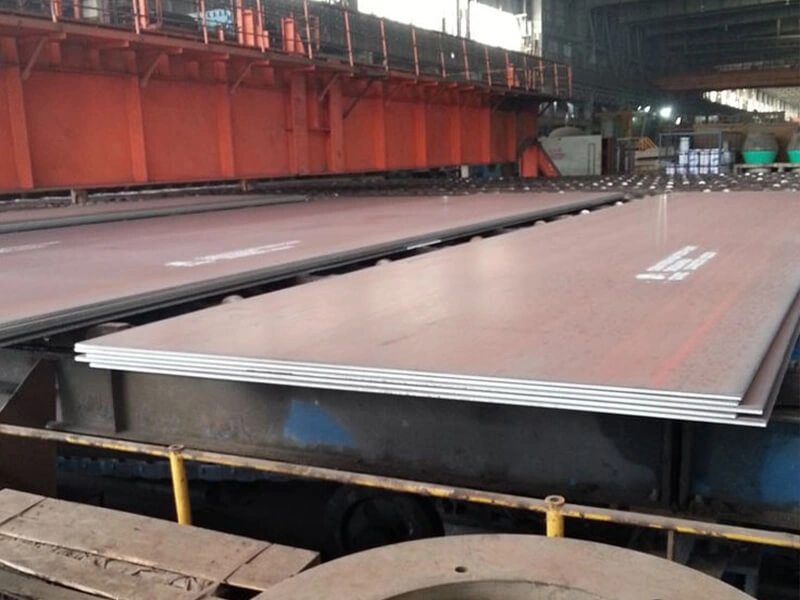
Procurement is no longer just about buying. It’s about managing data, risk, and relationships at scale. The shipyards and suppliers who embrace digitalization will gain a decisive edge in speed, accuracy, and cost control. Let’s explore the specific tools and their transformative impact.
How is digitalization beneficial for procurement management?
Your procurement manager spends 70% of their time on administrative tasks and 30% on strategy. Digitalization flips this ratio. It transforms procurement from a reactive, paper-heavy cost center into a proactive, data-driven value creator.
Digitalization benefits procurement management by providing end-to-end process visibility, enabling data-driven decision making1, automating repetitive manual tasks, and enhancing collaboration with internal stakeholders and external suppliers. This leads to reduced cycle times, lower processing costs, better compliance, and stronger strategic supplier partnerships.
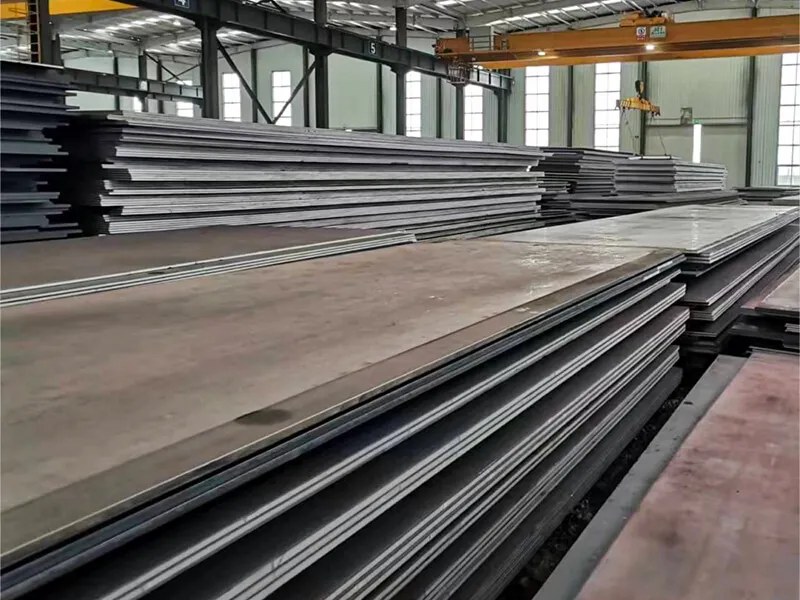
The benefit isn’t just doing old things faster. It’s about doing new, smarter things that were impossible with manual methods. Let’s break down the transformation across the core functions of procurement management.
The Digital Transformation of Core Procurement Functions
Digital tools don’t just support existing processes; they redefine them. Here’s how they impact the key areas of management.
1. Strategic Sourcing & Supplier Management:
- Manual Era: Supplier data in spreadsheets or filing cabinets. Evaluation based on memory and recent experiences.
- Digital Benefit: Supplier Relationship Management (SRM) platforms2 create a single source of truth. They track performance metrics (OTD, quality scores, response time) over time. This allows for objective, data-driven decisions on which suppliers to qualify, develop, or phase out.
- Marine Steel Example: You can rate suppliers on "certificate accuracy," "packaging quality," and "technical support." Our own client’s feedback on response speed and stable quality would be quantifiable data points in such a system.
2. Process Efficiency & Cycle Time:
- Manual Era: RFQs sent via email, quotes compiled in Excel, POs printed and faxed, approvals chased in person.
- Digital Benefit: e-Procurement platforms3 automate the entire source-to-contract cycle. An RFQ can be sent to multiple pre-qualified suppliers with a click. Quotes are auto-compiled. Electronic approvals and digital signatures cut approval times from days to hours.
- Marine Steel Example: A digital platform can auto-calculate the total landed cost for different Incoterms and shipping options, presenting the buyer with the true comparative cost instantly.
3. Risk Management & Compliance:
- Manual Era: Certificates filed physically, hard to audit. Supply chain disruptions are surprises.
- Digital Benefit: Digital document management4 ensures all Mill Test Certificates (MTCs), inspection reports, and compliance documents are stored, searchable, and linked to the specific material batch. Supply chain risk platforms5 use AI to monitor global events (port closures, mill strikes) and provide early warnings.
- Marine Steel Example: You receive an alert that a typhoon is likely to delay ships from a key loading port in China. You can proactively adjust production schedules.
4. Spend Analytics & Cost Control:
- Manual Era: Understanding spend by project, grade, or supplier requires manual report compilation.
- Digital Benefit: Spend analytics modules6 automatically categorize all procurement data. Managers can see real-time dashboards showing: "45% of our Q2 steel spend was on AH36 plate," or "Supplier A’s rates for bulb flats increased 5% this quarter."
- Marine Steel Example: You identify that you’re buying small batches of a specific angle from multiple suppliers at high per-ton costs. You consolidate this into a larger, more strategic order with a preferred partner for better pricing.
The digital procurement manager shifts from being an administrator and negotiator to being a data analyst, risk manager, and relationship orchestrator. This is a fundamental upgrade in value creation.
How can technology improve the procurement process?
You have a specific process: Need -> RFQ -> Quote -> PO -> Ship -> Pay. Technology doesn’t just speed up each step; it connects them seamlessly, eliminates handoff errors, and provides a clear audit trail from the initial need to the final payment.
Technology improves the procurement process by integrating and automating workflow steps, enhancing communication transparency, providing real-time tracking, and enforcing policy compliance through digital rule sets. This creates a faster, cheaper, more accurate, and fully traceable procurement cycle from requisition to payment.
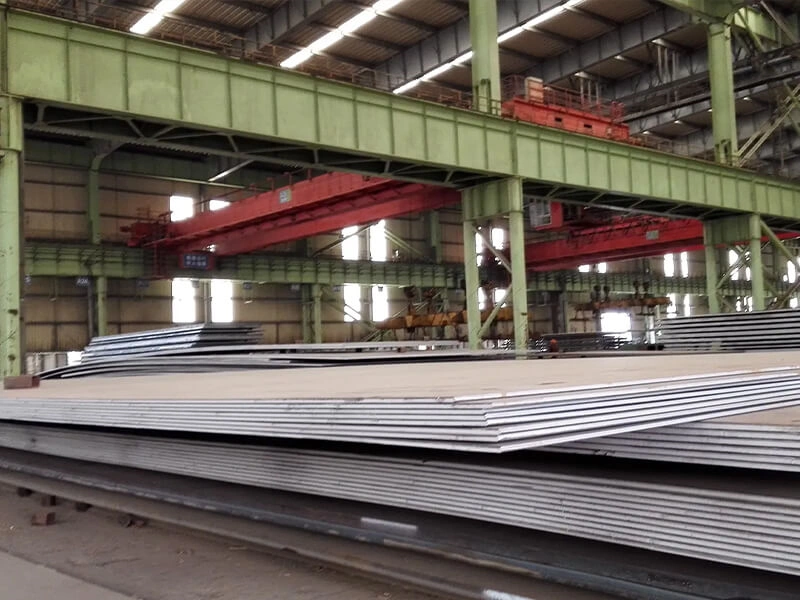
Let’s map common technologies onto the classic procurement journey for a batch of marine steel and see the concrete improvements at each stage.
A Step-by-Step Tech-Enabled Procurement Journey
Follow a purchase order for AH36 plate as it moves through a digitally enhanced system.
Step 1: Need Identification & Requisition
- Old Way: Engineer emails a PDF drawing to procurement. Procurement manually types a material list.
- Tech Improvement: Integration with CAD/Design Software. The naval design system (like CADMATIC, NAPA) can automatically generate a structured Bill of Materials (BOM) with grades, dimensions, and quantities. This BOM flows directly into the procurement system, eliminating manual entry errors.
Step 2: Sourcing & Request for Quotation (RFQ)
- Old Way: Email RFQ to a shortlist. Chase responses. Manually enter quotes into a spreadsheet for comparison.
- Tech Improvement: e-Sourcing Platform1. The system sends the digital BOM to pre-approved suppliers. Suppliers submit quotes directly into the platform. The system auto-generates a comparison matrix. Some platforms even allow for reverse auctions for commodity items.
Step 3: Supplier Selection & Purchase Order (PO)
- Old Way: Select supplier, create PO in ERP, print, sign, scan, email.
- Tech Improvement: Integrated ERP/P2P System2. Click "Award" in the e-sourcing tool. The system auto-generates a PO in the ERP, routes it for electronic approval, and upon approval, sends it directly to the supplier’s system via Electronic Data Interchange (EDI) or a supplier portal. No paper, no delay.
Step 4: Order Tracking & Logistics
- Old Way: Email and phone calls to supplier for updates. "Where is my steel?"
- Tech Improvement: Supplier Portal & IoT Tracking3. The supplier updates milestones (production start, inspection done, loaded on vessel) in a shared portal. For breakbulk, IoT sensors on bundles can provide GPS location and condition (shock, temperature) data in real-time.
Step 5: Goods Receipt & Documentation
- Old Way: Steel arrives. Clerk checks against paper PO. Files paper MTC in a cabinet.
- Tech Improvement: Mobile GR & Digital Document Hub. Clerk uses a tablet to scan material markings and receive against the digital PO. Supplier uploads digital MTCs and packing lists to the portal in advance. The system matches documents to the PO and flags any discrepancies.
Step 6: Invoice & Payment
- Old Way: Supplier sends paper invoice. AP matches it to PO and paper receiving documents—a slow, error-prone "three-way match."
- Tech Improvement: Automated 3-Way Match & e-Invoicing4. The system automatically matches the digital invoice to the digital PO and the digital proof of receipt. If all match, it schedules payment. This slashes invoice processing time from weeks to days.
The entire process becomes a digital thread, with full visibility for both buyer and supplier. This is the level of efficiency that modern, competitive marine projects demand.
What role does technology play in the steel industry?
Technology isn’t just for buyers. It’s revolutionizing the steel industry itself, from the blast furnace to the final delivery. A supplier who leverages these technologies can offer you better quality, faster delivery, and more innovative services.
Technology plays a critical role in the steel industry at three levels: 1) Production (Industry 4.0: AI, IoT, automation for quality and efficiency), 2) Product Development (advanced metallurgy and simulation for new grades), and 3) Supply Chain & Customer Service (digital platforms for ordering, tracking, and data sharing). This enables smarter, greener, and more responsive steel manufacturing and distribution.
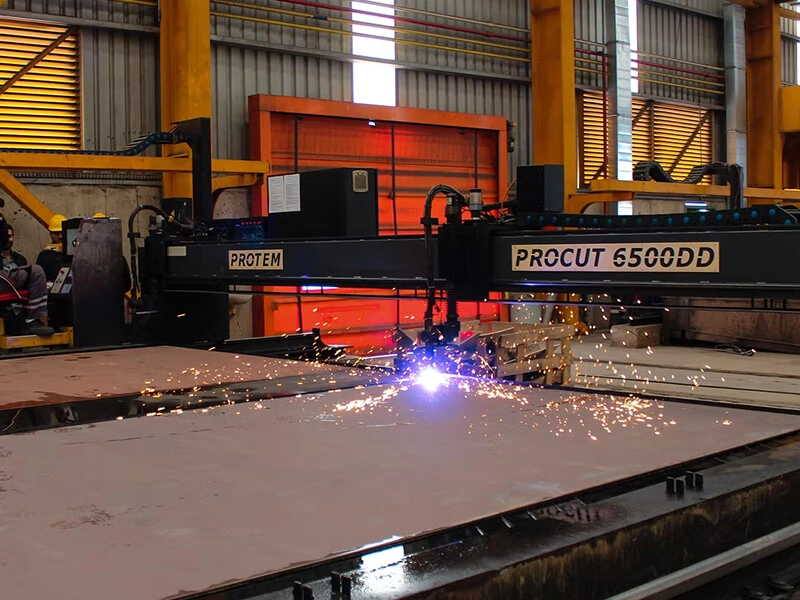
When your supplier invests in these technologies, you benefit directly. You’re not just buying steel from a mill; you’re buying from a technologically advanced system. Let’s explore the impacts.
Technology’s Impact from Mill to Customer
The digital revolution is making steel production more precise, traceable, and customer-centric.
1. In the Mill: Precision and Consistency (Industry 4.0)
- Process Control: AI and machine learning analyze vast amounts of sensor data from the production line to optimize parameters in real-time, ensuring tighter chemistry and property control. This means more consistent AH36 from heat to heat.
- Predictive Maintenance1: IoT sensors on rolling mills predict equipment failures before they happen, reducing unplanned downtime and production delays.
- Quality Inspection: Automated surface inspection systems using high-resolution cameras and AI detect defects (slivers, scratches, pits) that human inspectors might miss, ensuring the plate you receive is flawless.
2. In Product Development: Creating the Steels of Tomorrow
- Computational Metallurgy2: Scientists use supercomputers to simulate the effect of different alloying elements and processes, accelerating the development of new high-strength or corrosion-resistant grades for future ships and offshore platforms.
- Additive Manufacturing (3D Printing)3: While not for bulk plate, it’s used for prototyping complex ship components or making custom tooling.
3. In the Supply Chain and Customer Interface:
This is where you, the buyer, interact most directly with the technology.
- Digital Twin of the Coil/Plate: Some advanced mills assign a digital twin4 to each coil or plate. This digital record contains all production data (heat chemistry, rolling parameters, test results). A supplier with access to this can provide you with an unparalleled depth of material data.
- Online Configurators & Quotation Tools: Instead of emailing back and forth, you can use a supplier’s online tool to select grade, dimensions, processing, and get an instant preliminary quote.
- Blockchain for Traceability5: Pilots are underway where each material transfer and test result is recorded on a blockchain, creating an immutable, shared record of provenance and quality from ore to your yard. This could revolutionize trust in certifications.
What This Means for Your Procurement:
- Higher Quality Assurance: Technology reduces human error in production and inspection.
- Faster Response Times: Automated systems can generate quotes and technical data faster.
- Enhanced Transparency: You could eventually access the digital twin4 of your batch of steel to see its full production history.
- New Services: Suppliers might offer predictive analytics on your steel inventory or weldability recommendations based on the specific batch’s digital data.
A forward-thinking supplier is not just a conduit for metal; they are a translator and provider of this technological value. Our own use of digital tools for fast communication and document handling is a basic example of applying technology to improve the customer interface.
What are the benefits of electronic procurement?
You’ve heard of e-procurement, but is it worth the investment for buying heavy steel? The benefits go far beyond just "going paperless." It creates a strategic advantage in cost, control, and compliance that directly impacts your project’s bottom line.
The benefits of electronic procurement (e-procurement) include significant cost reduction1 (via process efficiency and better pricing), dramatically improved process speed and accuracy, enhanced spend visibility and control2, strengthened compliance with internal policies and external regulations, and the creation of a digital audit trail for all transactions.

For marine steel, where orders are large, specifications are complex, and compliance is mandatory, these benefits are magnified. Let’s quantify them in the context of your operations.
Quantifying the e-Procurement Advantage for Marine Steel
The return on investment (ROI) for e-procurement in a shipyard or fabricator is clear and measurable.
1. Hard Cost Savings:
- Process Cost Reduction: The cost to process a single PO manually can be $50-$100. Automating it can reduce this to $5-$10. For a yard that issues hundreds of steel POs a year, the savings are substantial.
- Price Reduction: e-Sourcing tools facilitate better negotiation through transparency and competition. They also help consolidate spend, giving you more leverage. Saving even 1-2% on a multi-million dollar steel budget is a major win.
- Error Reduction: Mistakes in manual PO entry (wrong grade, size) lead to rework, waste, and delays. E-procurement with validated drop-down lists and BOM integration eliminates these errors.
2. Operational Efficiency & Speed:
- Cycle Time Reduction: The time from identifying a need to issuing a PO can be cut by over 50%. This allows for more agile response to project changes.
- Faster Onboarding: Approving and onboarding a new supplier (like when you found us via a Google search) can be done digitally with automated checks, getting you access to new sources faster.
3. Control, Compliance, and Risk Mitigation:
- Policy Enforcement: The system can be configured so that orders over a certain value automatically require competitive quotes, or that only certified marine grades from an approved supplier list can be selected. This enforces best practice.
- Complete Audit Trail: Every action—who requested, who approved, which quotes were received, which certificate was uploaded—is timestamped and recorded. This is invaluable for internal audits, class society audits, or resolving disputes.
- Regulatory Compliance: Easily generate reports for duties paid, origin of materials, or carbon footprint data if required by future regulations.
4. Strategic Value: Data & Supplier Relationships
- Spend Intelligence: With all data in one system, you can analyze trends. "Are we using more DH36 this year due to more Arctic projects?" This informs future capacity planning.
- Performance Management: Track supplier KPIs objectively. You can see which suppliers consistently meet delivery dates, whose certificates are always perfect, and who provides the best technical support. This transforms supplier management from subjective to objective.
The Digital Handshake with Your Supplier:
The most advanced benefit is system-to-system integration3. Your e-procurement system talks directly to your supplier’s order management system.
- Your ERP automatically sends a PO.
- Our System automatically acknowledges it, reserves inventory or mill capacity, and returns a scheduled production date.
- You see this update in your portal instantly.
This level of integration creates a seamless, low-friction partnership. It turns the procurement process from a series of transactions into a connected, collaborative workflow. This is the future state that delivers the highest efficiency gains for both buyer and supplier.
Conclusion
Digital tools revolutionize marine steel procurement by automating workflows, providing real-time data and visibility, enabling strategic spend analysis, and fostering seamless, transparent collaboration between shipyards and their suppliers.
-
Explore how significant cost reduction can enhance your procurement strategy and improve your bottom line. ↩ ↩ ↩ ↩
-
Discover the importance of spend visibility in making informed purchasing decisions and optimizing budgets. ↩ ↩ ↩ ↩
-
Learn how system-to-system integration can streamline operations and foster better supplier relationships. ↩ ↩ ↩ ↩
-
Understanding digital twins can provide insights into how data enhances steel production transparency. ↩ ↩ ↩ ↩
-
Learn how blockchain technology can revolutionize trust and transparency in steel material provenance. ↩ ↩
-
Discover how spend analytics can provide insights for better cost control and strategic sourcing. ↩