
You order AH36 and A grade together. They look identical. One wrong piece goes into the wrong part.
You manage multiple grades by identifying and separating steel at receiving, using color‑coded storage, maintaining traceability even when heat numbers overlap, and training production teams to verify grade before cutting.
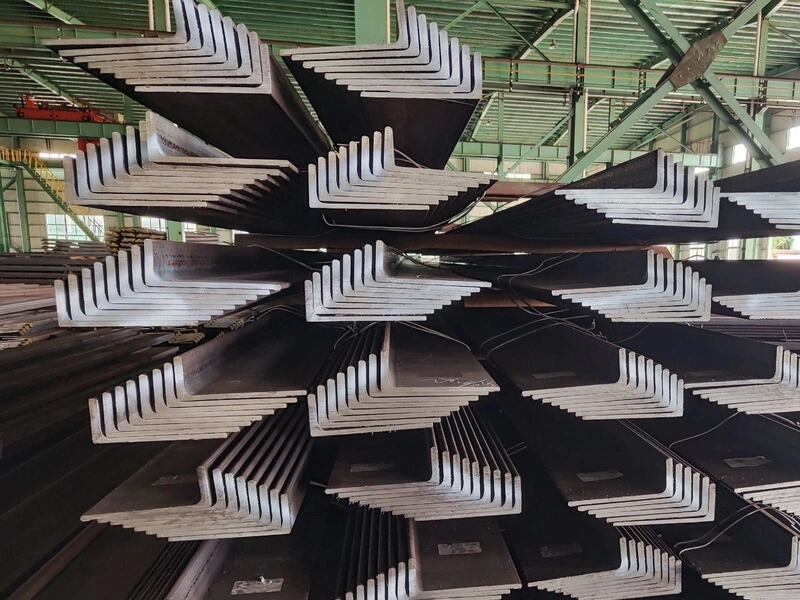
I have seen shipyards struggle with mixed grades. The steel arrives. The welders grab the first piece they see. A high‑strength AH36 piece ends up where mild A grade is fine. Or worse – the opposite. That creates weak spots. Over the years, I have helped my clients set up simple systems to prevent these mistakes. Let me walk you through what works.
How Do You Clearly Identify and Separate Different Steel Grades at Receiving?
The truck arrives. Bundles of different grades are mixed together. Your team unloads everything into one pile.
You identify and separate grades by checking bundle labels, matching heat numbers to packing lists, and physically moving each grade to its own designated zone before any steel is stored in the main yard. mdmetals
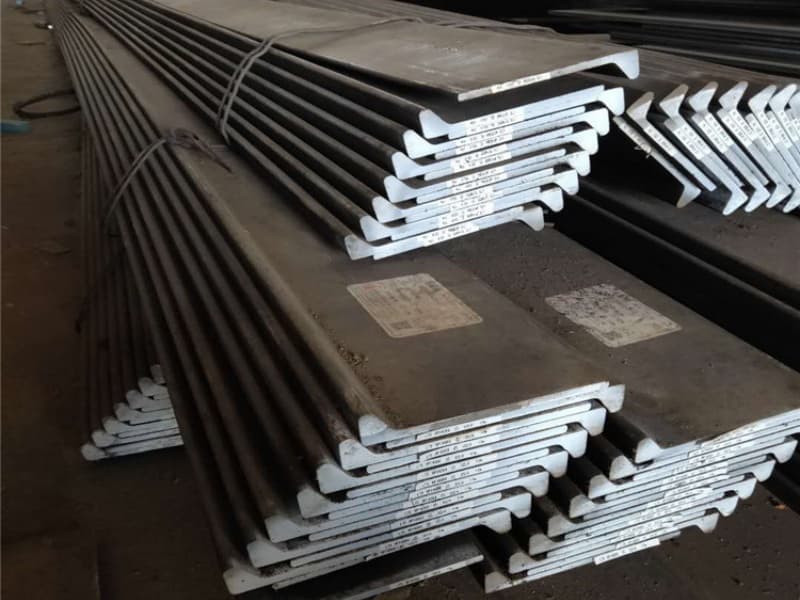
The first hour decides the next month
I had a client in Thailand. He ordered 200 tons of L‑shaped steel: 150 tons of AH36 and 50 tons of A grade. The bundles were not clearly marked. His team unloaded everything into one area. Two weeks later, a welder used an A grade piece where AH36 was required. The weld failed inspection. The rework cost $4,000. After that, he changed his receiving process.
So let me show you how to do it right.
First, prepare before the truck arrives. Do not wait until steel is on the ground. Ask your supplier to send a digital packing list 24 hours before delivery. The list should show:
- Bundle numbers and their grades
- Quantity per bundle
- Color code or marking (if used)
Then assign a receiving team member to be the "grade checker" for that delivery.
A stronger alternative for the last sentence is to link grade checker or receiving team member to the steel receiving checklist and link color code or marking to steel color coding guidance. ntia
Second, the three‑step receiving process.
| Step | Action | Responsible |
|---|---|---|
| 1 | Check each bundle’s label against the packing list before unloading | Receiving clerk |
| 2 | Use a handheld spray can to mark each bundle with a grade color (e.g., yellow for AH36, white for A grade) | Unloader |
| 3 | Move each bundle directly to its designated zone – do not place on the ground in a mixed area | Forklift operator |
Third, designated receiving zones. Before the steel arrives, mark three areas in your receiving yard:
| Zone | Grade | Color Code |
|---|---|---|
| Zone A | AH36 | Yellow spray mark |
| Zone B | Grade A | White spray mark |
| Zone Q (quarantine) | Unsure or unmarked | Red spray mark |
For the zone language, the best supporting link is the warehouse receiving/staging reference, since it explains why materials should pass through a receiving area before storage. For the color-coding line, the most relevant support is the metals color-marking guide, which treats paint as a visual aid for identification rather than the only traceability method. mecalux
Any bundle that is missing a label or has a damaged label goes straight to Zone Q. Do not release it to production until you verify the grade with the supplier.
Fourth, what to do if you find a mix‑up during receiving. If you see two different grades in the same bundle, reject the whole bundle. Take a photo. Call your supplier immediately. Do not accept it. I have replaced bundles like this for my clients at no charge. A good supplier will too.
Your receiving checklist
- Digital packing list received before truck arrives
- One person assigned as grade checker
- Color‑coded spray cans ready
- Designated zones marked on the yard floor
- Quarantine zone for unmarked bundles
Train your receiving team once a month on this process. It takes 10 minutes. It saves thousands.
For the quarantine wording, the strongest support is the material quarantine reference, which matches the “hold until verified” idea. sgsystemsglobal
What Storage and Marking Practices Prevent Grade Mix‑Ups in the Shipyard?
Steel is stored for weeks. Labels fall off. Paint fades. People forget which pile is which.
Prevent mix‑ups by using physical separation (different racks or bays), applying weather‑resistant grade tags, painting the ends of each piece with grade colors, and updating a storage map daily.

Make the grade impossible to miss
I visited a yard in Vietnam. They had two piles of L100x100x10 steel. One pile was AH36. One pile was A grade. Both piles were next to each other. The labels on the bundles had fallen off. No one knew which was which. They had to test samples from each pile. That took two days and cost $800 in lab fees.
So let me share the storage system that prevents this.
First, physical separation – not just a gap. Do not put different grades in the same row. Use separate racks or bunkers with at least 2 meters of space between them. Better yet, put a physical barrier like a chain or a painted line on the floor.
| Separation Method | Effectiveness | Cost |
|---|---|---|
| Same rack, different ends | Low – people forget | Free |
| Different racks, side by side | Medium – still easy to mix | Low |
| Different racks with painted floor lines | High – clear boundary | Very low |
| Different racks with barriers (chains, ropes) | Very high | Low |
Second, redundant marking. Do not rely on one label. Use three independent markings on every piece or bundle.
| Marking Type | Material | How Long It Lasts |
|---|---|---|
| Bundle tag (laminated paper) | Plastic or laminated card | 3‑6 months indoors |
| Spray paint on bundle ends | Oil‑based paint | 6‑12 months |
| Paint stripe on each piece | Alkyd paint | 12‑24 months |
| Stamped heat number (existing) | Metal stamp | Permanent |
For long‑term storage, use at least two of these. I recommend spray paint on bundle ends plus a painted stripe on each piece.
Third, a daily storage map. Use a whiteboard or a simple spreadsheet to show where each grade is stored. Update it every time steel is moved.
| Bay | Grade | Size | Quantity (tons) | Date Arrived |
|---|---|---|---|---|
| Bay A1 | AH36 | L100x100x10 | 45 | Mar 10 |
| Bay A2 | Grade A | L100x100x10 | 30 | Mar 12 |
| Bay B1 | AH36 | L125x125x12 | 25 | Mar 15 |
One of my clients in Malaysia has a whiteboard in the storage yard. The forklift driver updates it when he moves steel. Everyone can see where each grade is.
Fourth, weekly grade audits. Every Friday, assign one person to walk the storage yard and check:
- Are all bundles still properly marked?
- Are the painted colors still visible?
- Is steel in the correct bay according to the map?
- Are there any unmarked pieces?
If an audit finds a problem, fix it immediately. Do not wait until Monday.
A simple color code that works
| Grade | Paint Color on Ends | Spray Mark on Bundle |
|---|---|---|
| AH36 | Yellow | Yellow band |
| DH36 | Orange | Orange band |
| Grade A | White | White band |
| Grade B | Blue | Blue band |
| Unknown / Quarantine | Red | Red X |
I send my clients a color code chart with every order. Their team uses the same colors. No confusion.
How Do You Handle Traceability When Multiple Grades Share the Same Heat Number?
A heat number usually belongs to one grade. But sometimes a mill produces two different grades from the same heat by changing rolling or heat treatment.
When multiple grades share a heat number, you cannot rely on heat number alone. You must use additional marking (grade stamp or paint) and keep separate lot records for each grade.
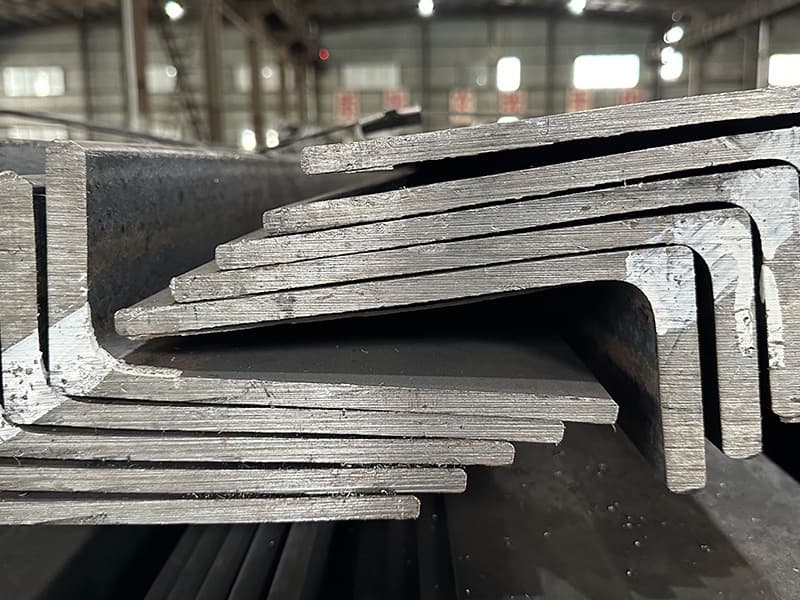
When the heat number lies (a little)
I had a client in Qatar. He received a shipment of L‑shaped steel. Two different grades – AH36 and DH36 – had the same heat number on their MTCs. His quality team thought it was a mistake. They almost rejected the whole shipment. Then I explained: the mill rolled the same liquid steel into two different products. The chemistry was the same. The mechanical properties were different because of different rolling temperatures. We had to mark the grades separately.
So let me explain how this happens and what to do.
First, why multiple grades can come from one heat number. A single ladle of liquid steel has one chemistry. That chemistry can meet the requirements for multiple grades. For example, a chemistry with 0.16% carbon and 1.2% manganese can be rolled as AH36 (if cooled fast) or as Grade A (if cooled slowly). The mill decides which grade to assign based on the rolling parameters. For background on grade marking and traceability in marine steel, see marking and traceability in marine grade steel plates.
| Grade | Same Chemistry? | Different Process | Resulting Properties |
|---|---|---|---|
| AH36 | Yes | Controlled rolling + accelerated cooling | Higher yield strength |
| Grade A | Yes | Normal rolling + air cooling | Lower yield strength |
Second, how to trace steel when heat numbers overlap. You need a secondary identifier. Here is what I recommend: durable identification tags also help when bundles are stored or handled outdoors, such as marine-grade stainless steel tags.
| Identifier | Where to Apply | For This Situation |
|---|---|---|
| Grade stamp (e.g., "AH36") | On each piece, near the heat number | Best – permanent |
| Paint dot (color by grade) | On each piece end | Good – visible from afar |
| Separate bundle numbering | Bundles grouped by grade | Required |
| Separate MTC for each grade | Document | Required even if heat number same |
Third, what to ask your supplier. Before you order, ask:
- Will the same heat number be used for different grades in this order?
- If yes, how will you differentiate the pieces? (Grade stamp? Paint? Separate bundles?)
- Can you provide separate MTCs for each grade even with the same heat number?
I always provide separate MTCs and separate bundle labels when this situation occurs. I also take photos showing the grade stamp next to the heat number.
Fourth, a sample traceability record for mixed grades with same heat number.
| Heat Number | Grade | Bundle Number | Piece ID | Stamp on Piece | MTC Reference |
|---|---|---|---|---|---|
| H22031 | AH36 | B101 | 001-050 | "AH36" + heat number | MTC‑AH36‑001 |
| H22031 | Grade A | B102 | 051-100 | "A" + heat number | MTC‑A‑001 |
Your receiving team should check both the heat number and the grade stamp. If either is missing, quarantine the bundle. For steel color coding and visual marking practices, a reference chart like steel color code guidance can also help standardize shop-floor identification.
Your traceability checklist for shared heat numbers
- Supplier informed you in advance if same heat number is used for multiple grades
- Each piece has a grade stamp (not just a bundle label)
- Separate MTCs provided for each grade
- Separate bundle numbers used for each grade
- Photos of stamps available before shipment
I have never had a client reject my steel because of this issue. I make sure the grade is clear on every piece.
What Production Strategies Reduce the Risk of Using the Wrong Grade During Fabrication?
The steel is in the yard. The welder needs a piece. He grabs the closest one. That is when mistakes happen.
Production strategies include using a two‑person verification system before cutting, color‑coding the work orders, keeping different grades in separate workstations, and using a simple checklist for each cut.
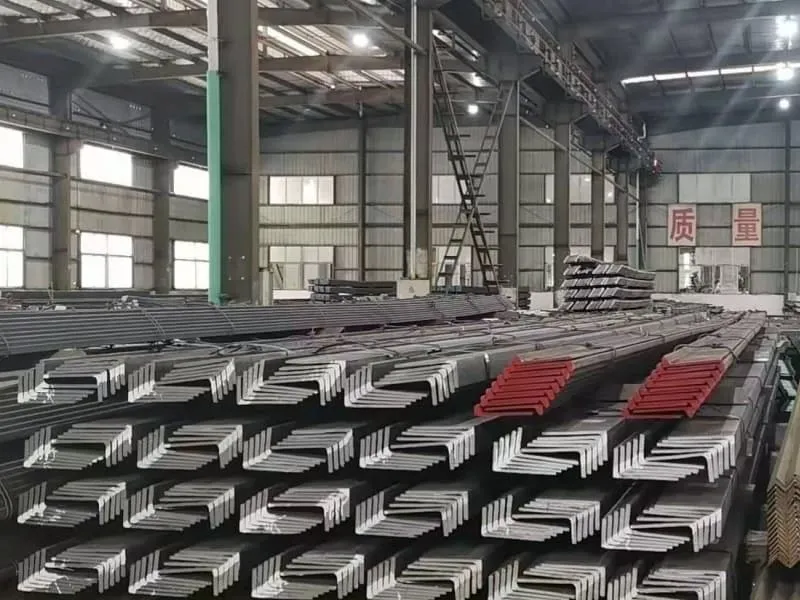
The two‑second check that saves your weld
I remember a fabrication shop in Mexico. They were building a small barge. The work order said "AH36 for bottom stiffeners." A welder grabbed a piece from the Grade A pile by mistake. He cut it, fit it, and welded it. The next day, the quality inspector caught it. The piece had to be cut out. The rework cost 8 hours of labor and a week of schedule delay.
So let me share the production strategies that prevent this.
First, the two‑person verification rule. Before any piece is cut, two people must check the grade:
| Step | Person 1 | Person 2 |
|---|---|---|
| Read work order | Foreman | Welder |
| Check steel piece grade stamp | Foreman | Welder |
| Confirm match verbally | Foreman says "AH36" | Welder says "AH36" |
| Proceed to cut | Yes | Yes |
This takes 5 seconds. It stops 99% of grade errors.
Second, color‑coded work orders. Match the work order paper color to the steel paint color.
| Grade | Work Order Paper Color | Steel End Paint |
|---|---|---|
| AH36 | Yellow | Yellow |
| Grade A | White | White |
The welder sees a yellow work order. He looks for yellow paint on the steel. If the steel is not yellow, he does not cut it.
Third, separate workstations for different grades. If you have space, assign different cutting stations for different grades.
| Workstation | Grade | Equipment |
|---|---|---|
| Station 1 | AH36 | Band saw #1 |
| Station 2 | Grade A | Band saw #2 |
| Station 3 (if needed) | DH36 | Cold saw |
If a piece of Grade A steel ends up at Station 1, the operator will notice because the station should only have AH36 pieces.
Fourth, a simple cut log. For each cut, record:
| Date | Work Order | Grade | Piece ID | Used For | Verified By |
|---|---|---|---|---|---|
| Apr 10 | WO‑101 | AH36 | B101‑015 | Frame 10 | Tom (foreman) |
This log helps you trace back if a problem is found later.
A production floor checklist
- All work orders clearly state the grade required
- Work order paper color matches steel paint color
- Two people verify grade before every cut
- Separate workstations for different grades (if space allows)
- Cut log is filled out for each piece
One of my clients in Saudi Arabia uses the two‑person rule. In one year, they had zero grade‑related rejections. That is the power of a simple system.
Conclusion
Separate grades at receiving, mark them clearly, trace even when heat numbers overlap, and verify every cut with two people. That is how you manage mixed grades without mistakes.