
Your shipbuilding project is on schedule. Then the steel supplier calls. Prices are going up. Again. Your budget is suddenly under pressure. You need to understand why. The connection between global shipping activity and the price of marine steel plate is direct and powerful. When shipping recovers, steel prices move.
A global shipping recovery increases demand for new ships and repairs, which drives up consumption of marine steel plates. This increased demand, combined with potential supply constraints at mills, leads to higher prices. The effect is amplified by regional factors like import duties, currency fluctuations, and local market conditions. Understanding these drivers helps buyers anticipate and manage price changes.
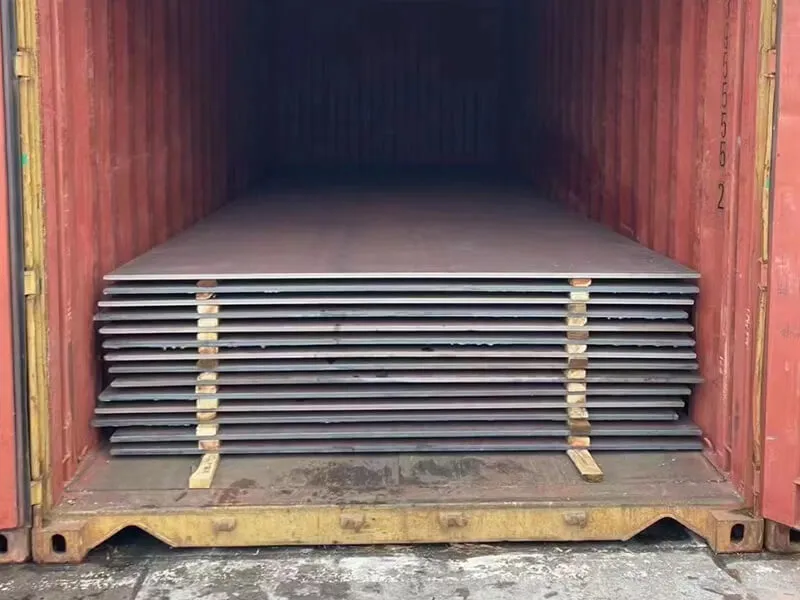
The price of steel plate is not a fixed number. It moves with markets. To understand where prices are going, you need to understand where they are today. Let’s start with the basic question every buyer asks.
What is the rate of SS plate per kg?
You are comparing quotes for stainless steel plate1. The numbers vary widely. One supplier quotes ₹180/kg. Another quotes ₹350/kg. Which is correct? The answer depends on the grade, the finish, and the market conditions. If you do not understand these factors, you cannot evaluate the quotes.
The rate of stainless steel (SS) plate per kg varies significantly by grade and market conditions. As of January 2026, SS 3042 plate is priced between ₹180-220 per kg in India, while SS 3163 plate ranges from ₹280-350 per kg [citation:2]. The price difference reflects the higher alloy content, especially nickel and molybdenum, in grade 316 which provides superior corrosion resistance for marine applications [citation:2].
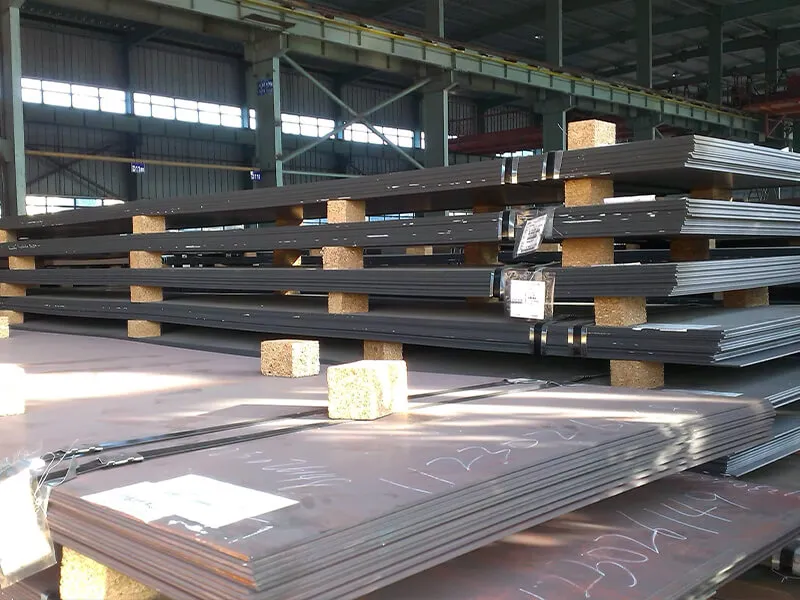
Understanding Stainless Steel Pricing
Stainless steel is not a single product. The grade determines the price.
1. The Grade Matters.
- SS 3042: This is the most common stainless grade, with 18% chromium and 8% nickel. It is suitable for many applications but has limited resistance to chlorides like seawater. Current prices are ₹180-220/kg [citation:2].
- SS 3163: This is the marine grade. It contains molybdenum (2-3%) which provides superior resistance to corrosion from saltwater. This extra alloying element costs money. SS 3163 is priced at ₹280-350/kg, roughly 50% higher than 304 [citation:2].
- SS 202: A cheaper alternative with manganese replacing some nickel. It costs ₹140-170/kg, about 25% less than 304. But it has lower corrosion resistance and is not suitable for marine environments [citation:2].
2. Why Nickel Drives the Price.
The single biggest factor in stainless steel price4 is nickel. It makes up 8-10% of SS 3042 and costs ₹1500-2000 per kg on its own. This one element accounts for over half the raw material cost [citation:2]. When nickel prices5 move on the London Metal Exchange (LME), stainless steel price4s follow.
3. Form and Finish.
- Form: Plate, sheet, coil, and bar have different production costs. Plate is typically more expensive per kg than sheet because it is thicker and requires more rolling.
- Finish: A standard 2B finish is the baseline. A bright annealed (BA) finish adds ₹10-20/kg [citation:2].
- Quantity: Bulk orders (over 500kg) qualify for volume discounts [citation:2].
4. Regional Variations.
Prices differ by region. In China, FOB export prices for stainless products reflect local market conditions. In India, domestic prices are influenced by local production and import duties. Always get quotes based on your specific location and delivery terms.
My Insight from the Field
A client in Saudi Arabia once asked us for a quote on "stainless steel plate1." We asked: "Which grade? 304 or 316? For what application?" They said it was for a desalination plant component exposed to seawater. We explained that 304 would likely fail due to chloride corrosion and recommended 316. The price was higher, but the material would last. They thanked us for saving them from a costly mistake. This taught me that when asking "what is the rate," you must first ask "what is the right grade for the job."
How much is one steel plate?
You are planning your material take-off. You need to budget for a specific number of plates. But steel plate is sold by weight, not by piece. The cost of "one plate" depends entirely on its dimensions. A 6mm thick plate costs much less than a 40mm thick plate of the same area. Understanding this helps you estimate accurately.
The cost of one steel plate is calculated by its weight times the price per ton. Weight = (Length x Width x Thickness) x Density of steel (7.85 g/cm³). For example, a standard 6m x 2m x 20mm marine plate weighs approximately 1,884 kg. At a price of $700/ton, this one plate costs about $1,319. Larger or thicker plates cost proportionally more.
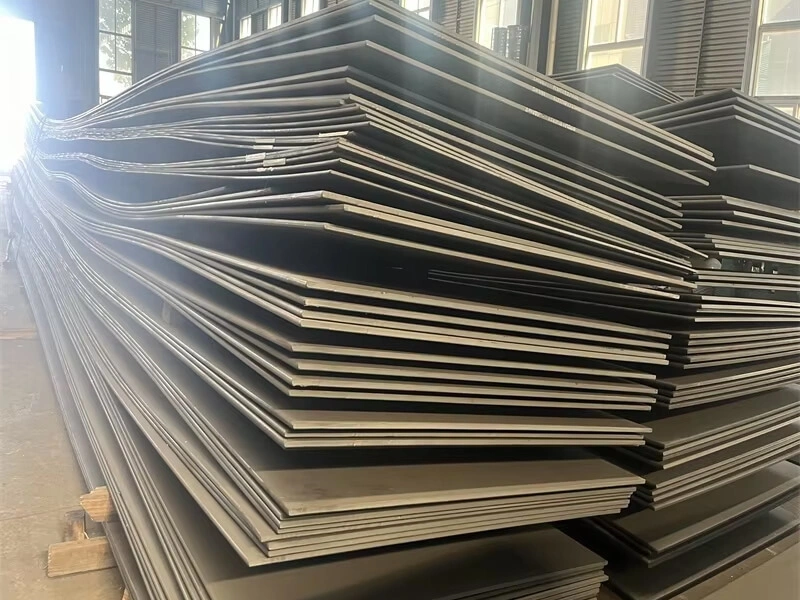
Breaking Down the Cost of a Plate
To budget accurately, you must be able to calculate the cost of any plate.
1. The Weight Calculation Formula1.
The formula is simple: Weight (kg) = Length (m) x Width (m) x Thickness (mm) x 7.85.
- Length and Width in meters.
- Thickness in millimeters.
- 7.85 is the density of steel in g/cm³, converted for this formula.
2. Examples of Plate Costs.
Let’s use a hypothetical price of $700 per metric ton (FOB mill). This is for illustration; actual prices fluctuate.
| Plate Dimensions (L x W x T) | Weight Calculation | Weight (kg) | Cost at $700/ton |
|---|---|---|---|
| 6m x 2m x 10mm | 6 x 2 x 10 x 7.85 | 942 kg | $659 |
| 6m x 2m x 20mm | 6 x 2 x 20 x 7.85 | 1,884 kg | $1,319 |
| 12m x 3m x 30mm | 12 x 3 x 30 x 7.85 | 8,478 kg | $5,935 |
| 3m x 1.5m x 50mm | 3 x 1.5 x 50 x 7.85 | 1,766 kg | $1,236 |
3. Factors Beyond Weight.
- Grade Premium2: Marine grades (AH36, DH36) cost more than ordinary steel (Q235, A36). The premium reflects the alloying elements and certification.
- Quantity Discount3: Larger orders get better per-ton pricing. A single plate is the most expensive way to buy.
- Processing Costs4: If you need the plate cut to size, shot-blasted, or primed, these add cost.
- Delivery: Freight to your site adds to the final cost. A plate that costs $1,319 at the mill might cost $1,600 delivered.
My Insight from the Field
A client in Malaysia once asked us to quote "one steel plate, 20mm thick, 6m x 2m." They were surprised when the quote came back at over $1,300. They had assumed a plate would cost a few hundred dollars. We explained the calculation and showed them how the weight added up. They realized that steel is heavy, and heavy means expensive. This experience taught me that buyers new to the industry often underestimate the cost of steel because they do not visualize the weight. Now, we always include the calculated weight in our quotes so clients understand the basis of the price.
What is the cost of MS plate per kg?
You are comparing mild steel plate prices1 across suppliers. The numbers seem to move every week. One month it is $600/ton, the next it is $650. Why the fluctuation? Understanding the drivers of MS plate pricing helps you know when to buy and when to wait.
The cost of mild steel (MS) plate per kg varies by market conditions, region, and order quantity. In China, as of early 2026, the domestic price for ordinary medium plate (20mm, Q235) is approximately 3,327 yuan per ton, or about $460 USD per ton [citation:4]. Export prices for similar grades (SS400, A36) are typically higher, reflecting different market dynamics and specifications.
The Factors That Move MS Plate Prices
Several forces act on steel prices simultaneously.
1. Raw Material Costs2.
Steel starts with iron ore and coking coal. Their prices fluctuate based on global mining output, demand from China, and freight costs. When iron ore prices rise, steel prices follow.
2. Supply and Demand Balance3.
- Global Shipping Recovery: When shipping activity increases, shipyards order more steel. This increased demand pushes prices up [citation:5][citation:1].
- Mill Capacity: If mills are running near capacity, they can raise prices. If they have excess capacity, prices may soften.
- Regional Events: Unplanned outages at mills can tighten supply locally and push prices up [citation:8].
3. Trade Policy and Duties4.
Government actions can have immediate price impacts.
- Example – India: In early 2026, India imposed a safeguard duty of about 12% on selected steel imports. This curbed cheaper foreign steel and redirected demand to domestic producers. Local steel plate prices rose by $36/ton in a single week and $52/ton over three weeks [citation:5].
- Impact on Recycling: Higher domestic steel prices in India also drove up ship recycling prices, as the steel from recycled vessels became more valuable [citation:5].
4. Currency Exchange Rates5.
Steel is traded globally, often in US dollars. If your local currency weakens against the dollar, your cost in local currency goes up even if the dollar price stays the same.
5. Regional Price Variations6.
Different markets have different price levels.
- China: Domestic Q235 plate price around 3,327 yuan/ton (~$460) in February 2026 [citation:4].
- India: Local plate prices surged due to safeguard duties, reaching levels that made Indian recyclers the regional price leaders [citation:5].
- US: Plate prices in the US were around $990-1,080 per short ton (~$1,090-1,190/metric ton) in early 2026, reflecting different market conditions [citation:8].
My Insight from the Field
A client in Pakistan once delayed a large plate order, hoping prices would drop. Instead, raw material costs rose and the price increased by 8% over two months. They ended up paying more than if they had ordered when they first planned. I explained to them that steel markets are volatile and trying to time the bottom is risky. A better strategy is to budget for a range and order when the project schedule requires it, not when the price feels "right." Now, they focus on securing mill allocation early and accept that prices will fluctuate within a band.
How much is 1 ton of steel1?
You are budgeting a project that needs hundreds of tons of steel. The total cost depends on the price per ton. But "1 ton of steel1" is not a fixed price. It varies by product type, grade, and market conditions. Understanding the current price level helps you build realistic budgets and evaluate supplier quotes.
As of early 2026, the price of 1 metric ton of steel varies widely by product and region. In China, ordinary medium plate (Q235) is about $460 USD per ton domestic [citation:4]. In the US, plate prices are around $1,090-1,190 per metric ton [citation:8]. Marine grades (AH36, DH36) command a premium over these base prices. Stainless steel is significantly higher, with SS 304 at $1,100-1,350 per ton and SS 316 at $1,700-2,150 per ton, depending on form and finish [citation:2][citation:10].
The Many Prices of "One Ton of Steel"
The phrase "one ton of steel" is meaningless without context. Here is what you need to specify.
| 1. Product Type. | Product | Typical Price Range (USD/ton) | Notes |
|---|---|---|---|
| Ordinary Plate (Q235, China domestic)2 | ~$460 | February 2026 price [citation:4] | |
| Ordinary Plate (A36/SS400, FOB China export) | ~$520-580 | Depends on port and quantity [citation:6] | |
| Ship Plate (Grade A, FOB China) | Premium over ordinary plate | Exact price varies with market [citation:6] | |
| US Plate (domestic) | ~$1,090-1,190 | Early 2026 price [citation:8] | |
| SS 304 Plate3 | ~$1,100-1,350 | Based on ₹180-220/kg [citation:2] | |
| SS 316 Plate | ~$1,700-2,150 | Based on ₹280-350/kg [citation:2] |
2. What’s Included in the Price.
A "price per ton" quote must specify what it covers.
- EXW (Ex-Works): Price at the mill or warehouse. You pay all transport and export costs.
- FOB (Free On Board)4: Price includes delivery to the port and loading onto the ship.
- CIF (Cost, Insurance, Freight): Price includes delivery to your destination port.
- Grade and Certification: Marine grades with class society certification cost more than ordinary grades.
- Processing: Shot-blasting, priming, or cutting add cost.
3. Recent Market Movements.
- India: Steel plate prices surged in January 2026 due to safeguard duties, rising $36/ton in one week [citation:5].
- China: Prices have seen slight declines in early 2026, with ordinary medium plate down 0.2-0.3% in late January [citation:3][citation:4].
- US: Prices rose at the start of 2026 on limited spot availability and expectations of higher scrap costs [citation:8].
My Insight from the Field
A client in the Philippines once asked us, "What is your price per ton for steel plate?" We asked: "Which grade? Which standard? Which quantity? FOB or CIF?" They were frustrated at first, thinking we were being difficult. We explained that the price could range from $500 to $1,500 depending on the answers. Once they understood, they provided a complete specification. We gave an accurate quote. This conversation taught me that "price per ton" is the beginning of a conversation, not the end. A good buyer knows their specification. A good supplier asks the right questions.
Conclusion
Global shipping recovery drives marine steel plate prices through increased demand, while regional factors like duties and local market conditions add volatility. Understanding price drivers helps buyers budget realistically and time their purchases wisely.
-
Understanding the price of 1 ton of steel is crucial for budgeting and evaluating supplier quotes. ↩ ↩ ↩ ↩ ↩ ↩
-
Get insights into the pricing of this common steel type to better budget your project. ↩ ↩ ↩ ↩ ↩ ↩
-
Learn about the factors affecting SS 304 Plate pricing to ensure you get the best deal. ↩ ↩ ↩ ↩ ↩ ↩
-
Understanding FOB can help you clarify shipping costs and negotiate better deals. ↩ ↩ ↩ ↩ ↩
-
Understanding currency fluctuations is crucial for predicting steel costs; this link offers valuable insights. ↩ ↩
-
Explore this resource to see how steel prices differ across various regions and what drives these differences. ↩