
Leading paragraph:
You are running a marine steel project. Everything looks fine until the L-shaped steel arrives late. Then the whole schedule falls apart. It is frustrating.
Snippet paragraph:
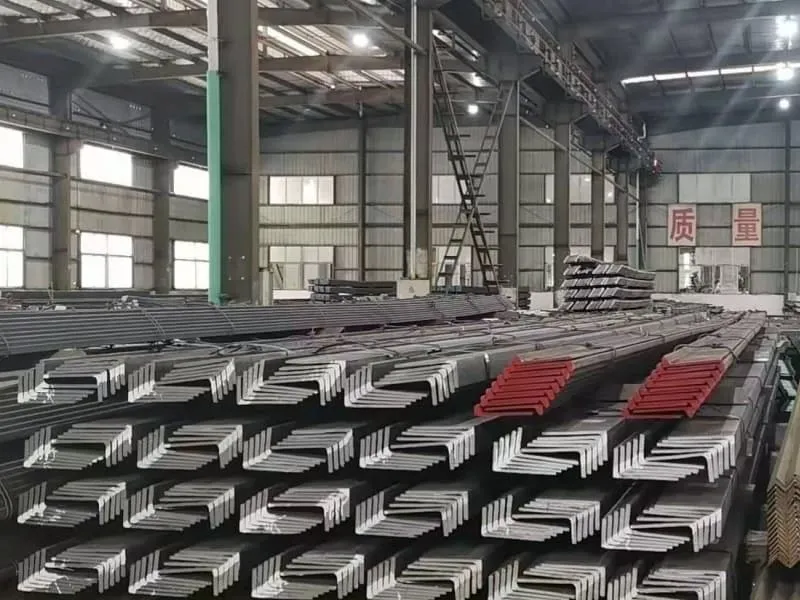
Integrated supply improves project efficiency by combining procurement, logistics, and inventory management into one system. It reduces delays, cuts hidden costs, and ensures materials arrive exactly when the fabrication shop needs them.
Transition Paragraph:
I have worked with marine steel for over ten years. I have seen projects succeed and fail. The difference often comes down to one thing: how the steel gets from the mill to the workshop. Let me break down what integrated supply really means for your L-shaped steel projects.
From Procurement to Production: How Do We Streamline the Material Flow?
Leading paragraph:
You buy steel from one supplier. You arrange shipping with another. You handle warehousing separately. Each step adds time. Each handover adds risk.
Snippet paragraph:
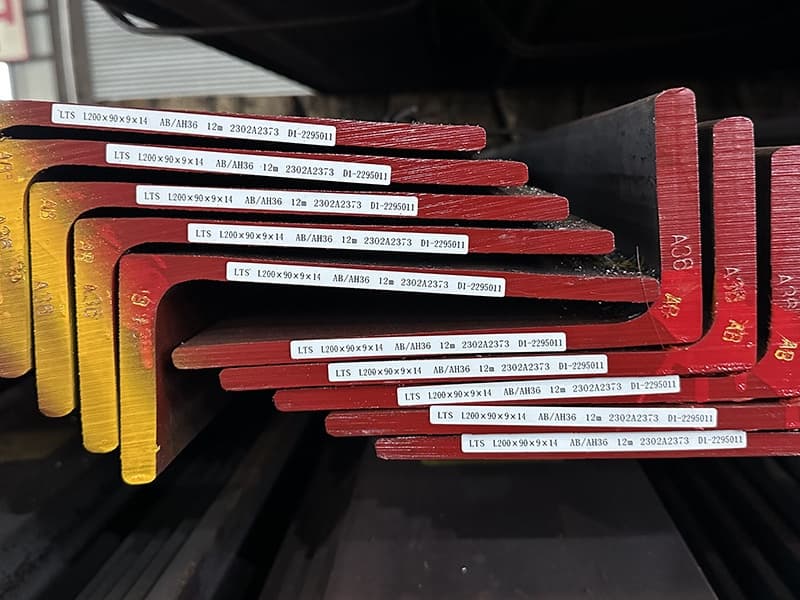
We streamline material flow1 by managing the whole chain from one point. We order from certified mills, arrange transport, and deliver directly to your workshop. This removes the gaps between different suppliers.
Dive deeper paragraph:
I remember a client from Malaysia. They were building three container vessels. Their previous supplier sent steel plates on time. But the L-shaped steel came from a different vendor. That vendor delayed shipment by three weeks. The whole project stopped. Workers stood around doing nothing. That is when they called us.
Material flow is not just about moving steel from point A to point B. It is about removing the friction between steps. When you buy from separate vendors, you create invisible walls. One vendor handles the mill order. Another manages the shipping. A third stores the material. Each wall adds communication delays. Each wall adds someone who does not know the full picture.
With integrated supply2, we take ownership of the entire flow. Let me show you what that looks like in practice:
| Stage | Traditional Approach | Integrated Supply Approach |
|---|---|---|
| Sourcing | Multiple mills, multiple quotes | Single source from certified mills |
| Procurement | Separate purchase orders | One consolidated order |
| Logistics | Different freight forwarders | Coordinated shipping schedule |
| Warehousing | Third-party storage | Direct-to-workshop delivery |
| Communication | Multiple contacts | One dedicated point of contact |
I have seen the numbers. When we handle the full flow, lead times3 drop by 15 to 20 percent. That is not a guess. That is what our clients in Vietnam and Saudi Arabia have experienced. The reason is simple. We do not wait for one vendor to finish before talking to the next. We plan all steps together from day one.
The best part is what happens to your team. Your people stop chasing orders. They stop calling different vendors to ask where the steel is. Instead, they focus on fabrication. They focus on welding. They focus on what they do best. That is real efficiency.
Just-in-Sequence Delivery: How Do We Align Supply with Fabrication Schedules?
Leading paragraph:
You have a fabrication schedule1. The steel arrives on time but in the wrong order. Your team spends hours moving materials around. The schedule still slips.
Snippet paragraph:
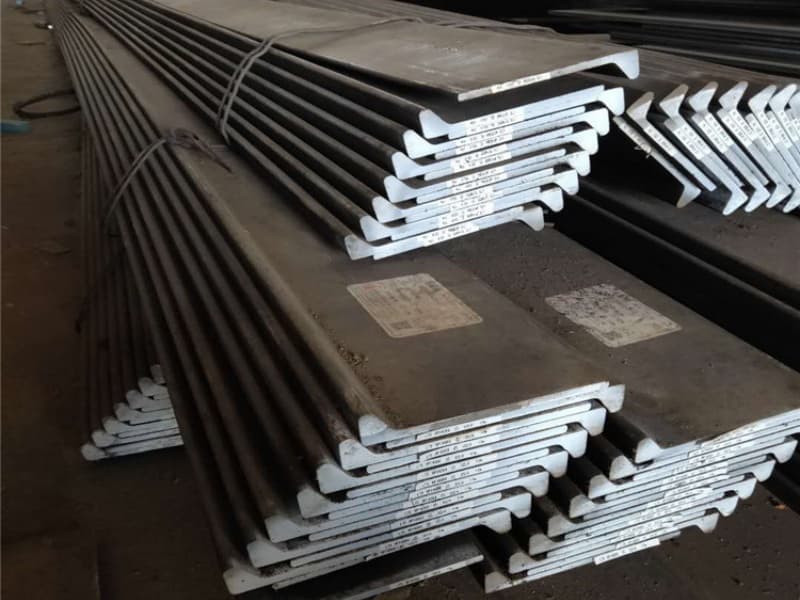
Just-in-sequence delivery2 means steel arrives not just on the right day but in the right order. The material goes straight to the workstation that needs it. No double handling. No wasted time.
Dive deeper paragraph:
Let me tell you about a project in Qatar. The client was building offshore platforms. Their fabrication shop had five different workstations. Each workstation needed different sizes of L-shaped steel. The old supplier shipped everything together in one container. The workshop team spent two days sorting through the steel. They moved pallets around. They identified what went where. Two days of labor with zero fabrication output.
That is the problem with just-in-time delivery. It only solves half the problem. You get the material on time. But it still needs sorting and moving. Just-in-sequence solves the other half.
With just-in-sequence, we coordinate with your fabrication schedule1 before we even load the truck. We ask you: what does workstation one need on Monday? What does workstation two need on Tuesday? Then we pack the steel in that exact order. The truck arrives. The first pallet goes to workstation one. The second pallet goes to workstation two. No sorting. No moving. No wasted labor.
Here is how we make that work:
-
Production schedule visibility: We connect with your team to understand your daily fabrication plan. We do not guess. We ask.
-
Sequenced packing: We label and arrange materials in the exact order of your production flow. First in line, first off the truck.
-
Flexible delivery windows: We do not ship everything at once. We break shipments into smaller, sequenced deliveries that match your consumption rate.
-
Real-time updates: We tell you when each truck leaves and when it will arrive. Your team knows what to expect.
I remember a buyer from Saudi Arabia. He told me: "Before, my team spent 30 percent of their time just handling materials. Now they spend maybe 10 percent. The rest goes into welding and assembly." That is the power of sequencing. It is not about faster shipping. It is about smarter delivery.
Cost Certainty and Risk Mitigation Through Single-Point Responsibility: Why Does It Matter?
Leading paragraph:
You work with multiple suppliers. One delays. Another sends the wrong size. Everyone blames everyone else. You are stuck in the middle.
Snippet paragraph:
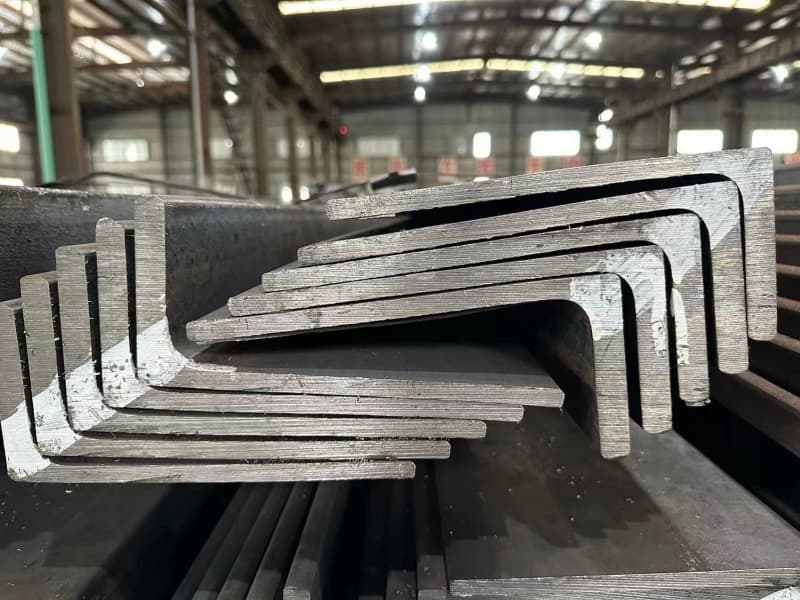
Single-point responsibility1 gives you one supplier to hold accountable. We handle sourcing, quality, logistics, and delivery. If something goes wrong, you call one person. We fix it. No finger pointing. No delays.
Dive deeper paragraph:
I want to share a story about Gulf Metal Solutions. They are a distributor in Saudi Arabia. Before they found us, they worked with three different Chinese suppliers. One supplied plates. Another supplied angles. A third supplied L-shaped sections. The plates arrived fine. The angles were delayed. The L-shaped steel had inconsistent surface finish.
When they asked about the quality issue, supplier three blamed the mill. Supplier two said the delay was because of a shipping problem. Supplier one did not even know the other two existed. The client spent days on phone calls. They got no real answers. They lost money on rework. Their own customers started complaining about delivery delays.
That is the problem with fragmented supply. You carry all the risk. You do the coordination. You absorb the delays. And when something goes wrong, you have no one to hold accountable.
With single-point responsibility, we change that model. Here is what we cover:
-
Quality responsibility2: We source from certified mills. We arrange SGS inspection before shipment. If the steel does not meet specifications, we take it back. You do not pay.
-
Delivery responsibility3: We manage the shipping schedule. We handle customs clearance when needed. If the material is late, you do not chase the freight forwarder. You call us.
-
Communication responsibility: We assign one export sales representative to your account. That person speaks English. That person knows your project. That person responds within hours, not days.
-
Cost responsibility4: We give you a fixed price. There are no surprise charges from different vendors. No unexpected freight fees. No hidden inspection costs.
Our client in Saudi Arabia told us after their first order: "The steel company was the first supplier to respond within two hours, and maintained this rapid response speed throughout the entire delivery process." That is what single-point responsibility looks like in real life. You have one number to call. One person to talk to. One company to hold accountable.
Digital Integration: How Do We Connect Supplier ERP with Shipyard MES?
Leading paragraph:
Your shipyard uses a digital system to track production. Your supplier uses a different system. The two never talk. You are left making phone calls to get basic updates.
Snippet paragraph:
Digital integration1 connects our ERP system directly with your MES. You see real-time order status2, shipment tracking3, and inventory levels without picking up the phone. The data flows automatically.
Dive deeper paragraph:
I remember a conversation with a project manager in Vietnam. He showed me his desk. It was covered with spreadsheets. One spreadsheet tracked orders from three different mills. Another tracked shipping containers. A third tracked what arrived at the workshop. He spent two hours every morning just updating these files.
He asked me: "Why can’t I just log into one system and see everything?" That question stuck with me. It is not a hard question. But in the steel industry, many suppliers still rely on email and Excel. They send you a PDF when something ships. They send another PDF when it arrives at port. You are the one connecting the dots.
We decided to do things differently. We use digital systems that can connect with your MES. Here is what that integration looks like:
| Data Type | What We Share | How You Use It |
|---|---|---|
| Order Confirmation | Steel grades, dimensions, quantities | Match against your production plan |
| Production Status | Mill rolling schedule, expected completion | Adjust fabrication schedule if needed |
| Shipment Tracking | Container number, vessel name, port arrival | Plan workshop resource allocation |
| Inventory Update | What has arrived, what is in transit | Avoid ordering duplicate materials |
| Quality Documents | Mill certificates, inspection reports | Submit to your clients or classification societies |
The benefits go beyond convenience. When your MES knows when steel is arriving, it can schedule workstations accordingly. When it knows what grades are in transit, it can prioritize critical jobs. When it has digital inspection reports, your quality team does not wait for paper copies.
I have seen this save real time. One client in the Philippines told me they reduced their material tracking work from two hours a day to fifteen minutes. That is not a huge number. But over a year, it adds up to hundreds of hours. Those hours go back into production. They go back into getting ships built faster.
The other benefit is accuracy. When data moves automatically, there are fewer typing errors. Fewer wrong numbers. Fewer misunderstandings about what steel is coming and when. You get the right information at the right time. And you make better decisions because of it.
Conclusion
Integrated supply streamlines procurement, aligns delivery with production, reduces risk, and connects systems. Your project runs smoother. Your team focuses on building ships.
-
Explore this link to understand how digital integration can streamline operations and enhance efficiency in your supply chain. ↩ ↩ ↩ ↩ ↩
-
Discover the importance of real-time order status and how it can transform your supply chain management. ↩ ↩ ↩ ↩
-
Learn about the advantages of shipment tracking and how it can optimize your logistics operations. ↩ ↩ ↩
-
Understand how cost responsibility can help you avoid unexpected charges and maintain budget control. ↩