
Ship owners face constant battles against corrosion and structural fatigue. Marine steel plates provide the first line of defense. Many vessel operators underestimate how material choice impacts long-term durability.
Marine steel plates enhance ship durability through superior corrosion resistance, excellent impact toughness, and high fatigue strength. These specialized plates withstand harsh marine environments, resist cracking under dynamic loads, and maintain structural integrity for decades. They meet strict classification society standards for maritime applications.
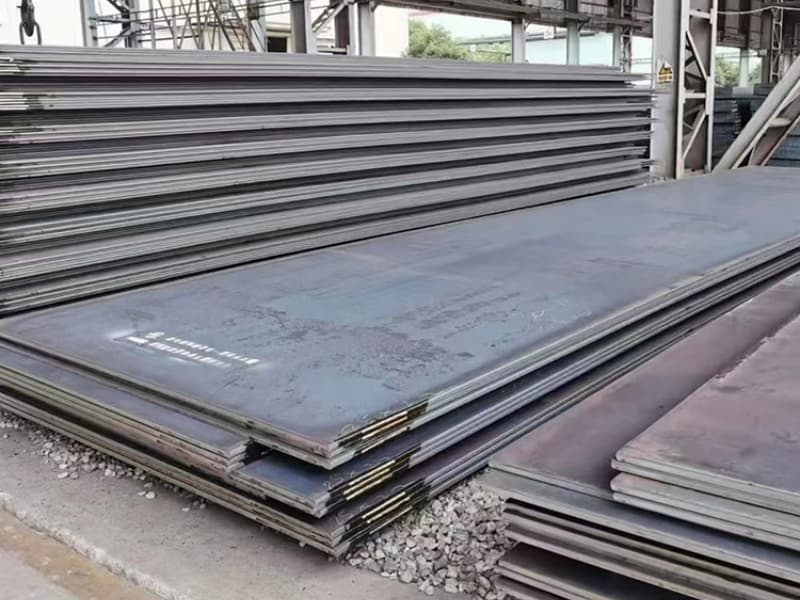
Understanding how marine steel improves durability requires examining material properties and application specifics. Let’s explore the key questions that determine long-term vessel performance.
Which type of steel is most commonly used in shipbuilding due to its strength and durability?
Shipbuilders need materials that balance multiple performance requirements. No single steel type serves all applications perfectly.
High-strength low-alloy (HSLA) steel grades like AH36 and DH36 are most common in modern shipbuilding. These steels offer excellent strength-to-weight ratios, good weldability, and superior corrosion resistance. They maintain toughness in low-temperature environments and withstand dynamic ocean loading conditions.
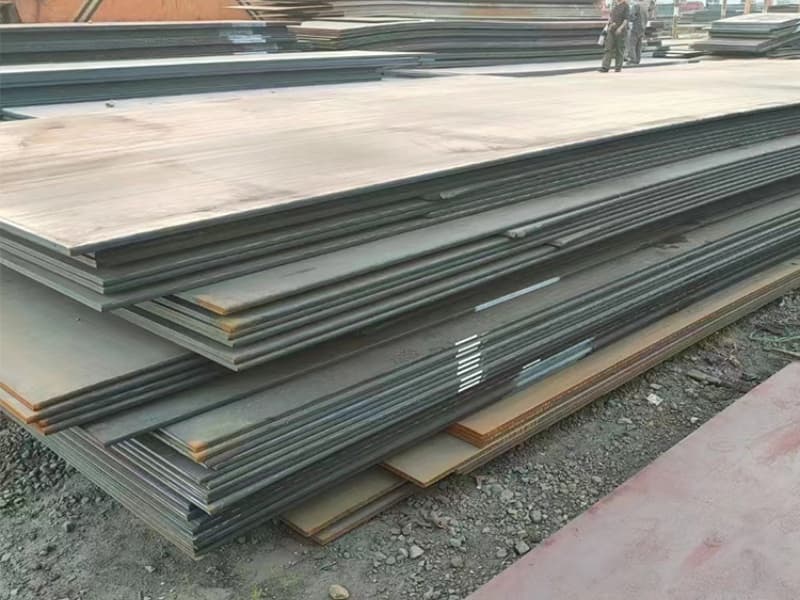
Comprehensive Analysis of Shipbuilding Steel Selection
The dominance of specific steel types in shipbuilding results from decades of maritime engineering evolution. Each grade serves particular performance requirements while meeting classification society standards.
High-Strength Low-Alloy Steel Advantages
HSLA steels achieve their properties through careful chemical composition control. They contain small amounts of alloying elements like niobium, vanadium, and titanium. These elements create fine-grained microstructures through precipitation strengthening and grain refinement. The resulting materials offer yield strengths between 315-460 MPa while maintaining good ductility and toughness.
Grade Classification System
Shipbuilding steels follow standardized grading systems recognized globally. Normal strength grades include A, B, D, and E with increasing toughness requirements. High-strength grades add "H" designation with numbers indicating minimum yield strength in ksi. For example, AH36 provides 355 MPa yield strength with impact testing at 0°C. DH36 offers the same strength with testing at -20°C for colder operations.
Corrosion Resistance Mechanisms
Marine steels incorporate copper, chromium, and nickel additions for improved corrosion resistance. These elements promote the formation of protective oxide layers that slow corrosion rates. The steel’s homogeneous microstructure minimizes galvanic corrosion between different micro-constituents. Proper coating adhesion further enhances corrosion protection in seawater immersion.
Impact Toughness Requirements
Ship steels must withstand impact loading from waves and accidental collisions. Charpy V-notch testing verifies energy absorption capacity at service temperatures. Grade selection depends on operating environment temperature ranges. Arctic operations require grades with proven performance at -40°C or lower. This toughness prevents brittle fracture initiation under shock loading.
Weldability Considerations
Modern ship construction relies heavily on welding for structural assembly. Marine steels feature controlled carbon equivalents below 0.40% for good weldability. Low sulfur and phosphorus levels minimize hot cracking susceptibility. The consistent chemical composition ensures predictable behavior during welding operations. This allows efficient construction while maintaining structural integrity.
Classification Society Compliance
All marine steels require certification from recognized classification societies. American Bureau of Shipping (ABS), Det Norske Veritas (DNV), and Lloyd’s Register (LR) set material standards. Manufacturers must demonstrate consistent quality through rigorous testing and documentation. This system ensures material reliability across global shipbuilding operations.
| Steel Grade | Yield Strength | Impact Test Temperature | Common Applications |
|---|---|---|---|
| AH32 | 315 MPa | 0°C | General hull structures |
| AH36 | 355 MPa | 0°C | Main hull plating, decks |
| DH36 | 355 MPa | -20°C | Cold climate operations |
| EH36 | 355 MPa | -40°C | Arctic vessel construction |
| FH36 | 355 MPa | -60°C | Special low-temperature use |
Our client Gulf Metal Solutions primarily uses AH36 for tropical operations and DH36 for vessels serving cooler climates. This strategic selection ensures optimal performance while controlling material costs.
What is the purpose of a steel plate?
Steel plates serve as the fundamental building blocks of ship structures. Their functions extend far beyond simple covering material.
Steel plates provide structural strength, watertight integrity, impact resistance, and corrosion protection in ship construction. They form the hull envelope, support decks and bulkheads, and create compartment boundaries. Different plate thicknesses and grades serve specific structural and protective functions throughout the vessel.
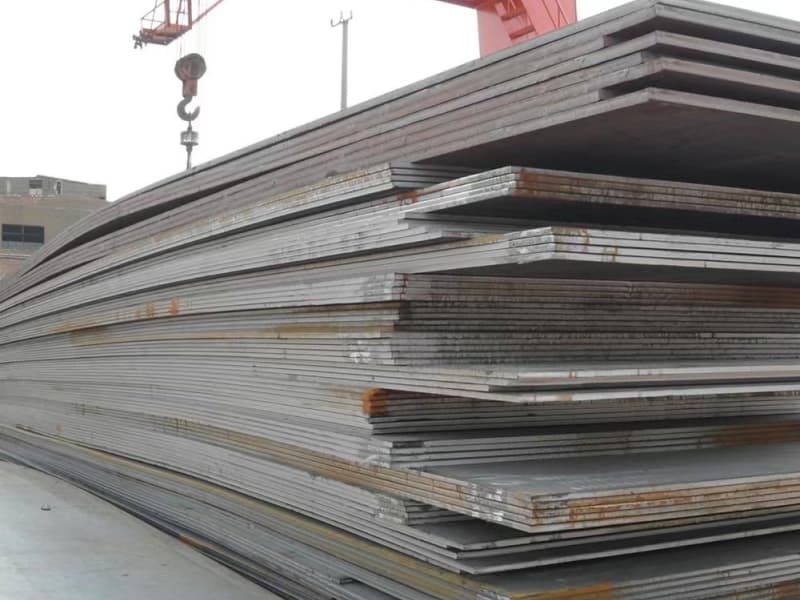
Multifunctional Roles of Steel Plates in Marine Structures
Steel plates perform multiple critical functions in ship construction, each requiring specific material properties and design considerations for optimal performance.
Primary Structural Support
Steel plates carry and distribute loads throughout the vessel structure. Hull plating transfers water pressure loads to the framing system. Deck plates support cargo weights and equipment loads. Bulkhead plates resist flooding pressure in damaged conditions. Each application demands specific strength characteristics and stiffness properties. The plate thickness varies based on location and load intensity requirements.
Watertight Boundary Formation
Plates create watertight envelopes that keep seawater out of the vessel. The outer hull plating forms the primary watertight barrier. Watertight bulkheads prevent progressive flooding between compartments. Tank boundaries contain liquids without leakage. Each watertight application requires specific welding procedures and inspection standards. The material must resist corrosion to maintain long-term watertight integrity.
Impact and Abrasion Resistance
Ship plates withstand mechanical damage from various sources. Bottom plating resists grounding impacts and abrasion from seabed contact. Side shell plating absorbs berthing impacts during docking operations. Cargo hold plating withstands abrasion from loading and unloading operations. These applications require good toughness and wear resistance properties.
Corrosion Protection Foundation
Steel plates provide the substrate for corrosion protection systems. Coatings adhere directly to plate surfaces for barrier protection. Cathodic protection systems use the plate mass as their ground plane. The plate composition influences corrosion rates if protection systems become compromised. Good surface preparation ensures optimal coating performance and longevity.
Fire Protection Contribution
Steel plates provide inherent fire resistance compared to other materials. They do not burn or release toxic fumes when exposed to fire. Their high melting point maintains structural integrity during fire incidents. Proper insulation enhances their fire rating for specific applications. This inherent safety feature is crucial for passenger vessels and dangerous cargo carriers.
Weight Distribution and Stability
Plate placement and thickness affect vessel weight distribution and stability characteristics. Bottom plates concentrate weight low in the vessel for stability. Deck plate weight affects vertical center of gravity calculations. Proper weight distribution ensures optimal seakeeping and operational safety. Material selection balances strength requirements with weight considerations.
| Plate Function | Key Requirements | Typical Thickness Range |
|---|---|---|
| Hull Plating | Corrosion resistance, impact toughness | 15-35mm |
| Deck Plating | Fatigue strength, flatness | 12-25mm |
| Bulkhead Plating | Stiffness, watertight integrity | 8-20mm |
| Tank Plating | Chemical resistance, durability | 10-30mm |
| Reinforcement Plating | High strength, weldability | 25-50mm |
Gulf Metal Solutions carefully selects plate specifications for each application. They use thicker, higher-grade plates for hull bottoms and thinner grades for non-critical areas, optimizing both performance and cost efficiency.
What are the advantages of using steel as the primary material for ship construction?
Steel remains the dominant material in shipbuilding despite emerging alternatives. Its advantages span technical, economic, and operational domains.
Steel offers high strength-to-weight ratio, excellent durability, good repairability, and cost-effectiveness for ship construction. It withstands harsh marine environments, supports efficient fabrication methods, and allows vessel weight optimization. These advantages make steel the preferred choice for most commercial vessel types.
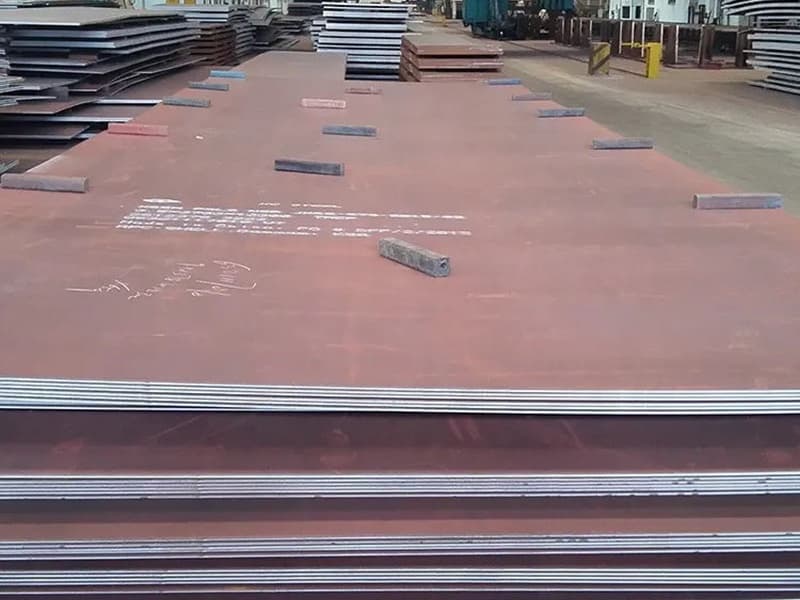
Comprehensive Benefits of Steel in Marine Applications
Steel’s continued dominance in shipbuilding results from its unique combination of properties that address the specific challenges of marine operations and construction requirements.
Strength and Weight Efficiency
Modern high-strength steels provide exceptional strength-to-weight ratios. Yield strengths up to 460 MPa allow thinner sections and weight reduction. Lighter structures increase payload capacity within displacement limits. The high stiffness maintains hull shape under loading. This strength efficiency enables larger vessels with improved economic performance.
Durability and Long Service Life
Properly maintained steel structures can exceed 30 years of service life. The material withstands cyclic loading from waves and operational stresses. It resists degradation from UV exposure, temperature variations, and mechanical wear. Classification society rules ensure adequate corrosion margins for the intended service life. This longevity provides excellent return on investment for vessel owners.
Fabrication and Repairability
Steel supports efficient construction and repair methodologies. Welding allows rapid assembly of complex structures. Cutting and forming processes are well-established and widely available. Damaged sections can be cut out and replaced with new material. Repair facilities exist in most major ports worldwide. This support infrastructure reduces downtime and maintenance costs.
Economic Considerations
Steel offers favorable economics throughout the vessel lifecycle. Initial material costs remain competitive with alternatives. Construction techniques benefit from centuries of accumulated knowledge. Insurance costs reflect the proven reliability of steel structures. Resale values remain strong due to predictable performance and repair history. These economic factors support investment decisions.
Safety and Regulatory Compliance
Steel structures meet stringent international safety standards. The material behavior is well-understood and predictable. Fire resistance properties exceed regulatory requirements. Structural redundancy can be designed into critical areas. Classification societies provide comprehensive rules for steel vessel design and construction. This regulatory framework ensures consistent safety standards.
Recyclability and Environmental Impact
Steel is 100% recyclable without quality degradation. Most new shipbuilding steel contains significant recycled content. At end of life, vessels provide valuable scrap material for new production. The recycling infrastructure is well-developed globally. This circular economy aspect reduces environmental impact compared to disposable materials.
Operational Flexibility
Steel vessels can serve multiple roles throughout their lifespan. Modifications and conversions are feasible due to material workability. Different cargo types can be carried without material compatibility issues. Operating routes can change without structural limitations. This flexibility extends economic life and adapts to market changes.
| Advantage | Impact | Benefit |
|---|---|---|
| High Strength | Weight reduction | Increased payload |
| Durability | Long service life | Lower lifecycle cost |
| Repairability | Reduced downtime | Higher availability |
| Economic | Competitive pricing | Better ROI |
| Safety | Proven performance | Lower insurance costs |
| Recyclability | Environmental compliance | Sustainable operations |
Our clients like Gulf Metal Solutions appreciate steel’s comprehensive advantages. They particularly value the repairability aspect, which minimizes operational disruptions when addressing damage or wear issues.
What is the best steel for ship building?
The "best" steel for shipbuilding depends on specific vessel requirements and operating conditions. No single grade serves all applications optimally.
AH36 high-strength steel is often considered the best general-purpose choice for shipbuilding. It offers excellent strength, good weldability, and adequate corrosion resistance for most commercial vessels. For specialized applications, DH36 provides better low-temperature toughness, while EH36 serves arctic operations with superior performance at extreme temperatures.
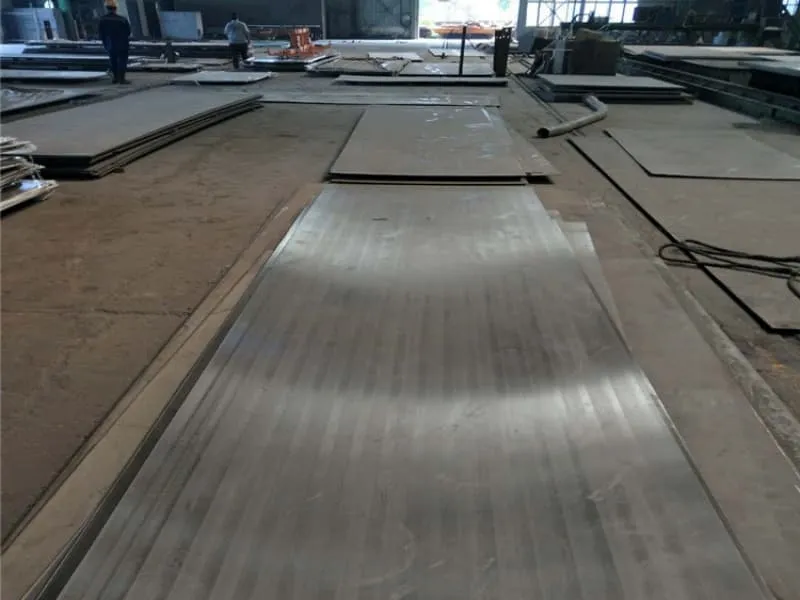
Context-Dependent Selection of Optimal Shipbuilding Steels
Determining the best steel for a specific shipbuilding project requires evaluating multiple factors including operating environment, vessel type, construction methods, and economic considerations.
General Purpose Selection Criteria
For most commercial vessels operating in temperate waters, AH36 represents the optimal balance of properties. Its 355 MPa yield strength allows weight savings compared to normal strength steels. The grade maintains good toughness at temperatures above 0°C, suitable for most global shipping routes. Weldability characteristics support efficient construction while maintaining joint integrity. Availability is excellent due to high production volumes worldwide.
Specialized Operational Requirements
Vessels operating in cold climates benefit from improved low-temperature toughness. DH36 maintains its mechanical properties down to -20°C, preventing brittle fracture in icy conditions. EH36 extends this performance to -40°C for arctic operations. FH36 serves specialized applications requiring performance at -60°C. Each temperature grade increment adds cost but provides essential safety margins for specific environments.
Vessel Type Considerations
Different vessel types have distinct structural demands. Container ships require high-strength steels for large open decks and hatch openings. Bulk carriers need abrasion-resistant steels for cargo hold areas. Tankers utilize steels with specific corrosion resistance for different cargo types. Passenger ships prioritize fire resistance and safety properties. Each vessel type may use multiple steel grades optimized for different areas.
Construction Methodology Factors
Shipyard capabilities influence steel selection. Yards with advanced welding equipment can utilize higher strength steels effectively. Facilities with sophisticated forming equipment can work with thicker, higher-strength materials. Project schedules may favor grades with simpler welding procedures. Local availability of specific grades affects material selection decisions.
Economic Optimization
Material selection always involves cost-benefit analysis. Higher strength steels reduce weight but increase material costs. Specialized grades offer performance advantages but may involve longer lead times. Lifecycle cost analysis should consider maintenance, repair, and potential operational limitations. The optimal choice balances initial investment against long-term operational benefits.
Classification Society Requirements
International standards dictate minimum material requirements for vessel classification. ABS, DNV, LR, and other societies publish detailed rules for material selection. These rules consider vessel size, service type, and operating areas. Compliance with classification requirements is mandatory for insurance and operational certification. The rules provide a framework for material selection decisions.
Future Trends and Developments
New steel grades continue to emerge addressing specific challenges. Extra-thick plates for ultra-large vessels require enhanced through-thickness properties. Improved corrosion-resistant steels extend coating life and reduce maintenance. Higher strength grades enable further weight reduction for efficiency improvements. Environmental considerations drive development of more sustainable production methods.
| Application Scenario | Recommended Grade | Key Rationale |
|---|---|---|
| General commercial vessels | AH36 | Balanced properties, cost-effective |
| Cold climate operations | DH36 | Good low-temperature toughness |
| Arctic vessel construction | EH36 | Superior performance at extreme cold |
| High-stress areas | AH40 | Increased strength for local reinforcement |
| Chemical carriers | Special alloys | Specific corrosion resistance |
Gulf Metal Solutions conducts thorough analysis before selecting steels for their projects. They typically use AH36 as their baseline material and upgrade to DH36 or EH36 only when project specifications or operating conditions demand enhanced properties.
Conclusion
Marine steel plates significantly enhance ship durability through optimized material properties and careful application engineering. Proper selection ensures long-term performance in demanding marine environments.