
You are building a ship. Then you find out the steel plates are late. That stops everything.
Shipyards break down plate needs by each phase – keel, bottom, side, deck. Then they use planning tools like MRP and scheduling methods like backward scheduling. They order steel so it arrives right before each fabrication milestone. This keeps work flowing without too much stock.
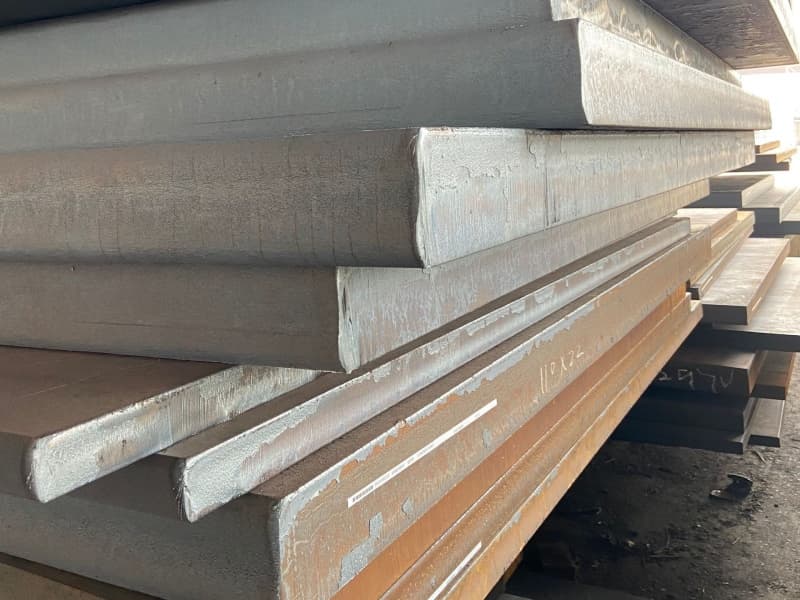
I have seen this go wrong many times. Let me walk you through how we at CN Marine Steel help shipyards get it right. I will share real steps and tools that actually work.
How Do Shipyards Break Down Steel Plate Requirements by Hull Construction Phase (Keel, Bottom, Side, Deck)?
One big order of steel sounds easy. But different parts of the ship need different plates. And they need them at different times.
Shipyards split the hull into four phases: keel, bottom, side, and deck. Each phase has its own plate thickness, grade, size, and quantity. The keel uses thick, high-strength plates. The bottom uses corrosion-resistant plates. The side and deck use lighter plates. You plan each phase separately.
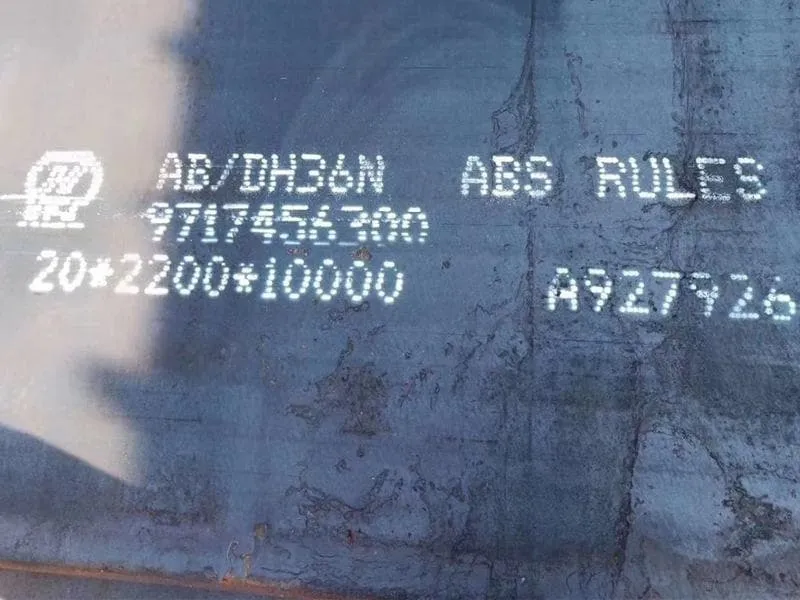
Let me break this down. I work with shipyards every week. They send me a cutting list from their design software. That list shows every single plate piece. But you cannot just order everything at once.
To do this right, you first group plates by where they go on the ship. I will use a simple table to show you the difference.
| Hull Phase | Typical Thickness (mm) | Steel Grade | Key Property | When Needed |
|---|---|---|---|---|
| Keel | 25 – 40 | AH36, DH36 | High strength, impact resistance | Start of build |
| Bottom | 15 – 25 | AH32, AH36, with corrosion allowance | Corrosion resistance | After keel |
| Side | 10 – 18 | A, B, AH36 | Weldability, formability | Mid construction |
| Deck | 8 – 12 | A, AH32 | Light but strong | Later stage |
Why break it down like this? Because each phase has different lead times. The keel needs thick plates. Thick plates take longer to roll at the mill. I have seen mills need 45 to 60 days for keel plates. Deck plates? Maybe 30 days.
So when a shipyard comes to me, I ask for their construction schedule first. Then I help them split the Bill of Materials (BOM) into four sub-lists. Each sub-list matches one phase.
Here is a real example. One client from Vietnam was building a bulk carrier. They sent me one big order for 2,500 tons of steel. I said no. Instead, I asked them to break it down. We made four separate orders. Keel: 800 tons. Bottom: 700 tons. Side: 600 tons. Deck: 400 tons.
We shipped keel plates first. Then bottom plates arrived just as keel welding finished. Side plates came when the bottom was done. Deck plates arrived last. The shipyard never ran out of space. They never paid for storage they did not need.
The trick is simple. You do not order by the whole ship. You order by the phase. And you talk to your supplier like me. We help you split the BOM. We check mill production times. Then we suggest the best order sizes for each phase.
What Planning Tools and Scheduling Methods Align Steel Order Dates with Fabrication Milestones?
You have the plate list. But when do you actually call the mill? Too early and you lose money. Too late and you lose time.
Two tools work best: MRP (Material Requirements Planning) and backward scheduling. MRP calculates what steel you need and when. Backward scheduling starts from the fabrication date and subtracts lead time. That gives you the order date. You also add a safety buffer of 10 to 15 days.
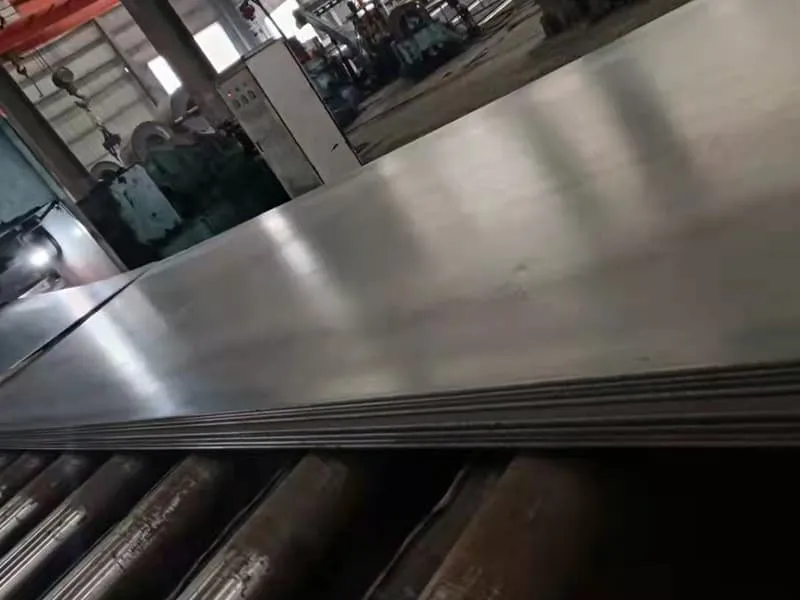
Let me explain this like I explain to my customers. I talk to procurement managers every day. Many of them use Excel or basic ERP. That is fine. But you need to know three numbers: lead time, fabrication start, and buffer.
Lead time is the days from when you place the order to when steel arrives at your yard. This includes mill production, transport to port, sea freight, and customs. For us in China shipping to Vietnam or Saudi Arabia, lead time is usually 50 to 70 days.
Backward scheduling is simple. Let us say you start welding the keel on June 1st. You need the steel on site by May 25th. Subtract 60 days lead time. That means you order by March 26th. Add a 10 day buffer. So you order by March 16th.
I use a three-step method with my clients:
Step 1: Map all fabrication milestones
- Keel laying date
- Bottom assembly start
- Side shell erection
- Deck installation
Step 2: Calculate backward order dates
For each milestone, subtract total lead time plus buffer. Write down the order deadline.
Step 3: Group orders by mill rolling schedule
Mills do not like tiny orders. So you combine plates for two nearby phases into one order if the lead times overlap.
Below is my article in Markdown format, please help me fill in the missing links in it (if necessary, please search Google for the most appropriate linking resources).
Here is a real mistake I saw. A buyer from Qatar ordered all steel at once. He wanted to save on shipping. The steel arrived three months early. He paid $15,000 extra in storage fees. Plus the plates got surface rust from sitting outside. We had to send a technician to clean and inspect them.
So what is the better way? Use MRP logic. You take your BOM. You input each plate’s required date. The system tells you when to order. But many shipyards do not have fancy software. That is okay. I help them build a simple table.
| Fabrication Phase | Required Date at Yard | Lead Time (days) | Buffer (days) | Order Deadline |
|---|---|---|---|---|
| Keel laying | June 1 | 60 | 10 | March 16 |
| Bottom assembly | July 15 | 55 | 10 | May 1 |
| Side shell | September 1 | 50 | 10 | June 23 |
| Deck fitting | October 20 | 45 | 10 | August 16 |
Below is my article in Markdown format, please help me fill in the missing links in it (if necessary, please search Google for the most appropriate linking resources).
This table saved one of my clients in the Philippines. He was building two tugboats. He used my table to plan orders. Every plate arrived exactly one week before each welding crew started. No idle workers. No pile of rusting steel.
One more tool: the weekly coordination call. Every Friday, I call my client’s production planner. We check progress. If the keel welding is ahead by 5 days, we move the bottom plate shipment earlier. If there is a delay, we push it back. This is not high tech. But it works.
How Are Phased Deliveries and Just‑in‑Time (JIT) Principles Applied to Different Build Stages?
JIT sounds good in theory. But ships are big. Steel is heavy. One delay and the whole line stops. So how do you really do JIT in a shipyard?
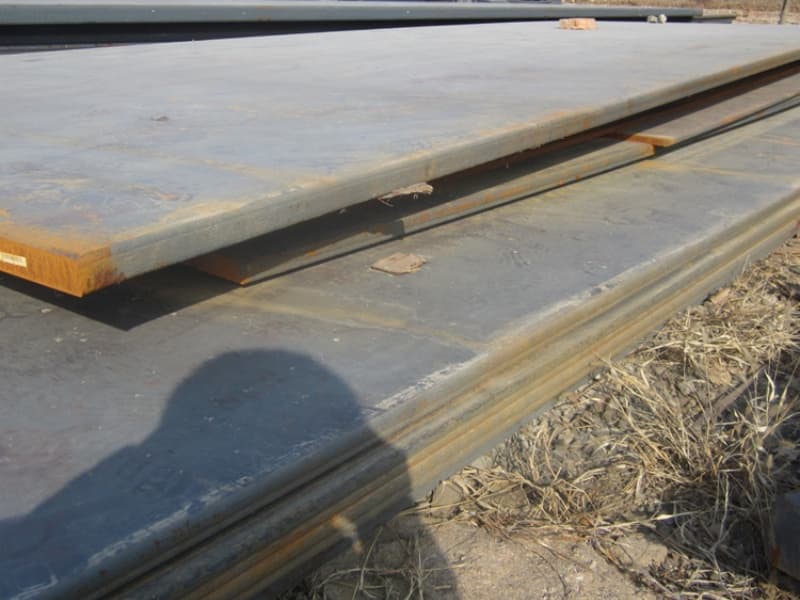
You do not do pure JIT. That is too risky. Instead, you use phased deliveries with a small buffer stock. For keel and bottom, you keep 10 days of extra plates. For side and deck, you keep 5 days. And you split each phase into two or three sub-deliveries. This way, you never hold too much, but you also never run out.
Below is my article in Markdown format, please help me fill in the missing links in it (if necessary, please search Google for the most appropriate linking resources).
Let me be honest. Pure JIT does not work in shipbuilding. I learned this the hard way. One of my first big clients in Malaysia wanted JIT. They asked me to send plates every week. No stock on site. It was a disaster.
A storm hit the port. The ship carrying their bottom plates was delayed by 12 days. Their welding crew sat doing nothing. They lost $50,000 in labor and penalties. After that, they agreed to keep a small buffer.
So here is my practical take on JIT for shipyards. You break each construction phase into smaller batches. And you keep a safety stock that matches your risk tolerance.
For the keel phase: This is the most critical. If you run out of keel plates, the whole project stops. So I advise my clients to keep 10 to 15 days of buffer stock. That means if you need 800 tons for the keel, you order 880 tons. The extra 80 tons sit in a covered area. You use them only if the next delivery is late.
For the bottom phase: This is less urgent because the keel is already laid. You can work on other things. Buffer stock: 7 to 10 days.
For side and deck phases: These are the least critical. You can often re-sequence work. Buffer stock: 5 days.
Then you split each phase into sub-deliveries. For example, a 700 ton bottom plate order becomes three deliveries:
- Delivery 1: 300 tons (for the forward bottom)
- Delivery 2: 250 tons (for the mid bottom)
- Delivery 3: 150 tons (for the aft bottom)
Why split? Because the shipyard only has so much flat space. And each section is welded at different times. I have seen shipyards with plates stacked three high. Workers had to move ten plates to get the one they needed. That wastes time and causes injuries.
I also recommend a color coding system. We at CN Marine Steel paint a stripe on each plate bundle. Red for keel. Blue for bottom. Green for side. Yellow for deck. Inside each bundle, we attach a packing list with the phase name and sub-delivery number.
One client in Saudi Arabia loved this. His warehouse team used to spend 4 hours each morning finding the right plates. After we introduced phased deliveries with color codes, they spent 30 minutes. That saved him $2,000 per week in labor.
Another tip: use a rolling forecast. Every two weeks, I ask my client to send me their updated production schedule. I adjust the next delivery dates. If they are ahead, I ask the mill to speed up. If they are behind, I ask the mill to hold the plates in our warehouse for a few extra days. We charge a small storage fee, but it is cheaper than the shipyard holding them.
So is possible. But you need three things: small batch deliveries, a small buffer stock, and a supplier who can hold inventory for you. That is what I offer. I keep common grades like AH36 and DH36 in our Liaocheng warehouse. If a client needs an urgent 50 tons, I can ship in 7 days.
What Communication and Buffer Strategies Help Shipyards Adjust Supply When Construction Schedules Change?
The plan is perfect. Then something changes. The design is revised. A crane breaks. A typhoon hits. Now what?
You need three things: a weekly progress call, a 15% buffer in your order quantity, and a supplier with flexible shipping. When the schedule shifts, you first use the buffer stock. Then you ask the supplier to speed up or hold the next batch. I can hold plates in my warehouse for up to 30 days with no extra fee for regular clients.
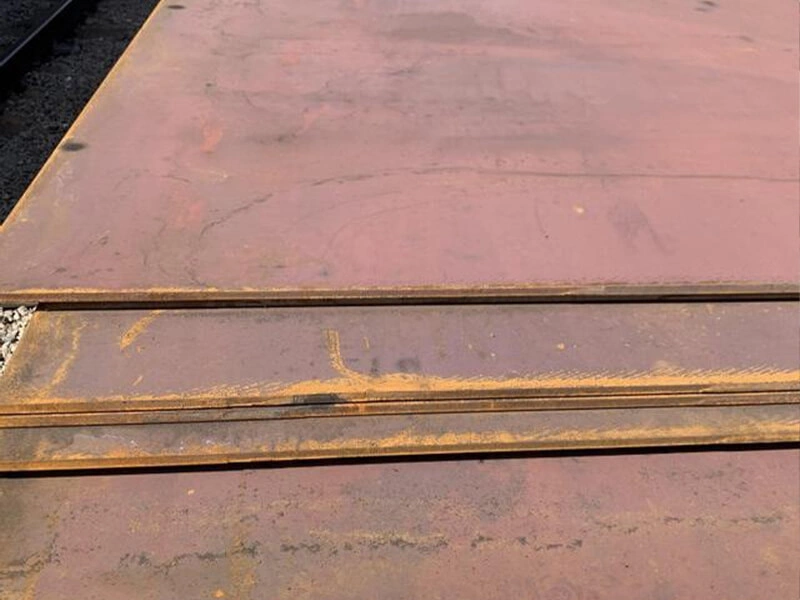
I have seen more schedule changes than I can count. Shipbuilding is not like making cars. Every ship is slightly different. Weather, labor, inspections, design changes – they all cause delays or accelerations.
So how do you prepare? You build flexibility into your supply chain from day one. Let me share three strategies that actually work.
Strategy 1: The weekly 15-minute check-in
This sounds simple, but most suppliers do not do it. I call every client every Friday. Same time. Same person. We look at three numbers:
- Actual plates used this week
- Plates on site
- Next delivery date
If the numbers do not match the plan, we act. For example, last month a client in Thailand had a welding machine breakdown. They lost 4 days of work. Their bottom plate delivery was scheduled for the following Wednesday. I called my logistics partner. We held the shipment at our warehouse for 5 extra days. Then we sent it. The client did not have to store plates they could not use.
Strategy 2: The 15% quantity buffer
Here is a secret. Many shipyards order exactly what the design says. But designs change. Or workers cut a plate wrong. Or a plate fails an inspection.
I always ask my clients to add 15% extra to their order for critical grades like DH36 and AH36. Not for the whole ship. Just for the keel and bottom phases. Why? Because those phases are hard to rework. If you damage a keel plate, you cannot easily replace it with a different size.
The extra 15% sits as buffer stock. If you do not use it, you can keep it for your next ship. Or we buy it back at 80% of the price. This gives you peace of mind.
Strategy 3: Flexible shipping windows
Most suppliers give you one shipping date. Take it or leave it. I do things differently. When you order from CN Marine Steel, you get a 14-day shipping window. For example, your keel plates can ship any day between May 10 and May 24. You tell me the exact date at least 10 days before.
This works because we hold the plates in our Liaocheng warehouse after the mill delivers them. The warehouse is close to the port. So we can load a container in 24 hours.
One of my clients in Pakistan used this flexibility twice. First, their keel laying was delayed by 3 weeks because the dry dock was not ready. I held their plates for 22 days. No extra charge because they are a repeat buyer. Second, they got ahead of schedule on the deck. I rushed the deck plates from the mill to the port in 10 days instead of 30. They paid a small expedite fee, but it was worth it to keep their crew working.
Now let me talk about communication tools. I use WhatsApp and email. Nothing fancy. But I respond within 2 hours during business days. That is my promise. My clients in Mexico and Romania know this. When a problem comes up, they message me. I do not hide behind a slow ticketing system.
Here is a real example from last year. A client in Romania called me on a Tuesday afternoon. His bottom plates failed a random SGS inspection. The surface had minor rust from long storage at the port. He was panicking. I calmed him down. I asked him to send photos and the inspection report. I saw the rust was only cosmetic. I arranged a third-party cleaning service in Constanta port. The plates were ready in 48 hours. We also shipped an extra 20 tons from my warehouse just in case. That cost him $3,000 extra. But the alternative was a 4 week delay and $40,000 in penalties.
The lesson is simple. Buffer is not just steel. Buffer is also time, communication, and a supplier who answers the phone.
I also recommend a simple spreadsheet that everyone updates. You can use Google Sheets. Share it with your supplier. Columns: Phase, Required date, Current status, Next action. Every Friday, you update the actual date. I do the same. This one sheet has saved my clients thousands of hours of back-and-forth emails.
Conclusion
Break your steel order by phase. Plan backwards from each milestone. Keep small buffers. Talk to your supplier every week. That is how you keep your shipyard moving.