
You are responsible for outfitting a new 10,000 TEU container ship. Thousands of tons of steel plates are ordered. But hidden within the design are kilometers of a less famous component: bulb flat steel. Selecting the wrong bulb flats can weaken the hull, add unnecessary weight, or cause fabrication nightmares. For large projects, this selection is a critical engineering and procurement decision.
Shipyards select bulb flat steel by first defining the precise technical specifications from classification society rules, then choosing the optimal profile size and marine grade (like AH36 or DH36) for strength and weight. They vet suppliers for mill certification, production consistency, and logistics reliability to ensure a seamless, high-quality supply for the project’s duration.
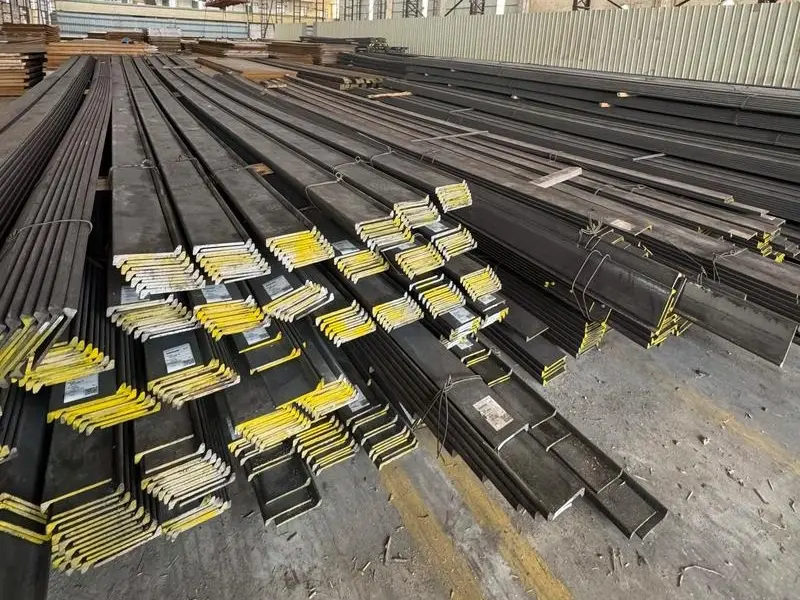
The selection process starts long before a purchase order is written. It begins with a deep understanding of the component itself. Misunderstanding the basic product can lead to costly errors. Let’s clarify the foundation.
What is a bulb flat1?
On a technical drawing, you see a simple shape: a flat bar with a rounded bulge on one side. This is the bulb flat1. It looks straightforward. But if you confuse it with a standard flat bar or an angle, you order the wrong material. Your entire stiffening system fails before construction even starts. Knowing exactly what it is, and what it is not, is step one.
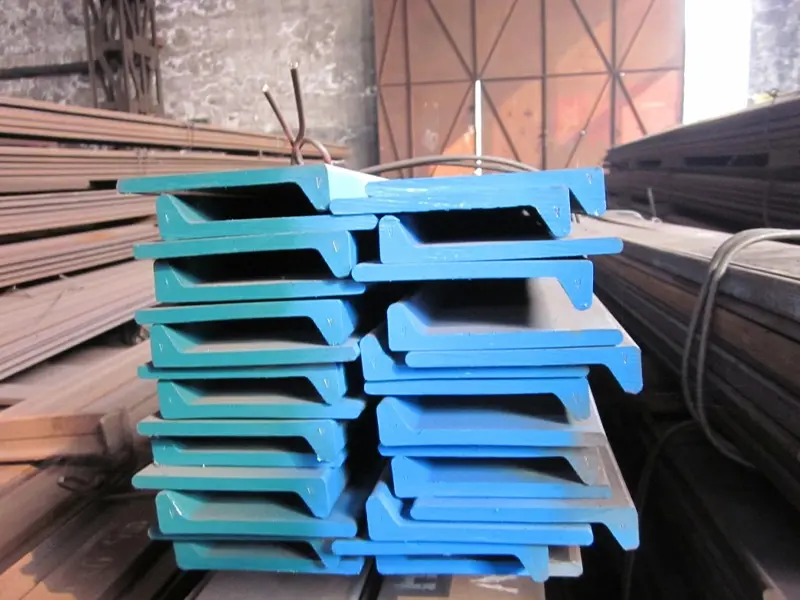
A bulb flat1 is a specialized steel profile with a distinctive cross-section. It consists of a flat web (the main body) and a rounded bulb (a thickened protrusion) along one edge. It is a rolled section, designed to provide exceptional stiffness against bending in one direction. It is a key structural component in shipbuilding and offshore construction, not a general-purpose item.
Demystifying the Bulb Flat: Geometry, Standards, and Critical Details
The simplicity of its shape is deceptive. The precise geometry and how it is produced define its performance.
1. Anatomy of a Bulb Flat.
Every dimension is standardized and critical.
- The Web (h): This is the height or depth of the flat part. It is the main vertical element when installed.
- The Thickness (t): This is how thick the steel is. It determines the local strength and weldability.
- The Bulb: This is the rounded thickening. Its dimensions are defined by its width and height. The bulb’s purpose is to add material away from the web’s centerline. This dramatically increases the profile’s moment of inertia, which is its resistance to bending.
- Standard Sizes: Bulb flats are produced in standard dimensions (e.g., 200×10, 250×11, 300×12, where the first number is the web height in mm, the second is the thickness). Ship designers select from these standard tables.
2. How It Differs from Similar Profiles.
- vs. Standard Flat Bar: A flat bar is just a rectangle. It has no bulb. It is much less efficient as a stiffener. Using a flat bar where a bulb flat1 is required would require a much thicker, heavier section to achieve the same stiffness, increasing ship weight and cost.
- vs. Angle Bar (L-profile): An angle has two legs forming a 90-degree corner. It provides good stiffness but in a different geometry. A bulb flat1 is often more efficient for pure, unidirectional stiffening against plate buckling.
3. The Selection Implication: Beyond the Shape.
When a shipyard selects a bulb flat1, they are not just selecting a shape. They are selecting:
- A Certified Product: It must be rolled by a mill approved by the relevant classification society (ABS, Lloyd’s, DNV, etc.).
- A Precise Geometry: The dimensions must conform to an international standard (like JIS, DIN, or GB). Even slight deviations can affect the calculated strength.
- A Specific Material: The steel grade (e.g., AH36, DH36) defines its yield strength, toughness, and weldability.
My Insight from the Field
A new shipyard in Myanmar was preparing their first large vessel. Their drawings called for "Bulb Flat, FB 250 x 12". They received a quote from a local supplier for "Flat Bar, 250mm x 12mm". The price was good, so they ordered. When the material arrived, our contact there sent us a confused photo—it was just a thick, flat strip with no bulb. They had ordered the completely wrong product because they used the terms interchangeably. Their project was delayed by weeks. We helped them source the correct, certified bulb flat1s urgently. This painful lesson cost them more than money; it cost them schedule credibility. Now, we always include a clear dimensional sketch2 and standard reference in our quotes for bulb flat1s to prevent this exact misunderstanding.
What is the use of bulb bar1?
The ship’s hull is a vast, flat or curved steel plate. If you press on a large, thin plate, it will bend or buckle. You need to support it. This is the singular, vital purpose of the bulb bar1 (another name for bulb flat). Using it for anything else is a waste of its specialized design. Selecting the right bulb bar1 means matching its stiffening power to the specific loads on each part of the hull.
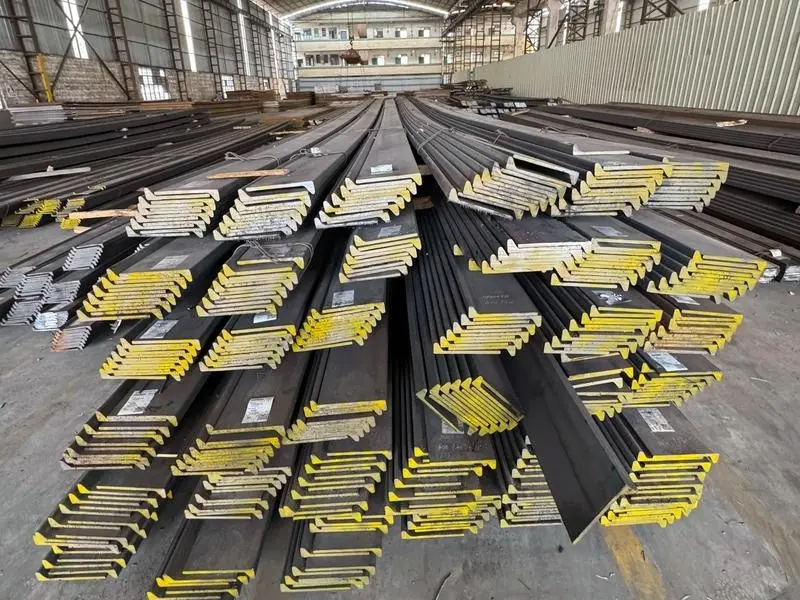
The primary use of a bulb bar1 (bulb flat) is as a stiffener in ship and offshore structures2. It is welded perpendicularly to hull plates, deck plates, and bulkheads. Its design provides maximum bending resistance3 with minimal weight, preventing these large steel panels from buckling under water pressure, deck loads, or other forces, thereby ensuring structural integrity and safety.
The Engineering Logic Behind Every Weld: Strategic Stiffening
On a large project, bulb bar1s are not placed randomly. Their selection and placement are the result of detailed structural analysis.
1. The Physics of Stiffening.
A flat plate under pressure is weak. Adding a stiffener transforms it into a stronger panel. The bulb bar1 acts like the spine of a book. When you try to bend the book cover, the spine resists.
- Bucking Resistance: The main job. Water pressure tries to push the hull inward. The bulb bar1s, running longitudinally (fore-aft) and transversely (athwartships), create a grid that divides the large plate into smaller, stronger panels.
- Load Distribution: They help distribute local loads (like a wave impact or concentrated deck load) over a larger area of the structure.
2. Placement and Orientation: A Strategic Map.
On a large vessel, different areas have different requirements. The selection varies accordingly.
- Bottom Shell: Subject to high water pressure. Often uses larger, thicker bulb bar1s (e.g., 300x12mm) spaced closely together.
- Side Shell: Also under pressure, but less than the bottom. May use medium-sized bulb bar1s.
- Decks: Subject to cargo and equipment loads. Bulb bar size is calculated based on the intended load (container stacks, vehicles, etc.).
- Bulkheads: Internal walls that must withstand water pressure in case of flooding. They also use bulb bar1s for stiffening.
3. The Selection Criteria Derived from Use.
Knowing the use directly informs the selection checklist:
- Section Modulus Required: The naval architect calculates the required bending resistance3 (section modulus4, ‘Z’) for each location. The shipyard then selects the standard bulb flat size5 that meets or exceeds this ‘Z’ value.
- Spacing (Scanning): The distance between stiffeners. Closer spacing allows for the use of smaller bulb bar1s or thinner hull plating. This is a key trade-off in design between steel weight and fabrication cost.
- End Connections: How the bulb bar1 ends are treated (cut, coped, or connected to other members) influences stress concentrations. The selected material grade must have good toughness to handle these details.
My Insight from the Field
We supplied bulb flats for a series of bulk carriers built in Vietnam. For the first ship, the yard used the bulb bar1s exactly as per the design. During sea trials, excessive vibration was noted in a specific aft deck area. The shipowner was concerned. Our team, along with the yard’s engineers, reviewed the design. We suggested that while the bulb bar1 size was correct for strength, the spacing might have allowed a vibration mode. For the next ship in the series, the design was slightly modified. They used the same type of bulb bar1 (same grade and quality from us) but at a tighter spacing in that area. The vibration issue6 was resolved. This showed me that selection isn’t just about the material spec from a supplier. It’s also about the yard’s and designer’s ability to apply the product effectively, sometimes requiring iterative learning even on large projects.
What is a bulb plate?
You might hear "bulb plate" in some shipyards or old references. This term can create serious confusion. Is it a plate with bulbs? Is it the same as a bulb flat1? Using the wrong term in a specification can lead to a supplier delivering a completely different product, derailing your material take-off and budget.
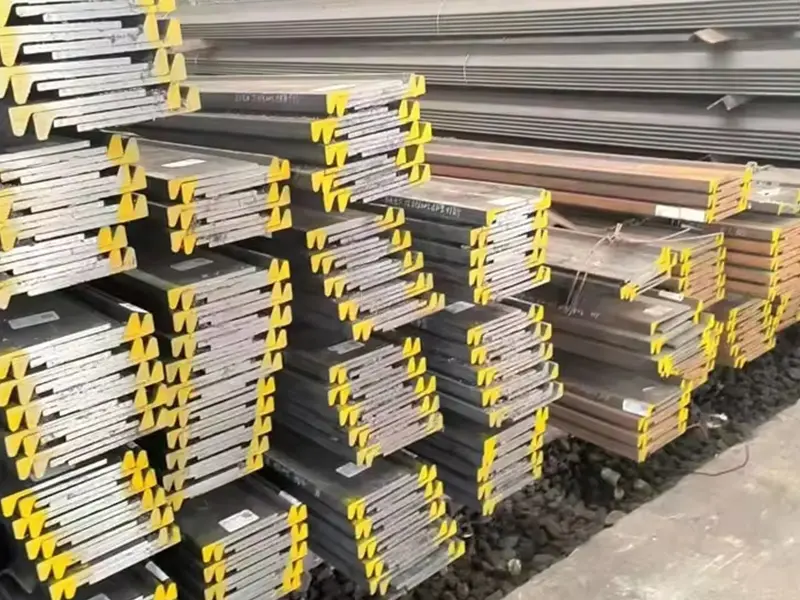
"Bulb plate" is an outdated or regional term that is best avoided in modern specifications. It historically referred to what is now standardized as a bulb flat1 or bulb bar2. To prevent confusion, you should always use the precise terms "bulb flat1" or "bulb bar2" when referring to the stiffener profile, and "steel plate3" when referring to the large, flat hull material. Clarity in terminology is non-negotiable for large project procurement.
Eradicating Ambiguity: Why Terminology is a Selection Tool
On a project with hundreds of material codes, ambiguous names cause errors, delays, and cost overruns. Standardizing language is a proactive selection strategy.
1. The Source of Confusion.
- Historical Usage: Decades ago, the terminology was less standardized. A "bulb plate" might have described a plate with an integrally rolled bulb, or it was just another name for a bulb flat1.
- Linguistic Translation: In some languages, the direct translation for "bulb flat1" might come out as "bulb plate." This is a common pitfall in international projects.
2. The Risks of Using "Bulb Plate".
- Supplier Misinterpretation: A supplier might think you need a specialty plate product, which is extremely rare and expensive. They may quote for a custom-rolled plate, causing shock when the quote arrives.
- Internal Miscommunication: Between the design office, the procurement team, and the warehouse, "bulb plate" could be interpreted differently. The warehouse might store it with plates, not with other section steel.
3. Best Practice: Enforce a Standard Glossary.
For a large project, the shipyard should create and enforce a standard material glossary4. This glossary should be shared with all suppliers.
- Correct Term: Bulb Flat (or Bulb Bar). Standard profile for stiffeners.
- Definition: "A rolled steel section with a flat web and a rounded bulb at one edge, conforming to standard [DIN 1027 / JIS G 3192 / etc.], for use as structural stiffeners."
- Incorrect Term: Bulb Plate. Do not use.
- For Hull Material: Steel Plate. Specify grade, thickness, and dimensions.
4. How This Affects Supplier Selection.
A professional supplier will use and ask for precise terminology. If a potential supplier’s quote or communication uses "bulb plate" without questioning it, it can be a red flag. It may indicate a lack of specific experience in the marine sector. A reliable marine steel supplier5 will immediately seek clarification to ensure alignment.
My Insight from the Field
We received an inquiry from a project in the Philippines for "Bulb Plate, 300mm wide, 12mm thick, AH36 grade." Our sales rep, fluent in English and trained in marine terms, did not just quote. She replied asking for clarification: "To ensure we provide the correct product, could you confirm if you require the stiffener profile (bulb flat1) or a flat plate with a special profile?" The client responded, "Yes, we mean the stiffener, the bulb flat1." They thanked us for asking. They admitted their drawing title block used the old term "bulb plate," and they had received several confusing quotes from other suppliers who had made different assumptions. Our simple question built immediate trust and ensured we were competing on the right product. It demonstrated our professional expertise and saved everyone time and potential error.
What type of steel is used in flat bars?
This question seems basic, but the answer separates general fabrication from critical shipbuilding. You can use many types of steel for a flat bar. But for a bulb flat acting as a primary hull stiffener, only a specific family of steels is acceptable. Selecting the wrong steel type invalidates the certification of the entire structure and creates a safety risk.
The type of steel used in flat bars varies by application. For general fabrication, carbon steels like ASTM A361 or SS400 are common. However, for marine bulb flats used as structural stiffeners, specific marine-grade structural steels2 are mandatory. These are high-strength, low-alloy (HSLA) steels3 with grades like AH32, AH36, DH36, or EH36, produced under classification society rules for guaranteed toughness and weldability in seawater environments4.
The Metallurgical Selection: Choosing the Right "DNA" for the Ocean
Selecting the steel type is the most technical part of the process. It defines the material’s behavior under stress, in cold temperatures, and during welding.
1. Why Ordinary Steel Fails at Sea.
Standard carbon steel (like A36) has two fatal flaws for primary marine structure:
- Poor Toughness: It can transition from ductile to brittle at low temperatures. A crack in cold water could propagate rapidly through the structure.
- Inferior Corrosion Resistance: It lacks alloying elements to form a protective patina, leading to faster rusting in salt air and splash zones.
2. The Marine-Grade Steel Family.
These steels are engineered for the marine environment. They are defined by two main systems:
- Classification Society Grades5 (ABS, LR, DNV): e.g., Grade A, B, D, E (normal strength) and AH32, DH36, EH40 (high strength). The letter indicates toughness level (A=basic, E=excellent for Arctic). The ‘H’ indicates high strength (e.g., 32 = 315 MPa yield, 36 = 355 MPa).
- International Standards (EN 10025-5): e.g., S355J2G3. The ‘S’ is structural steel, ‘355’ is the yield strength, ‘J2’ indicates impact toughness6 at -20°C.
3. Selection Criteria for Large Projects.
The shipyard’s selection is guided by the vessel’s operating profile and class rules.
- Strength Requirement: Determines if normal strength (Grade A) or high strength (AH36) is needed. High strength allows for thinner plates and lighter stiffeners, saving weight.
- Service Temperature: A vessel operating in the North Atlantic will require a steel with good low-temperature toughness (Grade D or DH36). An Arctic vessel will require the highest toughness (Grade E or EH36).
- Fabrication Method: The steel must have a controlled carbon equivalent (CE) value7 to ensure it can be welded without pre-heat or post-heat treatment under the yard’s standard procedures. This affects productivity and cost.
4. Table: Selecting the Right Steel Type for Bulb Flats.
| Selection Factor | Option A (Standard) | Option B (Enhanced) | Implication for Large Project Selection |
|---|---|---|---|
| Primary Operating Zone | Temperate / Tropical Waters | Cold / Arctic Waters | Dictates the required impact test temperature. |
| Vessel Type & Weight Sensitivity | General Cargo, Tankers | Container Ships, High-Performance Vessels | Container ships often select high-strength steel (AH36/DH36) to maximize cargo capacity. |
| Design Philosophy | Conservative, cost-focused on material. | Optimized for weight savings and efficiency. | Weight savings from high-strength steel reduce fuel consumption over the ship’s life. |
| Recommended Bulb Flat Steel Grade | ABS Grade A, or AH32 if higher strength needed. | ABS DH36 or EH36. Provides the best combination of high strength and proven toughness for critical applications. | For large, high-value projects, DH36 is often the default selection for main hull stiffeners. |
| Supplier Requirement | Must provide valid mill certificate. | Must provide valid Classification Society Certificate8 (ABS, LR, etc.) for the specific grade and heat. | Non-negotiable. The yard’s quality department will reject material without this. |
My Insight from the Field
A shipyard in Qatar was building a series of LNG carriers. These vessels carry cargo at -162°C, and the surrounding hull structure can get very cold. Their specification called for EH36 bulb flats9 for the inner hull stiffeners. We were competing with several European mills. Our advantage was not just price. We provided extensive technical documentation from our partner mill, including weld procedure qualification records (WPQR) for EH36. We showed that our material had consistently achieved impact values far below the required -40°C. This gave the yard’s welding engineers confidence. They selected us because our technical submission demonstrated a deeper understanding of the application of the steel type, not just its existence on a certificate. For them, selecting a supplier was synonymous with selecting a reliable source of that specific, high-performance steel type.
Conclusion
Selecting bulb flat steel for large projects is a deliberate process. It combines precise technical specifications, unambiguous terminology, and the choice of a marine-grade steel type, all secured through a certified, reliable supplier partnership.
-
Learn about ASTM A36, a common carbon steel, and its suitability for various fabrication projects. ↩ ↩ ↩ ↩ ↩ ↩ ↩ ↩ ↩ ↩ ↩ ↩ ↩ ↩ ↩ ↩ ↩ ↩ ↩ ↩ ↩ ↩ ↩ ↩ ↩ ↩ ↩ ↩ ↩ ↩ ↩
-
Explore this link to understand the importance of marine-grade steels in ensuring safety and durability in shipbuilding. ↩ ↩ ↩ ↩ ↩
-
Discover the advantages of HSLA steels in construction and their role in enhancing structural integrity. ↩ ↩ ↩ ↩
-
Learn about the challenges of welding in marine conditions and the importance of selecting the right steel. ↩ ↩ ↩
-
Find out how Classification Society Grades ensure the quality and safety of marine steel used in shipbuilding. ↩ ↩ ↩
-
Explore the concept of impact toughness and its critical role in selecting steel for cold environments. ↩ ↩
-
Discover how the carbon equivalent value influences the welding process and material selection. ↩
-
Understand the importance of having a valid Classification Society Certificate for ensuring material quality. ↩
-
Explore the specific applications of EH36 bulb flats in shipbuilding and their performance characteristics. ↩