
You have a new ship to build. You need L‑shaped steel for the frames and stiffeners. But which size, which grade, which supplier?
Shipyards select marine L‑shaped steel by first calculating the required section modulus for each hull zone based on design load and frame spacing. Then they choose a grade (A, AH32, AH36, etc.) that matches the stress level and temperature requirements. Finally, they balance cost, weldability, and availability with mill approvals and lead time.
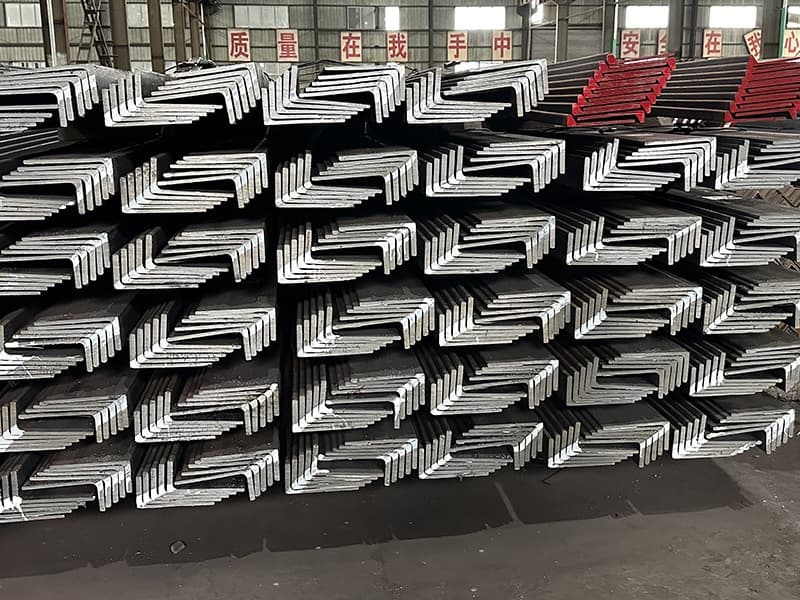
I am Zora Guo from cnmarinesteel.com. I have supplied L sections to shipyards in Vietnam, Malaysia, and the Middle East. I see the selection process every day. Let me walk you through how experienced shipyards make their choices.
What Size, Thickness, and Grade Do Shipyards Choose Based on Hull Zone and Design Load?
Not all L sections are the same. A deck beam needs different properties than a bottom stiffener. Shipyards know this.
Shipyards choose L section size by calculating the required section modulus from class rules. For high‑load zones like the bottom or deck, they use larger sections (e.g., L200x100x14) and higher grades (AH36, DH36). For low‑load zones like the superstructure, they use smaller sections (e.g., L100x75x8) and lower grades (Grade A) . Thickness also includes a corrosion allowance – typically 2‑3mm extra for long‑life vessels.
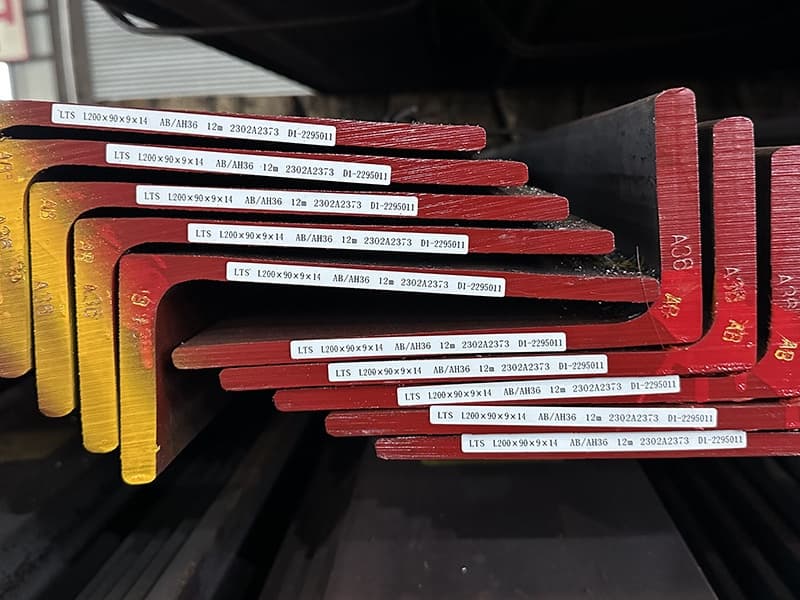
Let me break down the decision by zone.
Hull Zone Selection Guide
| Hull zone | Typical L section size (unequal leg) | Typical grade | Corrosion allowance |
|---|---|---|---|
| Bottom longitudinals | L200x100x14 to L250x100x16 | AH36, DH36 | 3‑4mm |
| Inner bottom stiffeners | L150x90x12 to L200x100x14 | AH32, AH36 | 2‑3mm |
| Side frames (transverse) | L120x80x10 to L160x100x12 | A, AH32 | 2‑3mm |
| Deck beams | L150x90x10 to L200x100x14 | A, AH32 | 2mm |
| Bulkhead stiffeners | L100x75x8 to L125x80x10 | A | 1‑2mm |
| Superstructure | L75x50x6 to L100x75x8 | A | 1mm |
How the Calculation Works
The naval architect calculates the required section modulus (Z) using a formula from ABS or DNV:
Z = 7.8 × p × a × l² / σ
Where:
- p = design pressure (kN/m²) – wave pressure, cargo load, etc.
- a = frame spacing (m) – distance between stiffeners
- l = span (m) – distance between supports
- σ = allowable stress (MPa) – typically 0.5 × yield strength
Then they look up an L section whose actual Z meets or exceeds the requirement.
Example for a bottom stiffener:
- p = 150 kN/m², a = 0.7 m, l = 4 m, σ = 175 MPa (for AH36)
- Z = 7.8 × 150 × 0.7 × 16 / 175 = 74.9 cm³
- Choose L125x80x10 (Z = 85 cm³) or L150x90x12 (Z = 120 cm³)
Grade Selection
Higher grades allow smaller sections for the same load because allowable stress is higher. But higher grades cost more per ton and may have longer lead times.
| Grade | Yield (MPa) | Cost factor | Typical use |
|---|---|---|---|
| A | 235 | 1.0 (base) | Superstructure, low stress |
| AH32 | 315 | 1.08 | Middle stress zones |
| AH36 | 355 | 1.12 | High stress, weight‑sensitive areas |
| DH36 | 355 (with -20°C toughness) | 1.18 | Cold climates, offshore |
A Real Example
A shipyard in Vietnam building a 50m fishing boat used L120x80x10 Grade A for the side frames. For a similar boat going to Russia, they used L120x80x10 Grade DH36 because of the cold water. Same size, different grade, different cost.
How Do Classification society Rules and Mill approvals Influence L‑Section Selection?
You cannot just buy any L section from any mill. The class society (ABS, DNV, LR) must approve both the steel and the mill.
Classification society rules dictate the minimum section modulus, grade requirements per hull zone, and allowable tolerances. The mill must hold a valid approval from the relevant society for the specific product (L sections) and grade. Shipyards will only accept L sections from approved mills. If a mill is not on the society’s list, the steel cannot be used for classed vessels. This is non‑negotiable.
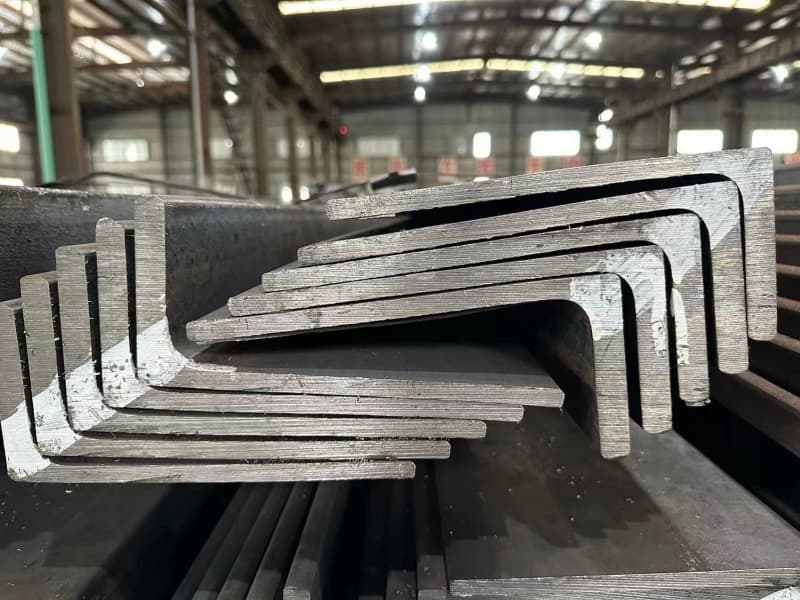
Let me explain how this works in practice.
Class Rules – The Starting Point
Every classification society publishes rules for structural steel. For L sections, the rules specify:
- Minimum yield strength for each grade
- Charpy impact test temperatures and values
- Dimensional tolerances (thickness, straightness)
- Marking requirements (heat number, grade, stamp)
Shipyards design to these rules. Then they specify the same rules in their purchase order.
Mill Approvals – The Gatekeeper
A mill that wants to supply marine L sections must apply for approval from each class society. The approval process includes:
- Auditing the mill’s quality system
- Testing sample products (dimensions, mechanical properties, UT)
- Annual re‑audits
Each society publishes an online list of approved mills. Shipyards check this list before ordering.
Common mistakes to avoid:
- A mill may be approved for plates but not for L sections. Always check product type.
- An approval may expire. Check the date.
- A mill may be approved for Grade A but not for AH36. Check the grade range.
What Shipyards Do When a Mill Is Not Approved
If a supplier proposes steel from a non‑approved mill, the shipyard will reject it. No exceptions. The steel cannot get a class certificate.
I had a buyer in Pakistan who ordered L sections from a low‑price mill. He did not check approvals. The steel arrived. The class surveyor refused to accept it. The buyer had to ship it back and reorder from an approved mill. He lost 3 months and $10,000.
How We Help
At cnmarinesteel.com, we only work with mills that hold ABS, DNV, and LR approvals for L sections. We provide the approval certificates with every quote. Our buyers know the steel will pass class.
Why Do Shipyards Balance Strength, Weldability, and Availability When Choosing Between Equal and unequal leg L sections?
You have two options: equal leg (L100x100) or unequal leg (L150x90). Which is better? The answer depends on the application.
Shipyards prefer unequal leg L sections for most framing because the longer leg welds to the plate, giving higher bending strength for less weight. Equal leg L sections are used when loads come from multiple directions (e.g., brackets, corners) or when the free leg needs full strength. But weldability and availability also matter. Unequal leg sections are easier to weld because the free leg is shorter and does not block the torch. They are also more commonly stocked.
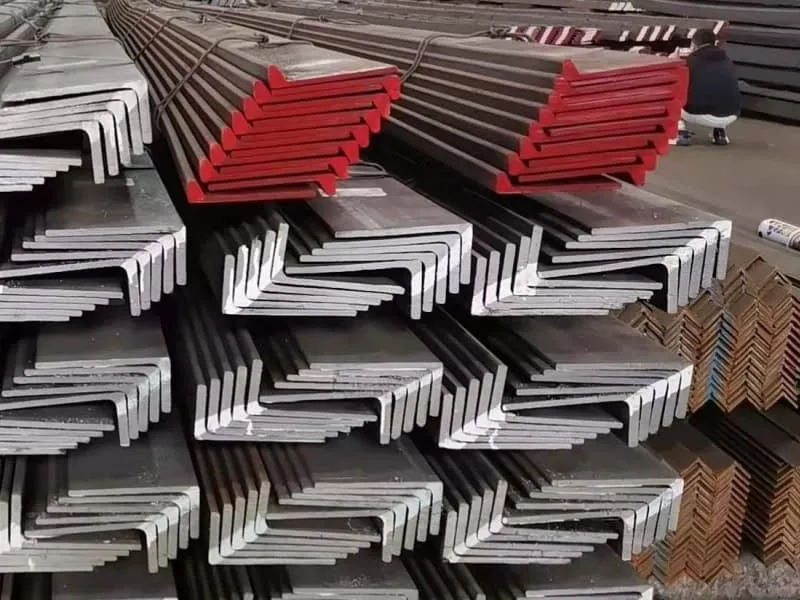
Let me show you the trade‑offs.
Strength and Weight Comparison
| L section | Weight (kg/m) | Section modulus (cm³) | Strength‑to‑weight | Best for |
|---|---|---|---|---|
| L100x100x8 (equal) | 12.2 | 55 | 4.5 | Multi‑direction loads |
| L150x90x8 (unequal) | 14.5 | 100 | 6.9 | Deck stiffeners (one‑way bending) |
| L150x150x12 (equal) | 27.1 | 140 | 5.2 | Heavy corners |
| L200x100x14 (unequal) | 30.5 | 210 | 6.9 | Bottom longitudinals |
The unequal leg gives a much better strength‑to‑weight ratio for one‑way bending. That is why shipyards use them for most stiffeners.
Weldability
Unequal leg L sections are easier to weld because the free leg is shorter. The welder can reach the inside corner more easily. For equal leg L sections, the free leg is the same length as the attached leg, so the torch may be blocked.
Shipyard feedback: “We prefer unequal leg. Our welders finish 20% faster.”
Availability
In most markets, unequal leg L sections are more commonly stocked. Sizes like L150x90x12, L200x100x14 are standard. Equal leg L sections like L200x200x16 are less common and may have longer lead times.
The Balanced Decision
Shipyards use unequal leg for 80‑90% of applications. They reserve equal leg for:
- Brackets and gussets where loads come from two directions
- Connections where the free leg needs full strength for welding another member
- When unequal leg is not available in the required size
How Do Cost, Lead Time, and Supplier Quality Certifications Drive Final L‑Steel Selection Decisions?
You have the technical choice. But the final decision also depends on commercial factors. Shipyards have budgets and schedules.
Cost, lead time, and supplier certifications are often the deciding factors. A slightly larger L section that is in stock can be better than the perfect size with a 12‑week lead time. Shipyards also prefer suppliers who offer SGS inspection, English support, and fast response. The lowest price per ton may not be the best if the supplier delays delivery or has poor documentation.

Let me rank the factors by importance.
Lead Time – The Project Killer
For a shipyard, steel that arrives late stops production. The cost of a one‑week delay can be $50,000 or more. So shipyards often pay a premium for shorter lead times.
Typical lead times for L sections:
- Standard sizes in stock: 2‑4 weeks
- Standard sizes from mill: 4‑6 weeks
- Special sizes (non‑standard leg lengths): 8‑12 weeks
What shipyards do: They keep a stock of common sizes. For special orders, they plan 3‑4 months ahead. And they always have a backup supplier.
Cost – Not Just Price per Ton
Shipyards look at landed cost (price + freight + insurance + customs). A cheaper price from a distant supplier may not be cheaper after shipping.
Example for a shipment to Saudi Arabia:
- Supplier A (China): $800/ton + $100 freight = $900 landed
- Supplier B (Turkey): $850/ton + $80 freight = $930 landed
- Supplier C (India): $780/ton + $150 freight = $930 landed
China often wins for Asia and Middle East.
Supplier Quality Certifications
Shipyards prefer suppliers with:
- ISO 9001 (quality management)
- In‑house or partner third‑party inspection (SGS, BV)
- English‑speaking sales and after‑sales support
- References from similar projects
Our customer Gulf Metal Solutions switched to us because we offered all three. Their previous supplier had poor communication and no inspection support.
A Real Example
A shipyard in Malaysia needed L150x90x12 AH36 for 3 tankers. They had two quotes:
| Supplier | Price/ton | Lead time | Inspection | Language support |
|---|---|---|---|---|
| A | $780 | 10 weeks | No | Limited English |
| B (us) | $810 | 4 weeks (from stock) | SGS available | Dedicated English rep |
The shipyard chose us. They paid $30 more per ton (about $15,000 total) but saved 6 weeks of lead time. That kept their production on schedule. They later told us: “The extra cost was nothing compared to the delay we avoided.”
Final Advice for Shipyards
Do not focus only on price. Check lead time, availability, and supplier reliability. A good supplier with stock and inspection support is worth paying a bit more.
Conclusion
Shipyards select L sections by hull zone, class rules, and then balance strength, weldability, cost, and lead time. Use unequal leg for most stiffeners. Always check mill approvals.