
Leading paragraph:
Finding a marine steel supplier is easy. Finding one that delivers consistently on time, with the right quality, is the real challenge.
Snippet paragraph:
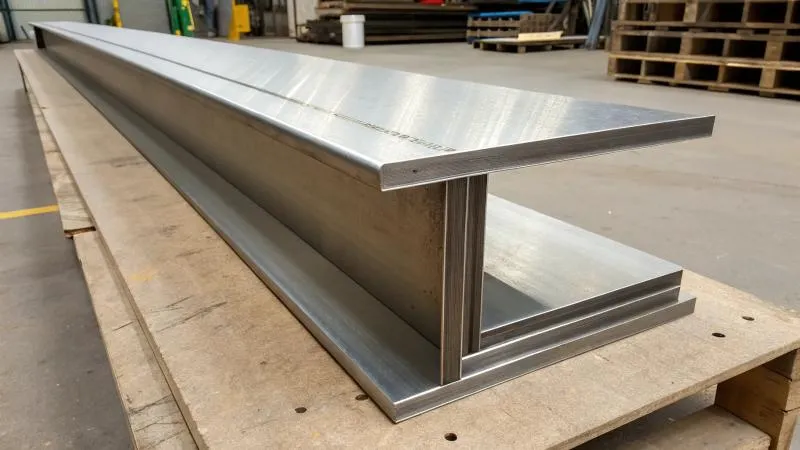
Building a reliable marine L-shaped steel supply chain means choosing a partner who controls quality from the mill to your site. It requires strict supplier checks, clear inventory management, and full documentation for every shipment.
Transition Paragraph:
After years of working with shipyards and distributors around the world, I have learned that a reliable supply chain does not happen by accident. It takes planning, clear communication, and a system that catches problems before they reach your project. Let me walk you through the four pillars that make this possible.
1. Why does supplier qualification1 and vetting matter?
Leading paragraph:
One bad shipment can delay your entire project. I have seen it happen to clients who chose a supplier based on price alone.
Snippet paragraph:
Qualifying a supplier means checking their mill sources, their quality control process, and their track record with export orders. It protects you from delays, rework, and unexpected costs.

Dive deeper paragraph:
I have been in this business long enough to know that a good supplier is not just about price. It is about who they work with and how they handle the small details. Many buyers focus on the steel grade or the thickness. But I ask different questions. Who is the mill? How long has this supplier worked with them? Do they have someone who speaks English well enough to handle problems after the sale?
These questions matter because marine L-shaped steel2 is not a commodity you can buy from anyone. The requirements for shipbuilding are strict. Classification societies like DNV, ABS, and Lloyd’s Register have their own standards. If a supplier does not understand these standards, you will end up with steel that fails inspection.
What I check before adding a new supplier to my list
| Check Point | Why It Matters |
|---|---|
| Mill certification | Confirms the steel meets marine grade requirements |
| Export experience | Ensures they know documentation for your country |
| Third-party inspection support | Allows SGS or similar to verify quality before shipment |
| Communication responsiveness | Prevents delays when urgent questions come up |
I remember a client from Saudi Arabia. His old supplier took three days to reply to a simple question about mill certificates. When we started working together, we set up a dedicated contact for him. He told me later that this alone saved him weeks of waiting.
2. How does inventory management1 affect delivery time?
Leading paragraph:
Nothing frustrates a buyer more than a “stock available” promise that turns into a six-week wait after payment.
Snippet paragraph:
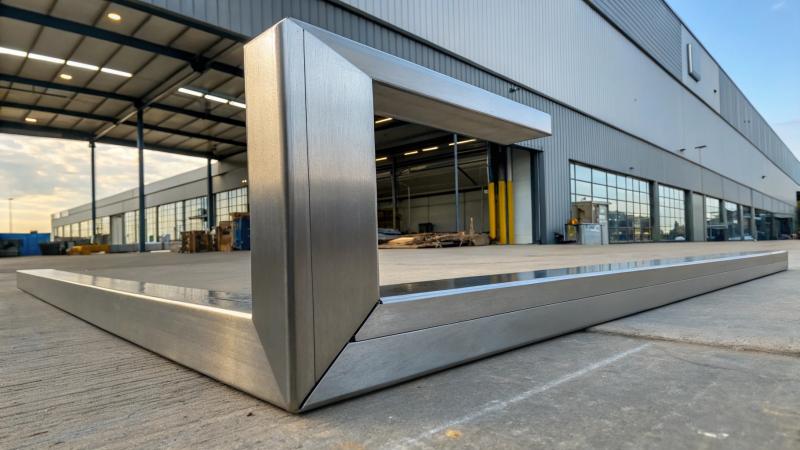
Inventory management determines whether your steel ships in days or months. Reliable suppliers keep real-time stock2 of common sizes and work with mills that offer fast production for custom orders.
Dive deeper paragraph:
When a project contractor calls me, the first thing they ask is about time. “When can it ship?” is always the question. And my answer depends entirely on how we manage our stock.
I run my business from Liaocheng, Shandong. This region is a hub for steel production. That location gives me access to mills and warehouses that hold real inventory. But even then, I have learned to be careful about what I promise.
Some suppliers say “in stock” when they really mean “the mill has raw material.” That is not the same thing. True inventory management means I know exactly what is sitting in the warehouse today. It means I keep common sizes of marine L-shaped steel3 available for quick shipment. For sizes that are less common, I have a clear timeline from the mill before I even give a quote.
Common inventory risks and how we handle them
| Risk | Our Approach |
|---|---|
| Stock outs on common sizes | Keep safety stock4 based on historical order patterns |
| Long mill lead times | Work with mills that schedule marine steel production weekly |
| Last-minute changes from clients | Reserve material upon PO confirmation before production |
| Port delays | Coordinate with freight forwarders who know our regular destinations |
A buyer from Vietnam once needed 80 tons of marine L-shaped steel for a tanker project. He had been waiting two months with his previous supplier. When he came to us, we had the size he needed already in our contracted mill’s production schedule. We shipped in 18 days. That is what real inventory coordination looks like.
3. What does quality assurance look like for L-shaped steel?
Leading paragraph:
I have seen surface rust and bent sections cause entire batches to be rejected at the port. Quality is not a nice-to-have. It is a requirement.
Snippet paragraph:
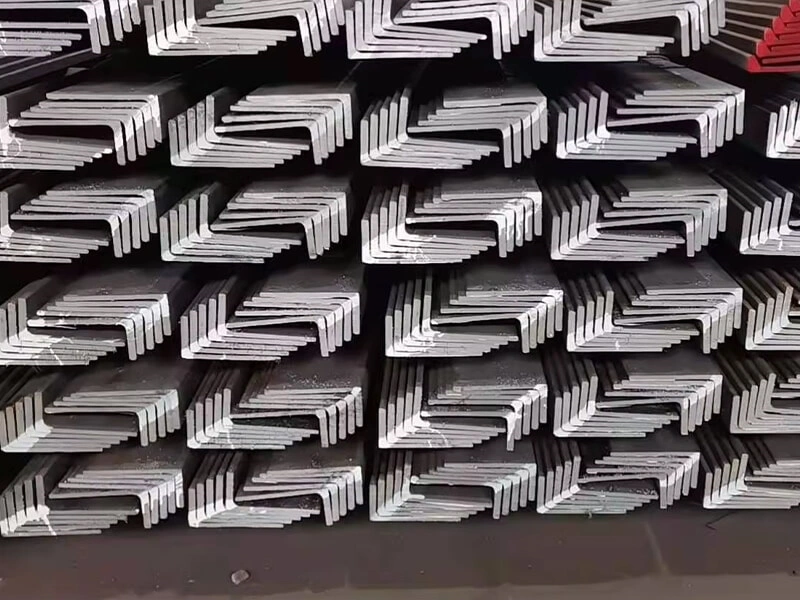
Quality assurance for marine L-shaped steel1 means controlling the material from the mill to your site. It includes mill test reports2, surface condition checks, dimensional inspections, and support for third-party verification.
Dive deeper paragraph:
Quality is the part where I spend most of my time with clients. Not because our product has issues, but because proving quality is just as important as delivering it.
When I talk to buyers, especially those who work with marine classification societies, they do not just want steel. They want proof. They want to know that the steel they receive matches what was ordered. They want to know that the mechanical properties are consistent across every single piece.
I have built our quality process around three stages. The first happens at the mill. I only work with certified mills that produce marine grades. They provide mill test certificates for every batch. The second stage is before shipment. We inspect the material ourselves. We check dimensions, surface condition, and packaging. The third stage is the one that gives clients peace of mind. We support third-party inspections3. SGS or another agency can come to our warehouse and inspect the steel before it leaves China.
Key quality parameters we verify
| Parameter | Why It Matters |
|---|---|
| Chemical composition | Ensures steel meets marine corrosion requirements |
| Dimensional tolerance | Prevents fit-up issues during fabrication |
| Surface condition | Avoids rejection at shipyard due to rust or scale |
| Straightness | Reduces rework during installation |
One of my clients in Mexico used to receive L-shaped steel that was bent during transport. The packaging was poor. We changed that by using stronger steel banding and edge protectors. He told me later that his fabrication time dropped by nearly 30 percent because the material arrived ready to use.
4. Why do documentation and risk management matter?
Leading paragraph:
I have watched shipments sit at customs for weeks because one paper was missing. Documentation1 is boring until you need it.
Snippet paragraph:
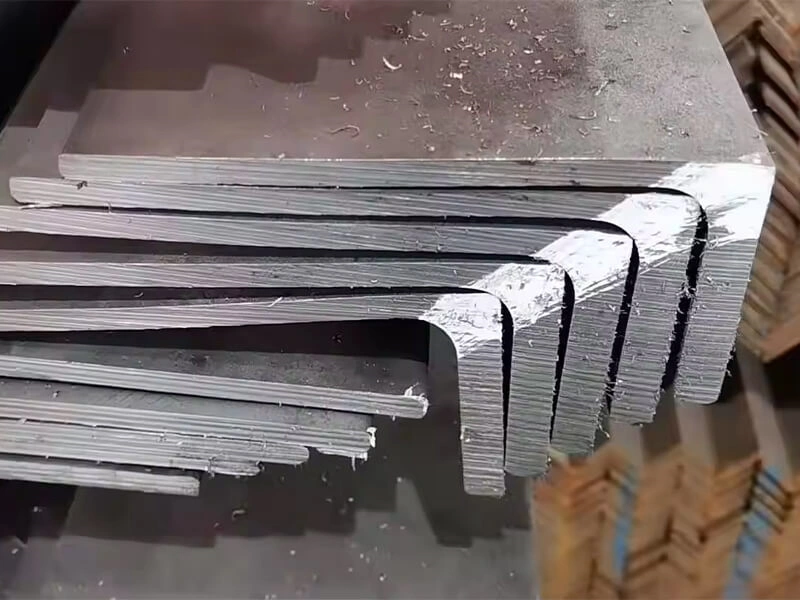
Documentation ensures your steel clears customs and meets contract requirements. Risk management2 means anticipating problems with shipping, payment, or quality before they disrupt your project.
Dive deeper paragraph:
This is the part of the supply chain that most buyers do not think about until something goes wrong. And when something goes wrong, it is always urgent.
I handle documentation the same way I handle steel quality. I check it twice. For every export order, I prepare the commercial invoice, packing list, bill of lading, and the mill test certificates. If the project requires classification society certificates, I get those too. Everything is sent to the client before the ship leaves port. That way, they have time to review and ask questions before customs clearance3.
Risk management goes beyond paperwork. It is about planning for the things that can go wrong. What if the port is congested? What if the exchange rate changes? What if the client needs to change the shipping port after the order is placed?
I learned this from working with a buyer in the Philippines. He placed an order for marine angle steel, but three weeks later, his project site changed. He needed the material sent to a different port. Because we had not yet booked the main vessel, we could adjust. We lost a few days, but the material arrived at the new location without major delay.
Common documentation risks and solutions
| Risk | Our Mitigation |
|---|---|
| Missing mill certificates | Request and verify certificates before shipment |
| Customs rejection | Provide translated documents for destination country |
| Payment delays | Offer flexible terms for repeat clients with good history |
| Port strikes or delays | Build buffer time into delivery estimates |
I tell my clients that good documentation is like insurance. You hope you never need to use it in a crisis, but when you do, you are glad you have it.
Conclusion
Building a reliable marine L-shaped steel supply chain is about people, process, and preparation. Choose a partner who controls these three, and your projects stay on track.
-
Understanding the significance of documentation can prevent costly delays and ensure smooth customs clearance. ↩ ↩ ↩ ↩
-
Exploring risk management strategies can help you anticipate and mitigate potential shipping disruptions effectively. ↩ ↩ ↩ ↩
-
Learning about customs clearance processes can save you time and money by avoiding common pitfalls. ↩ ↩ ↩
-
Learn how safety stock can prevent stockouts and improve service levels in inventory management. ↩