
Selecting the wrong bulb flat steel can compromise your entire marine structure’s integrity. Many shipbuilders discover this too late, when corrosion or structural failures appear during operation. Making the right choice from the beginning saves time and money.
Choosing the right bulb flat steel involves considering classification society grades, corrosion resistance, mechanical properties, and specific marine application requirements. The best selections balance strength, weldability, and long-term performance in saltwater environments while meeting international standards.
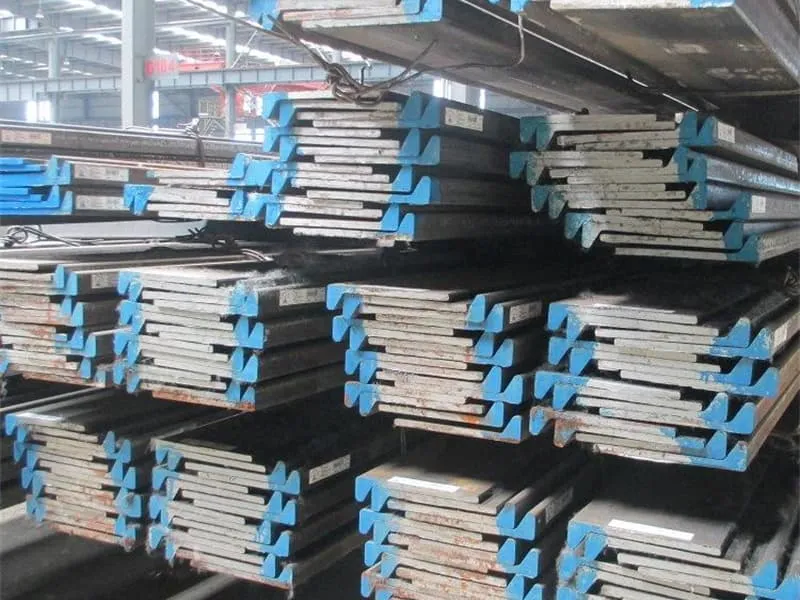
Through my experience supplying marine projects worldwide, I’ve learned that proper bulb flat selection makes the difference between successful projects and costly failures. The following sections provide practical guidance based on real project applications.
What is the best steel for ship building?
Many shipbuilders struggle to identify the truly optimal steel for their specific vessel type and operating conditions. This uncertainty often leads to over-engineering or, worse, under-specifying critical components.
The best shipbuilding steel1 depends on vessel type, service conditions, and classification society requirements. Common choices include ABS AH36/DH362 for general shipbuilding, stainless steel 316L for corrosive environments, and specialized grades for Arctic operations. The selection must balance strength, toughness, weldability, and corrosion resistance3.
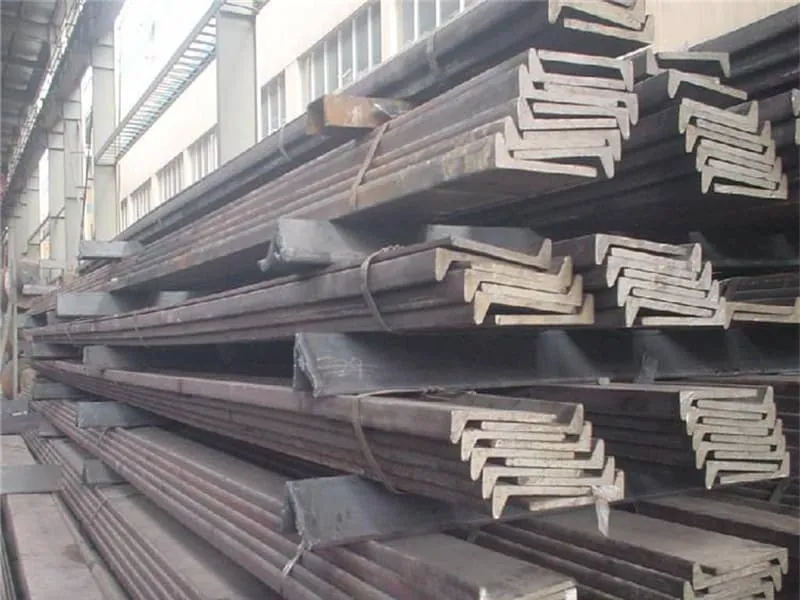
Comprehensive Analysis of Optimal Shipbuilding Steel Selection
Choosing shipbuilding steel1 requires understanding multiple factors beyond basic strength ratings. The optimal steel varies significantly based on specific application requirements and environmental conditions.
Vessel type dictates primary steel selection. Bulk carriers and container ships typically use ABS AH32/AH36 grades for main hull structures. Tankers require enhanced corrosion resistance3 for cargo areas, often using coated steels or higher alloy content. Naval vessels demand special blast-resistant and ballistic protection steels not used in commercial shipping.
Shipbuilding Steel Selection Guide:
| Vessel Type | Primary Steel Grades | Key Requirements | Special Considerations |
|---|---|---|---|
| Bulk Carriers | ABS AH32/AH36 | High strength, good weldability | Focus on fatigue resistance for hull girder |
| Oil Tankers | ABS AH32/AH36 with coatings | Corrosion resistance, fracture toughness | Cargo tank areas need special protection |
| Container Ships | ABS AH36/DH362 | High strength, weight optimization | Deck areas need high strength for container loads |
| LNG Carriers | Nickel steels, Stainless | Cryogenic toughness, thermal properties | Cargo containment at -163°C requires special steels |
| Naval Vessels | HSLA-80/100, HY-80/100 | Blast resistance, ballistic protection | Multiple special requirements for military use |
Operating environment critically influences steel selection. Tropical waters demand different corrosion protection than Arctic operations. Vessels operating in ice require ice-class steels4 like ABS Ice Class B through E, with enhanced toughness at low temperatures. These steels have stricter impact testing requirements, typically at -40°C or lower.
Classification society rules establish the foundation for steel selection. ABS, DNV GL, LR, BV, and other societies each have specific grade designations and approval processes. Most societies recognize equivalent grades, but documentation must match the specific society overseeing the vessel construction.
Cost considerations must balance initial material cost with lifecycle expenses5. Higher-grade steels cost more initially but may reduce maintenance costs over the vessel’s life. The optimal choice considers construction budget, expected service life, maintenance schedules, and potential docking costs for repairs.
What are bulb flats used for?
Many marine professionals underestimate the critical structural role bulb flat steel1 plays in vessel construction. This misunderstanding can lead to improper specification and installation, compromising structural integrity.
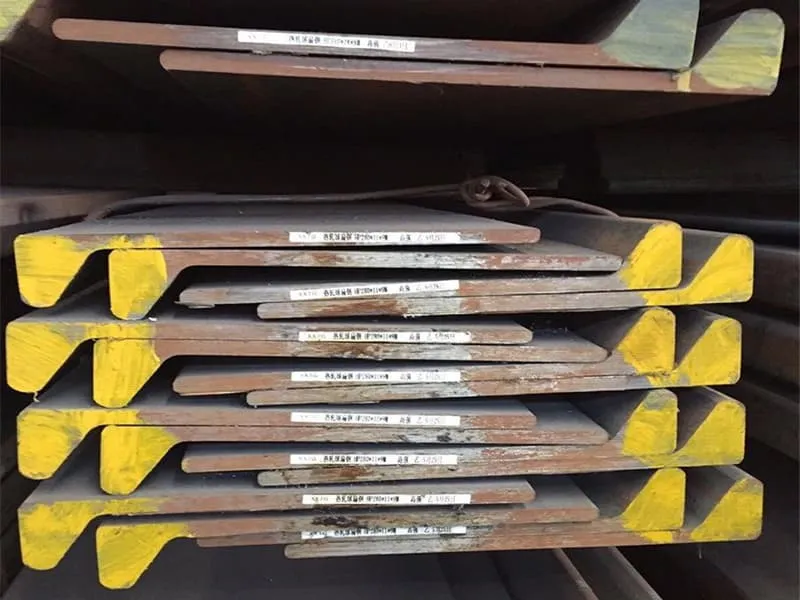
Bulb flats serve as stiffeners in ship hulls, decks, and bulkheads, providing enhanced section modulus with efficient weight distribution. They function as longitudinal and transverse frames, brackets, and reinforcement elements where standard flat bars lack sufficient stiffness for marine structural requirements.
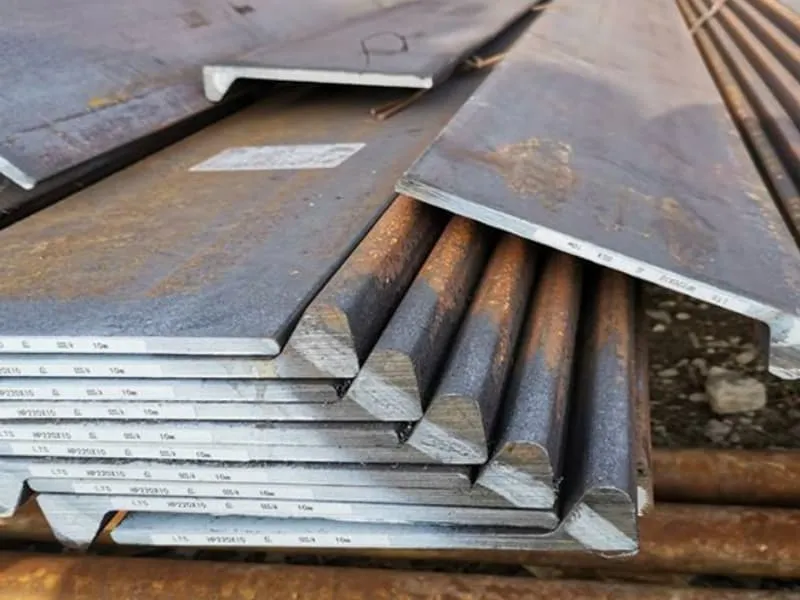
Critical Applications and Functions of Bulb Flat Steel in Marine Structures
Bulb flats provide unique advantages in marine construction that alternative sections cannot match. Their distinctive shape offers optimal material distribution for bending resistance in ship structures.
Primary hull strengthening2 represents the main application. Bulb flats serve as longitudinal stiffeners along the hull plating, resisting water pressure and global bending moments. They distribute local loads from wave impact and cargo weight across larger hull areas, preventing localized deformation and fatigue cracking.
Bulb Flat Application Matrix:
| Application Area | Typical Size Range | Common Grades | Installation Method | Key Function |
|---|---|---|---|---|
| Hull Longitudinal | 200×10 – 400x15mm | ABS AH32/AH36 | Welded to shell plating | Primary hull strength |
| Deck Stiffeners | 180×9 – 300x12mm | ABS AH32/AH36 | Welded to deck plates | Deck load distribution |
| Bulkhead Stiffeners | 150×8 – 250x11mm | ABS A/B grades | Welded both sides | Watertight integrity |
| Bottom Framing | 220×10 – 350x14mm | ABS AH36/DH36 | Continuous welding | Resistance to water impact |
| Superstructure | 120×7 – 200x10mm | ABS A grades | Intermittent welding | Weight optimization |
Deck and bulkhead reinforcement utilizes bulb flats for different requirements. On weather decks, they provide stiffness against cargo loads and green water impact. On bulkheads, they maintain watertight integrity3 under hydrostatic pressure while minimizing weight in upper vessel regions.
Structural efficiency makes bulb flats preferable to flat bars. The bulb provides additional section modulus at the free edge where stress is highest. This allows smaller, lighter sections to achieve the same stiffness as larger flat bars, reducing steel weight and improving vessel payload capacity.
Manufacturing and installation considerations affect bulb flat selection. The symmetrical shape simplifies fabrication compared to angles or tees. Welding access is better than with more complex sections. Standard sizes ensure availability, while the flat web facilitates connection to plates and other members.
What type of steel is used in ships?
Shipowners sometimes discover their vessels used inappropriate steel types only after corrosion or structural issues emerge. Understanding the full range of ship steel types1 prevents these costly operational problems.
Ships use specialized steel types including normalized carbon-manganese steels2, thermomechanically rolled steels3, high-strength low-alloy steels4, and stainless steels5. Classification societies approve specific grades like ABS A/B/D/E6 for normal strength and AH32-DH40 for high strength, each serving different structural functions.
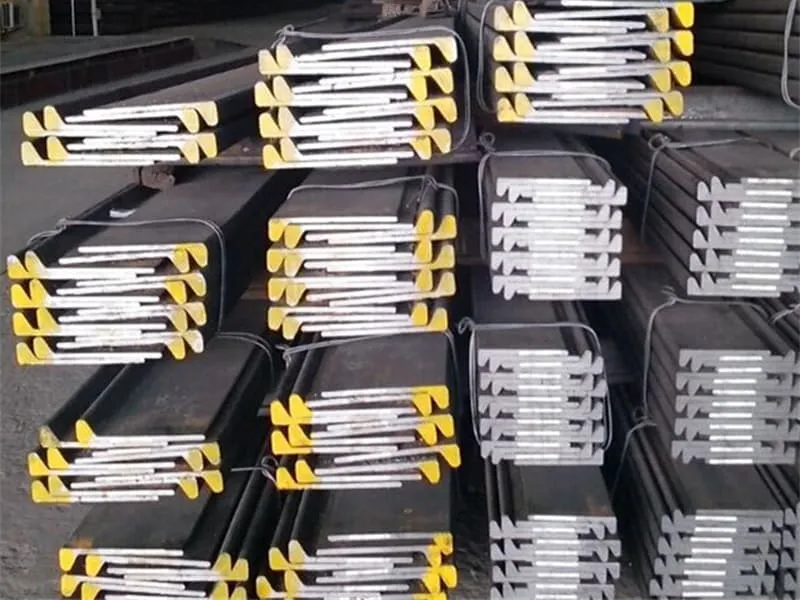
Comprehensive Overview of Ship Steel Types and Their Specific Applications
Ship steels encompass multiple categories with distinct properties, manufacturing processes, and application areas. Understanding these differences ensures proper material selection for each vessel component.
Normal strength shipbuilding steel forms the foundation of most vessel structures. Grades A, B, D, and E offer increasing levels of toughness with the same minimum yield strength of 235 MPa. Grade A has no impact testing requirement, while Grade E requires testing at -40°C for Arctic service.
Ship Steel Type Classification:
| Steel Type | Common Grades | Yield Strength | Key Characteristics | Primary Applications |
|---|---|---|---|---|
| Normal Strength | ABS A/B/D/E6 | 235 MPa | Good weldability, various toughness levels | General hull structure, non-critical areas |
| High Strength | ABS AH32-DH40 | 315-390 MPa | Increased strength, maintained toughness | Weight-critical areas, high stress regions |
| Stainless Steel | 316L, 2205 | 205-450 MPa | Excellent corrosion resistance | Tank coatings, chemical carriers, fittings |
| Arctic Grade | ABS E/EH grades | 235-390 MPa | Enhanced low-temperature toughness | Ice-going vessels, cold environment operation |
| Quenched & Tempered | ABS AH42-DH42 | 410-460 MPa | Highest strength levels | Special high-stress components |
High-strength steels reduce vessel weight while maintaining structural integrity. AH32-AH40 grades offer 315-390 MPa yield strength through microalloying with niobium, vanadium, or titanium. These steels allow thinner plating, reducing steel weight by 15-20% compared to normal strength equivalents.
Specialized steels address unique service conditions. Ice-class steels have enhanced toughness at low temperatures for polar operations. Stainless steels like 316L provide corrosion resistance for chemical tankers. High-strength quenched and tempered steels offer the highest strength levels for weight-critical applications.
Manufacturing process significantly influences steel properties. Normalized steels undergo heat treatment for consistent properties through the thickness. Thermomechanically controlled process (TMCP) steels achieve fine microstructures through controlled rolling and cooling, offering better toughness and weldability.
What are the grades of ship building steel?
The complex grading systems for shipbuilding steel confuse many buyers, leading to specification errors that classification societies reject during construction surveys. Understanding these grades streamlines the procurement process.
Shipbuilding steel grades follow classification society standards with normal strength (A, B, D, E) and high strength (AH32-DH40) categories. Each society uses similar but distinct designations, with grades indicating strength level, toughness requirements, and approved applications within vessel structures.
Detailed Breakdown of Shipbuilding Steel Grade Systems and Applications
Shipbuilding steel grades form a systematic approach to material specification, ensuring each component meets specific requirements for its structural function and service environment.
Normal strength grades provide the foundation with 235 MPa minimum yield strength. Grade A has no impact testing, suitable for non-critical applications above the waterline. Grade B requires 27J at 0°C, while Grade D requires 27J at -20°C. Grade E demands 27J at -40°C for Arctic service.
Classification Society Grade Equivalents:
| ABS Grades | LR Grades | DNV Grades | BV Grades | KR Grades | Minimum Yield Strength |
|---|---|---|---|---|---|
| A/B/D/E | A/B/D/E | A/B/D/E | A/B/D/E | A/B/D/E | 235 MPa |
| AH32/AH36 | AH32/AH36 | A32/A36 | AH32/AH36 | AH32/AH36 | 315/355 MPa |
| DH32/DH36 | DH32/DH36 | D32/D36 | DH32/DH36 | DH32/DH36 | 315/355 MPa |
| EH32/EH36 | EH32/EH36 | E32/E36 | EH32/EH36 | EH32/EH36 | 315/355 MPa |
| AH40/AH42 | AH40 | A40/A42 | AH40/AH42 | AH40/AH42 | 390/410 MPa |
High-strength grades maintain the same toughness designations with increased strength levels. The "H" indicates high tensile strength, with numbers indicating minimum yield strength in MPa divided by 10. AH36 has 355 MPa yield strength with Grade A toughness, while EH36 has the same strength with Grade E toughness.
Through-thickness grades address lamellar tearing concerns in highly constrained joints. These grades have reduced sulfur content (typically below 0.005%) and improved inclusion shape control. Designations like ABS Z25/Z35 indicate through-thickness property levels for different application severities.
Special application grades serve specific vessel needs. Steel for liquefied gas carriers requires excellent toughness at cryogenic temperatures, often using nickel-alloyed steels. Thick steel plates for large container ships require guaranteed through-thickness properties and strict flatness tolerances.
Conclusion
Selecting the right bulb flat steel requires understanding vessel requirements, steel grades, and specific application needs. Proper selection ensures structural integrity and long-term performance.
-
Explore this link to understand the various ship steel types and their specific applications in shipbuilding. ↩ ↩ ↩ ↩
-
Learn about normalized carbon-manganese steels and their critical role in ship construction and durability. ↩ ↩ ↩ ↩
-
Understand how thermomechanically rolled steels enhance toughness and weldability, crucial for ship construction. ↩ ↩ ↩ ↩
-
Discover the benefits of high-strength low-alloy steels in reducing weight while maintaining strength in shipbuilding. ↩ ↩
-
Explore the corrosion resistance and applications of stainless steels in marine environments for better vessel longevity. ↩ ↩
-
Find out how ABS grades impact ship design and safety, ensuring proper material selection for vessels. ↩ ↩