
You’ve sent inquiries to multiple Chinese suppliers for bulb flat steel, but the quotes vary wildly. How do you know which offer gives you real value and not just a low upfront number? A project contractor in Qatar almost chose the cheapest quote, only to discover hidden inspection and shipping costs later.
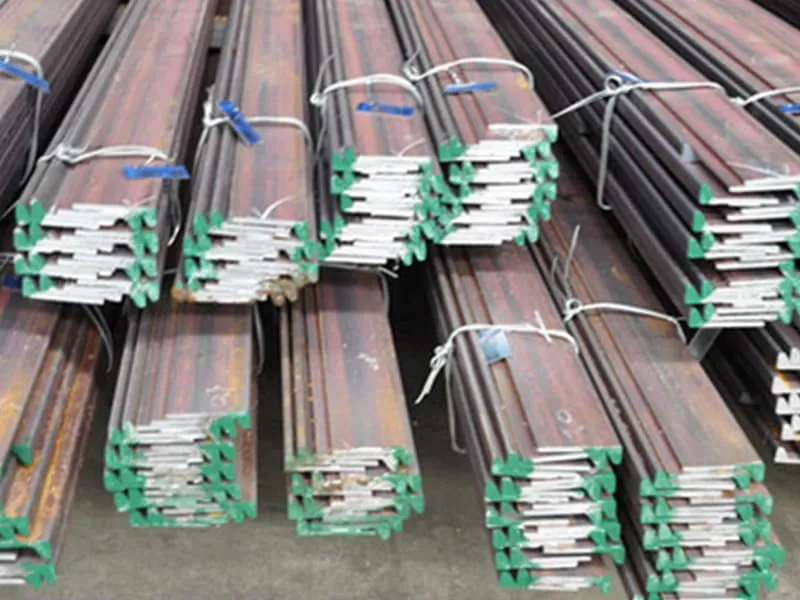
To get the best price for bulb flat steel from China, focus on total landed cost, negotiate based on volume and clear specifications, work with a direct mill agent or established exporter for competitive factory prices, and always verify quality with a Mill Test Certificate (MTC) to avoid costly rejects. The cheapest material can become the most expensive after factoring in quality failures and delays.
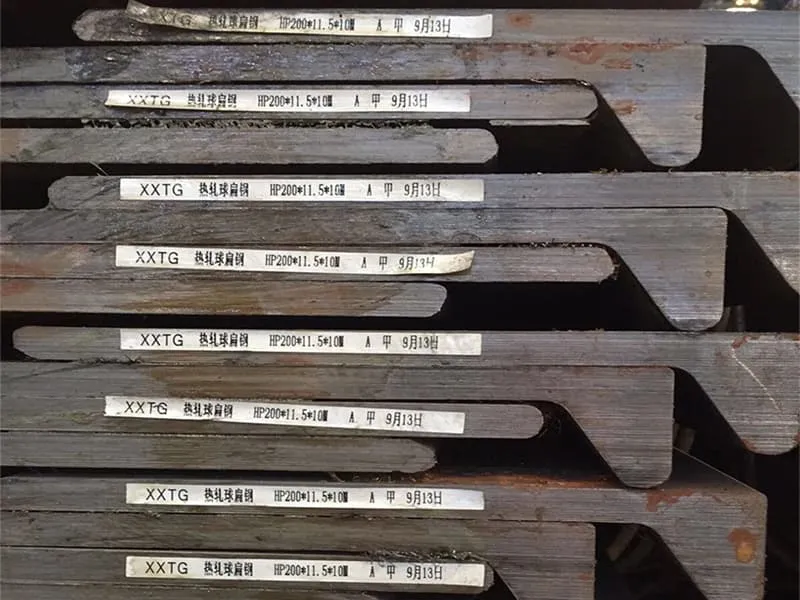
For our B2B clients—importers and fabricators around the world—the "best price" means the optimal balance of cost, quality, and reliability. Let’s break down the key factors that influence price and how to navigate them, starting with understanding how prices are often presented.
What is the price of MS flat bar in KG?
Many buyers start their search by asking for a price per kilogram. This seems simple, but it can be misleading for specialized profiles like bulb flats. A shipyard in the Philippines received a low per-kg quote for "MS flat bar," but the material was not the marine-grade bulb flat they needed for hull construction.
The price of Mild Steel (MS) flat bar varies greatly, typically from $0.50 to $1.20 per kg FOB China, depending on thickness, width, quantity, and global market conditions. However, bulb flat steel, due to its specialized rolling process, is priced per metric ton and often costs 15-30% more than a standard flat bar of equivalent weight because of its structural efficiency and production complexity. Always compare prices based on the specific profile and grade you need.
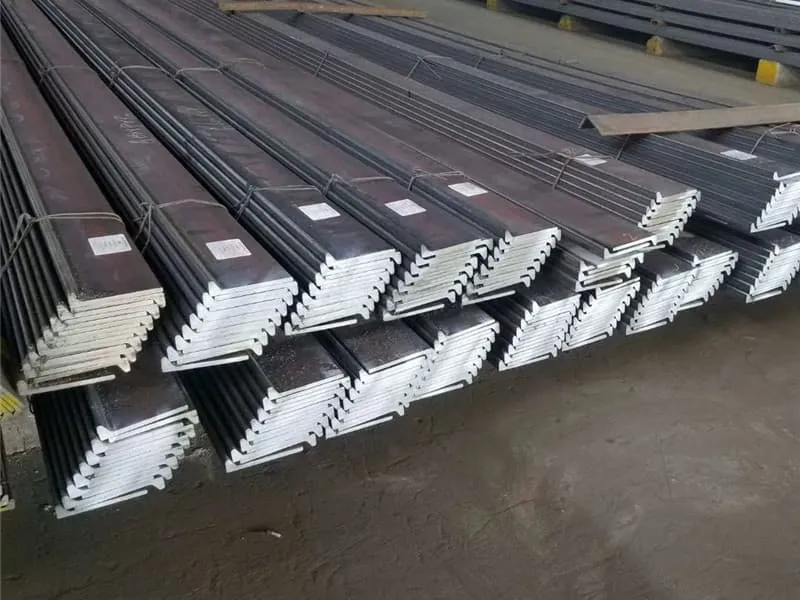
Deconstructing the Price: Beyond the Simple Rate per KG
A quoted price per kilogram is just a starting point. You must understand what it includes and excludes.
Why "Per KG" is Incomplete:
- Material vs. Product: "MS flat bar" is a generic term. Bulb flat is a specific structural profile with a bulb at the end. The rolling mill requires special equipment and setup to produce the bulb, which adds cost.
- Grade Matters: "Mild Steel" could mean ASTM A36, S235JR, or even a non-standard commercial quality. The price difference between a basic commercial quality and a certified marine grade (like ABS AH) can be significant.
- The Basis of the Quote: Is the price EXW (at factory), FOB (on board vessel at Chinese port), or CIF (to your port)? An EXW price looks lowest but excludes all shipping and export fees. A CIF price is higher but includes main shipping costs. You must compare the same Incoterm.
Key Components of a Final Price:
- Raw Material Cost: Linked to global iron ore and scrap prices. This is the base market driver.
- Manufacturing Cost: Includes rolling, cutting, and handling. Complex profiles cost more to roll.
- Testing & Certification: Mill Test Certificates (MTC) are standard. But if you require third-party inspection (like SGS), special testing, or classification society stamps (ABS, LR), this adds cost.
- Packaging: Standard packing is included. Waterproof, heavy-duty packing for ocean transport (which we provide) might be an option or a standard part of a quality supplier’s offer.
- Profit Margin: The supplier’s margin. Established direct exporters working with mills often have thinner margins than trading companies with multiple middlemen.
Price Comparison Scenario:
Let’s say you need a stiffener equivalent to a 200x10mm flat bar.
| Product | Approximate Price (FOB China) | Notes & Hidden Considerations |
|---|---|---|
| Generic MS Flat Bar 200x10mm (Commercial Quality) | $700 – $800 / MT | May not have a proper MTC. Chemistry/strength not guaranteed. Risk for structural use. |
| Structural Flat Bar 200x10mm (ASTM A36 with MTC) | $750 – $850 / MT | Certified strength and chemistry. Suitable for general construction. |
| Bulb Flat 200x10mm (Equivalent strength to flat bar, but lighter/stiffer) | $850 – $1000 / MT | Higher per-ton price. But you may use less weight to achieve the same stiffness, potentially lowering total project cost. |
| Bulb Flat 200x10mm (Marine Grade ABS AH32 with MTC) | $950 – $1150 / MT | Premium for controlled chemistry, impact testing, and classification society approval. Necessary for shipbuilding. |
The lesson is to never shop on per-kg price alone. Define your exact requirement first. This leads directly to specifying the correct size, which is the next major price factor.
What sizes does a steel flat bar come in?
Asking for a price on an undefined "flat bar" or "bulb flat" will get you a vague average quote. Specific sizes allow for accurate pricing and prevent substitution. A fabricator in Mexico once ordered "bulb flats" and received a non-standard size that didn’t fit their jigs, causing production delays.
Standard steel flat bars are commonly available in widths from 20mm to 300mm and thicknesses from 3mm to 50mm. Bulb flat steels follow specific dimensional standards (like JIS G3192, DIN 1025) with defined series (e.g., JP, JIS, DIN bulbs), covering sizes such as 100x6mm up to 450x22mm and beyond. The price varies by size due to different raw material consumption and rolling difficulty.
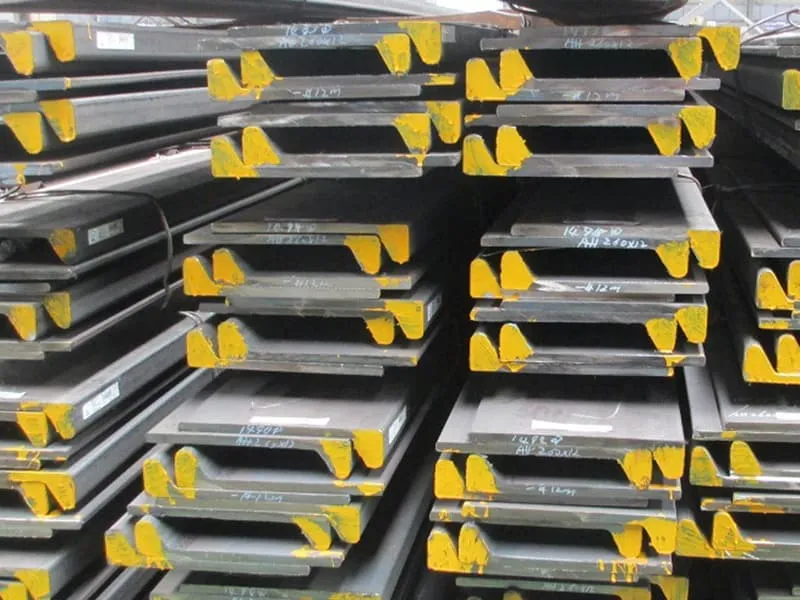
How Size Directly Impacts Cost and Selection
Size is not just a physical dimension. It is a primary driver of both the unit price and the overall project economics.
1. The Economics of Rolling:
- Mills roll steel in "campaigns." They set up their machinery to produce a specific size range for efficiency.
- High-Demand Sizes: Common sizes (e.g., Bulb Flat 200x10mm, 250x12mm) are produced frequently. Mills have high efficiency and lower cost for these, leading to better prices and faster availability.
- Special/Off-Sizes: Uncommon or very large sizes require a separate mill setup. This results in higher minimum order quantities (MOQ) and a premium price. For example, a bulb flat over 400mm wide is a specialty product.
2. The Weight Factor:
- Price is usually per metric ton (1,000 kg). Larger, thicker sections weigh more per meter.
- Example: A bulb flat 300x12mm weighs much more per meter than a 150x8mm. So, even if the price per ton is similar, the cost per piece is higher for the larger size. You must calculate based on the total weight required for your project.
3. Standard vs. Custom Lengths:
- Standard Lengths: Typically 6 meters, 9 meters, or 12 meters. These are stocked or easily produced. Ordering random lengths within the standard range usually doesn’t affect price much.
- Cut-to-Length: If you need precise, non-standard lengths (e.g., 7.85m), the mill may charge extra for the cutting operation and yield loss.
Common Bulb Flat Series and Sizing (for reference):
| Bulb Flat Series (Standard) | Typical Size Range (Width x Thickness) | Common Applications & Price Notes |
|---|---|---|
| JIS G3192 (Japanese Standard) | 100x6mm up to 450x22mm. Sizes like 200×10, 250×12, 300×12 are very common. | Widely used in Asian shipbuilding. High availability, competitive pricing for standard sizes. |
| DIN 1025 (German/European Standard) | Similar range, with specific profile dimensions. | Common in European shipyards and offshore projects. |
| Other Series (JP, etc.) | Varies by mill. | May be mill-specific. Confirm exact dimensions (bulb height, web thickness) match your design. |
Procurement Strategy Based on Size:
- For Best Price: Where possible, design your project around high-demand, standard sizes. This gives you access to more suppliers and better pricing.
- Provide Clear Specs: When requesting a quote, always specify: Profile (Bulb Flat), Standard (e.g., JIS), Exact Dimensions (e.g., 250 x 12 mm), and Length (e.g., 12m or Random 12m).
- Ask about MOQ: For standard sizes, MOQ can be low (e.g., 10-20 tons). For special sizes, MOQ might be 50 tons or a full heat (100+ tons).
When clients like Gulf Metal Solutions ask for a quote, we ask for these exact details first. This allows us to give a firm, competitive price from our partner mills quickly, addressing their need for a fast response. Once size is clear, you must choose the right grade for your application, which is a critical value decision.
Which is better 550 or 550D?
You might see steel grades like "550" and "550D" and wonder about the difference. This small letter has a huge impact on performance and price, especially in demanding environments. A shipowner in Saudi Arabia specified "550" steel for an offshore service vessel, but the shipyard correctly insisted on "550D" for the hull to ensure Arctic-level toughness.
For marine and structural applications, 550D is better than plain 550. The "D" signifies a defined minimum impact toughness at -20°C, meaning the steel is ductile and resistant to brittle fracture in cold temperatures. "550" alone only specifies a minimum yield strength of 550 MPa, with no guaranteed low-temperature toughness, making it risky for ships, bridges, or offshore structures. Always choose the grade that matches your service environment.
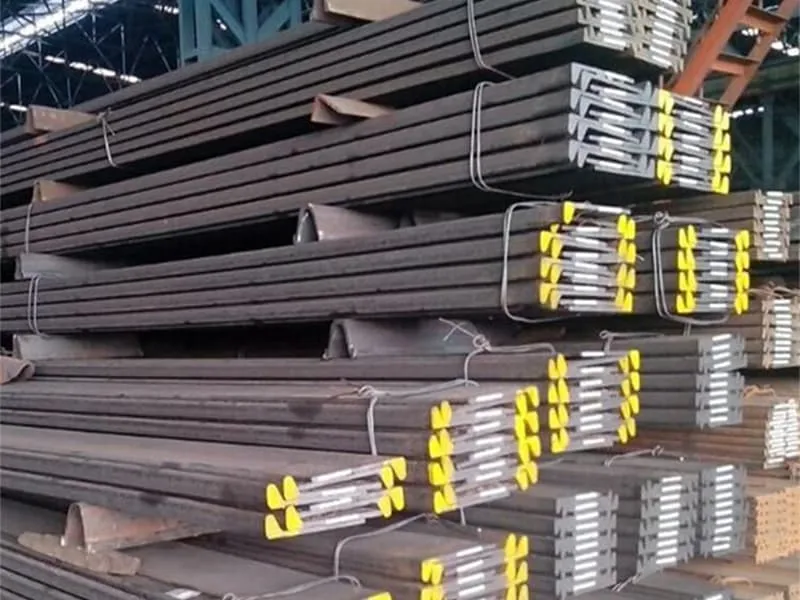
The Critical Difference: Strength vs. Toughness
This comparison is a perfect example of why you cannot buy steel on strength rating alone. You must consider the entire service condition.
Understanding the Naming (e.g., S550Q or S550D):
- S = Structural Steel.
- 550 = Minimum yield strength in MPa (550 MPa is very high-strength steel).
- The Letter (Q, D, ML, etc.) = The delivery condition and/or toughness designation.
- Q or QL: Quenched and tempered. High strength, but toughness level may be basic.
- D: Improved toughness grade, tested at -20°C.
- E: Even higher toughness, tested at -40°C.
- ML: Steel for pressure vessels.
Why "D" is Crucial for Safety:
Steel can become brittle at low temperatures. A strong steel (550 MPa) that is brittle can crack suddenly under impact or stress, like glass. A tough steel (550D) will bend and deform, giving warning before failure.
- The Test: Charpy V-notch impact test. A sample is cooled to -20°C and struck with a hammer. The energy absorbed (in Joules) is measured. 550D steel must meet a minimum energy requirement, proving its toughness.
- The Application: This is essential for ships sailing in cold waters, offshore platforms in the North Sea, bridges in cold climates, and any structure where failure would be catastrophic.
Cost Implication:
Producing tough steel requires tighter control of chemistry (lower impurities like sulfur and phosphorus) and sometimes special rolling or heat treatment. Therefore, 550D is more expensive than plain 550 or 550Q. You are paying for verified safety performance.
Decision Matrix: Which to Choose?
| Your Project & Environment | Recommended Grade | Rationale & Cost Consideration |
|---|---|---|
| General building frame in a temperate climate. | S550 or S550Q | High strength is the main need. Low-temperature toughness is not a design factor. This is the most cost-effective for the strength. |
| Ship hull for tropical routes (Southeast Asia, Middle East). | S550D or equivalent marine grade (e.g., EH550) | While water may be warm, classification society rules often mandate tough grades for hulls. The "D" toughness provides a safety margin. |
| Offshore wind turbine foundation in the North Sea. | S550D or S550E | Mandatory. The structure faces freezing temperatures and wave impact. The highest toughness is required. The higher material cost is justified by the risk reduction. |
| Heavy mining truck chassis (operating in cold regions). | S550D | Subject to dynamic loading and cold weather. Toughness prevents crack propagation from stress. |
For rational, results-driven buyers, the choice is clear. You pay for the properties you need. Specifying "550D" when you only need "550" wastes money. But using "550" where "550D" is required invites disaster. This understanding of steel types leads to the broader question: what are the main categories of steel you should know?
What are the 4 types of steel?
Knowing the basic types of steel helps you communicate better with suppliers and understand price differences. A wholesaler in Vietnam was confused why stainless steel bulb flats were ten times the price of carbon steel. Understanding the four types clarified this immediately.
The four basic types of steel are: Carbon Steel, Alloy Steel, Stainless Steel, and Tool Steel1. For bulb flats and shipbuilding, Carbon Steel (including Mild Steel2 and High-Strength Low-Alloy3/HSLA) is predominant due to its optimal balance of strength, toughness, weldability, and cost. Stainless steel is used only for special corrosive applications due to its high price. The type fundamentally determines the material’s core properties and cost base.
A Practical Guide to Steel Categories for Buyers
Each type has a distinct composition and purpose. Your choice directly impacts performance and budget.
1. Carbon Steel
This is the most common type, making up over 90% of steel production. It is primarily iron with carbon as the main alloying element.
- Subcategories:
- Low Carbon (Mild Steel2): 0.6% Carbon. Very hard and strong, but brittle. Used for knives, springs, wire.
- Use in Marine: Mild steel (A, B grades) and HSLA steels (AH, DH grades) are all carbon steels. They are the workhorse of shipbuilding.
2. Alloy Steel
This is carbon steel with added elements like Chromium (Cr), Nickel (Ni), Molybdenum (Mo), or Vanadium (V) to enhance specific properties.
- Purpose: To increase strength, hardness, wear resistance, or toughness without extensive heat treatment.
- Example: A common alloy steel grade is 4140 (with Chromium and Molybdenum). Important: Many high-strength marine steels (like AH36) are technically micro-alloyed carbon steels, with small, precise additions of Niobium or Vanadium for strength.
3. Stainless Steel
Defined by a minimum of 10.5% Chromium, which forms a passive, self-healing oxide layer that resists corrosion.
- Key Types:
- 304 (18/8): General-purpose stainless. Good corrosion resistance.
- 316: Adds Molybdenum for superior resistance to chlorides (e.g., saltwater). The standard for marine hardware and components in harsh environments.
- Cost & Use: Stainless steel is 5-10 times more expensive than carbon steel. It is not used for primary hull structures due to cost and different welding requirements. It is used for railings, fittings, tanks for corrosive cargo, and chemical tankers.
4. Tool Steel1
Very hard, wear-resistant steels designed for cutting, drilling, and forming other materials. Contain high carbon and elements like Tungsten, Cobalt. Not used in structural applications.
Comparison Table for Procurement Decisions:
| Steel Type | Main Alloying Elements | Key Properties | Typical Cost Relative to Carbon Steel | Use in Marine/Shipbuilding |
|---|---|---|---|---|
| Carbon Steel (e.g., A36, AH36) | Iron, Carbon, Manganese. | Strong, tough, weldable, cost-effective. | 1x (Base Cost) | Primary hull structure, decks, bulkheads, bulb flats. |
| Alloy Steel (e.g., 4140) | Adds Cr, Mo, Ni, V. | Higher strength, hardenability. | 1.5x – 3x | Special high-stress components (shafts, gears). Not typical for hull plating. |
| Stainless Steel (e.g., 316) | Min. 10.5% Cr, plus Ni, Mo. | Excellent corrosion resistance. | 5x – 10x | Marine fittings4, railings, chemical tanks, superstructure cladding. |
| Tool Steel1 | High C, W, Co, V. | Extreme hardness, wear resistance. | 10x+ | Cutting tools, dies. No structural use. |
Your Procurement Takeaway:
For bulb flat steel used in hull frames, you will be dealing almost exclusively with Carbon Steel, specifically in the High-Strength Low-Alloy3 (HSLA) category when you need grades like AH36 or S550D. Understanding this helps you evaluate quotes: a quote for "stainless bulb flats" will be astronomically higher and is likely a misunderstanding unless you have a very specific, non-structural need.
When you combine this knowledge—understanding pricing models, specifying exact sizes, selecting the correct grade for toughness, and knowing you need carbon steel—you are equipped to negotiate the best true price with any Chinese supplier. You become a knowledgeable buyer who can spot a good deal versus a risky lowball offer.
Conclusion
To secure the best price for bulb flat steel from China, be a specific and informed buyer: clarify total landed cost, specify exact size and grade (like 550D for toughness), understand you need carbon/HSLA steel, and partner with a responsive, mill-connected supplier for real value.
-
Find out how Tool Steel is utilized in manufacturing cutting tools and dies, essential for understanding its role in production. ↩ ↩ ↩
-
Explore the properties of Mild Steel to understand its versatility and common uses in construction and manufacturing. ↩ ↩
-
This resource will clarify the advantages of HSLA steel, particularly in shipbuilding and structural applications. ↩ ↩
-
Learn about the best materials for marine fittings, ensuring durability and resistance to harsh environments. ↩