
I still remember the panic in a new buyer’s voice when his shipment was held at Dammam port. The steel arrived on time, but his paperwork was wrong. He had the invoice and packing list, but he was missing the crucial Mill Test Certificate that matched his order specifications. That delay cost him time and money.
Snippet paragraph:
To prepare technical documents for marine steel plate supply, you need to gather three main items: the Mill Test Certificate, the commercial invoice, and the packing list. These documents must show the steel grade, dimensions, heat number, and chemical composition. You also need to confirm that all information matches the original order and the relevant classification society rules. [citation:10]
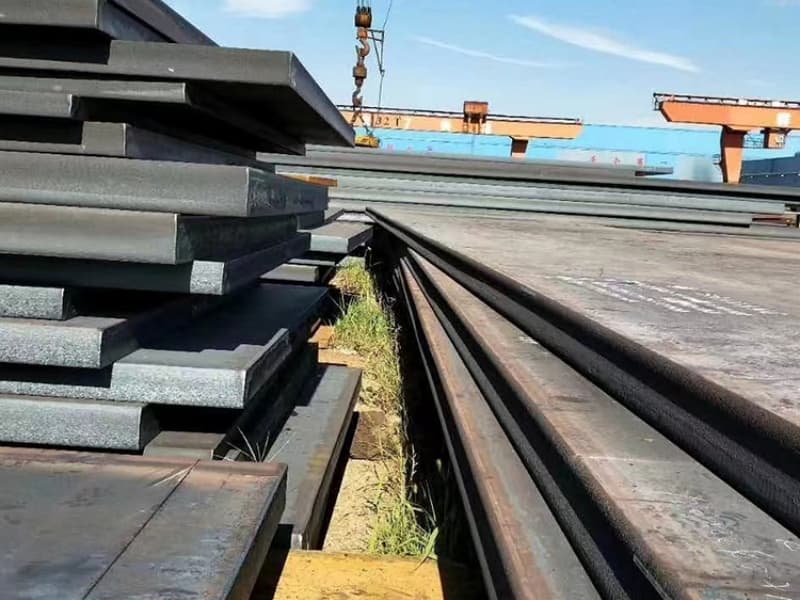
When I work with new clients like Ahmed from Gulf Metal Solutions, I see that they often feel overwhelmed by the paperwork. They know the steel they need, but they are not always sure how to prove its quality to their own customers. My job is to make this process simple. Let’s break down exactly what you need and how to ask for it.
How to prepare technical documents?
I get emails every week that just say, "Quote for ship plate." That is a good start, but it is not enough to prepare the final technical documents. If you do not give the right details at the beginning, you will get a quote, but you might not get the right steel.
Snippet paragraph:
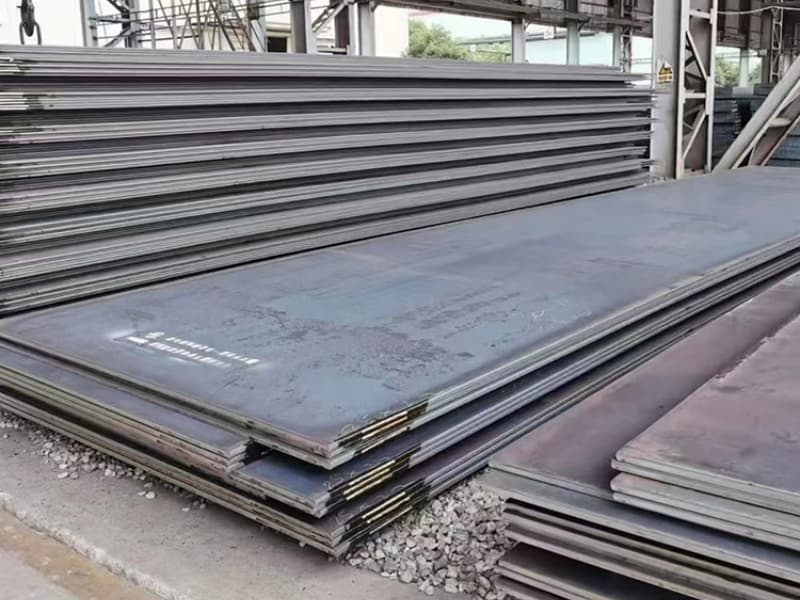
To prepare technical documents, you start by creating a clear purchase order1. You must list the steel grade2, dimensions, and quantity. You also need to specify the inspection standard3, like ASTM A131 or ABS rules. You then share this order with your supplier so they can produce the matching Mill Test Certificate. [citation:9]
Dive deeper Paragraph:
I have learned that preparing technical documents is not just about filling out forms. It is about communication between you, me, and the steel mill. If any piece of information is missing, the documents will not match the steel. This causes big problems during customs clearance or final inspection by your client.
Let me walk you through my step-by-step process for getting this right.
Step 1: Define the exact specifications
You must tell me exactly what you need. Do not assume I know what your project requires. You need to provide:
- The Steel Grade: For example, Grade A, AH36, or DH36. This dictates the chemical and mechanical properties.
- The Dimension: Length, width, and thickness in millimeters or inches.
- The Quantity: How many plates you need.
- The Classification Society: ABS, LR, DNV, or CCS. This tells us who will certify the steel. [citation:2]
Step 2: Create the formal purchase order
Once we agree on the price, I will ask you to send a formal Purchase Order (PO). This PO is the blueprint for all technical documents. It must include:
| Document Section | What to Include | Why It Matters |
|---|---|---|
| Buyer Info | Your full company name and address. | This must match your import license. |
| Product Description | "Marine steel plate, ASTM A131 Grade AH36" | This is the exact wording for the MTC. |
| Dimensions | 20mm x 2000mm x 6000mm | Tolerances are checked against this. |
| Certification | "ABS certification required" | This tells the mill to involve the surveyor. |
Step 3: The Mill Test Certificate4 is created
After we produce your steel, the mill tests it. They record the heat number, the chemical composition (like carbon and manganese), and the mechanical properties (like yield and tensile strength). All this data goes into the Mill Test Certificate, or MTC. I always check this MTC against your PO before I send it to you. I look for small mistakes, like a misspelled company name, because even small mistakes can stop your shipment.
What are examples of technical documents?
Sometimes, my clients confuse a simple commercial invoice with a technical document. They are different. If you only have the invoice, you cannot prove the steel is strong enough for a ship.
Snippet paragraph:
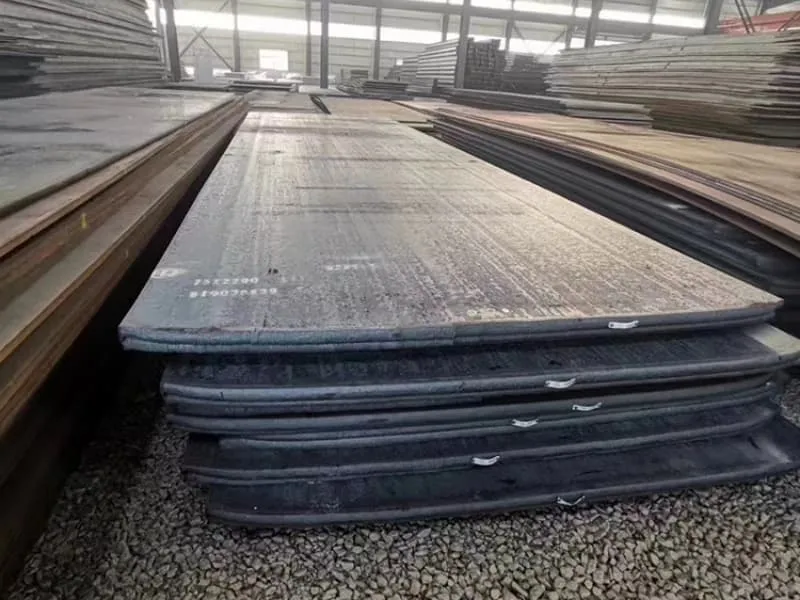
Examples of technical documents include the Mill Test Certificate1, which shows the steel’s chemical and physical properties. You also have the certificate from the classification society, like ABS or DNV. Other examples are the heat treatment charts and the dimension inspection reports. [citation:6]
Dive deeper Paragraph:
When you buy marine steel from us, you are buying safety and compliance. The technical documents are your proof. Over the years, I have seen that buyers who understand these documents feel more confident. They know exactly what they are selling to their customers.
Here are the main technical documents you will receive from me.
The Mill Test Certificate
This is the most important document. Think of it as the birth certificate for the steel. It tells you the story of how the steel was made and what it is made of.
- Chemical Analysis: It lists elements like Carbon (C), Manganese (Mn), Silicon (Si), Phosphorus (P), and Sulfur (S). For marine steel, the carbon content is often low to help with welding. [citation:10]
- Mechanical Properties: It shows the results of tensile and yield tests. For example, ASTM A131 Grade A requires a minimum yield point of 34 ksi. The certificate proves the steel meets this number. [citation:2]
- Heat Number: This is a batch number. It links the steel plate back to the exact time it was made at the mill.
The Classification Society Certificate2
This is a separate document issued by a third party. If you order ABS grade steel, an ABS surveyor will visit the mill. They watch the testing. If they are happy, they stamp the MTC or issue their own certificate. This proves an independent expert has checked the quality. Common societies include:
- ABS: American Bureau of Shipping
- LR: Lloyd’s Register
- DNV: Det Norske Veritas
- CCS: China Classification Society
Other Supporting Documents
Depending on the order, you might also need:
- Inspection Report3: A list of the actual measured dimensions of each plate.
- Welding Procedure Specifications: If you are buying steel for a specific welding job.
- SGS Inspection Report: If you pay for an independent inspection company like SGS to check the steel before shipment, you get their report too.
What are three main parts in a technical document?
When I first started in this business, looking at an MTC felt like reading a foreign language. There were so many numbers and terms. But I learned that all these documents share the same basic structure.
Snippet paragraph:
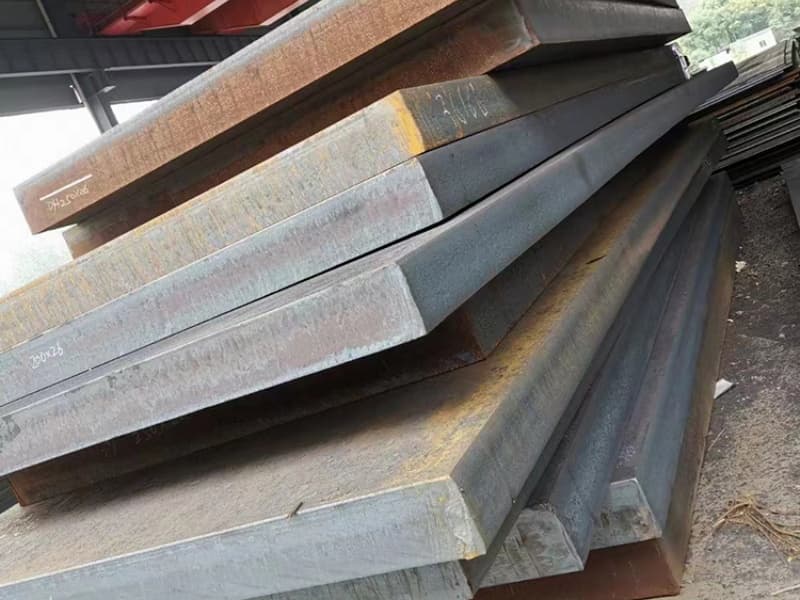
The three main parts in a technical document are the product description1, the chemical composition table2, and the mechanical property table3. The product description names the steel and the standard. The chemical table lists the elements inside the steel. The mechanical table proves the steel’s strength and toughness. [citation:4][citation:8]
Dive deeper Paragraph:
I always tell my clients to look for these three parts immediately when they open an MTC. If one part is missing or looks wrong, stop and ask questions. It is better to ask before the steel ships than after it arrives.
Here is a simple breakdown of these three main parts.
1. The Product Description and Identification
This is the top section of the document. It tells you what the product is.
- Standard: It will say something like "ASTM A131" or "ISO 630-1". This is the rulebook that was used to make the steel. [citation:9][citation:10]
- Grade: This specifies the type, like "Grade A" or "AH36".
- Dimensions: It lists the size of the plates.
- Heat Number / Plate Number: This unique ID connects the document to the physical steel. You should see this number stenciled or stamped onto the actual steel plates.
2. The Chemical Composition
This part is a table. It shows the percentage of different chemical elements found in the steel sample.
- It confirms the steel meets the limits set by the standard.
- For example, in higher strength steels like AH36, the chemistry is controlled to give better performance.
- You will see elements like:
- C (Carbon): Affects hardness and strength.
- Mn (Manganese): Adds strength and helps with deoxidation.
- P (Phosphorus) and S (Sulfur): Usually kept very low as they can make the steel brittle. [citation:5]
3. The Mechanical Properties
This part proves the steel can handle physical stress. It shows the results of tests done on the steel.
- Yield Strength: The stress point where the steel starts to bend permanently. For ordinary strength steel, this is usually around 235 MPa. [citation:9]
- Tensile Strength: The maximum stress the steel can take before it breaks.
- Elongation: This measures ductility. It tells you how much the steel can stretch before breaking. It is shown as a percentage. [citation:2]
- Impact Test (Charpy V-notch): This is very important for shipbuilding. It shows how tough the steel is. It measures how much energy the steel can absorb if something hits it, especially in cold temperatures. Grades like D, E, DH, and EH have strict impact tests at low temperatures. [citation:10]
What are the grades of marine steel plates1?
I often have customers ask me for "ship steel," but they do not realize there are many different grades. Using the wrong grade is like using the wrong fuel in a car. It might run for a while, but eventually, it will fail.
Snippet paragraph:
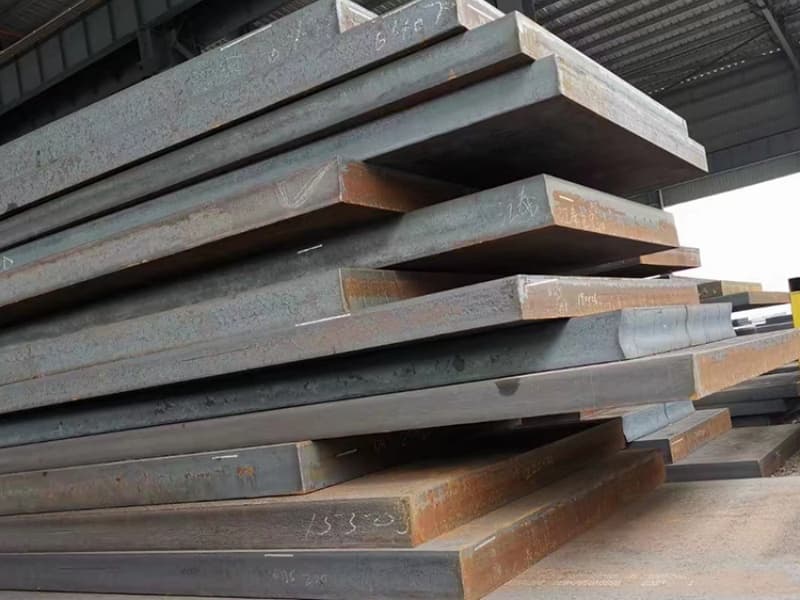
The grades of marine steel plates are divided into ordinary strength and higher strength categories. Ordinary strength grades are A, B, D, and E. Higher strength grades include AH, DH, EH, and FH. The number after the letters, like 32, 36, or 40, shows the minimum yield strength. [citation:9]
Dive deeper Paragraph:
Selecting the right grade is a critical decision. It depends on where the steel will be used on the ship and the environmental conditions. A plate used for the interior bulkhead does not need the same toughness as a plate used on the outer hull in the Arctic.
I help my clients navigate these choices every day. Here is a guide to the most common grades.
Ordinary Strength Steel
These are the workhorses of the shipbuilding industry. They are strong and reliable for most parts of a vessel.
- Grade A: This is the most common grade. It is used for parts of the structure that are not under high stress. It has good weldability. [citation:2]
- Grade B: This is similar to Grade A but with slightly stricter chemistry requirements. It is often used for thicker plates.
- Grade D: This grade requires impact testing2. It is tougher and can be used in colder environments.
- Grade E: This is the toughest in the ordinary strength category. It has the strictest impact tests and is used in the most critical areas. [citation:9]
Higher Strength Steel
These grades are used when you need to reduce weight or handle higher stress without making the plate thicker.
- AH Grades (AH32, AH36, AH40): The "H" stands for high strength. The number (32, 36, 40) indicates the minimum yield strength in ksi. For example, AH36 has a minimum yield strength of 51 ksi (350 MPa). These are used for the shell plating, deck, and bulkheads of large ships. [citation:9]
- DH and EH Grades: The "D" and "E" indicate even better toughness at low temperatures.
- DH grades are tested at -20°C.
- EH grades are tested at -40°C.
- FH grades are tested at -60°C. These are for the most extreme conditions, like ice-breaking ships or offshore platforms in the Arctic. [citation:6]
Specialized Steel
Sometimes, a project needs more than standard grades.
- Offshore Plates (like S355 G10+M): These are for oil platforms and jack-up rigs. They must withstand very harsh conditions and have excellent through-thickness properties to prevent lamellar tearing. [citation:6]
- High-Manganese Austenitic Steel3: This is a newer type of steel for very low-temperature applications, like storage tanks for liquefied gas. [citation:7]
When you send me an inquiry, tell me the grade. If you are unsure, tell me how the steel will be used and where it is going. I can then recommend the right grade and prepare the documents to match.
Conclusion
Preparing technical documents for marine steel supply is about clear communication and attention to detail. You start with a clear order, and you end with an MTC that matches it perfectly. This process protects your business and builds trust with your clients.
-
Understanding the types of marine steel plates is crucial for selecting the right material for shipbuilding. ↩ ↩ ↩ ↩
-
Discover the importance of impact testing in ensuring the toughness and reliability of marine steel. ↩ ↩ ↩ ↩
-
Learn about this innovative steel type for low-temperature applications, crucial for specific marine projects. ↩ ↩ ↩ ↩
-
Explore the significance of Mill Test Certificates in verifying steel quality and compliance with specifications. ↩