
Have you ever felt lost looking at a long list of steel sizes for a ship project? I know I have.
Bulb flat steel sizes for ship hulls range from small profiles like 80×5 mm to large ones like 430×20 mm. The right size depends on the ship’s design, the loads it will carry, and the rules from classification societies like ABS or DNV.
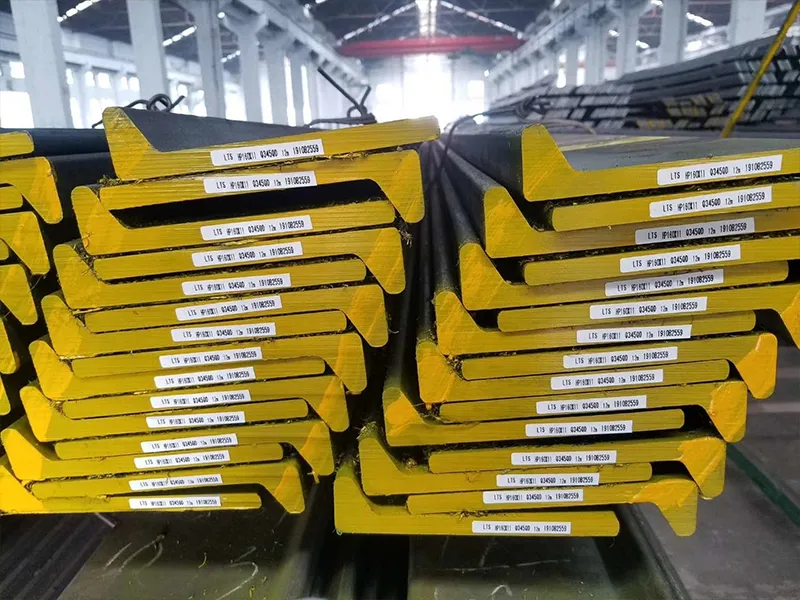
Choosing the correct size is not just about picking a number from a chart. It is a critical decision that affects the strength, weight, and cost of the entire vessel. Let me walk you through the key questions I get from buyers every day, so you can make the right choice with confidence.
What size is a bulb flat?
When I first started in this business, I was confused by all the numbers and charts. It felt overwhelming.
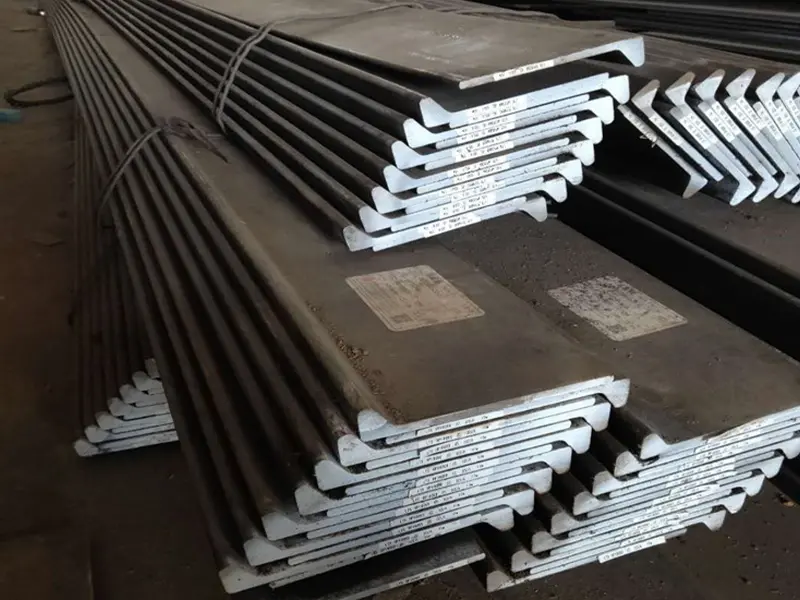
A bulb flat size1 is defined by its width (b), thickness (t), and the height of the bulb (c). Common sizes start from small ones like 80×5 mm for light framing and go up to heavy sections like 430×20 mm for the main structure of large ships [citation:1].
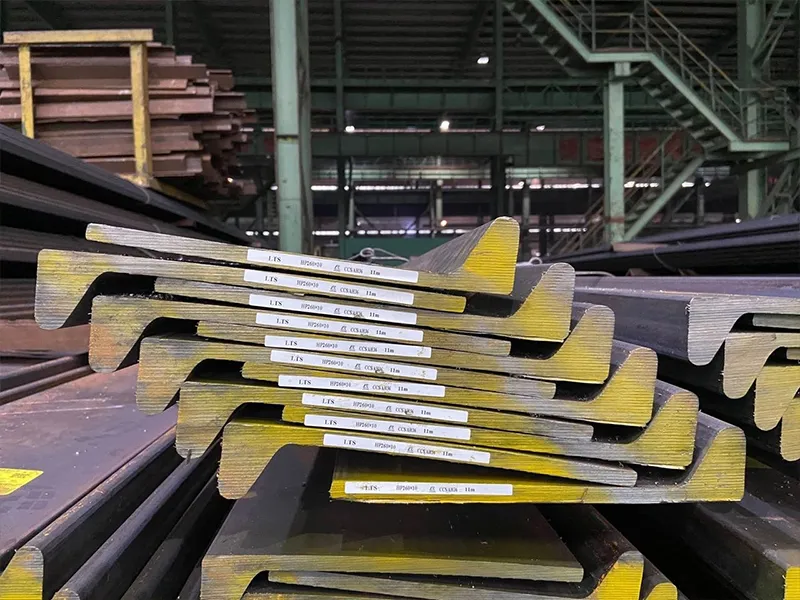
To really understand sizing, we need to break down what those numbers mean. When an engineer specifies a "HP 200×9" bulb flat, they are not just giving random numbers. This code tells us the exact shape and performance of the steel.
The dimensions are standardized2 to make sure every piece from any mill fits and works the same way. Here is a look at some typical sizes and how they are defined.
Key Dimensions of a Bulb Flat Profile
A bulb flat profile has three main parts we always look at:
- b (Width) : This is the height of the flat part, or the web. It is the main vertical part of the profile when it is welded to the hull.
- t (Thickness) : This is how thick the flat part (web) is. A thicker web means more strength to handle heavy loads.
- c (Bulb Height) : This is the height of the round "bulb" at the end. This bulb is what gives the steel its extra stiffness without adding too much weight [citation:1].
Common Bulb Flat Size Ranges
I have put together a table of some standard sizes we supply. This gives you a practical idea of what is available. These numbers come from the same charts our engineers use every day [citation:1][citation:6].
| Size Designation | Width (b) in mm | Thickness (t) in mm | Weight (kg/m) | Typical Use |
|---|---|---|---|---|
| HP 80×5 | 80 | 5 | 4.25 | Small hatches, light framing |
| HP 100×7 | 100 | 7 | 6.86 | Side shell stiffeners on smaller ships |
| HP 140×8 | 140 | 8 | 10.85 | Deck stiffeners on medium vessels |
| HP 200×10 | 200 | 10 | 20.14 | Primary stiffening on bulkers and tankers |
| HP 260×12 | 260 | 12 | 32.43 | Heavy longitudinal framing on large vessels |
| HP 320×14 | 320 | 14 | 47.60 | Very heavy structural members |
| HP 400×16 | 400 | 16 | 70.20 | Main deck and bottom structure of large ships [citation:1][citation:6] |
When I talk to customers, I always remind them that the "size" is not just the width. You have to look at the thickness and the weight per meter3, too. This weight is critical for calculating the ship’s lightship weight and stability.
What sizes does flat steel1 come in?
Many people ask me this, thinking all flat steel is the same. They are surprised to learn that standard flat bar2s are different from bulb flats.
Standard flat steel comes in a huge range of sizes, from very small strips of 12 mm wide to large plates used in construction. For mild steel (MS) flats, common widths are 12 mm to 200 mm, with thicknesses from 3 mm to 25 mm or more [citation:5][citation:10].
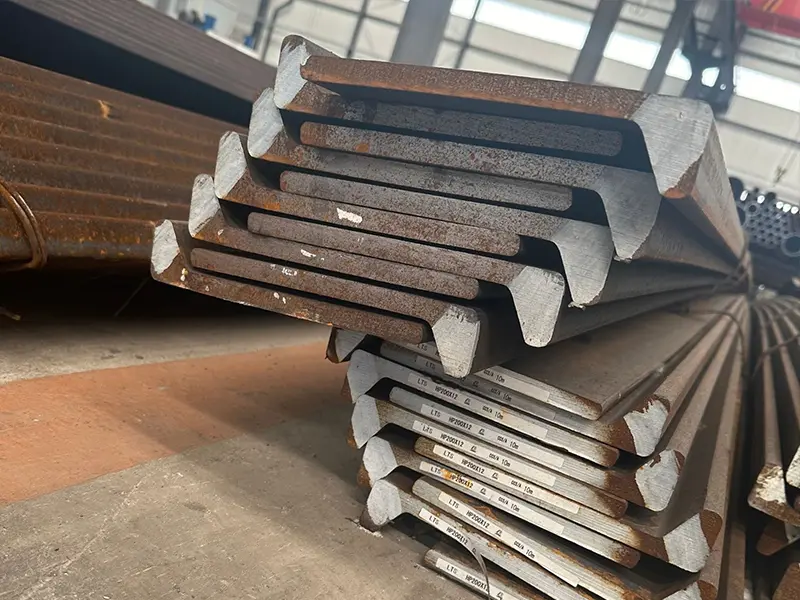
It is important to know the difference between a common flat bar and a bulb flat. A flat bar is just a rectangle. A bulb flat has that special shape. But in the shipyard, we use both, and sometimes you need a simple flat bar for other parts of the project. Let’s look at the range of standard flats.
Standard Mild Steel Flat Sizes
Mild steel flats are the workhorses of many fabrication shops. They are simple, strong, and easy to get. The size is always given as width x thickness. Here is a quick reference from some common supplier charts [citation:10].
| Width (mm) | Common Thicknesses (mm) | Typical Weight Range (kg/m) |
|---|---|---|
| 20 | 3, 5, 6, 8, 10 | 0.6 to 3.9 |
| 25 | 3, 5, 6, 8, 10, 12 | 0.8 to 4.9 |
| 40 | 3, 5, 6, 8, 10, 12, 16 | 1.4 to 7.8 |
| 50 | 3, 5, 6, 8, 10, 12, 16 | 1.7 to 9.8 |
| 75 | 6, 8, 10, 12, 16 | 4.7 to 14.7 |
| 100 | 5, 6, 8, 10, 12, 16, 20 | 3.9 to 19.6 |
| 150 | 10, 12, 16, 20, 25 | 14.1 to 29.4 [citation:5][citation:10] |
A Simple Way to Calculate Weight
One thing I learned early on is how to check the weight myself. It helps me make sure the supplier is giving me the right product. The formula is very simple [citation:5].
MS Flat Weight Formula3:
Weight (kg/m) = (Width (mm) x Thickness (mm) x 7.85) / 1000
- The number 7.85 is the density of steel in kg/dm³ [citation:5].
- For example, a flat bar of 100 mm wide and 10 mm thick weighs:
(100 x 10 x 7.85) / 1000 = 7.85 kg per meter.
Knowing this formula saved me once when a quoted weight did not match the size. It is a good trick to have.
What type of steel is most suitable for ship hulls and why?
I have seen projects fail because someone picked the wrong steel. It is a costly mistake.
The most suitable steel for ship hulls is "shipbuilding steel1," which are grades like A, B, D, E, AH32, DH36, and EH40. These steels are chosen because they are very strong, can be welded easily, and resist the brittle fractures that can happen in the cold ocean [citation:3][citation:4][citation:9].
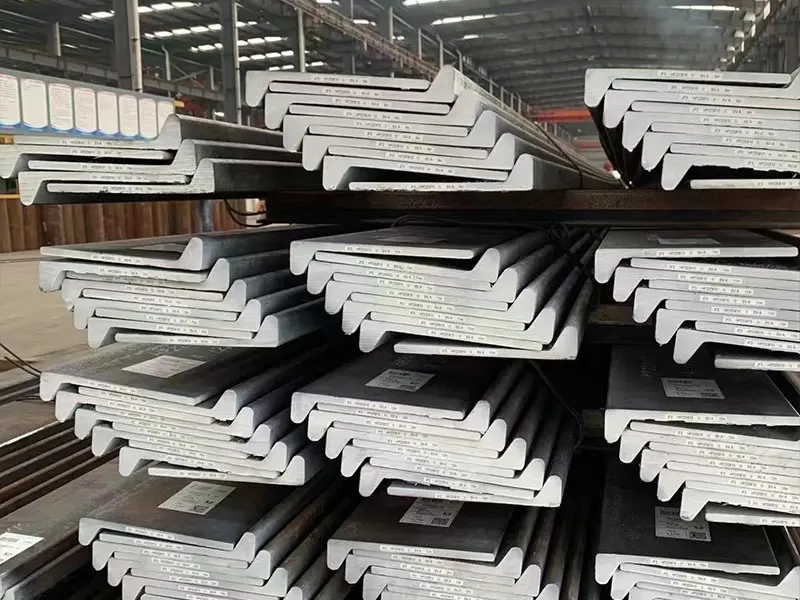
Why can’t we just use any strong steel? The ocean is a tough place. The constant stress from waves, the freezing temperatures in some areas, and the salty water all attack the steel. Shipbuilding steel is specially made to handle these conditions.
The Main Reasons for Choosing Shipbuilding Steel
- Weldability2: This is number one. You have to weld miles of seams on a ship. These special grades are made to weld without cracking. You do not need complicated pre-heating for most of them, which saves a huge amount of time [citation:3].
- Strength: We use both normal strength (with a yield strength of 235 N/mm²) and high strength steel (like AH363 with 355 N/mm²). Using high strength steel4 in key areas means you can use a thinner plate, which makes the ship lighter and able to carry more cargo [citation:4][citation:9].
- Fracture Toughness5: This is a fancy term for "does not crack easily." A ship’s hull flexes constantly. In icy waters, the steel must stay tough. Grades like D and E are tested to work at very low temperatures, like -20°C or even -40°C [citation:3][citation:4].
Shipbuilding Steel Grades and Their Use
Here is a breakdown of common steel grades and where we use them. The "High Strength" steels are what most of my clients building large commercial ships ask for.
| Grade | Strength Level | Typical Use Case | Key Property |
|---|---|---|---|
| A | Normal | Inner structure, parts not exposed to extreme cold | Good formability |
| B | Normal | Hull plating in moderate climates [citation:6] | Balance of strength and cost |
| D | Normal | Areas where temperature can drop to -20°C | Impact-tested for colder temps [citation:4] |
| AH32 | High | Deck and bottom structure | Higher strength allows for lighter design |
| DH36 | High | High-stress areas like the sheer strake | Very high strength and good at -20°C [citation:3] |
| EH40 | High | Critical structural parts for large ships | Highest strength, tested at -40°C [citation:3] |
A few years ago, a buyer from Qatar asked me about steel for a new set of oil tankers. He initially wanted a standard grade. But after talking about the operating conditions, we realized the ships would face some very high stresses. We switched his order to DH36 for the main hull. It cost a little more, but it made the hull stronger and actually lighter. He told me later it was the right decision.
The Role of Classification Societies6
You cannot just pick any steel. It has to be approved. Ships are built to rules set by organizations like the American Bureau of Shipping (ABS), Lloyd’s Register (LR), or DNV [citation:3][citation:9]. When you buy bulb flats for a ship, they must come with a certificate from the mill that says the steel meets these rules. That is why we always make sure our steel comes from certified mills with full test reports. It is not just paperwork; it is your guarantee the steel will perform [citation:9].
What is the standard size1 of MS flat2?
This is a very common question from buyers who are new to steel or starting a smaller project.
There is no single "standard" size, but a very common MS flat size used in many projects is 50 mm x 6 mm. However, MS flats are produced in a wide variety of widths and thicknesses, and the most common sizes depend on local market demand and typical applications [citation:5][citation:10].
When we say "MS flat," we are usually talking about mild steel3. It is a general-purpose steel with low carbon content. It is not as specialized as the high-strength ship plate we just discussed, but it is everywhere on a ship for things like ladders, brackets, and supports.
What "Standard" Really Means in Practice
In my experience, what is "standard" changes depending on the country and the industry. A size that is common in India might be rare in Mexico. That is why I always tell my clients to think about their specific project first, and then check availability.
Some sizes are simply ordered more often because they fit a lot of common needs.
- For light work: Sizes like 25 mm x 3 mm or 25 mm x 5 mm are very common for small brackets and supports [citation:10].
- For general fabrication: The 50 mm x 6 mm is a real workhorse. It is strong enough for many jobs but not too heavy [citation:5].
- For heavier structures: Sizes like 75 mm x 10 mm or 100 mm x 10 mm are used where more strength is needed [citation:10].
Here is a look at how the weight changes with thickness for a popular width like 50 mm.
| Width (mm) | Thickness (mm) | Weight (kg/m) |
|---|---|---|
| 50 | 5 | 2.0 |
| 50 | 6 | 2.4 |
| 50 | 8 | 3.1 |
| 50 | 10 | 3.9 |
| 50 | 12 | 4.7 |
| 50 | 16 | 6.3 [citation:10] |
When you order, always be clear. Do not just say "standard flat." Say "I need MS flat, 50mm wide by 10mm thick, in 6-meter lengths." That way, there is no confusion. And always ask for the mill certificate, even for MS flats, to be sure of the quality. I remember a shipment to the Philippines where the buyer just asked for "standard flats." What he got was not what he expected for his project. Now, we always double-check the exact dimensions together.
Conclusion
Selecting the right bulb flat size means knowing your ship’s needs, from the small 80 mm profiles to the heavy 400 mm sections. Always use certified shipbuilding steel and verify your sizes.
-
Learn about standard sizes to ensure you order the correct dimensions for your project. ↩ ↩ ↩ ↩
-
Understanding MS flat is crucial for selecting the right materials for your project. ↩ ↩ ↩ ↩
-
Explore the properties of mild steel to make informed decisions for your construction needs. ↩ ↩ ↩ ↩
-
Explore the advantages of high strength steel for creating lighter and more efficient ships. ↩
-
Learn about fracture toughness to understand how it prevents failures in harsh marine environments. ↩
-
Gain insights into how classification societies ensure safety and compliance in shipbuilding practices. ↩