
You are preparing a purchase order for bulb flat steel. The ship design plans specify a size, but you are unsure if it is optimal. Choosing the wrong size can lead to an overbuilt, heavy hull or, worse, a weak structure prone to buckling. How do you make the right choice with confidence?
Selecting the right bulb flat steel size requires matching the profile’s section modulus to the structural loads. You must consult the vessel’s structural drawings, understand the classification society rules for plate stiffening, and consider available mill sizes. The goal is to find the most efficient size that provides required strength with minimal weight.
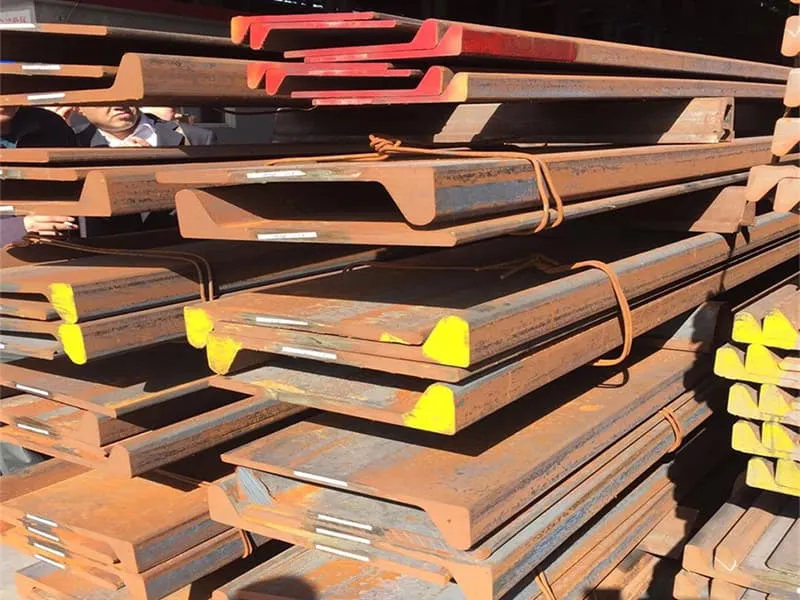
This decision impacts the vessel’s construction cost, cargo capacity, and long-term safety. From my experience supplying shipyards, I will guide you through the logic of size selection. We will clarify standard dimensions, address common confusions with other steel types, and explain how function dictates the final choice.
What are the standard sizes of flat bars?
Before we talk about bulb flats1, we must understand flat bars. Many people confuse the two. This confusion can cause procurement errors. Flat bars are simple, rectangular steel strips without any bulb or special profile.
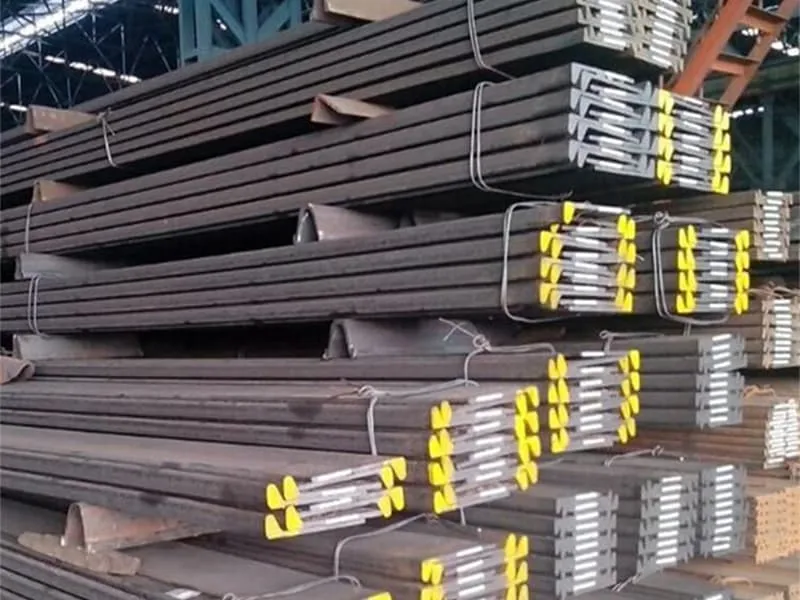
Standard flat bar sizes are defined by their width and thickness2. Common widths range from 10mm to 300mm, and thicknesses range from 3mm to 50mm. They are sold in standard lengths of 6 or 12 meters. Unlike bulb flats1, their dimensions are not optimized for high bending strength as stiffeners.
Understanding Flat Bar Specifications and Limitations
Flat bars are general-purpose items. Their standardization is simple, which highlights why they are different from engineered bulb flats1.
| Dimension | Typical Size Range | Common Applications in Marine Context | Why They Are Not Primary Stiffeners |
|---|---|---|---|
| Width | 20 mm, 25 mm, 30 mm, 40 mm, 50 mm, up to 300 mm. | Brackets, gussets, small pads, non-critical framing. Used where simple shape and low cost are priorities over structural efficiency. | Their strength in bending is poor for their weight. A flat bar must be very tall to match the stiffness of a bulb flat, making it heavy and space-inefficient. |
| Thickness | 3 mm, 5 mm, 6 mm, 8 mm, 10 mm, 12 mm, up to 50 mm. | Thinner flats for light fabrications; thicker flats for machining parts or heavy-duty pads. | No standardized series for hull stiffening. Thickness is chosen for shear or connection needs, not calculated section modulus3. |
| Length | 6 meters (common), 12 meters (for less waste in large projects). | Cut to size for specific fabrication needs. | Length does not define the profile’s engineering capability, unlike the height of a bulb flat. |
| Material Grades | Typically commercial grades like ASTM A36, SS400, or mild steel. | Suitable for secondary structures not requiring certified marine steel. | Often lack the specific chemistry, toughness, and certification (ABS, LR, DNV) required for primary hull members. |
| Key Differentiator from Bulb Flats | Simple rectangular cross-section. | Easy to cut, drill, and weld for miscellaneous jobs around the shipyard. | They lack the bulb that provides the efficient, high-strength edge crucial for resisting buckling in hull plates. |
A shipyard in the Philippines once ordered a batch of 50x10mm flat bars, thinking they could be used as temporary supports during block assembly. Their warehouse mistakenly issued some of this stock to the fabrication team working on a barge’s internal bulkhead stiffeners. The team used them. The surveyor from the classification society later rejected the work. The reason was not just the lack of certification on the flat bars. The engineer pointed out that the 50mm height provided less than half the required section modulus3 compared to the designed 200×10 bulb flat. This caused a rework that delayed the project by two weeks. The lesson is clear. Know what you are buying. Flat bars are for fabrication; bulb flats1 are for engineered structural support. Their standard sizes serve completely different purposes.
What is the standard size of MS flats1?
The term "MS flats1" adds another layer of confusion. "MS" stands for "Mild Steel2." This refers to the material’s low carbon content and general-purpose nature, not its shape.
"MS flats1" are simply flat bars made from mild steel. Their standard sizes are the same as generic flat bars (e.g., 25x6mm, 50x10mm, 100x12mm). The "MS" prefix only indicates a soft, ductile, and weldable material, not a profile suitable for high-stress marine stiffening.
Clarifying Material vs. Profile: MS vs. Marine Grade
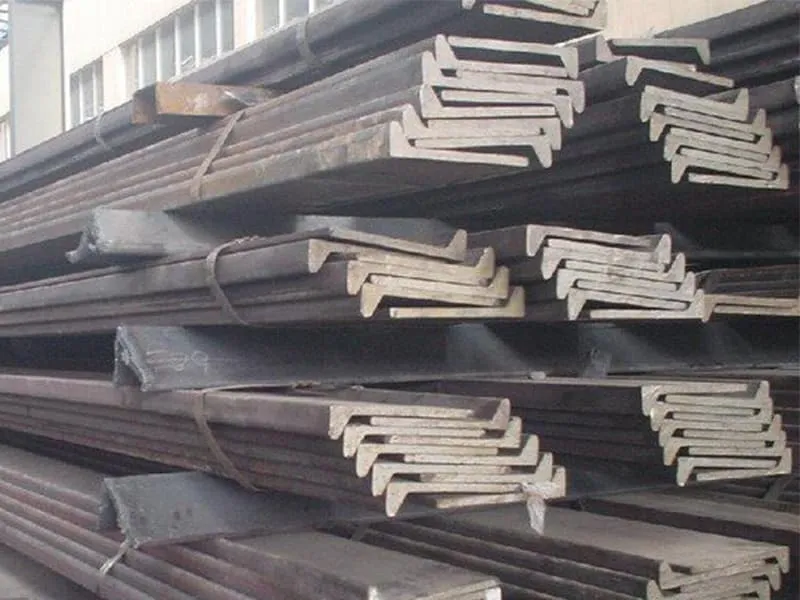
The core issue here is conflating material type with profile function. For shipbuilding, the material specification is as critical as the size.
| Aspect | "MS Flats" (Mild Steel2 Flat Bars) | Marine-Grade Bulb Flats | Implication for Selection |
|---|---|---|---|
| Material Definition | Low-carbon steel (e.g., ASTM A363, Grade 250). It has relatively low yield strength (typically 250 MPa). | High-strength, low-alloy steel (e.g., AH32, DH36). Yield strength is higher (315-355 MPa). It has controlled chemistry for toughness. | MS material is too weak for primary hull structures. It cannot provide the strength needed for efficient design. |
| Standard Sizes | Sizes follow standard flat bar dimensions. Focus is on width and thickness. | Sizes follow engineered series. Focus is on total height and web thickness to achieve a specific section modulus. | You cannot substitute an "MS flat" size for a bulb flat4 size. The engineering properties are completely different. |
| Primary Use Case | General fabrication, non-structural brackets, decorative trim, temporary works. | Primary and secondary longitudinal and transverse stiffening in hulls, decks, and bulkheads. | Using MS flats1 in a load-bearing role is a major safety violation. It compromises the vessel’s structural integrity. |
| Certification | Usually comes with a generic material certificate, if any. Seldom has classification society approval. | Must be supplied with a Mill Test Certificate (MTC)5 3.1/3.2 traceable to the heat, meeting rules of ABS, LR, DNV, etc. | Classification society surveyors will reject uncertified MS material in the hull. Certification is non-negotiable. |
| Why the Confusion Occurs | In some regions or general engineering, "MS flat" is a common term for any flat, low-grade steel bar. | In shipbuilding, the language must be precise: "Bulb Flat, Grade AH36, size 300 x 12mm, per ASTM A131." | Procurement documents must use precise technical language to avoid receiving incorrect, non-compliant material. |
I received an inquiry from a new client in Myanmar. They asked for a quote for "MS flats1, size 300×11." This raised a red flag. That size is typical for a bulb flat4, not a mild steel flat bar. We called to clarify. They were indeed working on a small coastal vessel and needed certified bulb flat4s for the hull frames. They used the term "MS flats1" out of habit from their previous general construction work. We explained the critical difference and supplied the correct AH32-grade bulb flat4s with full ABS certification6. This communication prevented a potential project failure. Always specify the profile name (bulb flat4), the steel grade (e.g., DH36), and the standard (e.g., ASTM A131). Never rely on generic terms like "MS flats1" when ordering critical marine components.
What are bulb flats used for?
Knowing the application is the first step in selecting the right size. You do not choose a size randomly. You choose a size that performs a specific job on a specific part of the vessel.
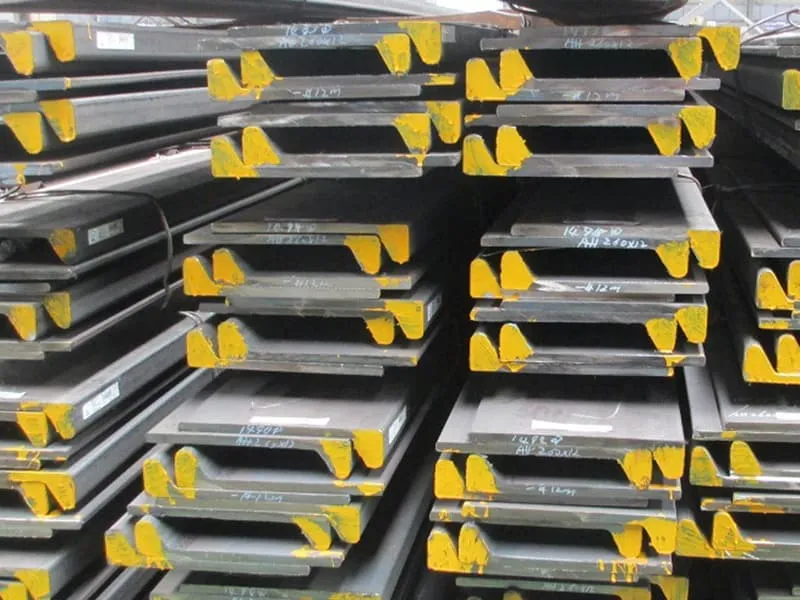
Bulb flats1 are primarily used as longitudinal and transverse stiffeners2 in ship structures. They are welded to hull plates, decks, and bulkheads to prevent buckling, increase global strength3, and support loads. Their efficient shape makes them ideal for the inner frames of double-bottom tanks, side shells, and decks.
Matching Bulb Flat Size to Specific Structural Functions
The required size changes based on the location and load. The table below links common applications to typical size ranges and selection logic.
| Structural Application | Function of the Bulb Flat | Typical Size Range (Height x Thickness) | Key Selection Factor |
|---|---|---|---|
| Bottom Longitudinals | Resist high water pressure and global hull bending (sagging). These are the most critical stiffeners. | Larger sizes: 250x12mm to 400x18mm. High thickness for corrosion margin. | Section Modulus (SM): Must be calculated to prevent plate buckling under maximum static and dynamic pressure. |
| Side Shell Longitudinals | Support side plating against water pressure and local loads (e.g., berthing). | Medium to Large: 200x10mm to 300x14mm. | Spacing: The distance between stiffeners affects the required SM. Closer spacing may allow a slightly smaller size. |
| Deck Longitudinals | Resist compression/tension from hull bending and support deck loads. | Medium: 180x9mm to 250x12mm. | Global Strength Contribution: Deck longitudinals add to the ship’s overall longitudinal strength, influencing size choice. |
| Bulkhead Stiffeners | Provide rigidity to vertical watertight or oiltight walls. | Small to Medium: 150x8mm to 220x10mm. Can be vertical (transverse) or horizontal. | Plate Panel Dimensions: The height and width of the unsupported bulkhead panel determine the stiffener size. |
| Double Bottom Floors & Girders | Act as primary transverse members, supporting the bottom longitudinals. | Often larger, like built-up sections. Sometimes bulb flats are used as web for built-up girders. | Span and Load: The unsupported span and the load from attached longitudinals dictate a very high SM requirement. |
A naval architect from a European design firm shared a case with me. They were optimizing a bulk carrier design. For the bottom longitudinals in the cargo holds, they initially specified a 320×13.5mm bulb flat. After detailed finite element analysis (FEA)4 of the load during heavy weather, they realized the stress was concentrated in certain areas. They changed the specification. They used a 320x15mm bulb flat in the high-stress area amidships and a 300x12mm bulb flat in the lower-stress areas toward the ends. This grade-and-size optimization5 saved several tons of steel without compromising safety. This shows that size selection is not one-size-fits-all, even on the same vessel. It is a deliberate engineering decision based on calculated load paths. Your selection process must start with the structural drawing6 and the designer’s calculations, not a generic size chart.
What size are flat steel sections?
This question seems simple, but in shipbuilding, "flat steel sections" can mean different things. We need to distinguish between simple flat bars and engineered bulb flat sections. Their size philosophy is fundamentally different.
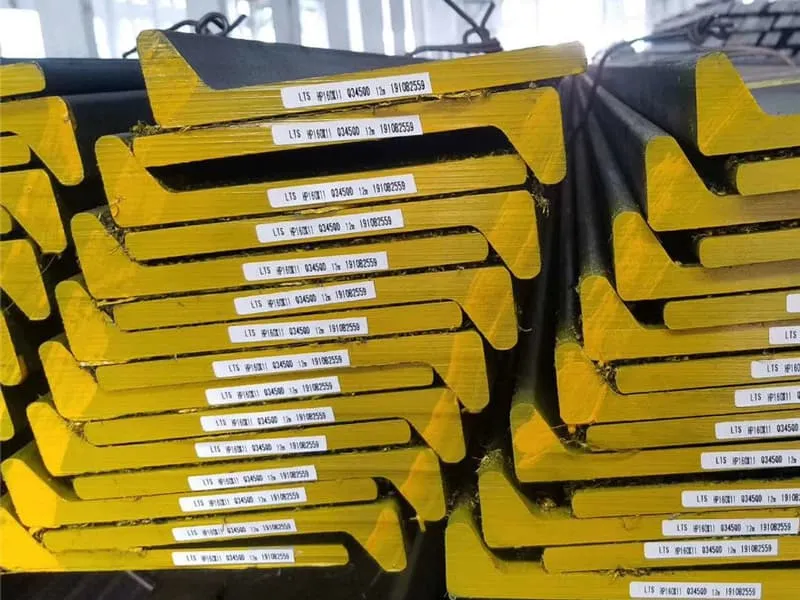
Bulb flat steel sections1 have standardized series based on their total height and web thickness. Common series range from HP 80 to HP 400 (where the number often indicates the approximate height in mm). Each series has a defined bulb geometry. The exact available sizes are determined by rolling mill capabilities and classification society accepted standards.
Navigating Bulb Flat Size Standards and Availability
Selecting a size means navigating between theoretical design ideals and practical mill supply. The most efficient size is one that is both structurally adequate and readily available.
| Standard Series / Designation | Typical Height (h) Range | Typical Web Thickness (t) Range | Notes on Selection & Supply |
|---|---|---|---|
| Common European Series2 (e.g., HP) | HP 180, HP 200, HP 220, HP 240, HP 260, HP 280, HP 300, HP 350. | Thickness varies per series, e.g., for HP 300: from 10.5 mm to 15.5 mm. | These are classic designations. Modern orders usually specify dimensions (e.g., 300x12mm) rather than the "HP" code. |
| Asian Shipyard Preferences3 | 200 mm, 250 mm, 280 mm, 300 mm, 350 mm, 400 mm are very common. | Thickness often in 0.5mm or 1mm increments (e.g., 10, 10.5, 11, 12 mm). | Mills in East Asia have extensive tooling for these sizes, making them cost-effective and readily available. |
| Standard Mill Rolling Sizes4 | Most mills have standard dies for popular sizes like: 200, 220, 250, 280, 300, 350 mm height. | For a 300 mm height, standard thickness may be: 11 mm, 11.5 mm, 12 mm, 12.5 mm, 13 mm, 14 mm. | Selecting a non-standard thickness (e.g., 300×13.2mm) requires special rolling, which increases cost and lead time dramatically. |
| Section Modulus (SM) Tables5 | Designers use tables that list the calculated SM for each size (e.g., 300x12mm bulb flat has SM ~500 cm³). | The SM increases with both height and thickness. A small increase in thickness can significantly boost SM. | Your selection is ultimately about meeting a required SM value from the structural calculations. You choose the size that meets this SM most efficiently. |
| Practical Procurement Advice | Always ask your supplier for their standard size list from their cooperating mills before finalizing drawings. | If the calculated ideal size is 287×11.2mm, round to the nearest standard size (e.g., 280x11mm or 300×11.5mm) and re-check the SM. | Sticking to standard sizes ensures faster delivery, better price, and easier replacement if needed later. |
We maintain a close partnership with several certified mills in Shandong. One of the first documents we share with a new client is our "Standard Bulb Flat Size Availability List6." For example, we know that 250x10mm and 300x12mm are rolling almost every month and can be delivered from stock or with very short lead times. A client in Saudi Arabia was designing a new workboat. Their ideal calculated size was 270x11mm. We showed them that 270mm was a non-standard height. We suggested either 260×11.5mm or 280x11mm, both of which were standard and provided a slightly higher SM. They chose 280x11mm, got a stronger section, and saved six weeks on production time. The right size is a balance of engineering and procurement reality. Work with a supplier who understands both sides and can guide you toward an optimal, practical choice.
Conclusion
Choosing the right bulb flat size is a critical engineering decision. It requires understanding structural function, respecting material specifications, and aligning with practical mill standards to ensure a strong, efficient, and buildable vessel.
-
Explore this link to understand the specifications and applications of bulb flat steel sections in shipbuilding. ↩ ↩ ↩ ↩ ↩ ↩ ↩ ↩ ↩ ↩ ↩ ↩ ↩
-
This resource will provide insights into the standard designations and their significance in the industry. ↩ ↩ ↩ ↩ ↩
-
Learn about the popular sizes in Asian shipyards and how they impact procurement and cost. ↩ ↩ ↩ ↩ ↩
-
Discover the typical sizes available from mills and how they affect project timelines and budgets. ↩ ↩ ↩ ↩ ↩ ↩ ↩
-
Understanding SM tables is crucial for structural design; this link will clarify their importance. ↩ ↩ ↩
-
This resource will explain how a size availability list can streamline your procurement process. ↩ ↩ ↩