
You receive a Bureau Veritas (BV) certificate for your bulb flat steel. It looks official, but how can you be sure it’s genuine and not a costly forgery? A fake certificate means fake steel in your ship’s hull.
Verify BV certificates by checking security features (holograms, QR codes), validating the certificate number and details on the BV online verification portal, confirming the mill’s BV approval status, and cross-referencing the material’s heat number with independent third-party inspection results. Never rely on a PDF alone.
A certificate is only as good as its authenticity. In the high-stakes world of marine steel, verification is a mandatory step, not an optional one. I’ll guide you through a practical verification process, starting with the universal skills needed to spot a fake document.
How to check if a certificate is original or fake?
A supplier sends you a scanned certificate. It looks perfect. But perfect is sometimes the first sign of a forgery. You need a systematic method to separate real documents from clever fakes.
Check a certificate’s authenticity by examining security features (holograms, watermarks, unique serial numbers), verifying issuer details (contact info, official logos), cross-checking data for consistency (heat numbers, dates, signatures), and using official online verification portals if available. Demand the original hard copy, not just a scan.
The Forensic Approach: Scrutinizing Every Element
Treat every certificate as potentially fraudulent until proven otherwise. A forger often makes subtle mistakes. Your job is to find them. This process applies to any certificate, from a university degree to a steel mill report.
Step 1: Physical and Visual Inspection
If you have a hard copy or a high-resolution scan, look for these elements:
- Security Features: Modern certificates from reputable bodies use security printing. Look for holographic seals, micro-printing, UV-reactive ink, or unique background patterns. A simple printed logo is easy to copy; a hologram is not.
- Print Quality: Official certificates are printed on quality paper with sharp, clear text and logos. Blurry logos, pixelated text, or misaligned elements are red flags.
- Signatures and Stamps: Are the signatures consistent with known officials? Are stamps embossed, raised, or just printed? A printed stamp is easier to fake than an embossed one.
- Sequential Numbering: Certificates usually have a unique, sequential control number. Ask if this number format matches the issuer’s standard.
Step 2: Logical and Data Consistency Check
This is where many fakes fail. The data must tell a consistent story.
- Dates: Do the dates make sense? The test date should be before the certificate issuance date. The production (heat) date should be before the test date.
- Heat/Batch Number: This is the unique identifier for the steel melt. It should be present on the certificate and, crucially, physically marked on the steel material itself. A mismatch is a definitive proof of fraud.
- Technical Data: Do the chemical composition and mechanical properties (yield strength, tensile strength, impact values) align perfectly with the specified steel grade (e.g., does AH36 steel show a yield strength ≥ 355 MPa)? Values that are "too perfect" (exactly at the minimum with no variance) or that deviate from the grade specification are suspicious.
- Spelling and Grammar: Professional organizations have strict quality control. Obvious errors in company names, addresses, or technical terms are major red flags.
Step 3: External Verification
This is the most powerful step.
- Contact the Issuer Directly: Use contact information from the organization’s official website—not from the certificate itself. Inquire about the certificate number, the client name, and the product details. A legitimate issuer can confirm if it’s genuine.
- Online Verification Portals: Many agencies, including classification societies, now offer online databases where you can enter a certificate number to verify its status.
- Cross-Reference with Independent Evidence: The ultimate test for steel is third-party inspection. An SGS inspector takes samples from the actual shipment, tests them independently, and issues a report. This report should confirm the values on the mill certificate. If it doesn’t, the mill certificate is invalid.
This verification checklist can be your guide:
| Checkpoint | What to Look For | Red Flag |
|---|---|---|
| Document Source | Received as original hard copy or certified copy from the issuer. | Only a low-quality PDF or scan is provided. Supplier refuses to send the original. |
| Security Features | Hologram, watermark, unique serial number, QR code. | Plain paper with basic printed logo. No advanced security. |
| Data Consistency | Heat number matches material marking. Test dates are logical. Properties match the grade. | Heat number missing or doesn’t match. Properties are outside grade limits. |
| Issuer Details | Correct logo, official address, verifiable contact info. | Spelling mistakes in the issuer’s name, generic email (e.g., @gmail.com). |
| External Verification | Certificate number validates on issuer’s website. Independent inspection matches results. | Issuer has no record. Independent test results differ significantly. |
Mastering this general skill prepares you for the specific task of verifying a BV certificate. The principles are the same, but you add the specific knowledge of what a genuine BV document should contain.
What is a BV certificate?
You see "BV" on a certificate. It’s a common acronym, but its meaning and authority are specific. Understanding what it represents is the first step in trusting it.
A BV certificate is an official document issued by Bureau Veritas, a world-leading classification society and certification body. For marine bulb flat steel, it certifies that the material has been manufactured, tested, and inspected in accordance with BV’s rules and meets the specified grade requirements (e.g., BV NV Grade A or D), ensuring its suitability for use in classed vessels.
Bureau Veritas: More Than Just a Stamp
BV is not a generic testing lab. It is one of the "Big Three" classification societies (along with DNV and ABS) that set the technical standards for shipbuilding. A BV certificate is therefore a regulatory and safety approval, not just a quality report.
The Scope of a BV Certificate for Steel:
It can refer to two main, interconnected documents:
- Mill Certificate of Approval / Works Certificate: This certifies that a specific steel mill is approved by BV to produce certain grades of steel. The mill’s entire quality management system is audited. This is the foundational approval.
- Material Certificate / Test Report: This is the document you receive with a shipment. It states that a specific batch (heat) of steel, produced by the BV-approved mill, has been tested and meets the requirements of a specific BV grade (e.g., BV NV A, BV NV D36). This certificate is often based on the mill’s own test report but is validated by BV’s surveyor or the mill’s BV-approved quality department.
Key Elements on a Genuine BV Material Certificate:
- BV Logo and Branding: The official Bureau Veritas logo.
- Certificate Title: e.g., "Certificate of Material Test."
- Unique Certificate Number: Often includes a code for the mill and a sequential number.
- Reference to BV Rules: It will cite the specific BV rule (e.g., "NI 432 DTO R00 E") under which the material is approved.
- Material Identification: Product form (Bulb Flat), dimensions, steel grade (e.g., NV D36), heat number, and quantity.
- Test Results: Chemical composition and mechanical properties (tensile, impact).
- Statement of Conformity: A declaration that the material conforms to the specified requirements.
- Signature and Stamp: Signed by an authorized BV representative or the mill’s approved signatory, with an official BV stamp.
The Chain of Trust:
The certificate’s authority comes from a chain:
BV Headquarters -> BV Surveyor/Office -> Approved Steel Mill -> Specific Heat of Steel -> Your Certificate.
A fake certificate breaks this chain. It may copy the logo and format, but it cannot replicate the backed-up, audited system that gives the document its legal and technical weight.
For a shipyard, presenting a valid BV certificate for hull steel is mandatory for the vessel to receive its BV class notation. Therefore, the certificate is not just a piece of paper; it is an essential component of the ship’s licensing to operate. Verifying its authenticity protects your project, your liability, and ultimately, the safety of the vessel and its crew.
How to verify an UK certificate?
This question might seem off-topic, but it’s brilliant. It tests your ability to verify documents from a specific, reputable jurisdiction. The methodology is identical to verifying a BV certificate—you need to know the issuer, their features, and their verification channels.
Verify a UK-issued certificate by confirming the issuing organization’s official registration (e.g., on the UK Companies House), checking for recognized accreditation marks (like UKAS – The United Kingdom Accreditation Service), using the issuer’s official online verification tool, and contacting them directly through official channels listed on their .gov.uk or accredited website.
Applying the Universal Method to a Specific Jurisdiction
The UK is known for its rigorous standards and accredited bodies. The process to verify a certificate from a UK entity is a perfect template for verifying any specialized certificate, including those from BV.
Step 1: Identify the Legitimate Issuer
Who should have issued this certificate? For example:
- UKAS (United Kingdom Accreditation Service): The national accreditation body. They accredit testing labs, certification bodies, and inspection organizations.
- A UKAS-accredited laboratory: A testing lab whose competence is verified by UKAS.
- A specific UK institution or professional body.
Step 2: Look for Accreditation Marks
A legitimate certificate from a testing body will often bear the logo of its accreditor.
- The UKAS "Crown and Tick" mark is the key indicator. It means the organization is assessed by UKAS to perform specific activities to international standards.
- The certificate should also show the accreditation number (e.g., 1234). You can check this number on the UKAS website to see the scope of the lab’s accreditation.
Step 3: Use Official Verification Channels
- Online Databases: Many UK institutions have online portals where you can enter a certificate number, name, or other details to verify authenticity.
- Direct Contact: Find the contact information on the official website of the issuing body (not from the certificate). Call or email their verification department.
Step 4: Cross-Check Details
- Does the certificate number follow the issuer’s known format?
- Are the signatories listed as authorized personnel on the issuer’s website?
- Is the address correct?
Translating This to BV Verification:
BV operates globally but is headquartered in France. The process is analogous:
- Identify the Legitimate Issuer: It’s Bureau Veritas.
- Look for "Accreditation" Marks: While not UKAS, BV has its own globally recognized brand, logos, and security features. Their authority comes from their status as an IACS (International Association of Classification Societies) member.
- Use Official Verification Channels: BV offers "VeriSTAR" and other online tools for clients to verify certificates and approvals. You can also contact a local BV office.
- Cross-Check Details: Verify the mill name and approval status on BV’s list of approved manufacturers.
The core lesson is that verification relies on independent, external sources of truth (the issuer’s official website, portal, or direct contact), not on the document itself. Whether it’s a UK lab certificate or a BV material certificate, the method is the same: trust, but verify through official channels.
What are the three types of certification?
Certification is a broad term. Understanding the different types helps you know exactly what a "BV certificate" represents and what other certifications you might need in the supply chain.
The three fundamental types of certification are: 1) Management System Certification (e.g., ISO 9001 for quality management), 2) Product/Service Certification (e.g., BV certificate for steel, CE marking), and 3) Personnel Certification (e.g., certified welder, NDT inspector). For marine steel, Product Certification (by a class society) is paramount, supported by Management System certification of the mill.
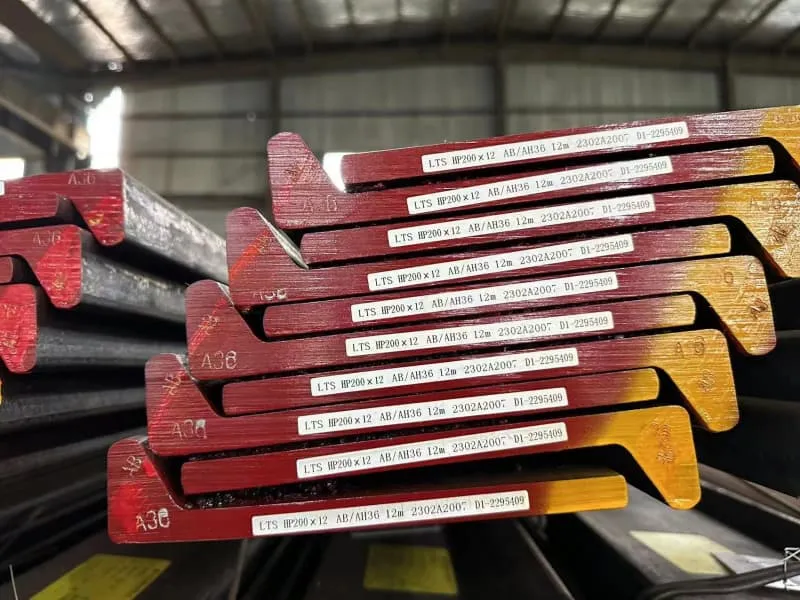
Building a Complete Quality Picture
Relying on only one type of certification is risky. A robust supply chain leverages all three. Let’s break down each type and see how they interconnect in the context of your BV-certified bulb flat steel.
1. Management System Certification
This certifies that an organization’s processes and systems meet a standard.
- Common Examples: ISO 9001 (Quality Management), ISO 14001 (Environmental Management), ISO 45001 (Occupational Health & Safety).
- What it means for a steel mill: A mill with ISO 9001 has a documented system for managing quality. It doesn’t guarantee every product is perfect, but it guarantees there is a system to correct errors and ensure consistency.
- Its Role: It’s the foundation. It tells you the mill is systematically managed. All major class-approved mills will have this.
2. Product Certification
This certifies that a specific product or batch meets defined standards.
- Common Examples: BV/DNV/ABS Material Certificate, CE Marking for construction products, UL listing for electrical equipment.
- What it means for your bulb flats: The BV certificate is a product certification. It attests that this specific heat of steel, shaped into bulb flats, meets the technical requirements of BV rules for grade NV D36.
- Its Role: This is the most critical certification for you as a buyer. It is the direct proof of the material’s fitness for purpose.
3. Personnel Certification
This certifies that an individual has the skills, knowledge, and experience to perform a specific task.
- Common Examples: Certified Welding Inspector (CWI), NDT Level II technician, certified coating inspector (NACE/SSPC).
- What it means for your supply chain: The surveyor who witnessed the tests at the mill, the inspector you hire from SGS, and the welders in the shipyard should all hold relevant personnel certifications.
- Its Role: It ensures the human element in production, inspection, and fabrication is competent. A great product can be ruined by an unskilled welder.
How They Work Together for Your Order:
Imagine the journey of your bulb flat steel:
- The mill has Management System Certification (ISO 9001) and Product Certification approval from BV.
- The batch of steel receives its Product Certification (the BV material certificate), issued by BV-authorized personnel at the mill.
- An independent inspector (with Personnel Certification) from SGS visits the mill to verify the process and may take samples.
- The steel arrives at the shipyard, where Personnel Certified welders fabricate it into the hull.
This hierarchy shows the relationship:
| Certification Type | Certifies… | Issued To… | Key Question It Answers for Your Bulb Flats |
|---|---|---|---|
| Management System (e.g., ISO 9001) | The organization’s processes. | The Steel Mill. | "Does the mill have a reliable system to produce consistent quality?" |
| Product (e.g., BV Certificate) | The specific product/batch. | The Batch of Bulb Flat Steel. | "Does this exact steel meet the technical standards for my ship?" |
| Personnel (e.g., CWI, NDT Level II) | An individual’s competence. | The Surveyor, Inspector, Welder. | "Are the people testing and fabricating this steel qualified to do so correctly?" |
When you verify a BV certificate, you are focusing on the Product Certification. But a savvy buyer also checks that the mill holds the necessary Management System certifications and uses certified personnel for testing. This multi-layered approach provides the deepest assurance of quality. A supplier who understands and can articulate this hierarchy is likely a professional partner, not just a trader.
Conclusion
Verify BV certificates by combining document scrutiny, online validation, and understanding the certification ecosystem. Always back up paper with independent inspection to ensure the steel matches the certificate’s promise.