
You have sourced your marine angle steel, but without the correct export certifications, your shipment could be rejected at customs or fail a client’s audit. The paperwork is just as critical as the steel itself. I recently helped a project contractor in Qatar navigate this exact challenge for a major port expansion.
To export marine angle steel successfully, you must secure three core certifications: the Mill Test Certificate (MTC) from the producing mill, certificates from classification societies like ABS or LR for marine-grade material, and often a third-party inspection report (e.g., SGS) verifying quantity, dimensions, and marking against the MTC. Missing any one of these can delay your project and damage your reputation.
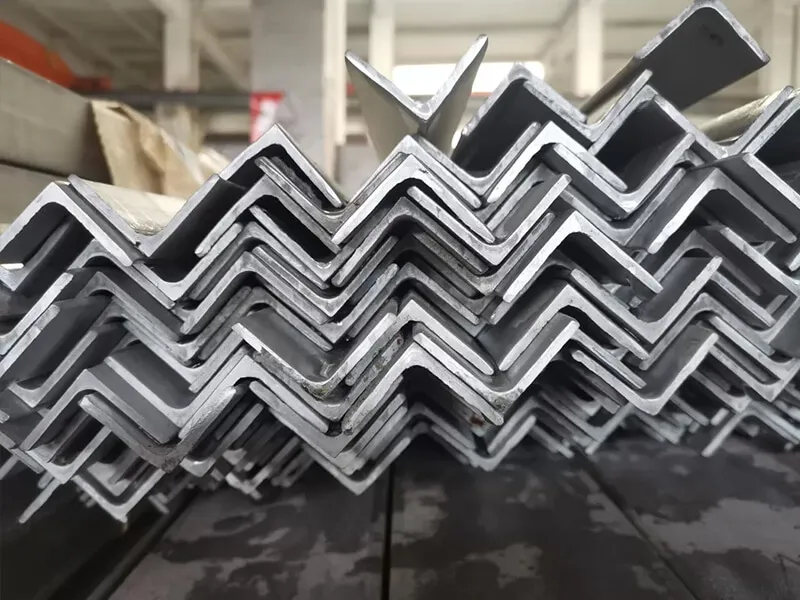
For our B2B clients, from shipbuilders in Romania to distributors in Saudi Arabia, these documents are the passport for the steel. They prove the material’s origin, quality, and compliance with international standards. Understanding each requirement in detail is key to a smooth export process. Let’s examine the essential components, starting with the fundamental customs classification.
What is the HS code for angle steel?
Imagine your container of marine angle steel is stuck at the port of Dammam. The customs authorities are asking for clarification, and demurrage charges are piling up. This often happens because of an incorrect or unclear HS code. A precise HS code is the first step in any international steel trade.
The HS code for hot-rolled steel angles is most commonly 7216.10. This code falls under Chapter 72 (Iron and Steel) and specifically covers "Angles, shapes and sections of iron or non-alloy steel, not further worked than hot-rolled, hot-drawn or extruded." However, the final code can vary based on alloy content, dimensions, and coating, so you should always confirm with your import agent.
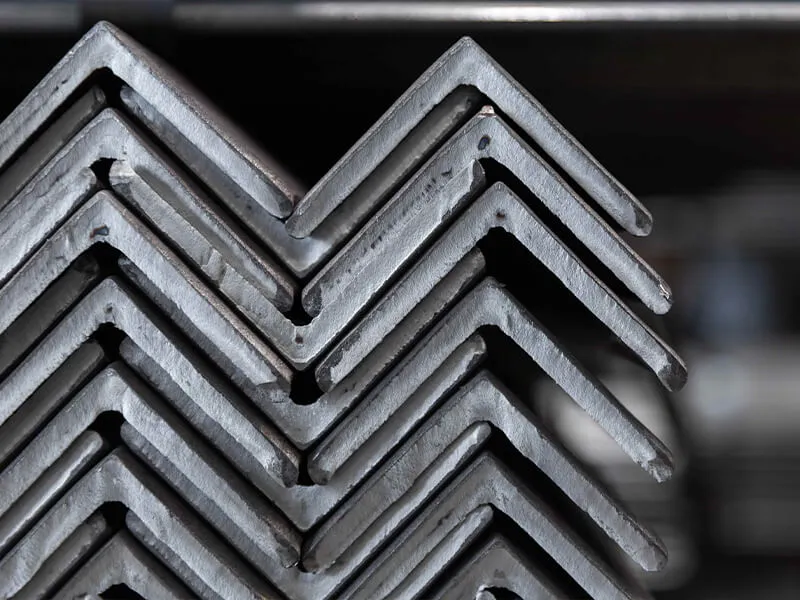
Navigating HS Codes for Accurate Customs Clearance
The Harmonized System (HS) code is a global standard for naming traded products. For steel, it determines the tariff rate and the specific regulations that apply. Using the wrong code is a common and costly mistake.
Understanding Chapter 72: The Home for Steel
All iron and steel products start in Chapter 72. The code becomes more specific with each pair of digits.
- 72 = Iron and Steel
- 7216 = Angles, shapes and sections, of iron or non-alloy steel.
- 7216.10 = Not further worked than hot-rolled, hot-drawn or extruded.
- Further digits (like 7216.10.10 or 7216.10.90) can provide even more detail, varying by country.
Why "Non-alloy" Matters
The code 7216.10 applies to "non-alloy" steel. This generally means carbon steel without significant amounts of chromium, nickel, molybdenum, etc. Most standard structural and marine carbon steel angles (like ASTM A36 or ABS Grade A) fall here. If your steel has alloying elements above certain limits, it may shift to a different heading under 7228 (Alloy steel).
Key Factors That Can Change the Code:
- Process: "Hot-rolled" is the standard. If the angle is cold-formed or cold-finished, it might be classified under 7216.50 ("Other").
- Coating: A hot-dip galvanized angle is still primarily hot-rolled steel. The base code may remain 7216.10, but the coating must be declared. Some countries may have separate codes for coated products.
- Dimensions: Some countries have specific breakouts for certain sizes, though 7216.10 is generally broad.
Here is a practical guide for exporters and importers:
| Your Angle Steel Description | Likely HS Code Heading | Important Notes for Exporters |
|---|---|---|
| Hot-rolled carbon steel angle, unpainted (e.g., S235JR, A36) | 7216.10 | This is the standard code. Ensure your commercial invoice states "Hot-rolled." |
| Hot-rolled, high-strength low-alloy angle (e.g., A572 Gr. 50) | Usually still 7216.10 | It remains non-alloy steel per HS definitions. Chemical analysis on the MTC will show this. |
| Hot-rolled marine angle with ABS certification (e.g., ABS AH36) | 7216.10 | The certification does not change the HS code. The grade is detailed in the product description. |
| Stainless steel angle (e.g., 304, 316) | 7222.40 (Stainless steel angles) | This is a completely different chapter. Do not use 7216.10. |
| Galvanized steel angle (hot-dip) | 7216.10 is common, but check. | Always add "Galvanized" or "Zinc-coated" in the product description on all documents. |
My firm advice: We always provide a suggested HS code on our proforma and commercial invoices for our clients in Vietnam, Mexico, and elsewhere. However, we make it very clear that the importer’s customs broker has the final responsibility to confirm the correct code for their country. Providing a detailed, accurate product description is the best way to support them and avoid clearance delays that can erode the trust of results-driven buyers.
What are the grades of marine steel plates?
You are building a ship’s hull. Using a standard construction grade steel here would be a fatal error. Marine plates must withstand saltwater corrosion, constant stress, and potential impacts. The grade specifies the steel’s "identity" and its guaranteed performance under these brutal conditions.
Marine steel plates are graded by classification societies like ABS, LR, DNV, and BV. Common grades range from standard strength (ABS A, B, D, E) to high-strength (ABS AH32, AH36, DH36). The grade defines minimum yield strength, chemical composition limits, and mandatory toughness (impact) testing at low temperatures. For example, AH36 has a 355 MPa yield strength and is tested for toughness at -20°C.
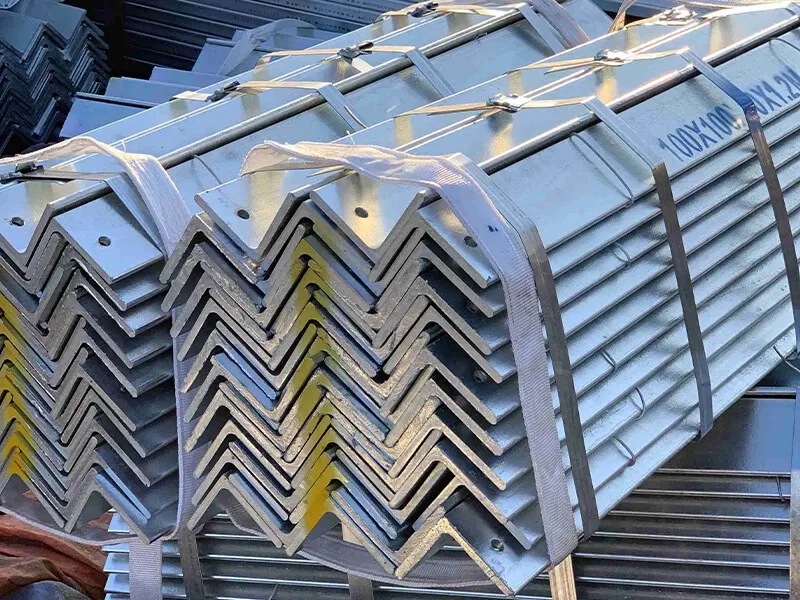
Decoding Marine Grade Specifications for Export
When you export marine plates, the grade is not just a label on the MTC. It is a package of verified properties that shipyards and classification surveyors will audit.
The Alphabet of Toughness: A, B, D, E
This letter indicates the notch toughness level, which is critical for preventing brittle fracture.
- Grade A: Basic grade for non-critical applications. May not require impact testing for all thicknesses.
- Grade B: Standard grade for hull structures. Requires impact testing at 0°C or +20°C.
- Grade D: Improved toughness for colder service. Requires impact testing at -20°C.
- Grade E: Highest toughness for severe environments like Arctic operations. Requires impact testing at -40°C.
High-Strength Grades: The "H" Series
The "H" stands for High Strength. The number indicates the minimum yield strength in kgf/mm².
- 32 = 315 MPa minimum yield strength.
- 36 = 355 MPa minimum yield strength.
- 40 = 390 MPa minimum yield strength.
- So, AH36 is a high-strength steel (355 MPa yield) with Grade A level impact properties. DH36 offers the same strength but with Grade D (improved) toughness.
Essential Export Documentation for Each Grade:
- Mill Test Certificate (MTC): This is non-negotiable. It must list the exact grade (e.g., "ABS Grade AH36"), the heat number, and the results of chemical analysis and mechanical tests (yield strength, tensile strength, elongation, impact energy).
- Classification Society Certificate: The producing mill must be approved by the society (e.g., ABS). The MTC often serves as the certificate, but it must carry the society’s stamp or be issued according to their rules. Some buyers may request a separate Certificate of Conformity from the society.
- Test Reports: The impact test reports for the specified temperature (e.g., -20°C for D grade) are crucial. These are usually part of the MTC.
This table shows how to match grade to application for export planning:
| Marine Structure Application | Recommended Plate Grade | Key Certification Focus for Export |
|---|---|---|
| Inner bottom plates, non-critical bulkheads. | ABS Grade A or B | MTC must confirm chemical composition and basic mechanical tests. Impact tests may be required for thicker plates. |
| Main hull plating for commercial vessels (bulk carriers, tankers). | ABS Grade B or AH32/36 | MTC must show full mechanical tests and impact tests at the required temperature (e.g., 0°C for B). |
| Ship hull in forward sections, offshore platform nodes. | ABS Grade D, E, DH36, EH36 | Critical: MTC must include low-temperature impact test results (e.g., -20°C or -40°C). This is a primary checkpoint for surveyors. |
| LNG carrier tanks (cryogenic service). | Special grades like ABS/EN 10028-4 | Certification requires extremely strict low-temperature impact testing (e.g., -196°C) and specialized mill approvals. |
For export, especially to countries with large shipbuilding industries like Saudi Arabia or Qatar, the MTC is your primary evidence. We ensure every shipment of marine plate from our partner mills includes a fully detailed, English-language MTC that matches the grade marked on the steel itself. This transparency is what allowed us to meet the stringent requirements of clients like Gulf Metal Solutions, who value suppliers that provide stable quality and clear proof of it.
What size is a36 angle bar?
A client in the Philippines once received a shipment of "A36 angle bars." The MTC was correct, but the leg lengths varied by 2-3mm from the ordered size. This caused fit-up problems in their fabrication shop. The A36 standard defines the material properties, but the physical dimensions are governed by a separate standard.
The size of an A36 angle bar refers to its physical dimensions: leg lengths and thickness. Common sizes range from small sections like L20x20x3mm to large sections like L200x200x20mm. The "A36" refers to the ASTM material standard guaranteeing a minimum yield strength of 36,000 psi (250 MPa), not the dimensions, which are specified separately, typically under ASTM A6. You must order both the material grade (A36) and the specific size (e.g., L100x100x10mm).
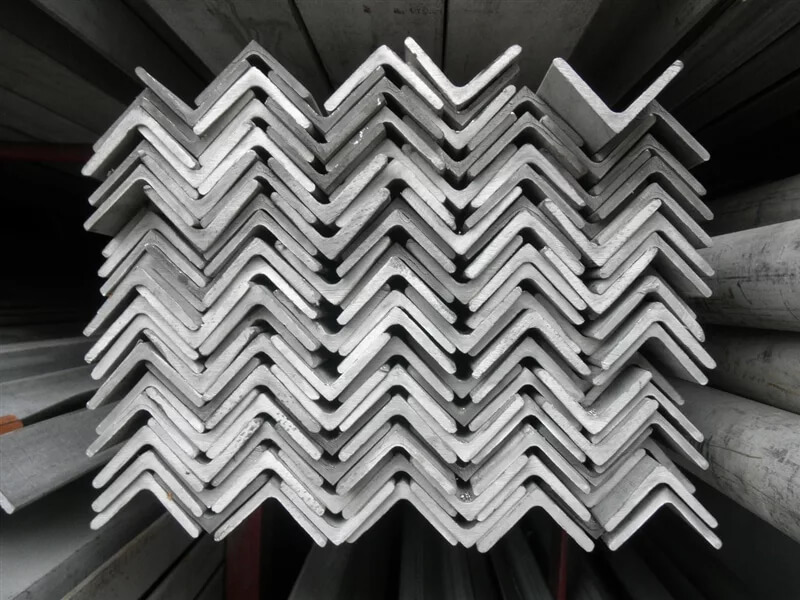
Specifying A36 Angle Bar: Grade vs. Geometry
This is a fundamental point of confusion. "A36" tells you about the steel’s strength. It does not tell you the shape’s size. You need two pieces of information.
1. The Material Standard: ASTM A36
- This standard covers carbon structural steel shapes, plates, and bars.
- Its key requirement is a minimum yield point of 36,000 pounds per square inch (psi), which is about 250 Megapascals (MPa).
- It also specifies ranges for tensile strength, elongation, and chemical composition (max carbon, manganese, etc.).
2. The Dimensional Standard: ASTM A6
- This is the companion standard that defines the tolerances for shapes, including angles.
- It tells you how much the leg length, thickness, straightness, and weight can vary from the nominal (ordered) size.
- For example, for an angle with a leg of 3 inches (76mm), the tolerance on the leg length might be ±1/8 inch (±3mm).
Common A36 Angle Bar Sizes:
Angles are described as L AxBxt, where A and B are the leg lengths, and t is the thickness.
- Equal Angles: Both legs are the same length (e.g., L50x50x5mm, L100x100x10mm, L150x150x15mm).
- Unequal Angles: Legs are different lengths (e.g., L100x75x8mm, L150x90x12mm).
- Sizes are typically available in metric (mm) or imperial (inches) units.
Export Documentation Must Reflect Both:
Your packing list and commercial invoice must clearly state:
- Material: ASTM A36 Steel Angle Bar
- Size: e.g., L 100mm x 100mm x 10mm x 12m Length
- Quantity: In weight (metric tons) and/or number of pieces.
Here is a table of common A36 equal angle sizes and their key data for export specification:
| Nominal Size (AxBxt) | Approximate Weight per Meter | Common Lengths | Key Tolerance (per ASTM A6 example) |
|---|---|---|---|
| L50x50x5mm | 3.77 kg/m | 6m, 9m, 12m | Leg length tolerance: ± 1.5mm |
| L75x75x8mm | 9.03 kg/m | 6m, 9m, 12m | Leg length tolerance: ± 2.0mm |
| L100x100x10mm | 15.1 kg/m | 6m, 9m, 12m | Leg length tolerance: ± 2.5mm |
| L150x150x15mm | 33.8 kg/m | 6m, 9m, 12m | Leg length tolerance: ± 3.0mm |
| L200x200x20mm | 60.3 kg/m | 6m, 9m, 12m | Leg length tolerance: ± 3.5mm |
For exporters: When we prepare shipments for countries like Thailand or Myanmar, we list the exact size on all documents. We also understand that for some projects, the A36 grade is sufficient, but for marine applications, they will need a marine-grade equivalent like ABS Grade A (with similar strength but additional certification). The size specification remains the same, but the material certification changes. Clarity in your paperwork prevents misunderstandings and builds confidence with rational, detail-oriented buyers.
How to measure steel angle size?
Your shipment has arrived at the jobsite in Saudi Arabia. Before signing off, you need to verify the steel matches the order. Relying solely on the MTC is not enough. You must perform a physical check. Incorrect sizing was a major pain point for our client Gulf Metal Solutions before they started working with us.
To measure a steel angle’s size, use a calibrated tape measure or ruler for the leg lengths (A & B) and overall length, and a digital caliper for the thickness (t). Measure the thickness away from the rounded toe of the angle, and take multiple measurements along the bar to check for consistency against the ordered dimensions (e.g., L120x120x12mm). This simple check validates the dimensional certification.
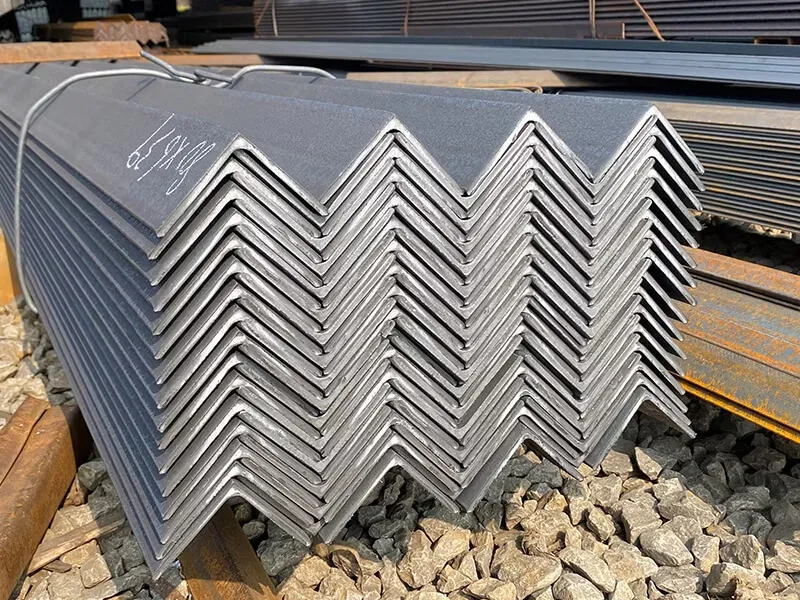
A Step-by-Step Verification Protocol for Importers
This is a critical quality control step that every importer and fabricator should perform upon receipt of goods. It turns you from a passive receiver into an active quality inspector.
Step 1: Gather the Right Tools
- Digital Caliper or Micrometer: For accurate thickness measurement. A vernier caliper is also good.
- Steel Tape Measure or Ruler: For measuring leg lengths and overall length. Ensure it is not bent or damaged.
- Straight Edge or String: For checking straightness (camber and bow).
- Checklist and Camera: To record your findings, especially if you find issues.
Step 2: Understand What to Measure
- Leg Length (A and B): Measure from the outer corner (the heel) to the outer edge of each leg. For an equal angle, both should be the same. For an unequal angle, measure each specified leg.
- Thickness (t): This is the most common point of error. Do not measure at the very edge (toe) where the steel is thinner due to the rolling process. Place the caliper jaws about 1-2 cm in from the edge on the flat part of the leg.
- Length: Measure the overall length of the piece or bar.
- Straightness: Place a straight edge along the length of the leg. Look for any visible gap indicating a curve (camber along the leg) or a bend (bow across the leg).
Step 3: Know the Acceptable Tolerances
The MTC states the steel meets a standard like ASTM A6 or EN 10056. These standards define allowable tolerances. Your measurements must fall within these ranges. Here is an example based on common standards:
| Dimension to Check | Measurement Method | Typical Tolerance (Example for a 100mm leg) | Action if Out of Tolerance |
|---|---|---|---|
| Leg Length (A) | Steel tape from heel to outer edge of leg. | ± 2.5 mm (e.g., 97.5mm to 102.5mm for a 100mm leg) | Isolate the piece. Inform supplier immediately with photos. |
| Thickness (t) | Digital caliper, 2cm in from edge. | ± 0.6 mm (e.g., 9.4mm to 10.6mm for a 10mm thickness) | Isolate the piece. This is a critical strength parameter. |
| Straightness (Camber) | Visual check with straight edge. | Allowance is usually a few mm per meter of length. | Minor bow is often acceptable. Major distortion is a reject. |
| Marking | Visual check. | Must match MTC (Grade, Heat No., Size). | Non-matching marking is a serious discrepancy. |
Step 4: Create a Sampling Plan
You do not need to measure every single piece in a 50-ton shipment. A standard AQL (Acceptable Quality Level) sampling plan is sufficient.
- For a large batch, randomly select 5-10% of the bundles.
- From each selected bundle, measure 3-5 pieces.
- Record all measurements on a simple spreadsheet or form.
Why This Matters for Export/Import:
As an exporter from China, we perform these checks before loading. It protects us and our client. When our sales rep sends the pre-shipment inspection photos from Liaocheng to a buyer in Pakistan, they include tape measures and calipers in the shot to prove dimensions. This proactive verification is the "fast response and stable quality" that builds long-term partnerships. For you as an importer, this process gives you the evidence to address any issues before the steel is used, securing your project timeline and budget.
Conclusion
Successfully exporting marine angle steel hinges on precise certifications (MTC, Class), accurate classification (HS Code), and rigorous physical verification. Mastering these three areas ensures compliance, smooth customs clearance, and project success.